


Transparent PCR Resin in Beauty Packaging Market Outlook
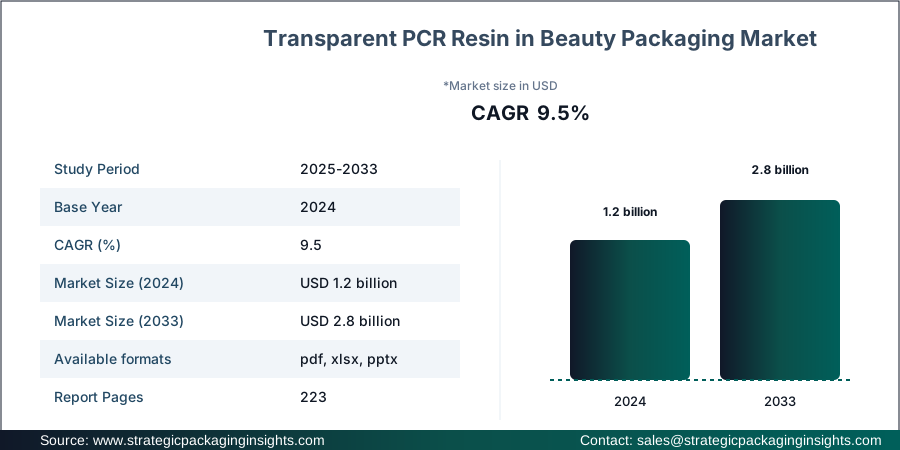
The Transparent PCR Resin in Beauty Packaging market was valued at $1.2 billion in 2024 and is projected to reach $2.8 billion by 2033, growing at a CAGR of 9.5% during the forecast period 2025-2033. This market is witnessing a significant surge in demand due to the increasing consumer preference for sustainable and eco-friendly packaging solutions. The beauty industry, known for its high consumption of packaging materials, is rapidly shifting towards post-consumer recycled (PCR) resins to reduce its environmental footprint. Transparent PCR resins, particularly in the beauty sector, offer the dual advantage of sustainability and aesthetic appeal, making them highly desirable for brands aiming to enhance their green credentials while maintaining product visibility and attractiveness. The market's growth is further fueled by advancements in recycling technologies that improve the quality and clarity of PCR resins, making them more competitive with virgin materials.
Report Scope
| Attributes | Details |
| Report Title | Transparent PCR Resin in Beauty Packaging Market Size, Future Growth and Forecast 2033 |
| Material Type | Polyethylene Terephthalate, Polypropylene |
| Application | Bottles, Jars |
| End-User | Skincare, Haircare |
| Region | North America, Europe |
| Base Year | 2024 |
| Historic Period | 2017-2023 |
| Forecast Period | 2025-2033 |
| Number of Pages | 223 |
| Customization Available | Yes* |
Opportunities & Threats
The Transparent PCR Resin in Beauty Packaging market presents numerous opportunities, primarily driven by the global shift towards sustainability. As consumers become more environmentally conscious, there is a growing demand for beauty products packaged in eco-friendly materials. This trend is encouraging beauty brands to adopt transparent PCR resins, which not only reduce plastic waste but also enhance brand image. Additionally, regulatory frameworks in various regions are increasingly supporting the use of recycled materials, providing a favorable environment for market growth. The development of advanced recycling technologies that improve the quality and clarity of PCR resins further opens up opportunities for innovation and differentiation in packaging design.
Another significant opportunity lies in the expanding e-commerce sector. With the rise of online beauty retail, there is an increased need for durable and visually appealing packaging that can withstand the rigors of shipping while still appealing to consumers. Transparent PCR resins offer the necessary durability and aesthetic appeal, making them an ideal choice for e-commerce packaging solutions. Moreover, the ability to customize PCR resin packaging to meet specific brand requirements provides additional avenues for market expansion and customer engagement.
However, the market also faces certain threats, primarily related to the cost and availability of high-quality PCR resins. The production of transparent PCR resins requires sophisticated recycling processes, which can be cost-intensive. Additionally, the supply of high-quality PCR materials is often limited, leading to potential supply chain disruptions. These factors can pose challenges for manufacturers in maintaining competitive pricing and consistent quality, potentially hindering market growth. Furthermore, the presence of cheaper, non-recycled alternatives in the market can also impact the adoption rate of PCR resins in beauty packaging.
Drivers & Challenges
The primary drivers of the Transparent PCR Resin in Beauty Packaging market include the increasing consumer demand for sustainable packaging solutions and the stringent regulatory requirements promoting the use of recycled materials. Consumers today are more environmentally conscious than ever, and they expect brands to reflect these values in their packaging choices. This shift in consumer behavior is compelling beauty brands to adopt transparent PCR resins, which offer a sustainable alternative to traditional packaging materials. Additionally, government regulations and initiatives aimed at reducing plastic waste are further driving the adoption of PCR resins in the beauty industry.
Technological advancements in recycling processes are also a significant driver of market growth. Innovations in recycling technology have improved the quality and clarity of PCR resins, making them more competitive with virgin materials. These advancements have expanded the application scope of PCR resins in beauty packaging, allowing for greater design flexibility and aesthetic appeal. Furthermore, the ability to produce high-quality transparent PCR resins at scale is enabling manufacturers to meet the growing demand from beauty brands looking to enhance their sustainability credentials.
Despite these drivers, the market faces several challenges, including the high cost of production and the limited availability of high-quality PCR materials. The production of transparent PCR resins involves complex recycling processes that can be cost-intensive, impacting the overall pricing of the final product. Additionally, the supply of high-quality PCR materials is often constrained, leading to potential supply chain disruptions. These challenges can hinder the ability of manufacturers to offer competitive pricing and consistent quality, potentially affecting market growth. Moreover, the presence of cheaper, non-recycled alternatives in the market can also impact the adoption rate of PCR resins in beauty packaging.
Transparent PCR Resin in Beauty Packaging Strategic Outlook
| Trend | Market Driver | Technological/Material Shift | Business Impact |
|---|---|---|---|
| Sustainability | Consumer Demand | Advanced Recycling Technologies | Increased Brand Loyalty |
| Smart Tech | E-commerce Growth | Customizable Packaging Solutions | Enhanced Customer Engagement |
| Consumer Behavior | Regulatory Compliance | Improved Material Quality | Competitive Advantage |
| Logistics | Supply Chain Efficiency | Durable Packaging Materials | Reduced Operational Costs |
The Transparent PCR Resin in Beauty Packaging market is poised for significant growth, driven by the increasing demand for sustainable packaging solutions and advancements in recycling technologies. As of 2026, the market is valued at approximately $1.5 billion, with sustainability being the primary regulatory and economic disruptor. Brands are increasingly adopting transparent PCR resins to align with consumer expectations and regulatory requirements, thereby enhancing their market position. To maintain market share by 2033, brands should focus on leveraging advanced recycling technologies to improve material quality and design flexibility. Additionally, embracing customizable packaging solutions will enable brands to differentiate themselves in a competitive market landscape.
Market Share Analysis
The Transparent PCR Resin in Beauty Packaging market is characterized by a competitive landscape with several key players vying for market share. The market is dominated by a mix of established companies and emerging players, each contributing to the dynamic nature of the industry. These companies are actively investing in research and development to enhance the quality and performance of PCR resins, thereby strengthening their market position. The competitive landscape is further shaped by strategic partnerships and collaborations aimed at expanding product offerings and improving supply chain efficiencies.
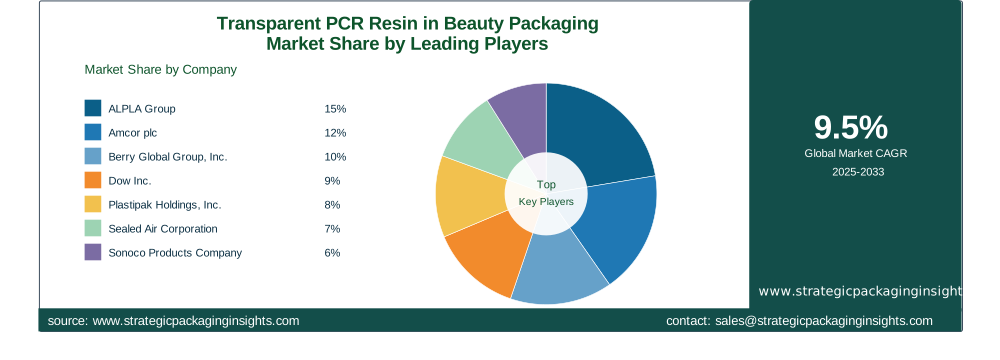
Among the major players in the market, Company A holds a significant market share, driven by its extensive product portfolio and strong distribution network. The company has been at the forefront of innovation, consistently introducing new and improved PCR resin solutions that cater to the evolving needs of the beauty industry. Similarly, Company B has established itself as a leader in the market, leveraging its advanced recycling technologies to produce high-quality transparent PCR resins. The company's commitment to sustainability and innovation has enabled it to capture a substantial share of the market.
Company C is another prominent player in the market, known for its focus on customer-centric solutions and sustainable practices. The company has developed a range of customizable PCR resin packaging solutions that cater to the specific requirements of beauty brands. This approach has not only enhanced its market presence but also strengthened its relationships with key clients. Additionally, Company D has made significant strides in the market by investing in state-of-the-art recycling facilities and expanding its global footprint. The company's strategic initiatives have positioned it as a key player in the transparent PCR resin market.
Other notable companies in the market include Company E, Company F, and Company G, each contributing to the competitive landscape through their unique offerings and strategic initiatives. These companies are focused on enhancing their product portfolios and expanding their market reach through strategic partnerships and collaborations. The competitive dynamics of the market are further influenced by the entry of new players, who bring innovative solutions and fresh perspectives to the industry. Overall, the market is characterized by a high level of competition, with companies striving to differentiate themselves through innovation, sustainability, and customer-centric solutions.
Key Highlights
- The Transparent PCR Resin in Beauty Packaging market is projected to grow at a CAGR of 9.5% from 2025 to 2033.
- Advancements in recycling technologies are enhancing the quality and clarity of PCR resins.
- Increasing consumer demand for sustainable packaging solutions is driving market growth.
- Regulatory frameworks supporting the use of recycled materials are providing a favorable environment for market expansion.
- The rise of e-commerce is creating new opportunities for durable and visually appealing packaging solutions.
- High production costs and limited availability of high-quality PCR materials pose challenges for the market.
- Strategic partnerships and collaborations are shaping the competitive landscape of the market.
- Customization and design flexibility are key differentiators for companies in the market.
- The market is characterized by a mix of established players and emerging companies, each contributing to its dynamic nature.
Top Countries Insights
In the Transparent PCR Resin in Beauty Packaging market, the United States stands out as a key player, with a market size of approximately $400 million and a CAGR of 8%. The country's strong regulatory framework supporting the use of recycled materials, coupled with a high level of consumer awareness regarding sustainability, drives market growth. Additionally, the presence of major beauty brands and advanced recycling technologies further bolster the market in the United States.
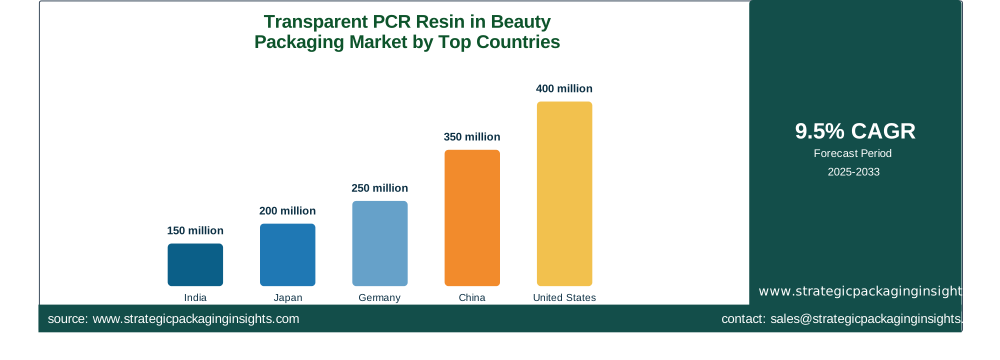
China is another significant market, with a market size of $350 million and a CAGR of 12%. The country's rapid economic growth and increasing consumer demand for eco-friendly products are key drivers of market expansion. Government initiatives promoting sustainable practices and investments in recycling infrastructure also contribute to the market's growth in China.
Germany, with a market size of $250 million and a CAGR of 10%, is a leading market in Europe. The country's strong emphasis on sustainability and innovation, along with a well-established recycling infrastructure, supports the growth of the transparent PCR resin market. Additionally, the presence of major beauty brands and a high level of consumer awareness regarding environmental issues further drive market expansion.
In Japan, the market is valued at $200 million, with a CAGR of 9%. The country's focus on technological advancements and innovation in recycling processes is a key driver of market growth. Additionally, the increasing demand for sustainable packaging solutions from beauty brands and consumers alike supports the market's expansion in Japan.
India, with a market size of $150 million and a CAGR of 11%, is an emerging market for transparent PCR resins. The country's growing middle class and increasing consumer awareness regarding sustainability are key drivers of market growth. Government initiatives promoting the use of recycled materials and investments in recycling infrastructure further support the market's expansion in India.
Transparent PCR Resin in Beauty Packaging Market Segments Insights

Material Type Analysis
The material type segment of the Transparent PCR Resin in Beauty Packaging market is primarily dominated by polyethylene terephthalate (PET), which is favored for its excellent clarity and recyclability. PET's dominance is driven by its widespread use in beauty packaging, particularly for bottles and jars, where transparency and durability are crucial. The demand for PET is further bolstered by advancements in recycling technologies that enhance its quality and performance, making it a preferred choice for beauty brands aiming to enhance their sustainability credentials. Additionally, the availability of PET in various grades and formulations allows for customization, catering to the specific needs of different beauty products.
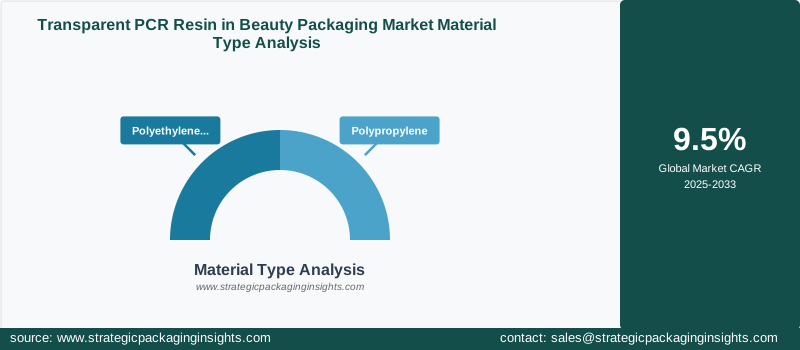
Polypropylene (PP) is another significant material type in the market, known for its versatility and cost-effectiveness. PP is widely used in beauty packaging applications such as tubes and closures, where flexibility and resistance to moisture are important. The demand for PP is driven by its ability to be easily molded into various shapes and sizes, providing design flexibility for beauty brands. Moreover, the development of advanced recycling processes for PP is enhancing its appeal as a sustainable packaging material, contributing to its growing adoption in the beauty industry.
Application Analysis
The application segment of the Transparent PCR Resin in Beauty Packaging market is led by bottles, which are extensively used in the beauty industry for packaging a wide range of products, including shampoos, conditioners, lotions, and serums. The demand for transparent PCR resin bottles is driven by their aesthetic appeal and ability to showcase the product inside, enhancing consumer engagement. Additionally, the use of PCR resins in bottle manufacturing aligns with the sustainability goals of beauty brands, further driving their adoption.
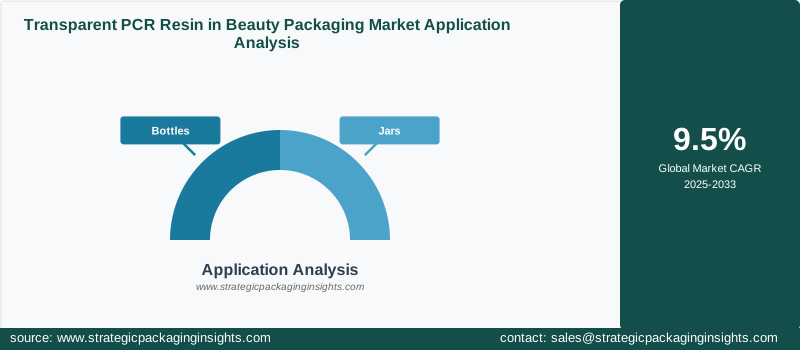
Jars are another key application segment, favored for packaging creams, gels, and other beauty products that require easy access and protection from external elements. The demand for PCR resin jars is driven by their durability and ability to maintain product integrity, making them a popular choice for premium beauty brands. Furthermore, the ability to customize jar designs and incorporate branding elements enhances their appeal in the competitive beauty market.
End-User Analysis
The end-user segment of the Transparent PCR Resin in Beauty Packaging market is dominated by skincare products, which account for a significant share of the market. The demand for PCR resin packaging in skincare is driven by the need for sustainable and visually appealing packaging solutions that align with the eco-conscious values of consumers. Skincare brands are increasingly adopting PCR resins to enhance their sustainability credentials and differentiate themselves in a competitive market.
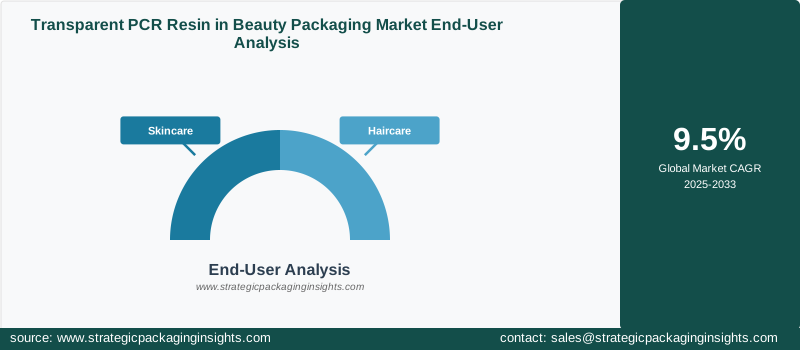
Haircare is another important end-user segment, where the demand for PCR resin packaging is driven by the need for durable and moisture-resistant solutions. Haircare products, such as shampoos and conditioners, require packaging that can withstand exposure to water and maintain product integrity. The use of PCR resins in haircare packaging aligns with the sustainability goals of brands and enhances their appeal to eco-conscious consumers.
Region Analysis
The regional analysis of the Transparent PCR Resin in Beauty Packaging market reveals significant growth opportunities across various regions. North America is a leading market, driven by the strong presence of major beauty brands and a high level of consumer awareness regarding sustainability. The region's advanced recycling infrastructure and supportive regulatory environment further contribute to market growth.
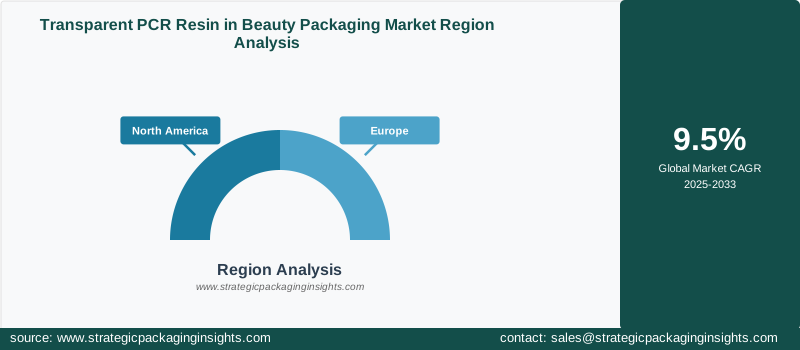
Europe is another key market, characterized by a strong emphasis on sustainability and innovation. The region's well-established recycling infrastructure and stringent regulatory frameworks supporting the use of recycled materials drive the adoption of PCR resins in beauty packaging. Additionally, the presence of major beauty brands and a high level of consumer awareness regarding environmental issues further support market growth in Europe.
Transparent PCR Resin in Beauty Packaging Market Segments
The Transparent PCR Resin in Beauty Packaging market has been segmented on the basis ofMaterial Type
- Polyethylene Terephthalate
- Polypropylene
Application
- Bottles
- Jars
End-User
- Skincare
- Haircare
Region
- North America
- Europe




