


Airline Amenity Kit Disposable Packaging Market Outlook
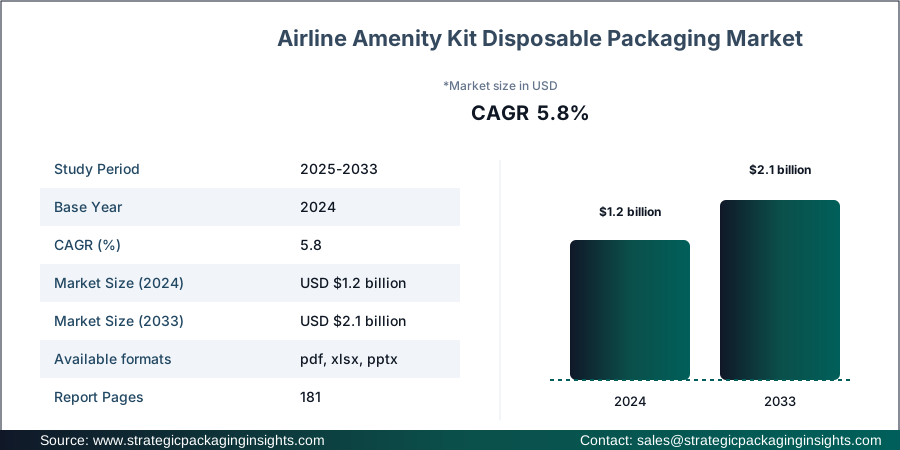
The airline amenity kit disposable packaging market was valued at $1.2 billion in 2024 and is projected to reach $2.1 billion by 2033, growing at a CAGR of 5.8% during the forecast period 2025-2033. This market is driven by the increasing demand for personalized and high-quality in-flight experiences, which has led airlines to invest in premium amenity kits. The growth is further fueled by the rising number of air travelers globally, particularly in emerging economies where air travel is becoming more accessible. Additionally, the trend towards eco-friendly and sustainable packaging solutions is gaining traction, as airlines aim to reduce their environmental footprint and appeal to environmentally conscious consumers. The market is also witnessing innovations in packaging design and materials, with a focus on lightweight and durable options that enhance passenger convenience and airline efficiency.
Report Scope
| Attributes | Details |
| Report Title | Airline Amenity Kit Disposable Packaging Market Size, Future Growth and Forecast 2033 |
| Material Type | Plastic, Paper, Others |
| Application | Economy Class, Business Class, First Class |
| Distribution Channel | Direct Sales, Distributors |
| Region | Asia Pacific, North America, Latin America, Europe, Middle East & Africa |
| Base Year | 2024 |
| Historic Period | 2017-2023 |
| Forecast Period | 2025-2033 |
| Number of Pages | 181 |
| Customization Available | Yes* |
Opportunities & Threats
One of the significant opportunities in the airline amenity kit disposable packaging market lies in the growing emphasis on sustainability. Airlines are increasingly adopting eco-friendly materials such as biodegradable plastics and recycled paper to align with global environmental standards and consumer preferences. This shift not only helps in reducing the carbon footprint but also enhances brand image and customer loyalty. Furthermore, the rise of premium travel classes offers a lucrative opportunity for packaging manufacturers to develop bespoke, high-end packaging solutions that cater to the luxury segment. These premium kits often include branded products and exclusive designs, providing a unique selling proposition for airlines looking to differentiate their services.
Another opportunity is the integration of smart technology into amenity kits. With advancements in technology, there is potential for incorporating features such as QR codes or NFC tags that provide passengers with digital content or personalized services. This can enhance the passenger experience by offering interactive and engaging content, such as destination guides or in-flight entertainment options. Additionally, partnerships with luxury brands for co-branded amenity kits can open new revenue streams and enhance the perceived value of the airline's offerings.
However, the market faces threats from fluctuating raw material prices and stringent regulatory requirements. The cost of materials such as plastics and paper can be volatile, impacting the overall production costs for manufacturers. Moreover, regulatory bodies are imposing stricter guidelines on packaging waste and recyclability, which can increase compliance costs and operational complexities for companies in this sector. These challenges necessitate continuous innovation and adaptation to maintain competitiveness in the market.
Drivers & Challenges
The primary driver of the airline amenity kit disposable packaging market is the increasing number of air travelers worldwide. As global tourism and business travel continue to rise, airlines are expanding their fleets and routes, leading to a higher demand for amenity kits. This growth is particularly pronounced in regions such as Asia Pacific and the Middle East, where economic development and rising disposable incomes are boosting air travel. Additionally, the trend towards enhancing passenger comfort and satisfaction is prompting airlines to invest in high-quality amenity kits, driving demand for innovative packaging solutions.
Another significant driver is the growing focus on passenger health and hygiene, especially in the wake of the COVID-19 pandemic. Airlines are prioritizing the safety and well-being of passengers by providing amenity kits that include hygiene products such as sanitizers, masks, and wipes. This has led to an increased demand for packaging solutions that can accommodate these additional items while maintaining aesthetic appeal and functionality. Furthermore, the rise of low-cost carriers offering premium services is expanding the market for amenity kits, as these airlines seek to enhance their value proposition.
Despite these drivers, the market faces challenges such as the high cost of premium materials and the need for continuous innovation. Developing eco-friendly and technologically advanced packaging solutions can be expensive, posing a barrier for smaller manufacturers. Additionally, the fast-paced nature of the airline industry requires packaging companies to constantly innovate and adapt to changing consumer preferences and technological advancements. This necessitates significant investment in research and development, which can strain resources for companies operating in this competitive market.
Market Share Analysis
The airline amenity kit disposable packaging market is characterized by a competitive landscape with several key players vying for market share. The market is dominated by a mix of established companies and emerging players, each offering a range of products tailored to different airline classes and customer preferences. The competitive dynamics are influenced by factors such as product innovation, sustainability initiatives, and strategic partnerships with airlines and luxury brands. Companies are focusing on expanding their product portfolios and enhancing their distribution networks to capture a larger share of the market.
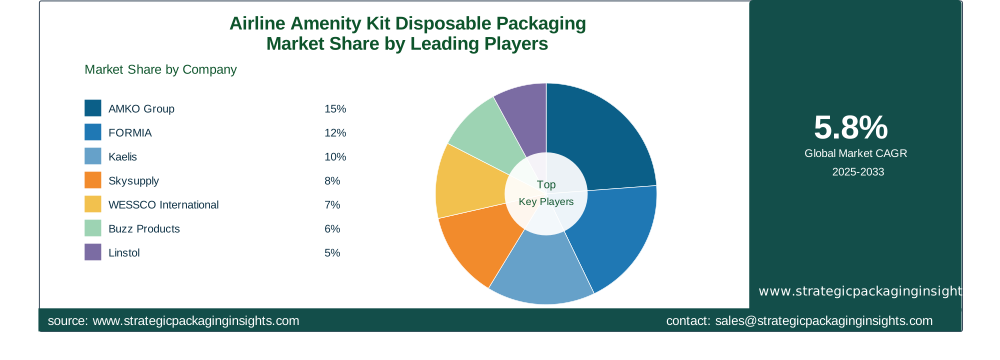
Among the major players, AMKO Group (USA) is a leading provider of airline amenity kits, known for its innovative designs and commitment to sustainability. The company offers a wide range of packaging solutions, including eco-friendly options, and has established partnerships with several major airlines worldwide. Founded in 1979, AMKO Group is headquartered in New York and operates multiple facilities across the globe, serving a diverse clientele in the airline industry.
FORMIA (Hong Kong) is another prominent player in the market, specializing in premium amenity kits for first and business class passengers. The company collaborates with luxury brands to create bespoke packaging solutions that enhance the passenger experience. Established in 1989, FORMIA is headquartered in Hong Kong and has a strong presence in Asia, Europe, and the Middle East, catering to a wide range of international airlines.
Kaelis (Spain) is a key player known for its comprehensive range of in-flight products, including amenity kits, catering equipment, and textiles. The company emphasizes innovation and sustainability, offering eco-friendly packaging solutions that meet the evolving needs of airlines. Founded in 1997, Kaelis is headquartered in Madrid and operates globally, with a strong focus on customer service and quality assurance.
Skysupply (Germany) is a leading supplier of airline amenity kits, renowned for its creative designs and high-quality products. The company collaborates with various airlines to develop customized packaging solutions that reflect their brand identity. Established in 1988, Skysupply is based in Munich and has a robust distribution network across Europe and beyond, serving a diverse range of airline clients.
Key Highlights
- The market is projected to grow at a CAGR of 5.8% from 2025 to 2033.
- Increasing demand for eco-friendly packaging solutions is a key trend.
- Integration of smart technology in amenity kits is gaining traction.
- Partnerships with luxury brands are enhancing product offerings.
- Asia Pacific is a significant growth region due to rising air travel.
- Regulatory compliance on packaging waste is a critical challenge.
- Premium travel classes offer lucrative opportunities for manufacturers.
Top Countries Insights
In the airline amenity kit disposable packaging market, the United States holds a significant share, with a market size of approximately $300 million and a CAGR of 4%. The growth is driven by the presence of major airlines and a strong focus on enhancing passenger experience through premium amenity kits. The country's regulatory environment also supports innovation in sustainable packaging solutions.
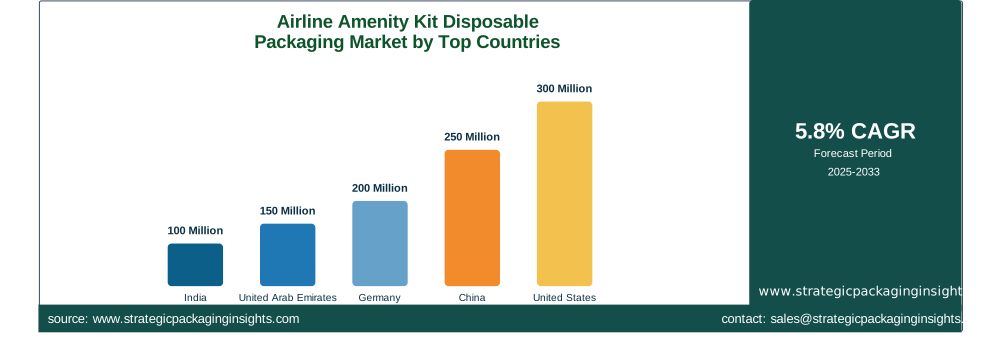
China is another key market, with a market size of $250 million and a CAGR of 7%. The rapid expansion of the aviation sector and increasing disposable incomes are fueling demand for high-quality amenity kits. The government's emphasis on sustainability and environmental protection is also encouraging the adoption of eco-friendly packaging materials.
Germany, with a market size of $200 million and a CAGR of 5%, is a leader in Europe. The country's strong manufacturing base and focus on innovation in packaging design contribute to its market position. German airlines are increasingly adopting sustainable practices, driving demand for eco-friendly packaging solutions.
The United Arab Emirates, with a market size of $150 million and a CAGR of 6%, is a prominent market in the Middle East. The region's strategic location as a global aviation hub and the presence of leading airlines like Emirates and Etihad Airways are key growth drivers. The focus on luxury travel experiences further boosts demand for premium amenity kits.
India, with a market size of $100 million and a CAGR of 8%, is an emerging market with significant growth potential. The increasing number of domestic and international flights, coupled with rising consumer expectations for quality in-flight services, is driving demand for innovative packaging solutions. The government's initiatives to promote sustainable practices also support market growth.
Airline Amenity Kit Disposable Packaging Market Segments Insights

Material Type Analysis
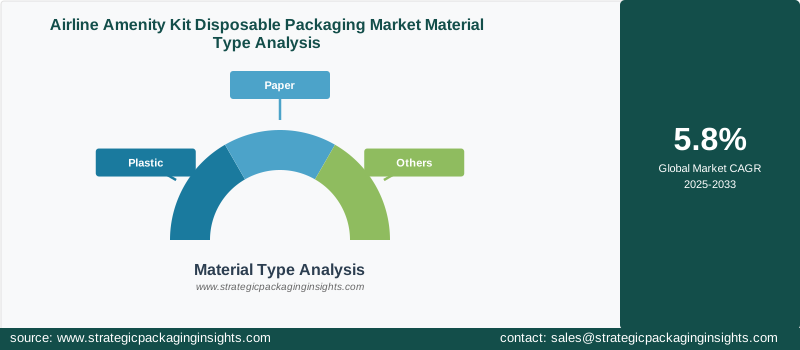
The material type segment in the airline amenity kit disposable packaging market is primarily divided into plastic, paper, and others. Plastic remains the dominant material due to its durability, lightweight nature, and cost-effectiveness. However, the increasing environmental concerns and regulatory pressures are driving a shift towards more sustainable materials. Paper-based packaging is gaining popularity as it is biodegradable and recyclable, aligning with the global push for eco-friendly solutions. Manufacturers are investing in research and development to create innovative materials that offer the same benefits as traditional plastics but with a reduced environmental impact. The 'others' category includes materials like biodegradable plastics and plant-based alternatives, which are expected to see significant growth as airlines seek to enhance their sustainability credentials.
Application Analysis
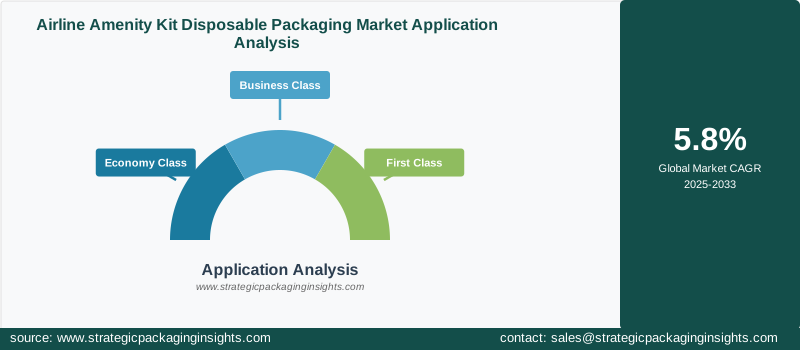
The application segment is categorized into economy class, business class, and first class. Economy class represents the largest segment due to the high volume of passengers and the need for cost-effective packaging solutions. However, the business and first-class segments are witnessing faster growth as airlines focus on enhancing the passenger experience with premium amenity kits. These segments offer opportunities for manufacturers to develop bespoke, high-end packaging solutions that cater to the luxury travel market. The demand for personalized and branded amenity kits is particularly strong in these segments, as airlines seek to differentiate their services and build brand loyalty among high-value customers.
Distribution Channel Analysis
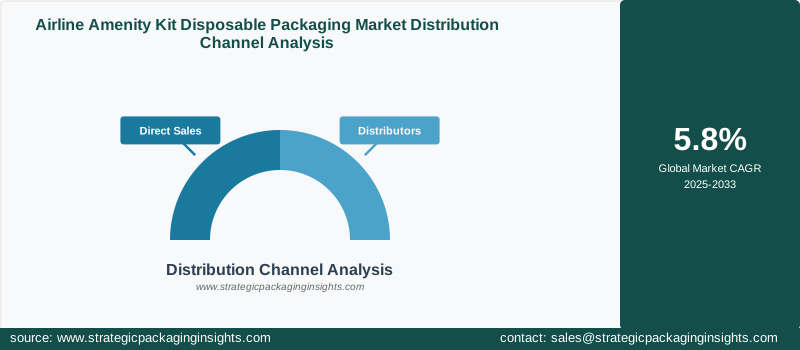
The distribution channel segment includes direct sales and distributors. Direct sales are preferred by large airlines that have established relationships with packaging manufacturers and seek to streamline their supply chain operations. This channel allows for greater customization and control over the packaging design and production process. Distributors, on the other hand, play a crucial role in reaching smaller airlines and emerging markets. They offer a wide range of products and services, providing flexibility and convenience for airlines looking to source amenity kits. The choice of distribution channel often depends on the airline's size, budget, and specific requirements for amenity kits.
Airline Amenity Kit Disposable Packaging Market Segments
The Airline Amenity Kit Disposable Packaging market has been segmented on the basis ofMaterial Type
- Plastic
- Paper
- Others
Application
- Economy Class
- Business Class
- First Class
Distribution Channel
- Direct Sales
- Distributors
Region
- Asia Pacific
- North America
- Latin America
- Europe
- Middle East & Africa




