


Syringes and Injectable Drugs Packaging Market Outlook
The Syringes and Injectable Drugs Packaging market was valued at $12.5 billion in 2024 and is projected to reach $21.3 billion by 2033, growing at a CAGR of 5.8% during the forecast period 2025-2033. This market is experiencing robust growth driven by the increasing prevalence of chronic diseases, which necessitates the use of injectable drugs. The rise in demand for biologics and biosimilars, coupled with the growing trend of self-administration of drugs, is further propelling the market. Additionally, advancements in packaging technologies that enhance drug safety and extend shelf life are contributing to market expansion. The increasing focus on reducing medication errors and improving patient compliance is also driving the demand for innovative packaging solutions in this sector.
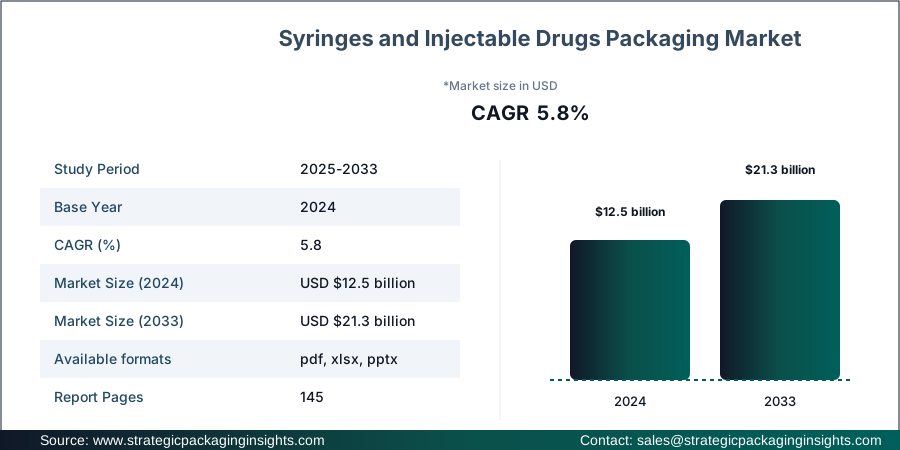
However, the market faces certain challenges that could hinder its growth. Stringent regulatory requirements for packaging materials and processes pose a significant barrier for manufacturers. The high cost of advanced packaging solutions and the need for substantial investment in research and development are additional constraints. Despite these challenges, the market holds significant growth potential, particularly in emerging economies where healthcare infrastructure is rapidly developing. The increasing adoption of smart packaging solutions, which offer benefits such as real-time monitoring and enhanced patient engagement, presents lucrative opportunities for market players. Furthermore, the growing emphasis on sustainability and eco-friendly packaging solutions is expected to drive innovation and open new avenues for growth in the coming years.
Report Scope
| Attributes | Details |
| Report Title | Syringes and Injectable Drugs Packaging Market Size, Future Growth and Forecast 2033 |
| Material | Glass, Plastic, Others |
| Product Type | Prefilled Syringes, Vials, Ampoules, Cartridges, Others |
| Application | Vaccines, Biologics, Insulin, Cancer, Others |
| End-User | Hospitals, Clinics, Homecare Settings, Others |
| Base Year | 2024 |
| Historic Period | 2017-2023 |
| Forecast Period | 2025-2033 |
| Number of Pages | 145 |
| Customization Available | Yes* |
Opportunities & Threats
The Syringes and Injectable Drugs Packaging market is poised for significant opportunities driven by technological advancements and the increasing demand for personalized medicine. The development of smart packaging solutions that incorporate IoT and digital technologies is a major opportunity for market players. These solutions offer enhanced drug safety, improved patient compliance, and real-time monitoring capabilities, which are highly valued in the healthcare sector. Additionally, the growing trend of personalized medicine, which requires customized packaging solutions, presents a lucrative opportunity for manufacturers to differentiate their offerings and capture a larger market share. The increasing focus on sustainability and the demand for eco-friendly packaging materials also offer significant growth prospects, as companies strive to meet regulatory requirements and consumer preferences for environmentally responsible products.
Another opportunity lies in the expanding healthcare infrastructure in emerging economies, which is driving the demand for injectable drugs and their packaging. As these regions continue to invest in healthcare facilities and services, the need for efficient and reliable packaging solutions is expected to rise. Moreover, the increasing prevalence of chronic diseases and the growing aging population are contributing to the demand for injectable drugs, further boosting the market. The rise in home healthcare and self-administration of drugs is also creating opportunities for innovative packaging solutions that enhance convenience and safety for patients.
Despite these opportunities, the market faces certain threats that could impact its growth. Stringent regulatory requirements and the need for compliance with international standards pose significant challenges for manufacturers. The high cost of advanced packaging solutions and the need for continuous investment in research and development are additional barriers. Furthermore, the market is highly competitive, with numerous players vying for market share, which could lead to pricing pressures and reduced profit margins. The risk of counterfeit products and the need for robust anti-counterfeiting measures also pose a threat to the market. Companies must navigate these challenges while leveraging opportunities to sustain growth and maintain a competitive edge.
Market Share Analysis
The competitive landscape of the Syringes and Injectable Drugs Packaging market is characterized by the presence of several key players who dominate the market. These companies are engaged in strategic initiatives such as mergers and acquisitions, partnerships, and collaborations to strengthen their market position and expand their product portfolios. The market is highly competitive, with players focusing on innovation and technological advancements to gain a competitive edge. The increasing demand for sustainable and eco-friendly packaging solutions is driving companies to invest in research and development to develop innovative products that meet regulatory requirements and consumer preferences.
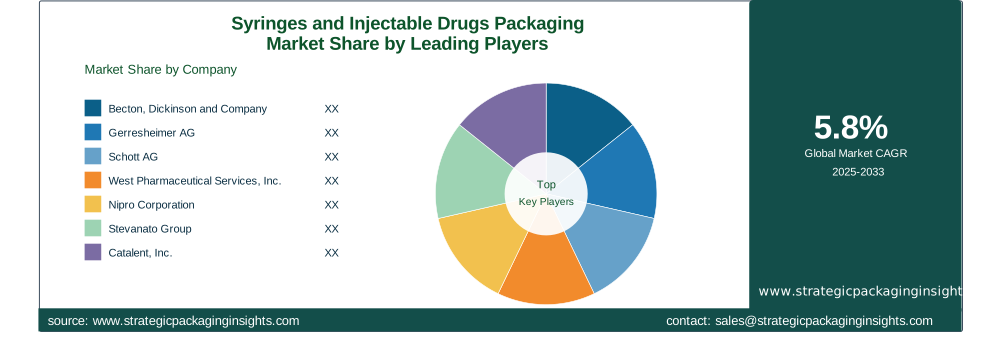
Among the major players in the market, Becton, Dickinson and Company holds a significant market share due to its extensive product portfolio and strong global presence. The company is known for its innovative packaging solutions and has a strong focus on research and development to enhance its product offerings. Gerresheimer AG is another key player, renowned for its high-quality glass and plastic packaging solutions. The company has a strong presence in Europe and is expanding its operations in emerging markets to capitalize on the growing demand for injectable drugs packaging.
Schott AG is a leading player in the market, known for its advanced glass packaging solutions that offer superior protection and safety for injectable drugs. The company has a strong focus on sustainability and is investing in eco-friendly packaging solutions to meet the growing demand for environmentally responsible products. West Pharmaceutical Services, Inc. is another major player, offering a wide range of packaging solutions for injectable drugs. The company is focused on innovation and has a strong presence in North America and Europe.
Other notable players in the market include Nipro Corporation, Stevanato Group, and Catalent, Inc. These companies are engaged in strategic initiatives to expand their market presence and enhance their product offerings. Nipro Corporation is known for its high-quality glass and plastic packaging solutions, while Stevanato Group is renowned for its innovative packaging technologies. Catalent, Inc. is a leading provider of advanced delivery technologies and packaging solutions for injectable drugs. These companies are focused on leveraging opportunities in emerging markets and investing in research and development to drive growth and maintain a competitive edge.
Key Highlights
- The market is projected to grow at a CAGR of 5.8% from 2025 to 2033, driven by the increasing demand for injectable drugs and advancements in packaging technologies.
- Technological advancements in smart packaging solutions are creating significant opportunities for market players.
- The growing trend of personalized medicine is driving the demand for customized packaging solutions.
- Stringent regulatory requirements and the need for compliance with international standards pose challenges for manufacturers.
- The market is highly competitive, with key players focusing on innovation and strategic initiatives to gain a competitive edge.
- The increasing focus on sustainability and eco-friendly packaging solutions is driving innovation in the market.
- Emerging economies present significant growth opportunities due to expanding healthcare infrastructure and rising demand for injectable drugs.
- The rise in home healthcare and self-administration of drugs is creating opportunities for innovative packaging solutions.
- Counterfeit products and the need for robust anti-counterfeiting measures pose a threat to the market.
Top Countries Insights
In the Syringes and Injectable Drugs Packaging market, the United States holds a significant market share, with a market size of $3.5 billion and a CAGR of 6%. The country's advanced healthcare infrastructure and high demand for injectable drugs are key growth drivers. The increasing prevalence of chronic diseases and the growing trend of self-administration of drugs are also contributing to market growth. However, stringent regulatory requirements and the need for compliance with international standards pose challenges for manufacturers.
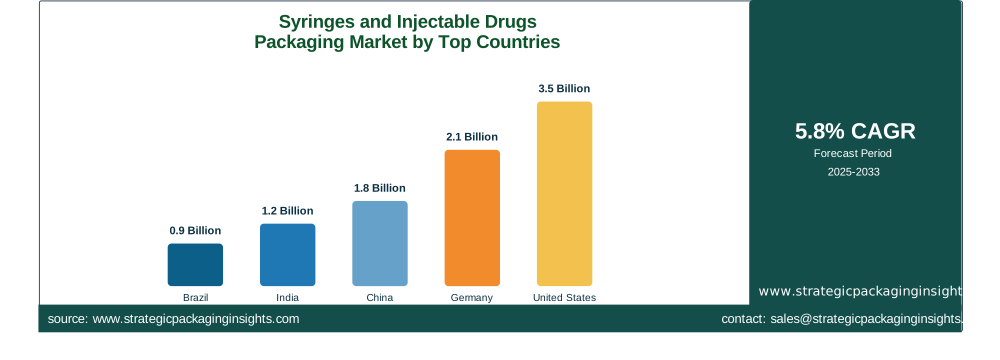
Germany is another major market, with a market size of $2.1 billion and a CAGR of 5%. The country's strong focus on innovation and technological advancements in packaging solutions is driving market growth. The increasing demand for biologics and biosimilars, coupled with the growing trend of personalized medicine, is further propelling the market. However, the high cost of advanced packaging solutions and the need for substantial investment in research and development are constraints.
China is experiencing rapid growth in the Syringes and Injectable Drugs Packaging market, with a market size of $1.8 billion and a CAGR of 8%. The country's expanding healthcare infrastructure and rising demand for injectable drugs are key growth drivers. The increasing prevalence of chronic diseases and the growing aging population are also contributing to market growth. However, the market faces challenges such as regulatory hurdles and the need for compliance with international standards.
India is another emerging market, with a market size of $1.2 billion and a CAGR of 7%. The country's expanding healthcare infrastructure and rising demand for injectable drugs are key growth drivers. The increasing prevalence of chronic diseases and the growing aging population are also contributing to market growth. However, the market faces challenges such as regulatory hurdles and the need for compliance with international standards.
Brazil is experiencing steady growth in the Syringes and Injectable Drugs Packaging market, with a market size of $0.9 billion and a CAGR of 6%. The country's expanding healthcare infrastructure and rising demand for injectable drugs are key growth drivers. The increasing prevalence of chronic diseases and the growing aging population are also contributing to market growth. However, the market faces challenges such as regulatory hurdles and the need for compliance with international standards.
Evolving Market Dynamics (2018-2024) and Strategic Foresight (2025-2033)
| Metrics | 2018-2024 | 2025-2033 |
|---|---|---|
| CAGR | 4.5% | 5.8% |
| Market Size Evolution | $9.8 billion to $12.5 billion | $12.5 billion to $21.3 billion |
| Segment Distribution Shifts | Increased demand for prefilled syringes | Rising demand for smart packaging solutions |
| Regional Contribution Changes | North America and Europe dominated | Asia Pacific emerging as a key market |
| Technological Impact Factors | Focus on safety and compliance | Integration of IoT and digital technologies |
| Client Demand Transformations | Focus on biologics and biosimilars | Emphasis on personalized medicine |
Syringes and Injectable Drugs Packaging Market Segments Insights

Material Analysis
The material segment of the Syringes and Injectable Drugs Packaging market is primarily divided into glass, plastic, and others. Glass remains a preferred choice due to its excellent barrier properties and chemical resistance, which ensure the safety and efficacy of injectable drugs. However, the demand for plastic packaging is rising due to its lightweight nature, cost-effectiveness, and versatility. Plastic materials such as polypropylene and polyethylene are gaining popularity for their durability and ease of manufacturing. The increasing focus on sustainability is driving the demand for eco-friendly materials, with manufacturers exploring biodegradable and recyclable options to meet regulatory requirements and consumer preferences.
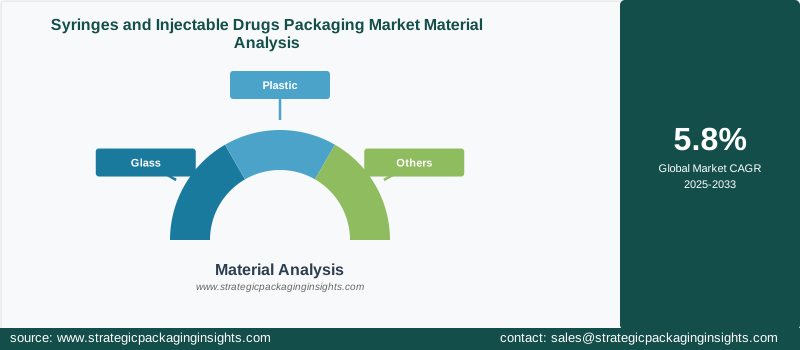
Glass packaging is widely used for its superior protection against contamination and its ability to maintain the stability of sensitive drugs. It is particularly favored for biologics and vaccines, where maintaining drug integrity is crucial. However, the fragility of glass and the risk of breakage during handling and transportation are challenges that manufacturers need to address. Innovations in glass packaging, such as the development of strengthened glass and advanced coating technologies, are helping to overcome these challenges and enhance the safety and reliability of glass packaging solutions.
Product Type Analysis
The product type segment includes prefilled syringes, vials, ampoules, cartridges, and others. Prefilled syringes are witnessing significant growth due to their convenience, accuracy, and reduced risk of contamination. They are increasingly used for vaccines, biologics, and other injectable drugs, offering benefits such as ease of use and improved patient compliance. The demand for vials and ampoules remains strong, particularly for hospital and clinical settings where bulk packaging is required. Cartridges are gaining popularity for their use in pen injectors and auto-injectors, which are favored for self-administration of drugs.
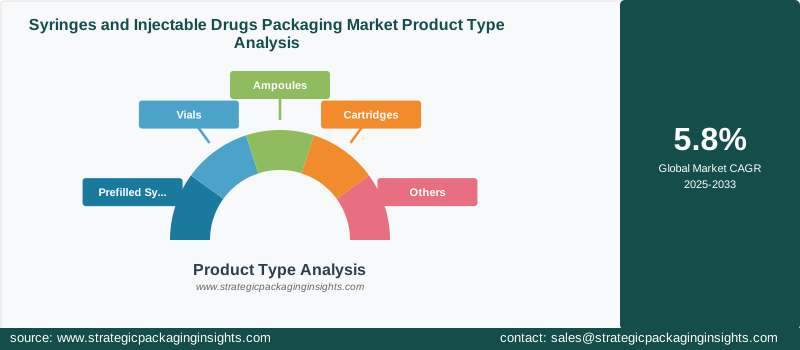
The growing trend of self-administration and home healthcare is driving the demand for innovative packaging solutions that enhance convenience and safety for patients. Manufacturers are focusing on developing user-friendly designs and incorporating features such as tamper-evidence and child-resistant closures to ensure safety and compliance. The increasing focus on reducing medication errors and improving patient outcomes is also driving the demand for advanced packaging solutions that offer precise dosing and easy administration.
Application Analysis
The application segment of the market includes vaccines, biologics, insulin, cancer, and others. The demand for injectable drugs packaging is driven by the increasing prevalence of chronic diseases and the growing trend of personalized medicine. Vaccines and biologics are major contributors to market growth, with the rising demand for immunization and targeted therapies. The increasing incidence of diabetes is driving the demand for insulin packaging, while the growing prevalence of cancer is boosting the demand for oncology drugs packaging.
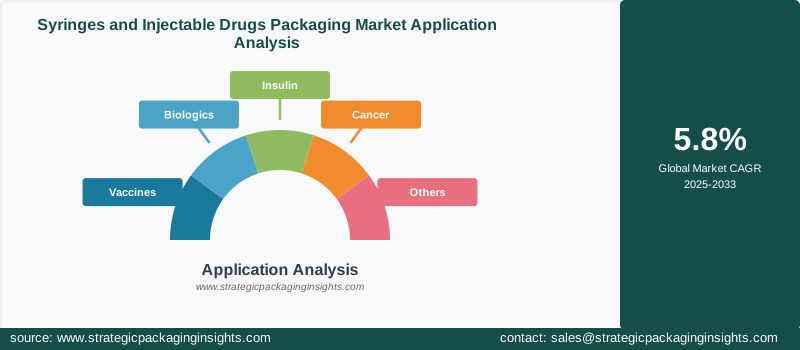
The focus on patient safety and compliance is driving the demand for packaging solutions that offer enhanced protection and ease of use. Manufacturers are investing in research and development to develop innovative packaging solutions that meet the specific needs of different applications. The increasing adoption of smart packaging solutions, which offer benefits such as real-time monitoring and enhanced patient engagement, is also contributing to market growth. The growing emphasis on sustainability and the demand for eco-friendly packaging solutions are driving innovation and opening new avenues for growth in the application segment.
End-User Analysis
The end-user segment includes hospitals, clinics, homecare settings, and others. Hospitals and clinics remain the largest end-users of injectable drugs packaging, driven by the high demand for bulk packaging solutions and the need for efficient and reliable drug delivery systems. The growing trend of home healthcare and self-administration of drugs is driving the demand for packaging solutions that offer convenience and safety for patients. Homecare settings are increasingly adopting innovative packaging solutions that enhance patient compliance and reduce the risk of medication errors.
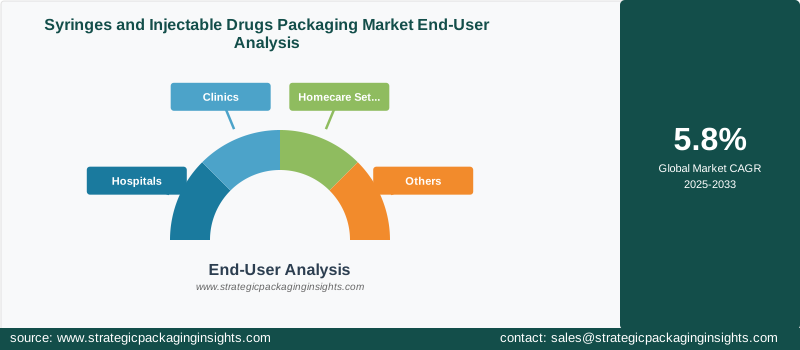
The increasing focus on patient-centric care and the demand for personalized medicine are driving the demand for customized packaging solutions that meet the specific needs of different end-users. Manufacturers are focusing on developing user-friendly designs and incorporating features such as tamper-evidence and child-resistant closures to ensure safety and compliance. The growing emphasis on sustainability and the demand for eco-friendly packaging solutions are driving innovation and opening new avenues for growth in the end-user segment.
Syringes and Injectable Drugs Packaging Market Segments
The Syringes and Injectable Drugs Packaging market has been segmented on the basis ofMaterial
- Glass
- Plastic
- Others
Product Type
- Prefilled Syringes
- Vials
- Ampoules
- Cartridges
- Others
Application
- Vaccines
- Biologics
- Insulin
- Cancer
- Others
End-User
- Hospitals
- Clinics
- Homecare Settings
- Others




