


Biodegradable Plastic Packaging Market Outlook
The biodegradable plastic packaging market was valued at $7.2 billion in 2024 and is projected to reach $18.2 billion by 2033, growing at a CAGR of 11.2% during the forecast period 2025-2033. This market is witnessing significant growth due to increasing environmental concerns and stringent regulations against the use of conventional plastics. The demand for sustainable packaging solutions is driving the adoption of biodegradable plastics, which are derived from renewable resources and decompose naturally, reducing landfill waste. The food and beverage industry is a major contributor to this growth, as companies seek eco-friendly alternatives to traditional packaging materials. Additionally, advancements in material technology and increased consumer awareness about environmental issues are further propelling market expansion.
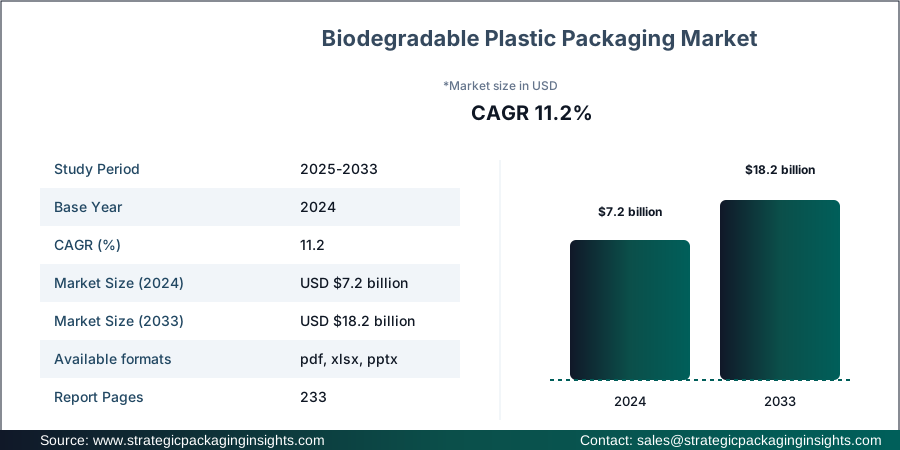
Report Scope
| Attributes | Details |
| Report Title | Biodegradable Plastic Packaging Market Size, Future Growth and Forecast 2033 |
| Material Type | Starch-based, PLA, PHA, PBS, PBAT, Others |
| Application | Food Packaging, Beverage Packaging, Healthcare Packaging, Personal Care Packaging, Others |
| End-User | Food & Beverage, Healthcare, Personal Care, Others |
| Region | Asia Pacific, North America, Latin America, Europe, Middle East & Africa |
| Base Year | 2024 |
| Historic Period | 2017-2023 |
| Forecast Period | 2025-2033 |
| Number of Pages | 233 |
| Customization Available | Yes* |
Opportunities & Threats
One of the primary opportunities in the biodegradable plastic packaging market is the growing consumer preference for sustainable products. As consumers become more environmentally conscious, they are increasingly opting for products that have minimal environmental impact. This shift in consumer behavior is encouraging manufacturers to innovate and develop new biodegradable packaging solutions that meet these demands. Furthermore, government initiatives and policies promoting the use of biodegradable materials are creating a favorable environment for market growth. For instance, several countries have implemented bans on single-use plastics, which is driving the demand for biodegradable alternatives.
Another opportunity lies in the technological advancements in biodegradable materials. Research and development efforts are focused on improving the performance and cost-effectiveness of biodegradable plastics. Innovations such as the development of new biopolymers and the enhancement of existing materials are expected to open new avenues for market growth. Additionally, collaborations between packaging companies and research institutions are fostering the development of advanced biodegradable solutions that can cater to a wide range of applications, from food packaging to healthcare products.
However, the market faces certain threats, including the high cost of biodegradable plastics compared to conventional plastics. The production of biodegradable materials often involves complex processes and the use of expensive raw materials, which can result in higher prices for end products. This cost factor can be a significant barrier for widespread adoption, particularly in price-sensitive markets. Additionally, the lack of infrastructure for the proper disposal and composting of biodegradable plastics can hinder market growth, as improper disposal can negate the environmental benefits of these materials.
Drivers & Challenges
The biodegradable plastic packaging market is primarily driven by the increasing regulatory pressure to reduce plastic waste. Governments worldwide are implementing stringent regulations to curb plastic pollution, which is compelling manufacturers to adopt sustainable packaging solutions. For example, the European Union's directive on single-use plastics aims to reduce the environmental impact of plastic products, thereby boosting the demand for biodegradable alternatives. Additionally, the growing awareness among consumers about the environmental impact of plastic waste is driving the demand for eco-friendly packaging options.
Another significant driver is the rising demand from the food and beverage industry. As consumers become more health-conscious, there is an increasing preference for organic and natural products, which extends to packaging materials. Biodegradable plastics offer a sustainable solution that aligns with the values of health-conscious consumers, making them an attractive option for food and beverage companies. Moreover, the increasing trend of online food delivery services is further fueling the demand for biodegradable packaging, as companies seek to reduce their environmental footprint.
Despite these drivers, the market faces challenges such as the limited availability of raw materials for biodegradable plastics. The production of biodegradable materials often relies on agricultural feedstocks, which can be subject to fluctuations in supply and price. Additionally, the performance limitations of biodegradable plastics, such as lower durability and shorter shelf life compared to conventional plastics, can hinder their adoption in certain applications. Addressing these challenges requires ongoing research and development efforts to improve the properties and cost-effectiveness of biodegradable materials.
Market Share Analysis
The competitive landscape of the biodegradable plastic packaging market is characterized by the presence of several key players who are actively engaged in research and development to enhance their product offerings. Companies are focusing on strategic partnerships, mergers, and acquisitions to expand their market presence and strengthen their product portfolios. The market is moderately fragmented, with a mix of established players and emerging companies striving to gain a competitive edge.
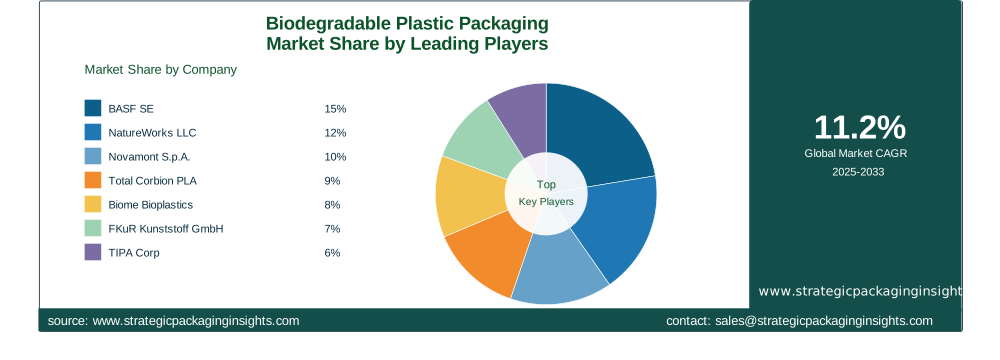
Some of the major companies in the market include BASF SE, NatureWorks LLC, Novamont S.p.A., and Total Corbion PLA. BASF SE is a leading player in the market, known for its innovative biodegradable plastic solutions that cater to various industries, including packaging, agriculture, and consumer goods. The company has a strong global presence and is committed to sustainability, with a focus on developing eco-friendly products.
NatureWorks LLC is another prominent player, specializing in the production of polylactic acid (PLA) biopolymers. The company is recognized for its Ingeo brand, which is used in a wide range of applications, from packaging to textiles. NatureWorks is dedicated to advancing the use of renewable resources and reducing the environmental impact of plastic products.
Novamont S.p.A. is a key player in the biodegradable plastic packaging market, known for its Mater-Bi range of bioplastics. The company focuses on creating sustainable solutions that integrate environmental, social, and economic benefits. Novamont's products are widely used in packaging, agriculture, and other sectors, contributing to the reduction of plastic waste.
Total Corbion PLA, a joint venture between Total and Corbion, is a leading producer of PLA bioplastics. The company is committed to providing high-performance, sustainable solutions that meet the needs of various industries. Total Corbion PLA's products are used in packaging, consumer goods, and other applications, offering a viable alternative to conventional plastics.
Key Highlights
- The biodegradable plastic packaging market is projected to grow at a CAGR of 11.2% from 2025 to 2033.
- Increasing consumer preference for sustainable products is driving market growth.
- Government regulations and initiatives are promoting the use of biodegradable materials.
- Technological advancements are enhancing the performance and cost-effectiveness of biodegradable plastics.
- The food and beverage industry is a major contributor to market demand.
- High production costs and limited raw material availability are key challenges.
- Key players are focusing on strategic partnerships and R&D to expand their market presence.
Top Countries Insights
In the biodegradable plastic packaging market, the United States is a leading country, with a market size of $1.5 billion and a CAGR of 10%. The country's growth is driven by strong consumer demand for sustainable products and supportive government policies. The presence of major industry players and ongoing innovations in biodegradable materials further bolster market expansion.
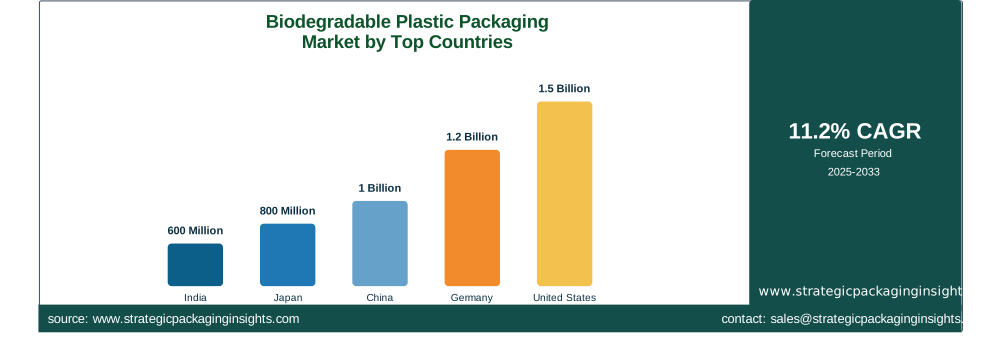
Germany is another significant market, valued at $1.2 billion with a CAGR of 9%. The country's stringent regulations on plastic waste and its commitment to sustainability are key growth drivers. Germany's advanced recycling infrastructure and focus on research and development in biodegradable materials contribute to its market leadership.
China, with a market size of $1 billion and a CAGR of 12%, is experiencing rapid growth due to increasing environmental awareness and government initiatives to reduce plastic pollution. The country's large consumer base and expanding food and beverage industry are also driving demand for biodegradable packaging solutions.
Japan, valued at $800 million with a CAGR of 8%, is witnessing growth due to its strong focus on sustainability and innovation. The country's advanced technology and commitment to reducing plastic waste are key factors contributing to market expansion.
India, with a market size of $600 million and a CAGR of 15%, is emerging as a key market for biodegradable plastic packaging. The country's growing population, increasing environmental awareness, and government initiatives to promote sustainable practices are driving market growth.
Biodegradable Plastic Packaging Market Segments Insights

Material Type Analysis
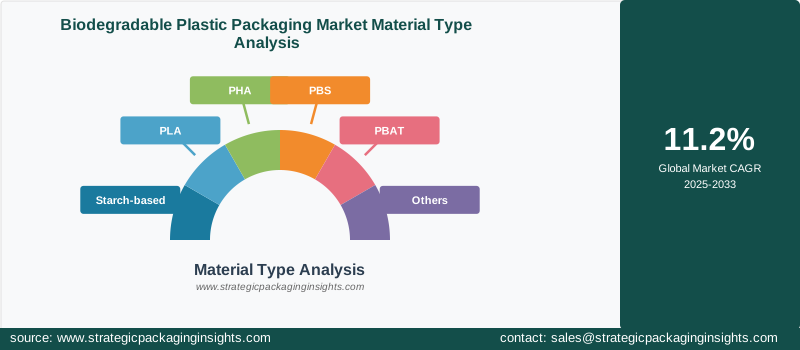
The biodegradable plastic packaging market is segmented by material type, including starch-based, PLA, PHA, PBS, PBAT, and others. Starch-based plastics are gaining popularity due to their cost-effectiveness and biodegradability. These materials are derived from renewable resources and are widely used in food packaging applications. PLA, or polylactic acid, is another prominent material, known for its versatility and performance. It is used in a variety of applications, from food packaging to healthcare products. PHA, or polyhydroxyalkanoates, are gaining traction due to their biodegradability and ability to be produced from waste materials. PBS and PBAT are also important materials, offering a balance of performance and sustainability.
Application Analysis
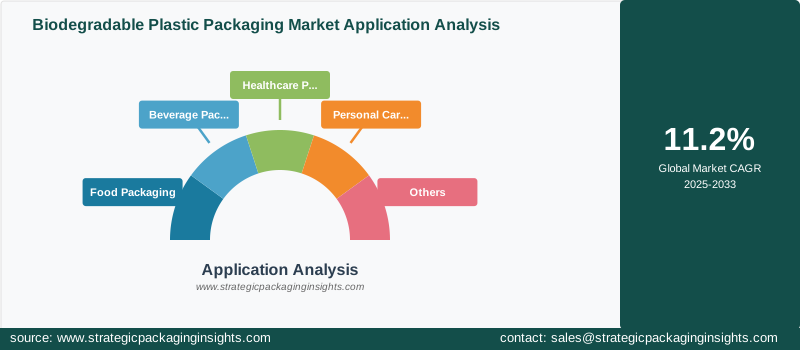
The application segment of the biodegradable plastic packaging market includes food packaging, beverage packaging, healthcare packaging, personal care packaging, and others. Food packaging is the largest application segment, driven by the increasing demand for sustainable packaging solutions in the food and beverage industry. Biodegradable plastics offer a viable alternative to conventional materials, providing a sustainable solution that aligns with consumer preferences. Beverage packaging is another significant application, with companies seeking eco-friendly alternatives to traditional plastic bottles and containers. Healthcare packaging is also a growing segment, as biodegradable materials offer a safe and sustainable option for medical products.
End-User Analysis
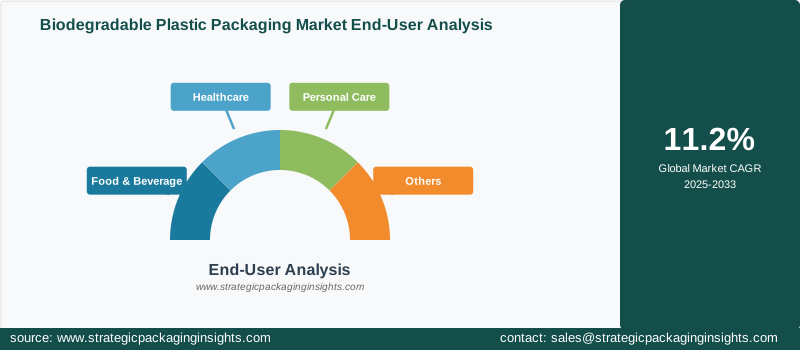
The end-user segment of the biodegradable plastic packaging market includes food and beverage, healthcare, personal care, and others. The food and beverage industry is the largest end-user, driven by the increasing demand for sustainable packaging solutions. Companies in this industry are seeking to reduce their environmental footprint by adopting biodegradable materials. The healthcare industry is another significant end-user, as biodegradable plastics offer a safe and sustainable option for medical products. Personal care is also a growing segment, with consumers seeking eco-friendly packaging for personal care products.
Region Analysis
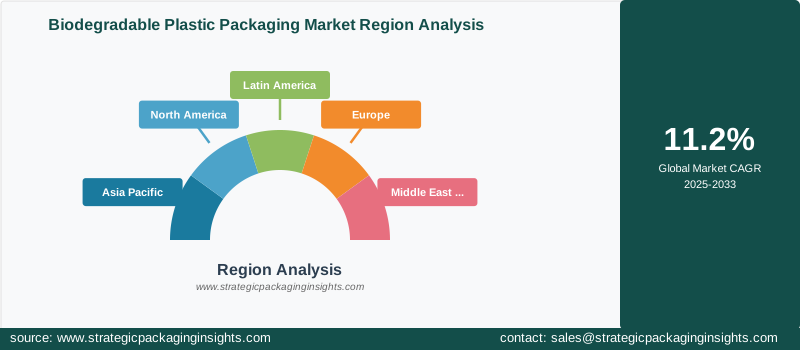
The biodegradable plastic packaging market is segmented by region, including Asia Pacific, North America, Latin America, Europe, and Middle East & Africa. Asia Pacific is the largest market, driven by the increasing demand for sustainable packaging solutions in countries like China and India. North America is another significant market, with strong consumer demand for eco-friendly products and supportive government policies. Europe is also a key market, with stringent regulations on plastic waste and a strong focus on sustainability. Latin America and Middle East & Africa are emerging markets, with increasing environmental awareness and government initiatives to promote sustainable practices.
Biodegradable Plastic Packaging Market Segments
The Biodegradable Plastic Packaging market has been segmented on the basis ofMaterial Type
- Starch-based
- PLA
- PHA
- PBS
- PBAT
- Others
Application
- Food Packaging
- Beverage Packaging
- Healthcare Packaging
- Personal Care Packaging
- Others
End-User
- Food & Beverage
- Healthcare
- Personal Care
- Others
Region
- Asia Pacific
- North America
- Latin America
- Europe
- Middle East & Africa




