


Baby Food Packaging Market Outlook
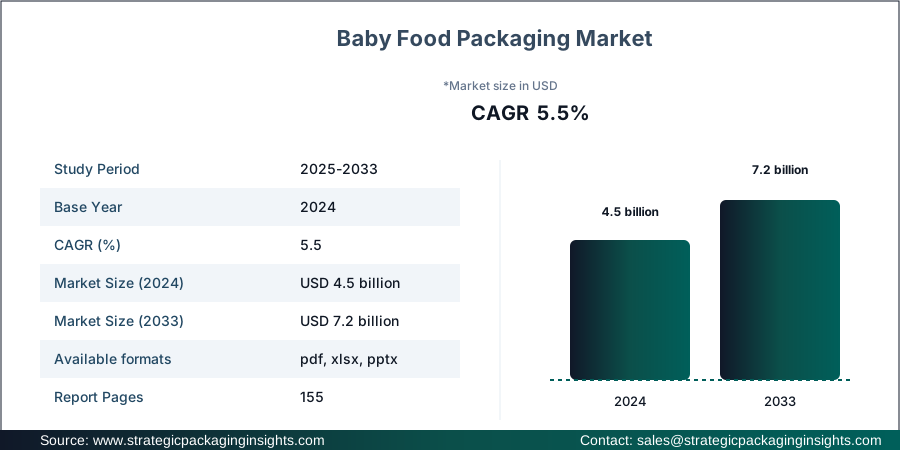
The baby food packaging market was valued at $4.5 billion in 2024 and is projected to reach $7.2 billion by 2033, growing at a CAGR of 5.5% during the forecast period 2025-2033. This growth is driven by increasing consumer demand for convenient, safe, and sustainable packaging solutions. The rising awareness among parents regarding the nutritional needs of infants and toddlers is pushing manufacturers to innovate in packaging that preserves the quality and safety of baby food. Additionally, the growing trend of urbanization and the increasing number of working parents are contributing to the demand for ready-to-eat baby food products, further propelling the market growth.
Report Scope
| Attributes | Details |
| Report Title | Baby Food Packaging Market Size, Future Growth and Forecast 2033 |
| Material | Plastic, Glass, Metal, Paperboard |
| Product Type | Jars, Pouches, Bottles, Cans, Cartons |
| Application | Liquid Milk Formula, Dried Baby Food, Prepared Baby Food, Others |
| Region | Asia Pacific, North America, Latin America, Europe, Middle East & Africa |
| Base Year | 2024 |
| Historic Period | 2017-2023 |
| Forecast Period | 2025-2033 |
| Number of Pages | 155 |
| Customization Available | Yes* |
Opportunities & Threats
One of the significant opportunities in the baby food packaging market lies in the increasing demand for eco-friendly and sustainable packaging solutions. As consumers become more environmentally conscious, there is a growing preference for packaging materials that are biodegradable or recyclable. This shift is encouraging manufacturers to invest in research and development to create innovative packaging solutions that meet these demands. Furthermore, the rise of e-commerce platforms has opened new avenues for packaging companies to cater to a broader audience, providing opportunities for growth and expansion in the market.
Another opportunity is the advancement in packaging technologies, such as smart packaging, which offers enhanced functionality and convenience. Smart packaging solutions, including features like freshness indicators and tamper-evident seals, are gaining popularity among consumers who prioritize safety and quality. These technological advancements not only improve the consumer experience but also provide manufacturers with a competitive edge in the market. As a result, companies that invest in smart packaging technologies are likely to see significant growth opportunities in the coming years.
However, the market faces certain restraints, such as stringent regulations and standards imposed by governments and regulatory bodies. These regulations often require manufacturers to adhere to specific guidelines regarding the materials used in packaging, which can increase production costs and limit innovation. Additionally, the fluctuating prices of raw materials, such as plastics and metals, can pose a challenge for manufacturers, affecting their profit margins and overall market growth.
Drivers & Challenges
The primary driver of the baby food packaging market is the increasing demand for convenience and ready-to-eat baby food products. With the rise in the number of working parents and the fast-paced lifestyle, there is a growing need for packaging solutions that offer ease of use and portability. This demand is encouraging manufacturers to develop innovative packaging designs that cater to the needs of busy parents, such as resealable pouches and easy-to-open jars.
Another significant driver is the growing awareness among consumers about the importance of food safety and hygiene. Parents are increasingly concerned about the quality and safety of the food they provide to their infants, leading to a demand for packaging solutions that ensure the preservation of nutritional value and prevent contamination. This trend is driving manufacturers to adopt advanced packaging technologies and materials that offer superior protection and extend the shelf life of baby food products.
Despite these drivers, the market faces challenges such as the high cost of advanced packaging technologies and the need for continuous innovation to meet changing consumer preferences. The development and implementation of new packaging solutions require significant investment in research and development, which can be a barrier for small and medium-sized enterprises. Additionally, the rapidly changing consumer preferences and trends necessitate constant adaptation and innovation, posing a challenge for manufacturers to stay competitive in the market.
Market Share Analysis
The competitive landscape of the baby food packaging market is characterized by the presence of several key players who dominate the market with their extensive product portfolios and strong distribution networks. These companies are continuously investing in research and development to innovate and offer advanced packaging solutions that cater to the evolving needs of consumers. The market is also witnessing strategic collaborations and partnerships among companies to expand their market presence and enhance their product offerings.
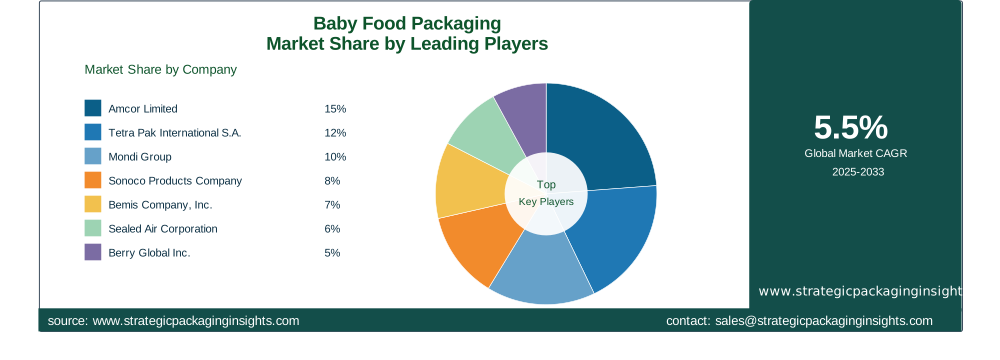
Some of the major companies in the baby food packaging market include Amcor Limited, Tetra Pak International S.A., Mondi Group, Sonoco Products Company, and Bemis Company, Inc. These companies have established themselves as leaders in the market by offering a wide range of packaging solutions that meet the diverse needs of consumers. They are also focusing on sustainability initiatives and eco-friendly packaging solutions to align with the growing consumer demand for environmentally responsible products.
Amcor Limited, for instance, is known for its innovative packaging solutions that prioritize sustainability and consumer convenience. The company has a strong global presence and offers a comprehensive range of packaging products for the baby food industry. Tetra Pak International S.A. is another key player that specializes in aseptic packaging solutions, ensuring the safety and quality of baby food products. The company's focus on innovation and sustainability has helped it maintain a competitive edge in the market.
Mondi Group is recognized for its commitment to sustainability and its extensive portfolio of flexible packaging solutions. The company has a strong presence in Europe and is expanding its operations in emerging markets to capitalize on the growing demand for baby food packaging. Sonoco Products Company, with its diverse range of packaging solutions, is focused on providing innovative and sustainable packaging options to meet the needs of consumers and manufacturers alike.
Key Highlights
- Increasing demand for eco-friendly and sustainable packaging solutions.
- Advancements in smart packaging technologies offering enhanced functionality.
- Growing consumer awareness about food safety and hygiene.
- Rising demand for convenience and ready-to-eat baby food products.
- Stringent regulations and standards impacting packaging materials.
- Fluctuating raw material prices affecting production costs.
- Strategic collaborations and partnerships among key market players.
Top Countries Insights
The United States is one of the leading markets for baby food packaging, with a market size of $1.2 billion and a CAGR of 4%. The demand for convenient and safe packaging solutions is driven by the high number of working parents and the increasing awareness of food safety. Government regulations promoting sustainable packaging practices are also contributing to market growth.
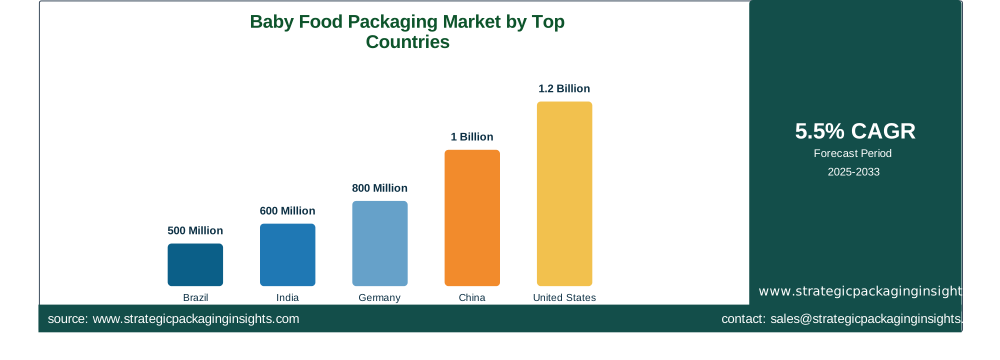
China, with a market size of $1 billion and a CAGR of 6%, is experiencing significant growth due to the rising middle-class population and increasing disposable income. The demand for premium and organic baby food products is driving the need for innovative packaging solutions that ensure product safety and quality.
Germany, with a market size of $800 million and a CAGR of 3%, is witnessing growth due to the increasing demand for eco-friendly packaging solutions. The country's strong focus on sustainability and environmental responsibility is encouraging manufacturers to adopt biodegradable and recyclable packaging materials.
India, with a market size of $600 million and a CAGR of 7%, is experiencing rapid growth due to the increasing urbanization and changing consumer lifestyles. The demand for convenient and ready-to-eat baby food products is driving the need for advanced packaging solutions that offer ease of use and portability.
Brazil, with a market size of $500 million and a CAGR of 5%, is seeing growth due to the rising awareness of infant nutrition and the increasing number of working mothers. The demand for safe and hygienic packaging solutions is driving manufacturers to invest in innovative packaging technologies.
Baby Food Packaging Market Segments Insights

Material Analysis
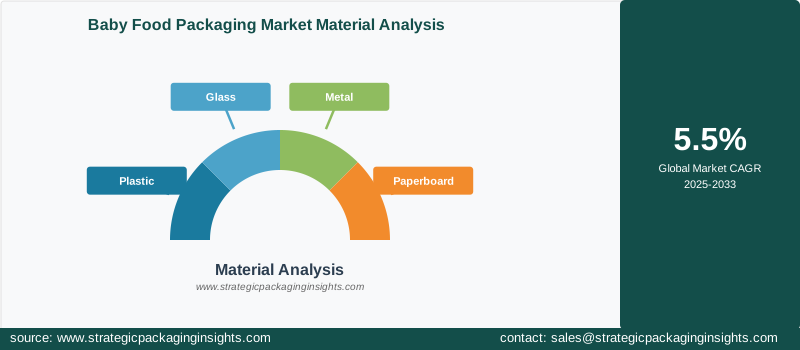
The material segment of the baby food packaging market is dominated by plastic, which is widely used due to its versatility, durability, and cost-effectiveness. Plastic packaging offers excellent barrier properties, ensuring the safety and quality of baby food products. However, the growing environmental concerns and the increasing demand for sustainable packaging solutions are driving manufacturers to explore alternative materials such as glass, metal, and paperboard. Glass packaging, known for its recyclability and premium appeal, is gaining popularity among consumers who prioritize sustainability and product safety. Metal packaging, with its excellent barrier properties and durability, is also being considered as a viable alternative to plastic. Paperboard, being biodegradable and recyclable, is emerging as a preferred choice for eco-conscious consumers.
Product Type Analysis
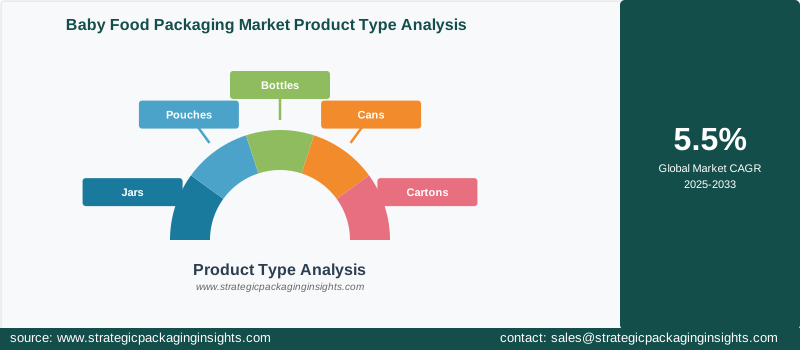
The product type segment of the baby food packaging market includes jars, pouches, bottles, cans, and cartons. Pouches are gaining popularity due to their convenience, portability, and resealability, making them an ideal choice for busy parents. Jars, traditionally used for baby food packaging, continue to hold a significant share of the market due to their durability and ability to preserve the quality of the product. Bottles, commonly used for liquid milk formula, are preferred for their ease of use and ability to maintain the freshness of the product. Cans and cartons, known for their excellent barrier properties and durability, are also widely used in the packaging of baby food products.
Application Analysis
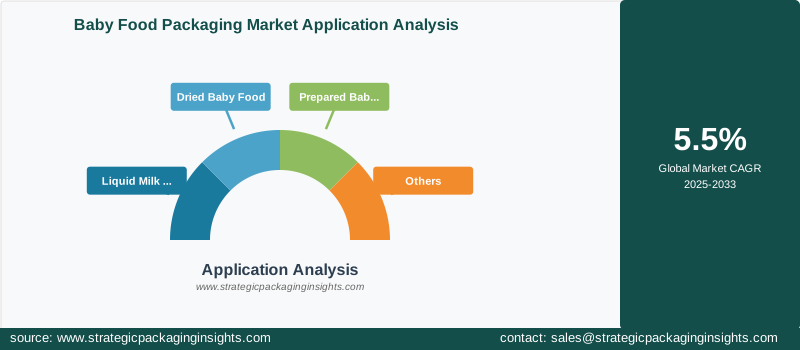
The application segment of the baby food packaging market includes liquid milk formula, dried baby food, prepared baby food, and others. The demand for liquid milk formula packaging is driven by the increasing number of working parents and the need for convenient and ready-to-use products. Dried baby food packaging is gaining traction due to its long shelf life and ease of storage. Prepared baby food packaging is witnessing growth due to the rising demand for organic and premium baby food products. The 'others' category includes specialty baby food products that require unique packaging solutions to ensure product safety and quality.
Region Analysis
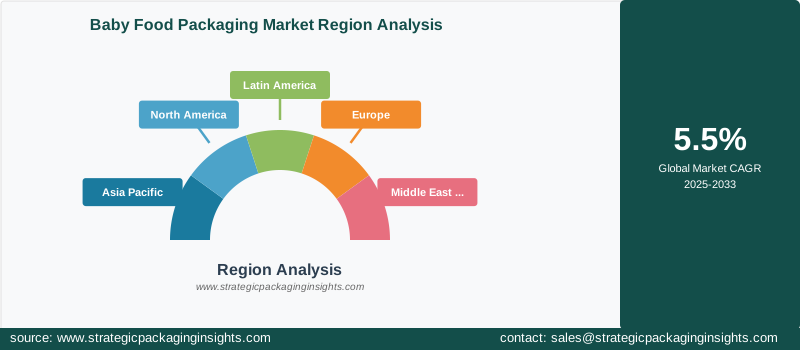
The baby food packaging market is segmented into regions such as Asia Pacific, North America, Latin America, Europe, and the Middle East & Africa. Asia Pacific is expected to witness significant growth due to the increasing population, rising disposable income, and changing consumer lifestyles. North America, with its high number of working parents and increasing awareness of food safety, is a major market for baby food packaging. Europe, known for its strong focus on sustainability and environmental responsibility, is driving the demand for eco-friendly packaging solutions. Latin America and the Middle East & Africa are also experiencing growth due to the rising awareness of infant nutrition and the increasing number of working mothers.
Baby Food Packaging Market Segments
The Baby Food Packaging market has been segmented on the basis ofMaterial
- Plastic
- Glass
- Metal
- Paperboard
Product Type
- Jars
- Pouches
- Bottles
- Cans
- Cartons
Application
- Liquid Milk Formula
- Dried Baby Food
- Prepared Baby Food
- Others
Region
- Asia Pacific
- North America
- Latin America
- Europe
- Middle East & Africa




