


Shrink Pouch Packaging Market Outlook
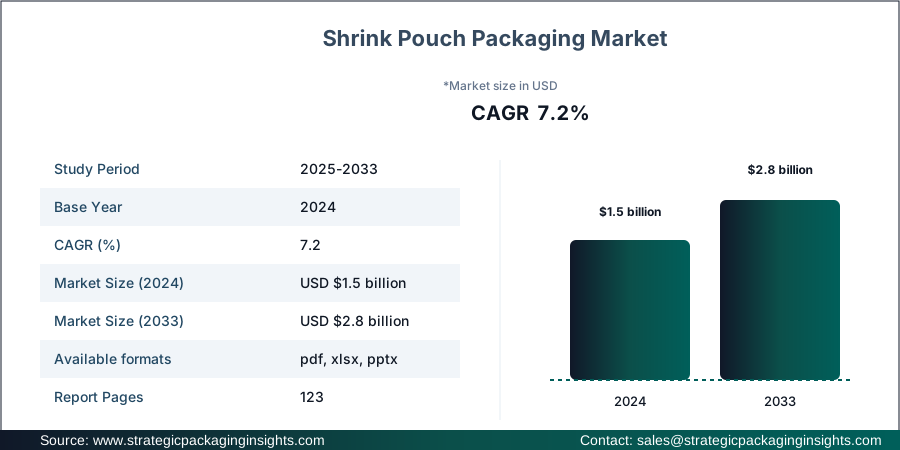
The shrink pouch packaging market was valued at $1.5 billion in 2024 and is projected to reach $2.8 billion by 2033, growing at a CAGR of 7.2% during the forecast period 2025-2033. This market is experiencing robust growth driven by the increasing demand for flexible packaging solutions across various industries. The food and beverage sector, in particular, is a significant contributor to this growth, as shrink pouch packaging offers enhanced shelf appeal and extended shelf life for products. Additionally, the rising trend of sustainable packaging is propelling the adoption of shrink pouches made from recyclable materials, further boosting market expansion. Technological advancements in packaging machinery and materials are also playing a crucial role in enhancing the efficiency and effectiveness of shrink pouch packaging solutions.
Despite the promising growth prospects, the shrink pouch packaging market faces certain challenges that could hinder its expansion. Regulatory constraints related to packaging waste and environmental concerns are significant restraining factors. Governments worldwide are implementing stringent regulations to reduce plastic waste, which could impact the production and usage of shrink pouches. However, the market holds substantial growth potential due to the increasing focus on developing eco-friendly packaging solutions. Manufacturers are investing in research and development to create biodegradable and compostable shrink pouches, aligning with the global sustainability goals. This shift towards sustainable packaging is expected to open new avenues for market growth in the coming years.
Report Scope
| Attributes | Details |
| Report Title | Shrink Pouch Packaging Market Size, Future Growth and Forecast 2033 |
| Material | Polyethylene, Polypropylene, Polyvinyl Chloride, Others |
| Application | Food & Beverages, Pharmaceuticals, Personal Care, Industrial, Others |
| End-User | Retail, Institutional, Industrial |
| Region | Asia Pacific, North America, Latin America, Europe, Middle East & Africa |
| Base Year | 2024 |
| Historic Period | 2017-2023 |
| Forecast Period | 2025-2033 |
| Number of Pages | 123 |
| Customization Available | Yes* |
Opportunities & Threats
The shrink pouch packaging market presents numerous opportunities for growth, primarily driven by the increasing demand for convenient and lightweight packaging solutions. As consumers continue to seek products that offer ease of use and portability, shrink pouches are gaining popularity due to their lightweight nature and ability to conform to the shape of the product. This trend is particularly evident in the food and beverage industry, where shrink pouches are used for packaging snacks, beverages, and ready-to-eat meals. Additionally, the rise of e-commerce and online retailing is further fueling the demand for shrink pouch packaging, as these pouches provide excellent protection during transportation and storage.
Another significant opportunity lies in the development of sustainable and eco-friendly shrink pouch packaging solutions. With growing environmental awareness, consumers and businesses are increasingly prioritizing sustainable packaging options. This has led to a surge in demand for shrink pouches made from biodegradable and recyclable materials. Companies that invest in sustainable packaging technologies and materials are likely to gain a competitive edge in the market. Furthermore, advancements in printing technologies are enabling manufacturers to offer customized and visually appealing shrink pouches, enhancing brand visibility and consumer engagement.
However, the shrink pouch packaging market also faces certain threats that could impact its growth trajectory. One of the primary challenges is the fluctuating prices of raw materials, particularly plastics, which can affect the overall cost of production. Additionally, the market is subject to stringent regulations regarding packaging waste and environmental impact. Compliance with these regulations can increase operational costs for manufacturers, potentially affecting profit margins. Moreover, the presence of alternative packaging solutions, such as rigid containers and flexible films, poses a threat to the widespread adoption of shrink pouches. Companies need to continuously innovate and adapt to changing consumer preferences and regulatory requirements to mitigate these threats.
Market Share Analysis
The competitive landscape of the shrink pouch packaging market is characterized by the presence of several key players who are actively engaged in product innovation and strategic partnerships to strengthen their market position. The market is moderately fragmented, with a mix of global and regional players competing for market share. Companies are focusing on expanding their product portfolios and enhancing their production capabilities to cater to the growing demand for shrink pouch packaging solutions. Additionally, mergers and acquisitions are common strategies adopted by market players to consolidate their position and gain access to new markets.
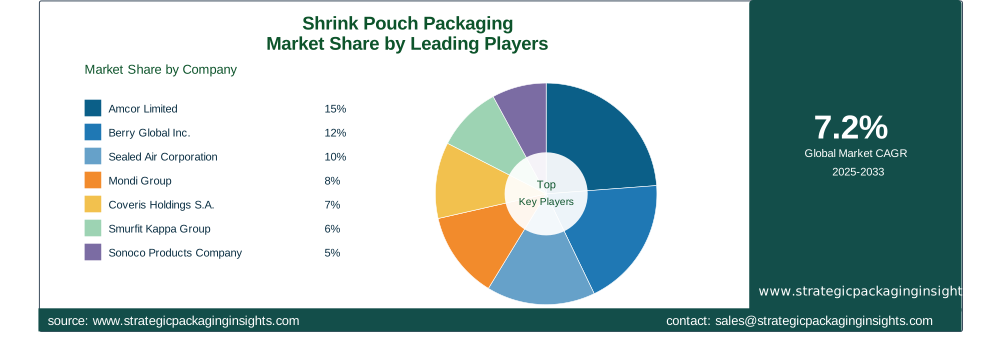
Among the leading companies in the shrink pouch packaging market, Amcor Limited holds a significant market share due to its extensive product offerings and strong global presence. The company is known for its innovative packaging solutions and commitment to sustainability, which has helped it maintain a competitive edge. Another major player, Berry Global Inc., is recognized for its diverse range of packaging products and focus on customer-centric solutions. The company's strategic acquisitions and investments in research and development have further strengthened its market position.
Sealed Air Corporation is another prominent player in the shrink pouch packaging market, known for its advanced packaging technologies and emphasis on sustainability. The company's Cryovac brand is widely recognized for its high-performance shrink packaging solutions. Mondi Group, with its focus on sustainable packaging and innovative product designs, is also a key player in the market. The company's commitment to reducing environmental impact and enhancing product functionality has contributed to its success in the shrink pouch packaging industry.
Other notable companies in the market include Coveris Holdings S.A., Smurfit Kappa Group, and Sonoco Products Company. These companies are actively investing in research and development to introduce new and improved shrink pouch packaging solutions. They are also focusing on expanding their geographical presence through strategic partnerships and collaborations. The competitive landscape is expected to remain dynamic, with companies continuously striving to innovate and meet the evolving demands of consumers and businesses.
Key Highlights
- The shrink pouch packaging market is projected to grow at a CAGR of 7.2% from 2025 to 2033.
- Increasing demand for sustainable and eco-friendly packaging solutions is driving market growth.
- The food and beverage industry is the largest end-user segment for shrink pouch packaging.
- Technological advancements in packaging machinery are enhancing production efficiency.
- Regulatory constraints related to packaging waste pose a challenge to market growth.
- Customization and visual appeal of shrink pouches are enhancing brand visibility.
- Fluctuating raw material prices can impact production costs and profit margins.
- Strategic partnerships and acquisitions are common strategies among market players.
- Asia Pacific is expected to witness the highest growth rate during the forecast period.
Top Countries Insights
In the shrink pouch packaging market, the United States holds a significant share, with a market size of approximately $400 million and a CAGR of 6%. The country's robust food and beverage industry, coupled with the increasing demand for convenient packaging solutions, is driving market growth. Additionally, the presence of major packaging companies and technological advancements in packaging machinery are contributing to the market's expansion. However, regulatory constraints related to packaging waste and environmental concerns pose challenges to market growth in the United States.
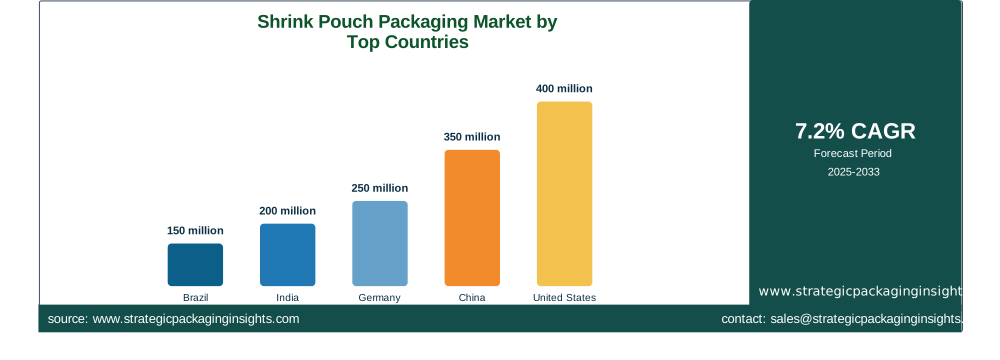
China is another key market for shrink pouch packaging, with a market size of around $350 million and a CAGR of 8%. The country's rapidly growing food and beverage industry, along with the increasing adoption of flexible packaging solutions, is fueling market growth. Additionally, the government's focus on promoting sustainable packaging practices is driving the demand for eco-friendly shrink pouches. However, the market faces challenges related to fluctuating raw material prices and stringent regulations on packaging waste.
Germany, with a market size of approximately $250 million and a CAGR of 5%, is a prominent player in the shrink pouch packaging market. The country's strong emphasis on sustainability and environmental protection is driving the demand for eco-friendly packaging solutions. Additionally, the presence of leading packaging companies and technological advancements in packaging machinery are contributing to market growth. However, regulatory constraints related to packaging waste and environmental impact pose challenges to market expansion.
India, with a market size of around $200 million and a CAGR of 9%, is witnessing significant growth in the shrink pouch packaging market. The country's rapidly expanding food and beverage industry, coupled with the increasing demand for convenient packaging solutions, is driving market growth. Additionally, the government's focus on promoting sustainable packaging practices is fueling the demand for eco-friendly shrink pouches. However, the market faces challenges related to fluctuating raw material prices and regulatory constraints on packaging waste.
Brazil, with a market size of approximately $150 million and a CAGR of 7%, is a key market for shrink pouch packaging. The country's growing food and beverage industry, along with the increasing adoption of flexible packaging solutions, is driving market growth. Additionally, the government's focus on promoting sustainable packaging practices is contributing to the demand for eco-friendly shrink pouches. However, the market faces challenges related to fluctuating raw material prices and regulatory constraints on packaging waste.
Evolving Market Dynamics (2018-2024) and Strategic Foresight (2025-2033)
| Metrics | 2018-2024 | 2025-2033 |
|---|---|---|
| CAGR | 5.8% | 7.2% |
| Market Size Evolution | $1.2 billion to $1.5 billion | $1.5 billion to $2.8 billion |
| Segment Distribution Shifts | Food & Beverages Dominant | Increased Share of Pharmaceuticals |
| Regional Contribution Changes | North America Leading | Asia Pacific Leading |
| Technological Impact Factors | Basic Machinery | Advanced Automation |
| Client Demand Transformations | Standard Packaging | Customized Solutions |
Shrink Pouch Packaging Market Segments Insights

Material Analysis
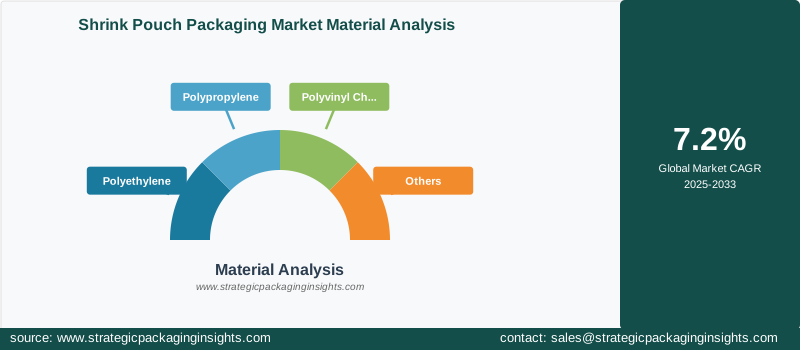
The material segment of the shrink pouch packaging market is primarily dominated by polyethylene, polypropylene, and polyvinyl chloride. Polyethylene is the most widely used material due to its excellent flexibility, durability, and cost-effectiveness. It is extensively used in the food and beverage industry for packaging snacks, beverages, and ready-to-eat meals. Polypropylene, known for its high clarity and resistance to moisture, is gaining traction in the pharmaceutical and personal care sectors. Polyvinyl chloride, although less popular due to environmental concerns, is still used in certain industrial applications where its strength and chemical resistance are required. The demand for eco-friendly materials is driving the development of biodegradable and recyclable alternatives, which are expected to gain significant market share in the coming years.
The market is witnessing a shift towards sustainable materials, driven by increasing environmental awareness and regulatory pressures. Manufacturers are investing in research and development to create innovative materials that offer the same performance characteristics as traditional plastics but with a reduced environmental impact. This trend is expected to continue, with biodegradable and compostable materials gaining prominence in the shrink pouch packaging market. Additionally, advancements in material science are enabling the development of high-performance materials that offer enhanced barrier properties, further expanding the application scope of shrink pouch packaging.
Application Analysis
The application segment of the shrink pouch packaging market is dominated by the food and beverage industry, which accounts for the largest share of the market. The demand for convenient and lightweight packaging solutions is driving the adoption of shrink pouches in this sector. Shrink pouches are widely used for packaging snacks, beverages, and ready-to-eat meals, offering enhanced shelf appeal and extended shelf life. The pharmaceutical industry is also witnessing significant growth in the adoption of shrink pouch packaging, driven by the need for secure and tamper-evident packaging solutions. The personal care and industrial sectors are also contributing to market growth, with shrink pouches being used for packaging a variety of products, including cosmetics, chemicals, and industrial goods.
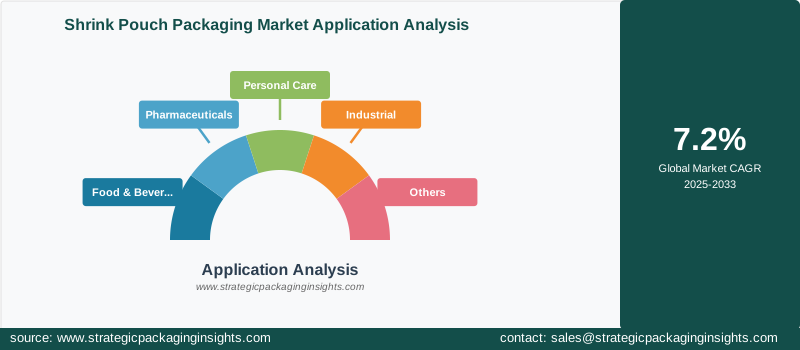
The market is witnessing a trend towards customization and personalization, with manufacturers offering shrink pouches in a variety of shapes, sizes, and designs to meet the specific needs of different applications. This trend is particularly evident in the food and beverage industry, where companies are using customized shrink pouches to enhance brand visibility and consumer engagement. Additionally, advancements in printing technologies are enabling manufacturers to offer high-quality graphics and designs on shrink pouches, further enhancing their appeal. The increasing focus on sustainability is also driving the adoption of eco-friendly shrink pouches in various applications, with companies seeking to reduce their environmental footprint.
End-User Analysis
The end-user segment of the shrink pouch packaging market is categorized into retail, institutional, and industrial sectors. The retail sector is the largest end-user of shrink pouch packaging, driven by the increasing demand for convenient and attractive packaging solutions. Shrink pouches are widely used in supermarkets, hypermarkets, and convenience stores for packaging a variety of products, including food, beverages, and personal care items. The institutional sector, which includes hospitals, schools, and other institutions, is also witnessing significant growth in the adoption of shrink pouch packaging, driven by the need for secure and tamper-evident packaging solutions.
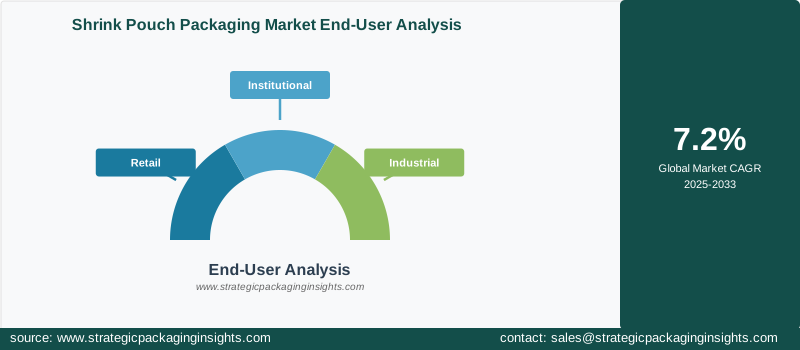
The industrial sector is also contributing to market growth, with shrink pouches being used for packaging a variety of industrial goods, including chemicals, lubricants, and automotive parts. The demand for durable and high-performance packaging solutions is driving the adoption of shrink pouches in this sector. Additionally, the increasing focus on sustainability is driving the adoption of eco-friendly shrink pouches in various end-user sectors, with companies seeking to reduce their environmental footprint. The market is witnessing a trend towards customization and personalization, with manufacturers offering shrink pouches in a variety of shapes, sizes, and designs to meet the specific needs of different end-users.
Region Analysis
The regional analysis of the shrink pouch packaging market reveals significant growth opportunities across various regions. Asia Pacific is expected to witness the highest growth rate during the forecast period, driven by the rapidly expanding food and beverage industry and the increasing adoption of flexible packaging solutions. The region's growing population and rising disposable incomes are also contributing to market growth. North America and Europe are also significant markets for shrink pouch packaging, driven by the presence of major packaging companies and technological advancements in packaging machinery. The increasing focus on sustainability and environmental protection is driving the demand for eco-friendly shrink pouches in these regions.
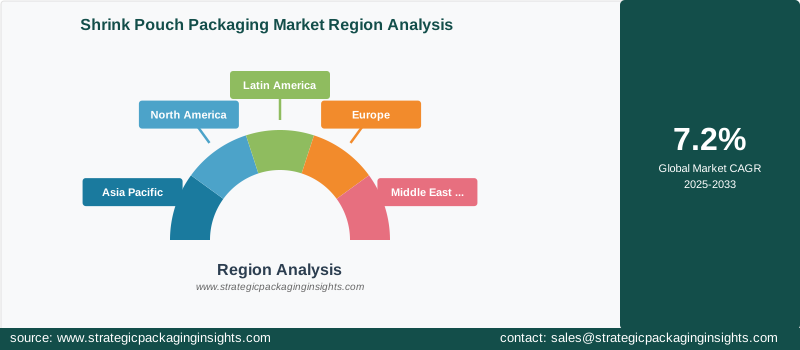
Latin America and the Middle East & Africa are also witnessing significant growth in the shrink pouch packaging market, driven by the increasing demand for convenient and lightweight packaging solutions. The growing food and beverage industry and the increasing adoption of flexible packaging solutions are contributing to market growth in these regions. Additionally, the increasing focus on sustainability and environmental protection is driving the demand for eco-friendly shrink pouches in these regions. The market is witnessing a trend towards customization and personalization, with manufacturers offering shrink pouches in a variety of shapes, sizes, and designs to meet the specific needs of different regions.
Shrink Pouch Packaging Market Segments
The Shrink Pouch Packaging market has been segmented on the basis ofMaterial
- Polyethylene
- Polypropylene
- Polyvinyl Chloride
- Others
Application
- Food & Beverages
- Pharmaceuticals
- Personal Care
- Industrial
- Others
End-User
- Retail
- Institutional
- Industrial
Region
- Asia Pacific
- North America
- Latin America
- Europe
- Middle East & Africa




