


Beverage Carton Packaging Market Outlook
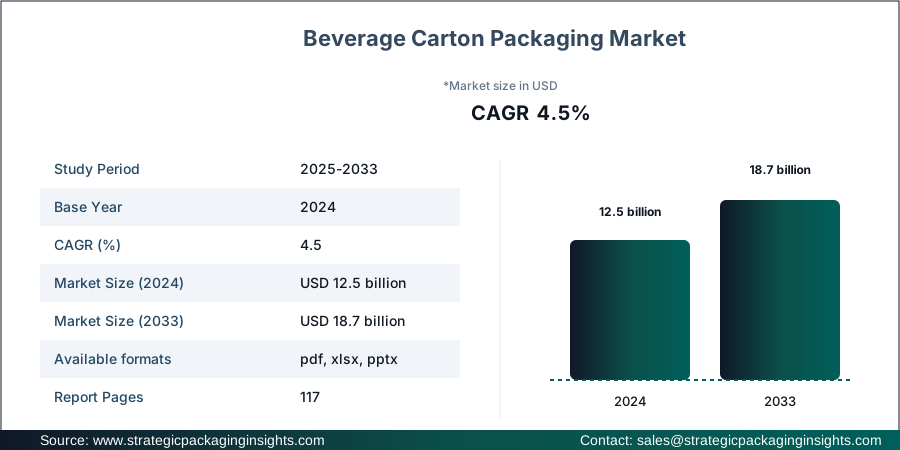
The beverage carton packaging market was valued at $12.5 billion in 2024 and is projected to reach $18.7 billion by 2033, growing at a CAGR of 4.5% during the forecast period 2025-2033. This market is witnessing significant growth due to the increasing demand for sustainable and eco-friendly packaging solutions. The shift towards renewable materials and the rising consumer awareness regarding environmental issues are driving the adoption of beverage carton packaging. Additionally, the convenience and lightweight nature of cartons make them a preferred choice for both manufacturers and consumers, further propelling market growth.
Report Scope
| Attributes | Details |
| Report Title | Beverage Carton Packaging Market Size, Future Growth and Forecast 2033 |
| Material | Paperboard, Polyethylene, Aluminum |
| Type | Brick Cartons, Gable Top Cartons, Shaped Cartons |
| Application | Milk, Juices, Wine & Spirits, Others |
| Base Year | 2024 |
| Historic Period | 2017-2023 |
| Forecast Period | 2025-2033 |
| Number of Pages | 117 |
| Customization Available | Yes* |
Opportunities & Threats
One of the primary opportunities in the beverage carton packaging market is the growing consumer preference for sustainable packaging solutions. As environmental concerns continue to rise, consumers are increasingly opting for products that offer minimal environmental impact. This trend is encouraging manufacturers to innovate and develop cartons made from renewable resources, such as paperboard sourced from sustainably managed forests. Furthermore, advancements in technology are enabling the production of cartons with enhanced barrier properties, which extend the shelf life of beverages and reduce food waste. These innovations present significant growth opportunities for market players looking to capitalize on the demand for eco-friendly packaging.
Another opportunity lies in the expanding beverage industry, particularly in emerging markets. As disposable incomes rise and urbanization accelerates, there is a growing demand for packaged beverages, including juices, milk, and alcoholic drinks. This surge in demand is driving the need for efficient and cost-effective packaging solutions, such as beverage cartons. Additionally, the increasing popularity of on-the-go consumption is boosting the demand for convenient packaging formats, further supporting market growth. Companies that can offer innovative and functional carton designs are well-positioned to capture a larger share of this expanding market.
However, the beverage carton packaging market faces certain threats, primarily from alternative packaging solutions. The growing popularity of plastic and glass packaging, which offer different aesthetic and functional benefits, poses a challenge to carton manufacturers. Additionally, the fluctuating prices of raw materials, such as paperboard and polyethylene, can impact production costs and profit margins. To mitigate these threats, companies need to focus on differentiating their products through innovation and sustainability, ensuring they meet the evolving needs of consumers and regulatory requirements.
Drivers & Challenges
The primary driver of the beverage carton packaging market is the increasing consumer demand for sustainable and environmentally friendly packaging solutions. As awareness of environmental issues grows, consumers are seeking products that minimize their ecological footprint. Beverage cartons, made from renewable resources and offering recyclability, align with these consumer preferences, driving their adoption across various beverage categories. Additionally, the lightweight and convenient nature of cartons make them an attractive option for manufacturers looking to reduce transportation costs and improve supply chain efficiency.
Technological advancements are also driving the growth of the beverage carton packaging market. Innovations in material science and manufacturing processes are enabling the production of cartons with improved barrier properties, which enhance the shelf life of beverages and reduce food waste. Furthermore, the development of smart packaging solutions, such as cartons with QR codes or NFC tags, is enhancing consumer engagement and providing valuable data insights for manufacturers. These technological advancements are creating new opportunities for market players to differentiate their products and meet the evolving needs of consumers.
Despite these drivers, the beverage carton packaging market faces several challenges. One of the main challenges is the competition from alternative packaging materials, such as plastic and glass, which offer different benefits in terms of aesthetics and functionality. Additionally, the fluctuating prices of raw materials, such as paperboard and polyethylene, can impact production costs and profit margins. Regulatory requirements related to packaging waste and recycling also pose challenges for manufacturers, requiring them to invest in sustainable practices and technologies to comply with evolving standards.
Market Share Analysis
The beverage carton packaging market is characterized by a competitive landscape with several key players vying for market share. Companies are focusing on innovation, sustainability, and strategic partnerships to strengthen their position in the market. The competitive environment is driven by the need to meet consumer demands for eco-friendly packaging solutions and to comply with stringent regulatory requirements. As a result, market players are investing in research and development to create advanced packaging solutions that offer enhanced functionality and sustainability.
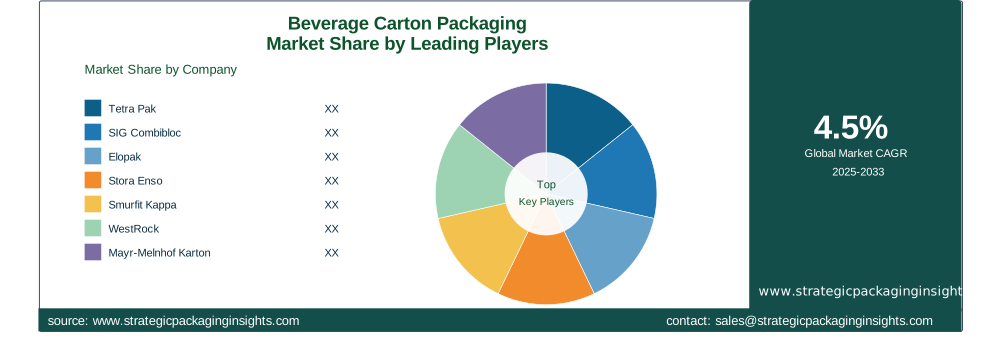
Tetra Pak, a leading player in the beverage carton packaging market, holds a significant market share due to its extensive product portfolio and strong global presence. The company is known for its innovative packaging solutions that prioritize sustainability and consumer convenience. Tetra Pak's commitment to using renewable materials and its focus on reducing carbon emissions have positioned it as a leader in the industry. The company's strategic partnerships with beverage manufacturers further enhance its market position.
Another major player in the market is SIG Combibloc, which offers a wide range of carton packaging solutions for various beverage categories. The company's focus on innovation and sustainability has enabled it to capture a substantial market share. SIG Combibloc's advanced packaging technologies, such as aseptic cartons, provide extended shelf life for beverages, reducing food waste and enhancing consumer satisfaction. The company's strong distribution network and collaborations with leading beverage brands contribute to its competitive advantage.
Elopak is also a prominent player in the beverage carton packaging market, known for its commitment to sustainability and innovation. The company's Pure-Pak cartons are designed to meet the growing demand for eco-friendly packaging solutions. Elopak's focus on renewable materials and its efforts to reduce carbon emissions have strengthened its market position. The company's strategic initiatives, such as partnerships with dairy and juice manufacturers, further support its growth in the market.
Key Highlights
- The beverage carton packaging market is projected to grow at a CAGR of 4.5% from 2025 to 2033.
- Increasing consumer demand for sustainable packaging solutions is driving market growth.
- Technological advancements are enabling the production of cartons with enhanced barrier properties.
- The expanding beverage industry in emerging markets presents significant growth opportunities.
- Competition from alternative packaging materials poses a challenge to market players.
- Fluctuating raw material prices can impact production costs and profit margins.
- Regulatory requirements related to packaging waste and recycling are influencing market dynamics.
Top Countries Insights
In the beverage carton packaging market, the United States holds a significant market share, valued at approximately $3.2 billion, with a CAGR of 3%. The country's focus on sustainability and the increasing demand for eco-friendly packaging solutions are driving market growth. Government initiatives promoting recycling and waste reduction further support the adoption of beverage cartons.
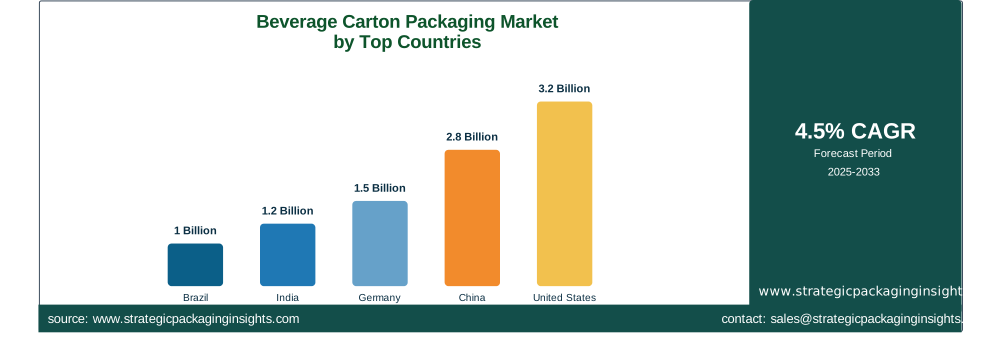
China is another key market, with a market size of $2.8 billion and a CAGR of 6%. The rapid urbanization and rising disposable incomes in the country are fueling the demand for packaged beverages, boosting the need for efficient packaging solutions. The government's emphasis on environmental protection and sustainable practices is also contributing to market growth.
Germany, with a market value of $1.5 billion and a CAGR of 4%, is a prominent player in the European beverage carton packaging market. The country's strong focus on sustainability and recycling initiatives is driving the adoption of eco-friendly packaging solutions. The presence of leading beverage manufacturers further supports market growth.
India, with a market size of $1.2 billion and a CAGR of 7%, is experiencing significant growth in the beverage carton packaging market. The increasing consumption of packaged beverages, driven by urbanization and changing consumer lifestyles, is boosting demand for carton packaging. Government policies promoting sustainable packaging practices are also contributing to market expansion.
Brazil, with a market value of $1 billion and a CAGR of 5%, is a key market in Latin America. The growing demand for packaged beverages, coupled with the country's focus on sustainability, is driving the adoption of beverage cartons. The presence of local beverage manufacturers and the increasing popularity of on-the-go consumption are further supporting market growth.
Beverage Carton Packaging Market Segments Insights

Material Analysis
The material segment of the beverage carton packaging market is primarily dominated by paperboard, which is favored for its renewable nature and recyclability. Paperboard is sourced from sustainably managed forests, aligning with the growing consumer demand for eco-friendly packaging solutions. The use of polyethylene and aluminum as barrier materials enhances the functionality of cartons, providing protection against moisture and oxygen, thereby extending the shelf life of beverages. The increasing focus on sustainability is driving innovations in material composition, with manufacturers exploring bio-based alternatives to traditional materials.
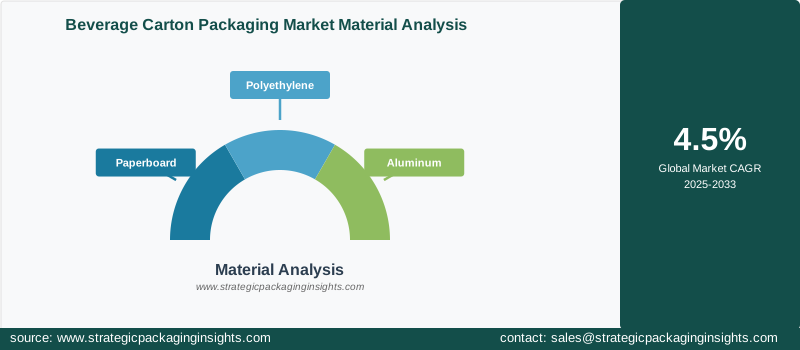
Polyethylene, used as a coating material, plays a crucial role in ensuring the durability and functionality of beverage cartons. It provides a moisture barrier, preventing the ingress of water and maintaining the quality of the packaged beverage. Aluminum, used as a barrier layer, offers excellent protection against light and oxygen, preserving the taste and nutritional value of beverages. The combination of these materials in beverage cartons ensures optimal performance and consumer satisfaction, driving their adoption across various beverage categories.
Type Analysis
The type segment of the beverage carton packaging market includes brick cartons, gable top cartons, and shaped cartons. Brick cartons are widely used for their efficient space utilization and cost-effectiveness. They are particularly popular in the milk and juice segments, where extended shelf life and convenience are key considerations. Gable top cartons, known for their easy pourability and resealability, are favored for fresh beverages such as milk and juices. Their user-friendly design and aesthetic appeal make them a preferred choice for premium beverage brands.
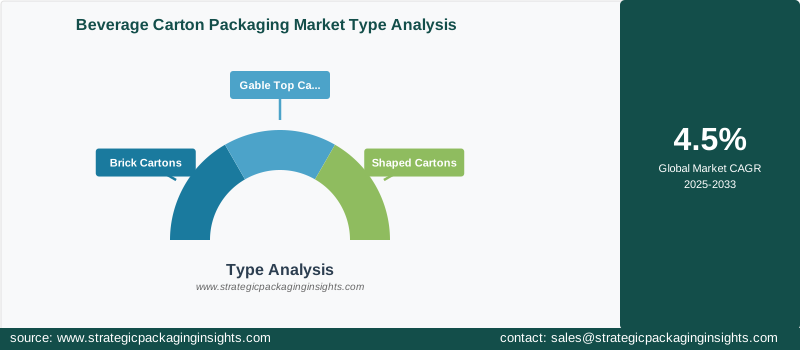
Shaped cartons, offering unique and eye-catching designs, are gaining popularity in the beverage carton packaging market. These cartons provide differentiation on retail shelves, attracting consumer attention and enhancing brand visibility. The ability to customize shapes and sizes allows manufacturers to cater to specific branding and marketing requirements, driving the demand for shaped cartons. The increasing focus on consumer engagement and brand differentiation is expected to boost the adoption of shaped cartons in the coming years.
Application Analysis
The application segment of the beverage carton packaging market is diverse, encompassing milk, juices, wine & spirits, and other beverages. The milk segment is a major contributor to market growth, driven by the increasing consumption of packaged dairy products. Beverage cartons offer an ideal packaging solution for milk, providing protection against light and oxygen, thereby extending shelf life and maintaining product quality. The convenience and portability of cartons make them a preferred choice for consumers seeking on-the-go dairy options.
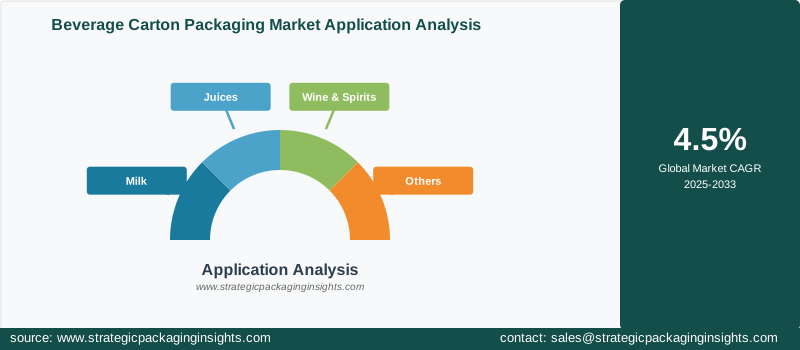
The juice segment is also witnessing significant growth, fueled by the rising demand for healthy and natural beverages. Beverage cartons, with their ability to preserve the freshness and nutritional value of juices, are gaining traction in this segment. The wine & spirits segment is exploring the use of cartons as an alternative to traditional glass packaging, driven by the need for lightweight and cost-effective solutions. The versatility and sustainability of beverage cartons make them an attractive option for various beverage applications, supporting market expansion.
Regional Analysis
The beverage carton packaging market is witnessing significant growth across various regions, driven by the increasing demand for sustainable packaging solutions. In North America, the market is characterized by a strong focus on sustainability and recycling initiatives, with consumers and manufacturers prioritizing eco-friendly packaging options. The presence of leading beverage manufacturers and the growing popularity of on-the-go consumption are further supporting market growth in this region.
In Europe, the beverage carton packaging market is driven by stringent regulatory requirements related to packaging waste and recycling. The region's commitment to sustainability and environmental protection is encouraging the adoption of beverage cartons. The presence of established beverage brands and the increasing demand for premium packaging solutions are contributing to market expansion. In the Asia Pacific region, rapid urbanization and rising disposable incomes are fueling the demand for packaged beverages, driving the need for efficient and cost-effective packaging solutions.
Beverage Carton Packaging Market Segments
The Beverage Carton Packaging market has been segmented on the basis ofMaterial
- Paperboard
- Polyethylene
- Aluminum
Type
- Brick Cartons
- Gable Top Cartons
- Shaped Cartons
Application
- Milk
- Juices
- Wine & Spirits
- Others




