


Food-Grade Paper Packaging Market Outlook
The food-grade paper packaging market was valued at $45 billion in 2024 and is projected to reach $75 billion by 2033, growing at a CAGR of 5.5% during the forecast period 2025-2033. This growth trajectory is driven by increasing consumer demand for sustainable and eco-friendly packaging solutions, as well as stringent regulations on plastic usage. The market is witnessing a shift towards biodegradable and recyclable materials, with food-grade paper packaging emerging as a preferred choice among manufacturers and consumers alike. The rising awareness about environmental issues and the need for sustainable packaging solutions are key factors propelling the market forward. Additionally, advancements in packaging technology and the development of innovative paper-based solutions are expected to further boost market growth.
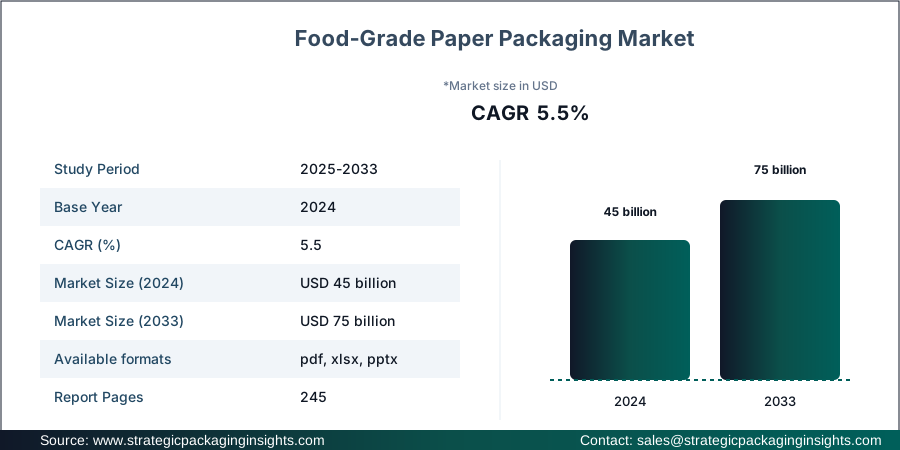
Report Scope
| Attributes | Details |
| Report Title | Food-Grade Paper Packaging Market Size, Future Growth and Forecast 2033 |
| Material Type | Kraft Paper, Greaseproof Paper |
| Application | Bakery & Confectionery, Dairy Products |
| Packaging Type | Bags, Boxes |
| End-User | Food Service, Retail |
| Base Year | 2024 |
| Historic Period | 2017-2023 |
| Forecast Period | 2025-2033 |
| Number of Pages | 245 |
| Customization Available | Yes* |
Opportunities & Threats
The food-grade paper packaging market presents significant opportunities for growth, primarily driven by the increasing consumer preference for sustainable packaging solutions. As environmental concerns continue to rise, consumers are becoming more conscious of the impact of packaging waste on the environment. This has led to a growing demand for eco-friendly packaging options, such as food-grade paper packaging, which is biodegradable and recyclable. Companies that invest in sustainable packaging solutions are likely to gain a competitive edge in the market. Furthermore, the rise of e-commerce and online food delivery services has created a surge in demand for convenient and sustainable packaging solutions, providing further growth opportunities for the food-grade paper packaging market.
Another opportunity lies in the development of innovative packaging solutions that enhance the functionality and appeal of food-grade paper packaging. Manufacturers are focusing on improving the barrier properties of paper packaging to extend the shelf life of food products and protect them from external contaminants. The integration of smart packaging technologies, such as QR codes and RFID tags, can also enhance the consumer experience by providing information about the product's origin, nutritional content, and expiration date. These advancements in packaging technology are expected to drive the adoption of food-grade paper packaging across various end-use industries, including food service, retail, and industrial sectors.
Despite the numerous opportunities, the food-grade paper packaging market faces certain challenges that could hinder its growth. One of the primary restrainers is the high cost of raw materials used in the production of food-grade paper packaging. The price volatility of pulp and paper, coupled with the increasing demand for sustainable materials, can lead to higher production costs, which may be passed on to consumers. Additionally, the lack of infrastructure for recycling paper packaging in certain regions can pose a challenge to the widespread adoption of food-grade paper packaging. Companies need to address these challenges by investing in cost-effective production processes and collaborating with governments and organizations to improve recycling infrastructure.
Drivers & Challenges
The food-grade paper packaging market is primarily driven by the growing consumer awareness of environmental issues and the need for sustainable packaging solutions. As consumers become more environmentally conscious, there is a rising demand for packaging materials that are biodegradable, recyclable, and have a lower carbon footprint. Food-grade paper packaging meets these criteria, making it an attractive option for both manufacturers and consumers. Additionally, government regulations aimed at reducing plastic waste and promoting sustainable packaging solutions are further driving the adoption of food-grade paper packaging. These regulations are encouraging companies to shift towards eco-friendly packaging materials, thereby boosting market growth.
Another significant driver of the food-grade paper packaging market is the increasing demand for convenience and ready-to-eat food products. With the rise of urbanization and busy lifestyles, consumers are seeking packaging solutions that offer convenience and ease of use. Food-grade paper packaging provides a lightweight, portable, and easy-to-dispose option for packaging various food products, making it a preferred choice among consumers. The growing popularity of online food delivery services and e-commerce platforms is also contributing to the demand for food-grade paper packaging, as these services require packaging solutions that are both functional and sustainable.
However, the food-grade paper packaging market faces several challenges that could impact its growth. One of the main challenges is the competition from alternative packaging materials, such as plastic and metal, which offer superior barrier properties and durability. While food-grade paper packaging is gaining popularity due to its sustainability, it may not always provide the same level of protection and shelf life as other materials. Additionally, the high cost of production and the need for specialized equipment for manufacturing food-grade paper packaging can pose a barrier to entry for new players in the market. Companies need to focus on innovation and cost-effective production methods to overcome these challenges and maintain their competitive edge.
Food-Grade Paper Packaging Strategic Outlook
| Trend | Market Driver | Technological/Material Shift | Business Impact |
|---|---|---|---|
| Sustainability | Consumer Demand for Eco-Friendly Packaging | Biodegradable Materials | Increased Market Share |
| Smart Tech | Integration of QR Codes and RFID Tags | Smart Packaging Solutions | Enhanced Consumer Engagement |
| Consumer Behavior | Shift Towards Convenience Foods | Lightweight and Portable Packaging | Higher Sales Volume |
| Logistics | Growth of E-commerce and Food Delivery | Efficient Packaging Solutions | Expanded Distribution Channels |
The food-grade paper packaging market is poised for significant growth over the forecast period, driven by the increasing demand for sustainable and eco-friendly packaging solutions. As of 2026, the market is valued at approximately $50 billion, with a steady growth trajectory expected due to the rising consumer awareness of environmental issues and the need for sustainable packaging. The primary disruptor in this niche is the stringent regulations on plastic usage, which are pushing companies to adopt alternative packaging materials such as food-grade paper. To maintain market share by 2033, brands should focus on innovation and the development of cost-effective, sustainable packaging solutions that meet consumer demands for convenience and functionality. Embracing smart packaging technologies and enhancing the barrier properties of paper packaging will be crucial for companies to stay competitive in this evolving market landscape.
Market Share Analysis
The competitive landscape of the food-grade paper packaging market is characterized by the presence of several key players who are actively investing in research and development to enhance their product offerings and gain a competitive edge. The market is highly fragmented, with numerous regional and global players competing for market share. Companies are focusing on expanding their product portfolios and improving the functionality and sustainability of their packaging solutions to cater to the growing demand for eco-friendly packaging. Strategic partnerships, mergers, and acquisitions are common strategies adopted by market players to strengthen their market position and expand their geographical presence.
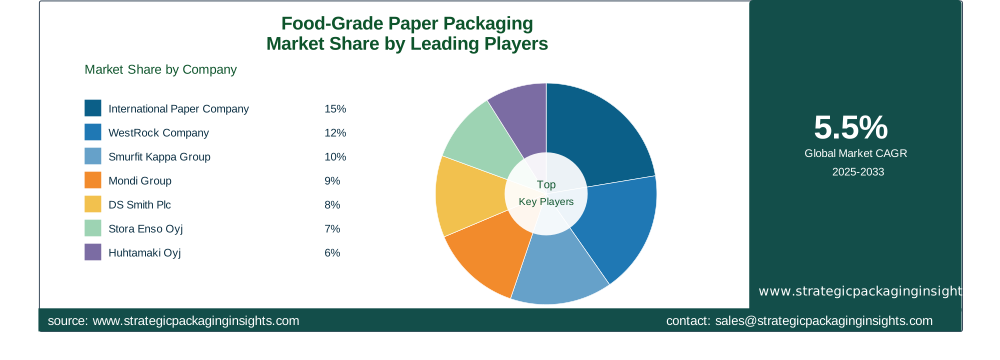
Among the major players in the food-grade paper packaging market, International Paper Company holds a significant market share due to its extensive product portfolio and strong distribution network. The company is known for its innovative packaging solutions that cater to various end-use industries, including food service, retail, and industrial sectors. Another key player, WestRock Company, is recognized for its commitment to sustainability and its focus on developing eco-friendly packaging solutions. The company's strategic acquisitions and partnerships have enabled it to expand its market presence and enhance its product offerings.
Smurfit Kappa Group is another prominent player in the food-grade paper packaging market, known for its innovative and sustainable packaging solutions. The company has a strong focus on research and development, which has enabled it to introduce new and improved packaging solutions that meet the evolving needs of consumers. Mondi Group, with its extensive product portfolio and strong focus on sustainability, is also a key player in the market. The company's commitment to reducing its environmental impact and its focus on developing innovative packaging solutions have contributed to its strong market position.
Other notable players in the food-grade paper packaging market include DS Smith Plc, Stora Enso Oyj, and Huhtamaki Oyj. These companies are actively investing in research and development to enhance their product offerings and cater to the growing demand for sustainable packaging solutions. The competitive landscape of the market is expected to remain dynamic, with companies focusing on innovation and strategic partnerships to maintain their competitive edge and expand their market presence.
Key Highlights
- Increasing consumer demand for sustainable and eco-friendly packaging solutions is driving market growth.
- Advancements in packaging technology are enhancing the functionality and appeal of food-grade paper packaging.
- Government regulations aimed at reducing plastic waste are encouraging the adoption of food-grade paper packaging.
- The rise of e-commerce and online food delivery services is boosting demand for convenient packaging solutions.
- High production costs and price volatility of raw materials pose challenges to market growth.
- Integration of smart packaging technologies is enhancing consumer engagement and product traceability.
- Strategic partnerships and mergers are common strategies adopted by market players to strengthen their market position.
Top Countries Insights
In the food-grade paper packaging market, the United States holds a significant market share, valued at approximately $12 billion, with a CAGR of 6%. The country's strong focus on sustainability and the presence of major market players contribute to its market dominance. Government regulations promoting eco-friendly packaging solutions and the growing demand for convenience foods are key growth drivers in the U.S. market.
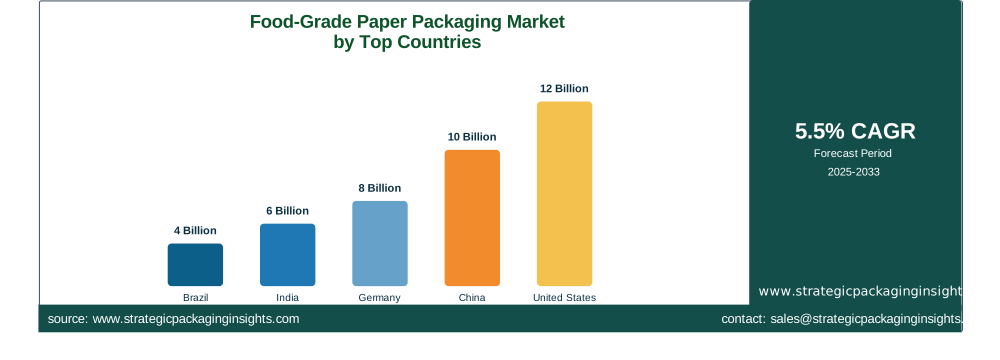
China is another major player in the food-grade paper packaging market, with a market value of around $10 billion and a CAGR of 8%. The country's large population and increasing consumer awareness of environmental issues are driving the demand for sustainable packaging solutions. The Chinese government's initiatives to reduce plastic waste and promote eco-friendly packaging are further boosting market growth.
Germany, with a market value of $8 billion and a CAGR of 5%, is a key player in the European food-grade paper packaging market. The country's strong focus on sustainability and innovation in packaging technology are driving market growth. The presence of major market players and government regulations promoting eco-friendly packaging solutions are key growth drivers in the German market.
India, with a market value of $6 billion and a CAGR of 9%, is experiencing rapid growth in the food-grade paper packaging market. The country's large population and increasing demand for convenience foods are driving the demand for sustainable packaging solutions. Government initiatives to promote eco-friendly packaging and reduce plastic waste are further boosting market growth in India.
Brazil, with a market value of $4 billion and a CAGR of 7%, is a key player in the Latin American food-grade paper packaging market. The country's growing consumer awareness of environmental issues and the demand for sustainable packaging solutions are driving market growth. Government regulations promoting eco-friendly packaging and the presence of major market players are key growth drivers in the Brazilian market.
Food-Grade Paper Packaging Market Segments Insights

Material Type Analysis
The material type segment of the food-grade paper packaging market is dominated by kraft paper, which is widely used due to its strength and durability. Kraft paper is preferred for packaging applications that require high tear resistance and protection against external contaminants. The growing demand for sustainable and biodegradable packaging solutions is driving the adoption of kraft paper in the food-grade paper packaging market. Additionally, advancements in manufacturing processes have improved the barrier properties of kraft paper, making it suitable for a wide range of food packaging applications.
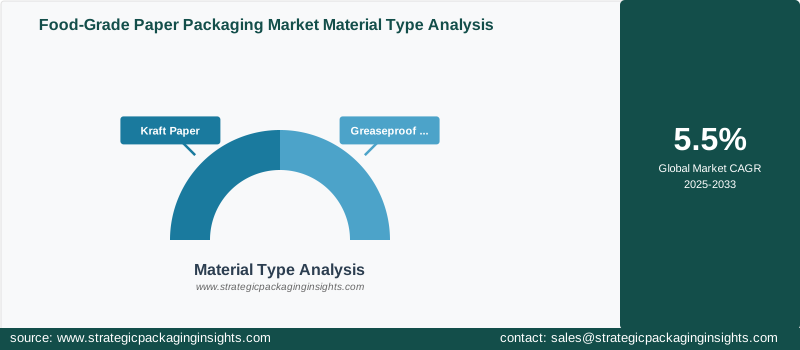
Greaseproof paper is another important material type in the food-grade paper packaging market, known for its ability to resist grease and moisture. This makes it ideal for packaging oily and greasy food products, such as baked goods and fast food. The increasing demand for convenience foods and ready-to-eat meals is driving the adoption of greaseproof paper in the food-grade paper packaging market. Manufacturers are focusing on enhancing the barrier properties of greaseproof paper to extend the shelf life of food products and improve their appeal to consumers.
Application Analysis
The application segment of the food-grade paper packaging market is led by the bakery and confectionery sector, which accounts for a significant share of the market. The growing demand for baked goods and confectionery products, coupled with the need for sustainable packaging solutions, is driving the adoption of food-grade paper packaging in this sector. Manufacturers are focusing on developing innovative packaging solutions that enhance the appeal and functionality of bakery and confectionery products, such as windowed boxes and custom-printed packaging.
The dairy products segment is another key application area for food-grade paper packaging, driven by the increasing demand for sustainable and eco-friendly packaging solutions. The need for packaging materials that provide protection against moisture and external contaminants is driving the adoption of food-grade paper packaging in the dairy products sector. Manufacturers are focusing on developing packaging solutions that enhance the shelf life and appeal of dairy products, such as milk cartons and yogurt cups.
Packaging Type Analysis
The packaging type segment of the food-grade paper packaging market is dominated by bags, which are widely used for packaging a variety of food products, including snacks, cereals, and bakery items. The growing demand for convenient and portable packaging solutions is driving the adoption of bags in the food-grade paper packaging market. Manufacturers are focusing on developing innovative bag designs that enhance the functionality and appeal of food products, such as resealable bags and stand-up pouches.
Boxes are another important packaging type in the food-grade paper packaging market, known for their ability to provide protection and support for a wide range of food products. The increasing demand for sustainable and eco-friendly packaging solutions is driving the adoption of boxes in the food-grade paper packaging market. Manufacturers are focusing on developing innovative box designs that enhance the appeal and functionality of food products, such as custom-printed boxes and windowed boxes.
End-User Analysis
The end-user segment of the food-grade paper packaging market is led by the food service sector, which accounts for a significant share of the market. The growing demand for convenient and sustainable packaging solutions in the food service sector is driving the adoption of food-grade paper packaging. Manufacturers are focusing on developing innovative packaging solutions that enhance the functionality and appeal of food service products, such as take-out containers and disposable plates.
The retail sector is another key end-user of food-grade paper packaging, driven by the increasing demand for sustainable and eco-friendly packaging solutions. The need for packaging materials that provide protection and enhance the appeal of food products is driving the adoption of food-grade paper packaging in the retail sector. Manufacturers are focusing on developing packaging solutions that enhance the shelf life and appeal of retail food products, such as custom-printed packaging and windowed boxes.
Food-Grade Paper Packaging Market Segments
The Food-Grade Paper Packaging market has been segmented on the basis ofMaterial Type
- Kraft Paper
- Greaseproof Paper
Application
- Bakery & Confectionery
- Dairy Products
Packaging Type
- Bags
- Boxes
End-User
- Food Service
- Retail




