


Senior-Friendly Flexible Packaging Market Outlook
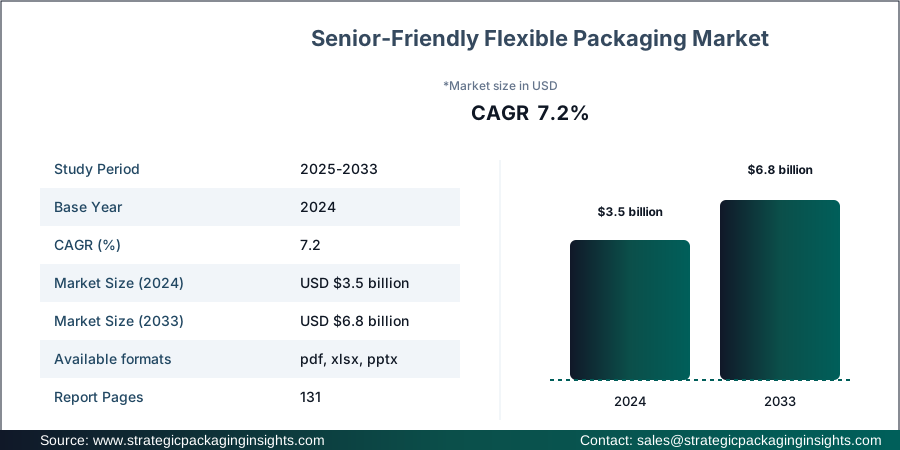
The Senior-Friendly Flexible Packaging market was valued at $3.5 billion in 2024 and is projected to reach $6.8 billion by 2033, growing at a CAGR of 7.2% during the forecast period 2025-2033. This market is driven by the increasing aging population worldwide, which demands packaging solutions that are easy to open and handle. The rise in chronic diseases among seniors has also led to a surge in demand for pharmaceuticals, further boosting the need for senior-friendly packaging. Additionally, technological advancements in packaging materials and designs are enhancing the usability and accessibility of these products, making them more appealing to the elderly demographic. The market is also witnessing a shift towards sustainable and eco-friendly packaging solutions, aligning with global environmental goals and consumer preferences.
However, the market faces challenges such as high production costs and stringent regulatory requirements. The need for specialized materials and designs to cater to senior needs often results in increased manufacturing expenses. Moreover, compliance with health and safety standards, particularly in the pharmaceutical and food sectors, adds to the complexity and cost of production. Despite these challenges, the market holds significant growth potential, driven by innovations in material science and design, as well as increasing awareness and demand for senior-friendly products. Companies are investing in research and development to create cost-effective solutions that meet regulatory standards while providing ease of use for seniors.
Report Scope
| Attributes | Details |
| Report Title | Senior-Friendly Flexible Packaging Market Size, Future Growth and Forecast 2033 |
| Material | Plastic, Paper, Aluminum |
| Application | Pharmaceuticals, Food & Beverage, Personal Care, Household Products |
| Packaging Type | Pouches, Bags, Wraps, Others |
| Region | Asia Pacific, North America, Latin America, Europe, Middle East & Africa |
| Base Year | 2024 |
| Historic Period | 2017-2023 |
| Forecast Period | 2025-2033 |
| Number of Pages | 131 |
| Customization Available | Yes* |
Opportunities & Threats
The Senior-Friendly Flexible Packaging market presents numerous opportunities, primarily driven by the growing elderly population globally. As life expectancy increases, there is a rising demand for packaging solutions that cater to the unique needs of seniors, such as easy-open features and ergonomic designs. This demographic shift is prompting manufacturers to innovate and develop packaging that enhances accessibility and convenience for older adults. Additionally, the increasing prevalence of chronic diseases among seniors is boosting the demand for pharmaceuticals, thereby driving the need for senior-friendly packaging solutions in the healthcare sector. Companies that can effectively address these needs stand to gain a competitive advantage in the market.
Another significant opportunity lies in the trend towards sustainability and eco-friendliness. Consumers, including seniors, are becoming more environmentally conscious, leading to a demand for packaging solutions that are not only user-friendly but also sustainable. This trend is encouraging manufacturers to explore biodegradable and recyclable materials, as well as innovative designs that reduce waste and environmental impact. By aligning with these consumer preferences, companies can enhance their brand image and capture a larger market share. Furthermore, advancements in technology are enabling the development of smart packaging solutions that offer additional benefits, such as improved product safety and extended shelf life, further expanding the market potential.
Despite the promising opportunities, the market faces certain threats that could hinder its growth. One of the primary challenges is the high cost associated with developing and producing senior-friendly packaging solutions. The need for specialized materials and designs often results in increased production costs, which can be a barrier for small and medium-sized enterprises. Additionally, the market is subject to stringent regulatory requirements, particularly in the pharmaceutical and food sectors, which can complicate the production process and increase compliance costs. Companies must navigate these challenges carefully to succeed in the market.
Market Share Analysis
The competitive landscape of the Senior-Friendly Flexible Packaging market is characterized by the presence of several key players who are actively engaged in product innovation and strategic partnerships to enhance their market position. The market is moderately fragmented, with a mix of established companies and emerging players. Leading companies are focusing on expanding their product portfolios and investing in research and development to create innovative packaging solutions that cater to the needs of the elderly population. Additionally, strategic collaborations and mergers and acquisitions are common strategies adopted by companies to strengthen their market presence and expand their geographical reach.
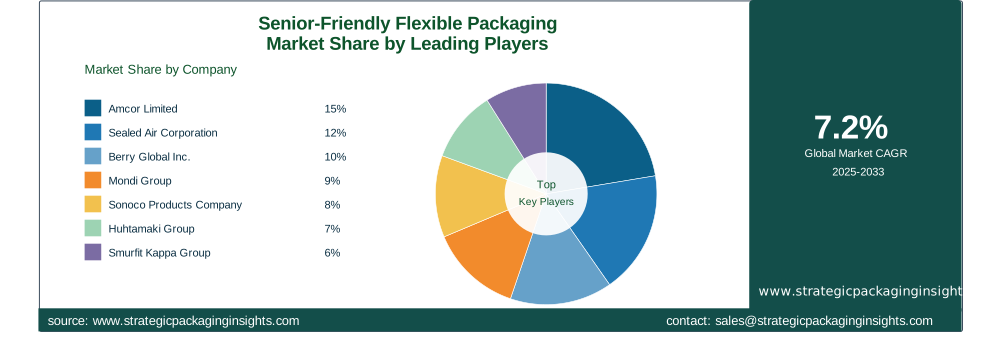
Among the major players in the market, Amcor Limited holds a significant market share, leveraging its extensive experience and expertise in flexible packaging solutions. The company is known for its innovative approach to packaging design and its commitment to sustainability, which has helped it maintain a strong position in the market. Similarly, Sealed Air Corporation is another key player, renowned for its advanced packaging technologies and focus on enhancing product safety and usability. The company's emphasis on research and development has enabled it to introduce several senior-friendly packaging solutions that have been well-received in the market.
Berry Global Inc. is also a prominent player in the market, offering a wide range of flexible packaging solutions that cater to various industries, including healthcare and food and beverage. The company's focus on sustainability and innovation has helped it capture a significant share of the market. Other notable players include Mondi Group, Sonoco Products Company, and Huhtamaki Group, all of which are actively investing in product development and strategic partnerships to enhance their market position. These companies are leveraging their global presence and extensive distribution networks to reach a wider customer base and capitalize on the growing demand for senior-friendly packaging solutions.
In addition to these established players, several emerging companies are making their mark in the market by offering innovative and cost-effective packaging solutions. These companies are focusing on niche segments and leveraging advanced technologies to differentiate themselves from the competition. As the market continues to evolve, the competitive landscape is expected to become more dynamic, with companies striving to gain a competitive edge through innovation and strategic collaborations.
Key Highlights
- The market is projected to grow at a CAGR of 7.2% from 2025 to 2033.
- Increasing aging population is a major driver for the market.
- Technological advancements are enhancing packaging usability and accessibility.
- Sustainability and eco-friendliness are key trends in the market.
- High production costs and regulatory requirements are major challenges.
- Amcor Limited, Sealed Air Corporation, and Berry Global Inc. are leading players.
- Strategic partnerships and mergers are common strategies among companies.
- Emerging players are focusing on niche segments and advanced technologies.
- Smart packaging solutions are gaining traction in the market.
- Pharmaceuticals and food & beverage are key application areas.
Top Countries Insights
In the Senior-Friendly Flexible Packaging market, the United States holds a significant position, with a market size of $1.2 billion and a CAGR of 6%. The country's large aging population and advanced healthcare infrastructure are key growth drivers. Additionally, the presence of major packaging companies and a strong focus on innovation contribute to the market's expansion. However, regulatory challenges and high production costs remain concerns for manufacturers.
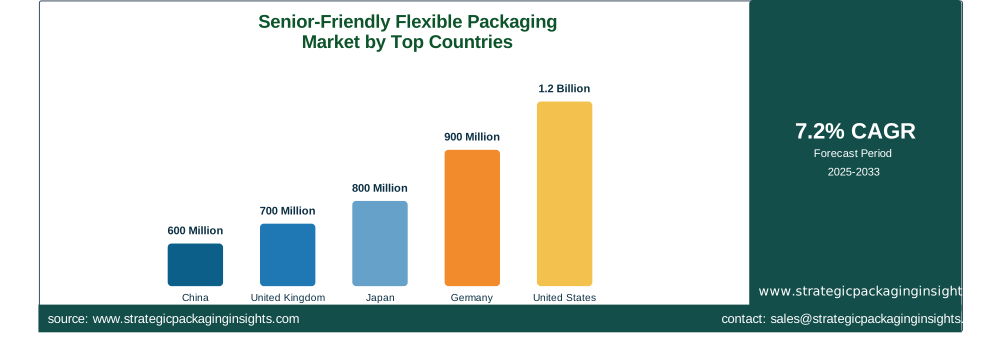
Germany is another prominent market, valued at $900 million with a CAGR of 5%. The country's robust manufacturing sector and emphasis on sustainability drive demand for senior-friendly packaging solutions. Government initiatives promoting eco-friendly practices further support market growth. However, the market faces challenges related to stringent regulations and high production costs.
Japan, with a market size of $800 million and a CAGR of 4%, is a key player in the Asia Pacific region. The country's rapidly aging population and strong focus on healthcare drive demand for senior-friendly packaging. Technological advancements and innovation in packaging design are also contributing to market growth. However, economic challenges and regulatory complexities pose potential obstacles.
The United Kingdom, valued at $700 million with a CAGR of 3%, is a significant market in Europe. The country's aging population and increasing demand for pharmaceuticals are key growth drivers. Additionally, the focus on sustainability and eco-friendly packaging solutions aligns with consumer preferences. However, economic uncertainties and regulatory challenges may impact market growth.
China, with a market size of $600 million and a CAGR of 7%, is a rapidly growing market in the Asia Pacific region. The country's large population and increasing healthcare needs drive demand for senior-friendly packaging. Government initiatives promoting innovation and sustainability further support market growth. However, challenges related to regulatory compliance and production costs remain.
Evolving Market Dynamics (2018-2024) and Strategic Foresight (2025-2033)
| Metrics | 2018-2024 | 2025-2033 |
|---|---|---|
| CAGR | 5.5% | 7.2% |
| Market Size Evolution | $2.8 billion to $3.5 billion | $3.5 billion to $6.8 billion |
| Segment Distribution Shifts | Pharmaceuticals and Food & Beverage leading | Increased focus on Personal Care and Household Products |
| Regional Contribution Changes | North America and Europe dominant | Asia Pacific gaining significant share |
| Technological Impact Factors | Basic usability improvements | Advanced smart packaging solutions |
| Client Demand Transformations | Focus on accessibility | Emphasis on sustainability and eco-friendliness |
Senior-Friendly Flexible Packaging Market Segments Insights

Material Analysis
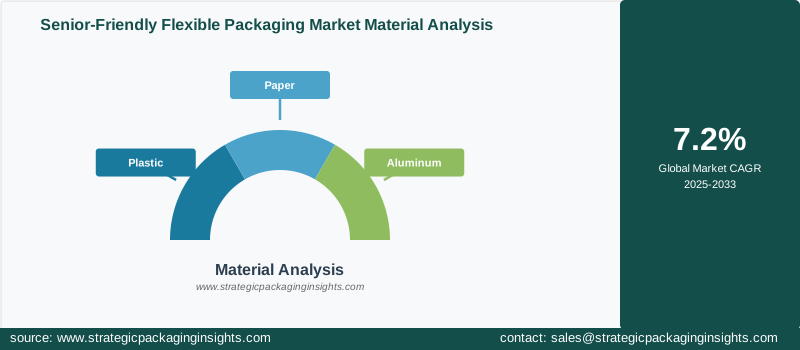
The material segment of the Senior-Friendly Flexible Packaging market is primarily dominated by plastics, paper, and aluminum. Plastics hold a significant share due to their versatility, durability, and cost-effectiveness. They are widely used in various applications, including pharmaceuticals and food packaging, where ease of use and protection are critical. However, the environmental impact of plastics is a growing concern, prompting manufacturers to explore sustainable alternatives. Paper-based packaging is gaining traction as an eco-friendly option, offering biodegradability and recyclability. Aluminum, known for its barrier properties and lightweight nature, is also a popular choice, particularly in the food and beverage sector. The demand for sustainable materials is driving innovation in this segment, with companies investing in research and development to create eco-friendly solutions that meet regulatory standards and consumer preferences.
In recent years, there has been a significant shift towards sustainable materials in the packaging industry. This trend is particularly evident in the senior-friendly flexible packaging market, where consumers are increasingly demanding eco-friendly options. Companies are responding by developing biodegradable and recyclable materials that offer the same level of protection and usability as traditional materials. This shift is not only driven by consumer preferences but also by regulatory requirements and environmental concerns. As a result, the material segment is expected to witness significant growth, with sustainable materials playing a crucial role in shaping the future of the market.
Application Analysis
The application segment of the Senior-Friendly Flexible Packaging market is diverse, encompassing pharmaceuticals, food and beverage, personal care, and household products. Pharmaceuticals represent a significant portion of the market, driven by the increasing demand for medications among the aging population. Senior-friendly packaging solutions in this sector focus on ease of use, safety, and compliance with regulatory standards. The food and beverage industry is another major application area, with a growing demand for packaging solutions that offer convenience and accessibility for seniors. This includes easy-open features and portion control, which are particularly important for older adults.
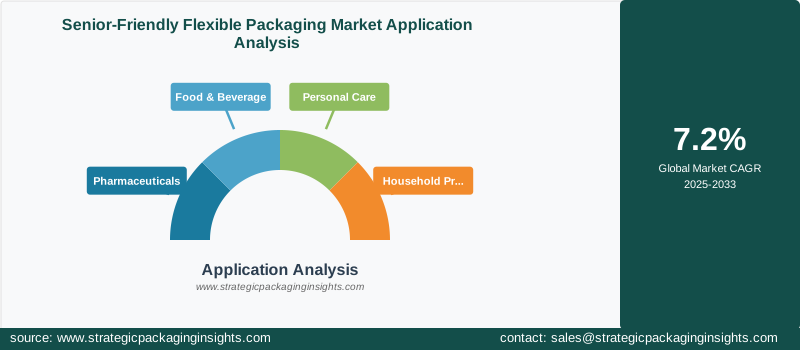
Personal care and household products are also gaining traction in the senior-friendly flexible packaging market. As the aging population becomes more health-conscious, there is an increasing demand for packaging solutions that offer convenience and ease of use. This includes packaging for products such as skincare, haircare, and cleaning supplies. Companies are focusing on developing innovative packaging designs that cater to the unique needs of seniors, such as ergonomic shapes and easy-to-open features. The application segment is expected to witness significant growth, driven by the increasing demand for senior-friendly packaging solutions across various industries.
Packaging Type Analysis
The packaging type segment of the Senior-Friendly Flexible Packaging market includes pouches, bags, wraps, and others. Pouches are a popular choice due to their versatility and convenience, offering easy-open features and portion control. They are widely used in the food and beverage industry, where convenience and accessibility are key considerations for seniors. Bags are another common packaging type, offering durability and ease of use. They are often used for packaging household products and personal care items, where protection and usability are important.
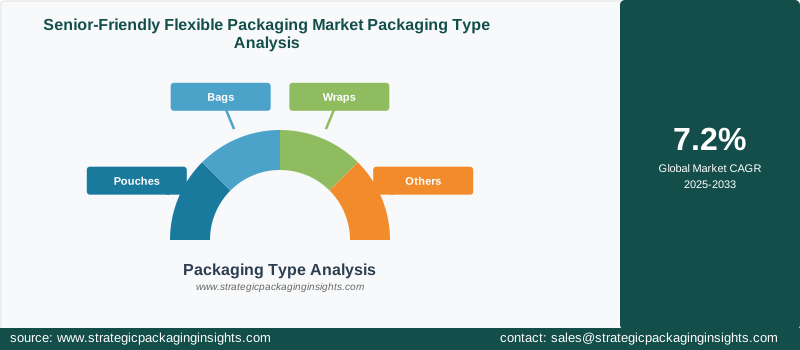
Wraps are also gaining popularity in the senior-friendly flexible packaging market, offering a convenient and easy-to-use solution for various products. They are particularly popular in the food industry, where they provide protection and convenience for seniors. Other packaging types, such as blister packs and cartons, are also used in the market, offering unique features and benefits. The packaging type segment is expected to witness significant growth, driven by the increasing demand for convenient and accessible packaging solutions for seniors.
Region Analysis
The regional analysis of the Senior-Friendly Flexible Packaging market reveals significant growth opportunities across various regions. North America and Europe are currently the dominant markets, driven by the large aging population and advanced healthcare infrastructure. These regions are characterized by a strong focus on innovation and sustainability, with companies investing in research and development to create senior-friendly packaging solutions that meet regulatory standards and consumer preferences.
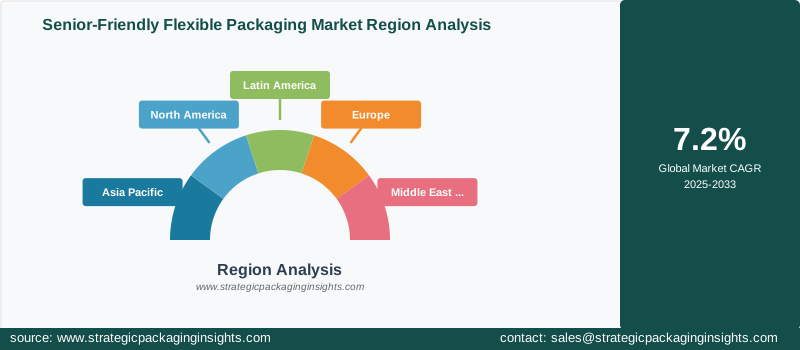
Asia Pacific is emerging as a key growth region, driven by the rapidly aging population and increasing demand for healthcare products. The region is characterized by a strong focus on innovation and sustainability, with companies investing in research and development to create senior-friendly packaging solutions that meet regulatory standards and consumer preferences. Latin America and the Middle East & Africa are also witnessing significant growth, driven by the increasing demand for senior-friendly packaging solutions and the growing awareness of the benefits of these products. The regional analysis highlights the diverse opportunities and challenges in the senior-friendly flexible packaging market, with companies focusing on innovation and sustainability to capture a larger market share.
Senior-Friendly Flexible Packaging Market Segments
The Senior-Friendly Flexible Packaging market has been segmented on the basis ofMaterial
- Plastic
- Paper
- Aluminum
Application
- Pharmaceuticals
- Food & Beverage
- Personal Care
- Household Products
Packaging Type
- Pouches
- Bags
- Wraps
- Others
Region
- Asia Pacific
- North America
- Latin America
- Europe
- Middle East & Africa




