


Formable Film Market Outlook
The Formable Film market was valued at $1.46 billion in 2025 and is projected to reach $2.38 billion by 2034, growing at a CAGR of 5.6% during the forecast period 2026-2034. This market is witnessing significant growth due to the increasing demand for flexible packaging solutions across various industries. The versatility of formable films in terms of material types such as PVC, PET, PP, and PE, along with multilayer films, is driving their adoption in diverse applications. The market is also benefiting from advancements in film technology, which enhance the barrier properties and extend the shelf life of packaged products. The growing consumer preference for convenient and sustainable packaging solutions is further propelling the market growth.
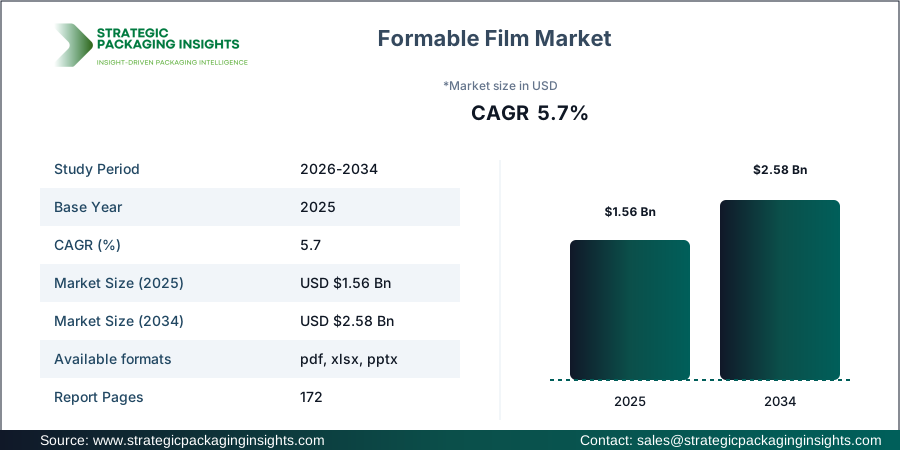
However, the market faces certain challenges, including stringent regulatory requirements related to packaging materials, which can impact the production and usage of formable films. Additionally, the fluctuating prices of raw materials pose a significant restraint to market growth. Despite these challenges, the market holds immense potential for growth, driven by the increasing demand for innovative packaging solutions in emerging economies. The rise in e-commerce and the need for efficient packaging to ensure product safety during transit are also contributing to the market expansion. As companies continue to invest in research and development to enhance the properties of formable films, the market is expected to witness substantial growth opportunities in the coming years.
Report Scope
| Attributes | Details |
| Report Title | Formable Film Market Size, Future Growth and Forecast 2034 |
| By Material Type | PVC, PET, PP, PE, Multilayer Films, Others |
| By Film Type | Rigid Films, Semi-Rigid Films, Barrier Films |
| By Application | Thermoforming Films, Blister Packs, Trays, Skin Packaging, Clamshell Packaging, Others |
| By End Use | Food, Pharmaceuticals, Medical Devices, Consumer Goods, Industrial, Others |
| Region | Asia Pacific, North America, Latin America, Europe, Middle East & Africa |
| Base Year | 2025 |
| Historic Period | 2018-2024 |
| Forecast Period | 2026-2034 |
| Number of Pages | 173 |
| Customization Available | Yes* |
Opportunities & Threats
The Formable Film market presents numerous opportunities, particularly in the realm of sustainable packaging solutions. With increasing environmental concerns and regulatory pressures, there is a growing demand for eco-friendly packaging materials. Formable films, being lightweight and recyclable, offer a viable solution to reduce the carbon footprint of packaging. Companies are investing in the development of biodegradable and compostable films, which are expected to gain traction in the market. Moreover, the rise in consumer awareness regarding sustainable packaging is driving the demand for formable films in various applications, including food, pharmaceuticals, and consumer goods.
Another significant opportunity lies in the expansion of the e-commerce sector. The surge in online shopping has led to an increased demand for protective packaging solutions that ensure the safe delivery of products. Formable films, with their excellent barrier properties and flexibility, are ideal for packaging a wide range of products, from electronics to perishable goods. The growing trend of personalized packaging, where companies offer customized packaging solutions to enhance brand visibility, is also expected to boost the demand for formable films. As businesses strive to differentiate themselves in a competitive market, the adoption of innovative packaging solutions is likely to increase.
Despite the promising opportunities, the Formable Film market faces certain threats that could hinder its growth. One of the primary challenges is the volatility in raw material prices, which can significantly impact the production costs of formable films. The reliance on petrochemical-based materials for film production makes the market susceptible to fluctuations in crude oil prices. Additionally, the stringent regulations imposed by governments on the use of certain chemicals in packaging materials pose a threat to market growth. Companies need to comply with these regulations, which can increase production costs and limit the availability of certain materials. Furthermore, the competition from alternative packaging solutions, such as rigid plastics and paper-based packaging, poses a threat to the market.
Drivers & Challenges
The Formable Film market is primarily driven by the increasing demand for flexible packaging solutions across various industries. The versatility of formable films, which can be molded into different shapes and sizes, makes them ideal for packaging a wide range of products. The food industry, in particular, is a major driver of market growth, as formable films are widely used for packaging perishable goods to extend their shelf life. The growing consumer preference for convenient and easy-to-use packaging solutions is also contributing to the market expansion. Additionally, the advancements in film technology, which enhance the barrier properties and improve the performance of formable films, are driving their adoption in the market.
Another significant driver of the Formable Film market is the increasing focus on sustainability. With growing environmental concerns, there is a rising demand for eco-friendly packaging solutions that reduce the carbon footprint. Formable films, being lightweight and recyclable, offer a sustainable alternative to traditional packaging materials. Companies are investing in the development of biodegradable and compostable films, which are expected to gain traction in the market. The rise in consumer awareness regarding sustainable packaging is further propelling the demand for formable films in various applications, including food, pharmaceuticals, and consumer goods.
Despite the positive drivers, the Formable Film market faces several challenges that could hinder its growth. One of the primary challenges is the stringent regulatory requirements related to packaging materials. Governments across the globe are imposing strict regulations on the use of certain chemicals in packaging materials, which can impact the production and usage of formable films. Companies need to comply with these regulations, which can increase production costs and limit the availability of certain materials. Additionally, the fluctuating prices of raw materials pose a significant challenge to market growth. The reliance on petrochemical-based materials for film production makes the market susceptible to fluctuations in crude oil prices. Furthermore, the competition from alternative packaging solutions, such as rigid plastics and paper-based packaging, poses a challenge to the market.
Market Share Analysis
The competitive landscape of the Formable Film market is characterized by the presence of several key players who are actively engaged in product innovation and strategic collaborations to strengthen their market position. Companies such as Toray Industries Inc., Mitsubishi Chemical Corporation, and Dai Nippon Printing Co. Ltd. (DNP) are leading the market with their extensive product portfolios and strong distribution networks. These companies are focusing on expanding their production capacities and investing in research and development to enhance the properties of formable films. The market is also witnessing significant consolidation, with companies acquiring smaller players to expand their product offerings and geographical presence.
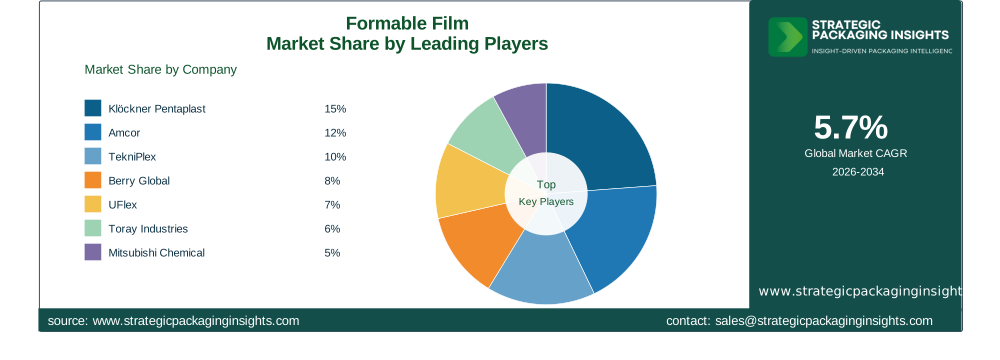
Toray Industries Inc. holds a significant market share, driven by its strong focus on innovation and sustainability. The company offers a wide range of formable films that cater to various applications, including food packaging, pharmaceuticals, and consumer goods. Mitsubishi Chemical Corporation is another major player in the market, known for its advanced film technologies and commitment to sustainability. The company is actively involved in the development of biodegradable and compostable films, which are gaining popularity in the market. Dai Nippon Printing Co. Ltd. (DNP) is also a key player, offering a diverse range of formable films with excellent barrier properties and flexibility.
Other notable companies in the Formable Film market include Toyobo Co. Ltd., Taekwang Industrial Co. Ltd., and Sumitomo Bakelite Co. Ltd. These companies are focusing on expanding their product portfolios and enhancing their production capabilities to meet the growing demand for formable films. Zhejiang Great Southeast Co. Ltd. and Kingfa Science & Technology Co. Ltd. are also prominent players, known for their innovative packaging solutions and strong market presence. Hubei Huakun Packaging Materials Co. Ltd. and UFlex Ltd. are actively engaged in product development and strategic partnerships to strengthen their market position.
SKC Co. Ltd., Cosmo Films Ltd., and Jindal Poly Films Ltd. are also key players in the market, offering a wide range of formable films for various applications. These companies are investing in research and development to enhance the properties of their films and cater to the evolving needs of customers. Polyplex Corporation Ltd. and Vacmet India Ltd. are also notable players, known for their high-quality formable films and strong distribution networks. The competitive landscape of the Formable Film market is dynamic, with companies focusing on innovation and sustainability to gain a competitive edge.
Key Highlights
- The Formable Film market is projected to grow at a CAGR of 5.6% from 2026 to 2034.
- Increasing demand for flexible packaging solutions is driving market growth.
- Advancements in film technology are enhancing the barrier properties of formable films.
- Growing consumer preference for sustainable packaging solutions is propelling market expansion.
- Stringent regulatory requirements pose a challenge to market growth.
- Volatility in raw material prices is a significant restraint for the market.
- Key players are focusing on product innovation and strategic collaborations to strengthen their market position.
- The food industry is a major driver of market growth, with formable films widely used for packaging perishable goods.
- The rise in e-commerce is boosting the demand for protective packaging solutions.
- Companies are investing in the development of biodegradable and compostable films to meet the growing demand for eco-friendly packaging.
Top Countries Insights
In the Formable Film market, the United States holds a significant share, driven by the strong demand for flexible packaging solutions in the food and pharmaceutical industries. The market in the U.S. is expected to grow at a CAGR of 4%, supported by the increasing focus on sustainability and the rise in e-commerce. The presence of key players and advancements in film technology are also contributing to market growth. However, stringent regulatory requirements related to packaging materials pose a challenge to market expansion.
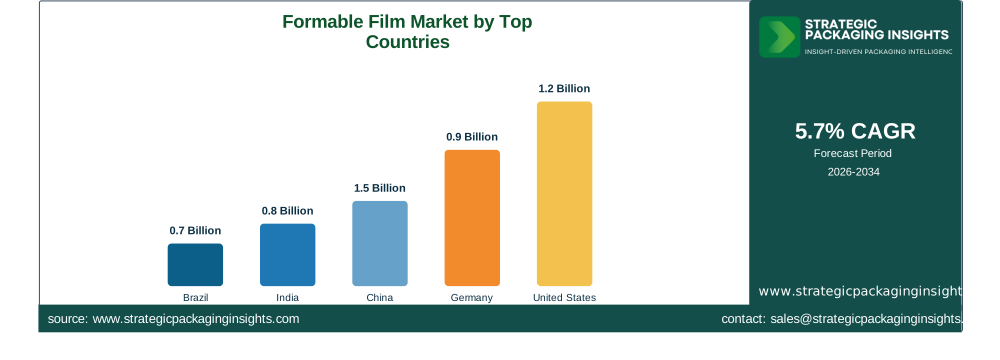
China is another major market for formable films, with a projected CAGR of 7%. The rapid growth of the food and beverage industry, coupled with the increasing demand for convenient packaging solutions, is driving market growth in the country. The government's focus on reducing plastic waste and promoting sustainable packaging is also boosting the demand for formable films. However, the market faces challenges related to the volatility in raw material prices and competition from alternative packaging solutions.
Germany is a key market in Europe, with a CAGR of 5%. The country's strong manufacturing base and focus on innovation are driving the demand for formable films. The growing consumer preference for sustainable packaging solutions and the rise in e-commerce are also contributing to market growth. However, stringent regulations related to packaging materials and the high cost of production pose challenges to market expansion.
India is witnessing significant growth in the Formable Film market, with a projected CAGR of 8%. The rapid urbanization and increasing disposable income are driving the demand for flexible packaging solutions in the country. The government's initiatives to promote sustainable packaging and reduce plastic waste are also boosting market growth. However, the market faces challenges related to the lack of infrastructure and the high cost of raw materials.
Brazil is another important market, with a CAGR of 6%. The country's growing food and beverage industry and the increasing demand for convenient packaging solutions are driving market growth. The government's focus on promoting sustainable packaging and reducing plastic waste is also contributing to market expansion. However, the market faces challenges related to the volatility in raw material prices and competition from alternative packaging solutions.
Formable Film Market Segments Insights

By Material Type Analysis
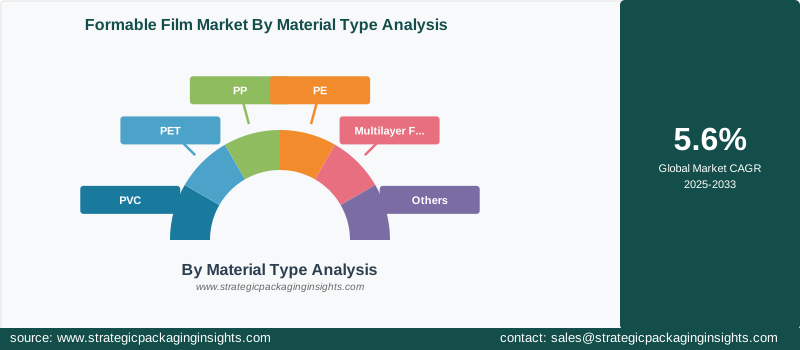
The Formable Film market is segmented by material type into PVC, PET, PP, PE, multilayer films, and others. PVC and PET are among the most widely used materials due to their excellent barrier properties and flexibility. These materials are ideal for packaging applications that require high durability and protection against moisture and oxygen. The demand for PP and PE films is also growing, driven by their lightweight nature and recyclability. Multilayer films, which combine different materials to enhance performance, are gaining popularity in the market. The increasing focus on sustainability is driving the demand for eco-friendly materials, with companies investing in the development of biodegradable and compostable films.
The competition in the material type segment is intense, with companies focusing on product innovation and sustainability to gain a competitive edge. The growing consumer preference for sustainable packaging solutions is driving the demand for recyclable and biodegradable materials. Companies are investing in research and development to enhance the properties of formable films and cater to the evolving needs of customers. The market is also witnessing significant consolidation, with companies acquiring smaller players to expand their product offerings and geographical presence.
By Film Type Analysis
The Formable Film market is segmented by film type into rigid films, semi-rigid films, and barrier films. Rigid films are widely used in applications that require high durability and protection, such as blister packs and clamshell packaging. Semi-rigid films offer a balance between flexibility and strength, making them ideal for packaging applications that require both protection and ease of use. Barrier films, which provide excellent protection against moisture and oxygen, are gaining popularity in the market. The demand for barrier films is driven by the growing need for packaging solutions that extend the shelf life of perishable goods.
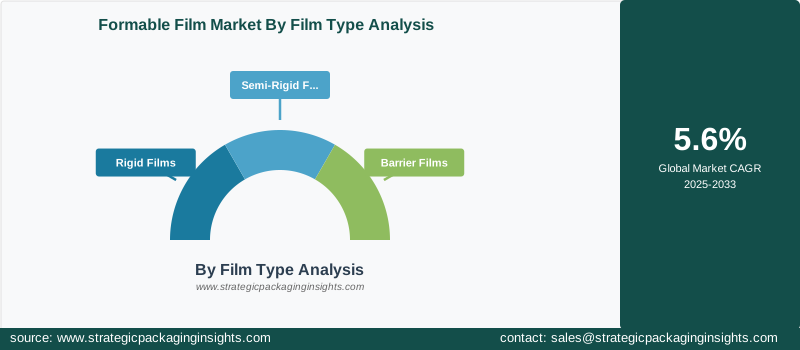
The competition in the film type segment is fierce, with companies focusing on product innovation and sustainability to gain a competitive edge. The growing consumer preference for convenient and easy-to-use packaging solutions is driving the demand for semi-rigid and barrier films. Companies are investing in research and development to enhance the properties of formable films and cater to the evolving needs of customers. The market is also witnessing significant consolidation, with companies acquiring smaller players to expand their product offerings and geographical presence.
By Application Analysis
The Formable Film market is segmented by application into thermoforming films, blister packs, trays, skin packaging, clamshell packaging, and others. Thermoforming films are widely used in the food industry for packaging perishable goods, as they offer excellent barrier properties and extend the shelf life of products. Blister packs and clamshell packaging are popular in the pharmaceutical and consumer goods industries, as they provide high protection and visibility for products. The demand for skin packaging is also growing, driven by the increasing focus on sustainability and the need for packaging solutions that reduce material usage.
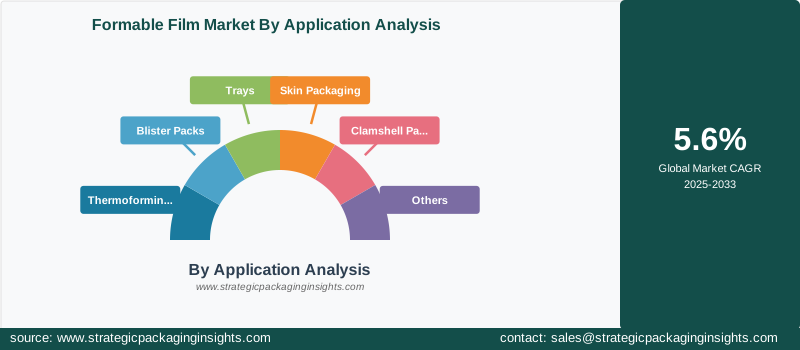
The competition in the application segment is intense, with companies focusing on product innovation and sustainability to gain a competitive edge. The growing consumer preference for convenient and easy-to-use packaging solutions is driving the demand for thermoforming films and blister packs. Companies are investing in research and development to enhance the properties of formable films and cater to the evolving needs of customers. The market is also witnessing significant consolidation, with companies acquiring smaller players to expand their product offerings and geographical presence.
By End Use Analysis
The Formable Film market is segmented by end use into food, pharmaceuticals, medical devices, consumer goods, industrial, and others. The food industry is a major driver of market growth, as formable films are widely used for packaging perishable goods to extend their shelf life. The pharmaceutical industry is also a significant end user, with formable films used for packaging medicines and medical devices. The demand for formable films in the consumer goods industry is driven by the growing need for convenient and easy-to-use packaging solutions. The industrial sector is also witnessing significant growth, with formable films used for packaging a wide range of products, from electronics to automotive parts.
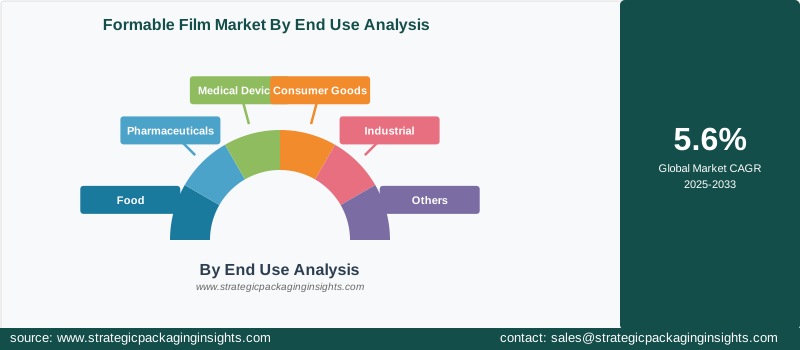
The competition in the end use segment is fierce, with companies focusing on product innovation and sustainability to gain a competitive edge. The growing consumer preference for sustainable packaging solutions is driving the demand for formable films in various applications. Companies are investing in research and development to enhance the properties of formable films and cater to the evolving needs of customers. The market is also witnessing significant consolidation, with companies acquiring smaller players to expand their product offerings and geographical presence.
Formable Film Market Segments
The Formable Film market has been segmented on the basis ofBy Material Type
- PVC
- PET
- PP
- PE
- Multilayer Films
- Others
By Film Type
- Rigid Films
- Semi-Rigid Films
- Barrier Films
By Application
- Thermoforming Films
- Blister Packs
- Trays
- Skin Packaging
- Clamshell Packaging
- Others
By End Use
- Food
- Pharmaceuticals
- Medical Devices
- Consumer Goods
- Industrial
- Others
Region
- Asia Pacific
- North America
- Latin America
- Europe
- Middle East & Africa




