


Waterproof Label Market Outlook
The Waterproof Label market size was valued at USD 1.95 billion in 2025 and is anticipated to reach USD 3.32 billion by 2034, growing at a CAGR of 6.1% during the forecast period according to Strategic Packaging Insights. The market is witnessing significant growth due to the increasing demand for durable and long-lasting labeling solutions across various industries. Avery Dennison and CCL Industries are leading the charge in innovation, providing advanced waterproof labeling solutions that cater to the evolving needs of sectors such as food and beverage, personal care, and industrial applications. The rise in e-commerce and the need for reliable labeling in logistics further bolster the market's expansion.
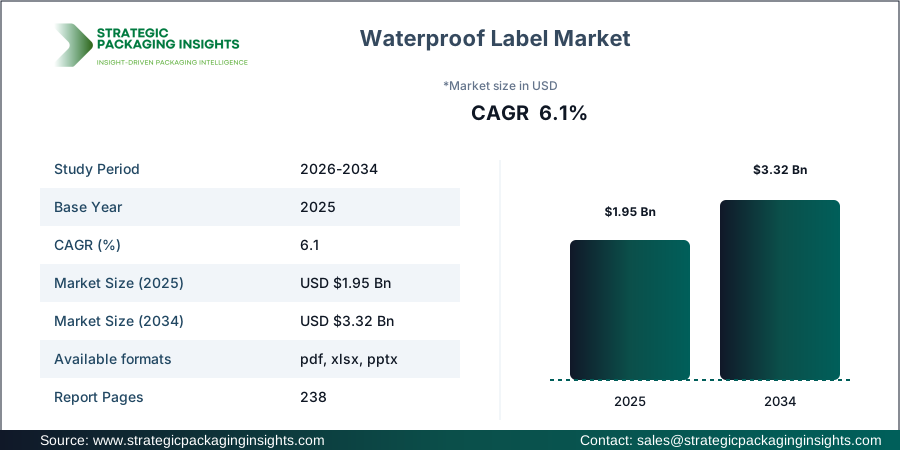
One of the most impactful drivers of the Waterproof Label market is the growing emphasis on product safety and regulatory compliance. Governments and regulatory bodies worldwide are enforcing stringent labeling requirements to ensure consumer safety and environmental protection. This has led to an increased demand for waterproof labels that can withstand harsh conditions and maintain legibility over time. According to industry reports, the adoption of waterproof labels is particularly prominent in the food and beverage sector, where maintaining product integrity during transportation and storage is crucial. Companies like UPM Raflatac and 3M are investing in research and development to create labels that not only meet regulatory standards but also offer enhanced durability and sustainability.
Report Scope
| Attributes | Details |
| Report Title | Waterproof Label Market Size, Future Growth and Forecast 2034 |
| Material Type | Polyester, Vinyl, Polypropylene, Synthetic Paper |
| Adhesive Type | Permanent, Removable, High-Tack |
| Application | Beverages, Cosmetics, Chemicals, Outdoor Products |
| End Use | Food & Beverage, Personal Care, Industrial, Retail |
| Region | Asia Pacific, North America, Latin America, Europe, Middle East & Africa |
| Base Year | 2025 |
| Historic Period | 2018-2024 |
| Forecast Period | 2026-2034 |
| Number of Pages | 238 |
| Customization Available | Yes* |
Sustainability & Circular Economy Analysis
Sustainability initiatives are reshaping the Waterproof Label market as companies strive to reduce their environmental impact. The use of recyclable materials and eco-friendly adhesives is becoming a standard practice, driven by consumer demand for sustainable packaging solutions. Companies like Lintec and Brady Corporation are leading the way by developing labels made from recycled content and utilizing water-based adhesives that minimize environmental harm. These efforts align with broader circular economy practices, where the focus is on reducing waste and promoting the reuse of materials.
The shift towards lightweight packaging is another significant trend influencing the market. By reducing the weight of labels, manufacturers can decrease transportation costs and carbon emissions, contributing to a lower overall carbon footprint. This trend is particularly relevant for global supply chains, where efficiency and sustainability are paramount. As a result, companies are investing in innovative materials and production techniques to create labels that are both lightweight and durable, ensuring they meet the demands of modern logistics and consumer expectations.
Extended Producer Responsibility (EPR) regulations are also playing a crucial role in shaping the Waterproof Label market. These regulations require manufacturers to take responsibility for the entire lifecycle of their products, including disposal and recycling. As a result, companies are adopting more sustainable practices, such as designing labels that are easier to recycle and implementing take-back programs. This not only helps companies comply with regulations but also enhances their brand image and competitiveness in the market.
Packaging Value Chain & Supply Chain Analysis
The packaging value chain for waterproof labels is complex, involving multiple stakeholders from raw material suppliers to end-users. Raw material sourcing is a critical component, with companies like Avery Dennison and CCL Industries relying on high-quality materials such as polyester and polypropylene to produce durable labels. The availability and cost of these materials can significantly impact production capabilities and pricing strategies, influencing overall market performance.
Packaging converters and manufacturers play a pivotal role in transforming raw materials into finished products. Companies like Multi-Color Corporation and SATO are at the forefront of this process, utilizing advanced machinery and technology to produce high-quality labels that meet industry standards. Strategic partnerships with suppliers and technology providers are essential for maintaining production efficiency and ensuring a steady supply of materials.
Logistics and distribution channels are equally important in the waterproof label supply chain. Efficient transportation and inventory management are crucial for meeting customer demands and maintaining competitiveness. Companies are increasingly focusing on localization and global sourcing strategies to enhance supply chain resilience and reduce lead times. By optimizing their supply chains, companies can better respond to market fluctuations and ensure timely delivery of products to retailers and end-users.
Opportunities & Threats
The Waterproof Label market presents numerous opportunities for growth, driven by technological advancements and evolving consumer preferences. The rise of smart labeling technologies, such as RFID and QR codes, offers significant potential for enhancing product traceability and consumer engagement. Companies that invest in these technologies can differentiate themselves in the market and provide added value to their customers. Additionally, the increasing demand for personalized and customized labels presents an opportunity for companies to offer tailored solutions that cater to specific customer needs.
Another opportunity lies in the expansion of e-commerce and online retail. As more consumers shop online, the need for reliable and durable labeling solutions for packaging and logistics is growing. Waterproof labels that can withstand various environmental conditions during transportation are in high demand, providing companies with an opportunity to capture a larger share of the market. By focusing on innovation and quality, companies can capitalize on this trend and expand their customer base.
However, the market also faces threats, such as the volatility of raw material prices and the increasing competition from low-cost manufacturers. Fluctuations in the prices of key materials like polyester and polypropylene can impact production costs and profit margins. Additionally, the presence of numerous players in the market increases competition, making it challenging for companies to maintain their market share. To mitigate these threats, companies must focus on cost optimization, strategic partnerships, and continuous innovation.
Drivers & Challenges
One of the primary drivers of the Waterproof Label market is the growing demand for durable and long-lasting labeling solutions across various industries. The need for labels that can withstand harsh environmental conditions and maintain legibility over time is particularly prominent in sectors such as food and beverage, personal care, and industrial applications. Companies like Avery Dennison and CCL Industries are leading the charge in innovation, providing advanced waterproof labeling solutions that cater to the evolving needs of these industries.
Another significant driver is the increasing emphasis on regulatory compliance and product safety. Governments and regulatory bodies worldwide are enforcing stringent labeling requirements to ensure consumer safety and environmental protection. This has led to an increased demand for waterproof labels that can meet these standards and provide reliable information to consumers. Companies like UPM Raflatac and 3M are investing in research and development to create labels that not only meet regulatory standards but also offer enhanced durability and sustainability.
Despite the positive drivers, the Waterproof Label market faces several challenges. One of the main challenges is the volatility of raw material prices, which can impact production costs and profit margins. Fluctuations in the prices of key materials like polyester and polypropylene can create uncertainty for manufacturers and affect their ability to maintain competitive pricing. Additionally, the increasing competition from low-cost manufacturers poses a challenge for established players in the market. To overcome these challenges, companies must focus on cost optimization, strategic partnerships, and continuous innovation.
Market Share Analysis
The Waterproof Label market is characterized by a competitive landscape with several key players vying for market share. Companies like Avery Dennison, CCL Industries, and UPM Raflatac are among the leading players, known for their innovative products and strong market presence. These companies have established themselves as leaders in the industry by offering a wide range of waterproof labeling solutions that cater to various applications and industries.
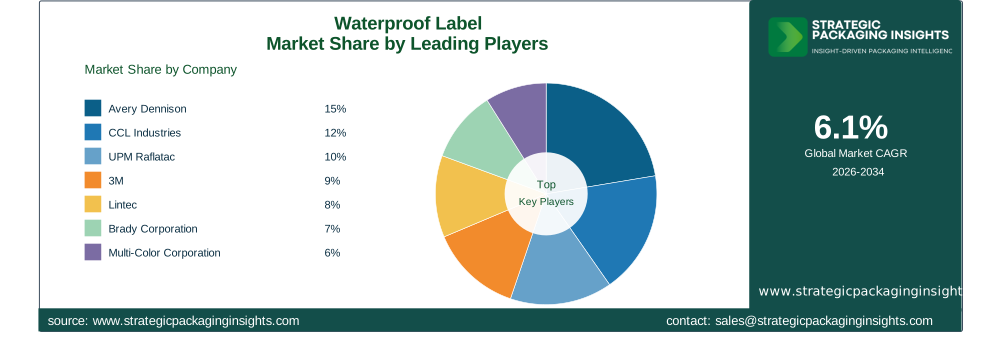
Avery Dennison is a prominent player in the market, known for its advanced labeling technologies and commitment to sustainability. The company offers a comprehensive portfolio of waterproof labels that are designed to withstand harsh conditions and provide reliable performance. CCL Industries, another major player, is recognized for its extensive product range and focus on innovation. The company has a strong global presence and is committed to providing high-quality labeling solutions to its customers.
UPM Raflatac is a leading provider of sustainable labeling solutions, with a focus on reducing environmental impact and enhancing product performance. The company offers a wide range of waterproof labels that are designed to meet the needs of various industries, including food and beverage, personal care, and industrial applications. 3M is another key player in the market, known for its innovative products and commitment to quality. The company offers a range of waterproof labels that are designed to provide reliable performance in challenging environments.
Other notable players in the market include Lintec, Brady Corporation, Multi-Color Corporation, SATO, HERMA, and Resource Label Group. These companies are known for their strong market presence and commitment to providing high-quality labeling solutions. They have established themselves as leaders in the industry by offering a wide range of products that cater to various applications and industries. The competitive landscape of the Waterproof Label market is characterized by continuous innovation and a focus on meeting the evolving needs of customers.
Key Highlights
- Market Size: The Waterproof Label market was valued at USD 1.95 billion in 2025 and is projected to reach USD 3.32 billion by 2034.
- Growth Rate: The market is expected to grow at a CAGR of 6.1% during the forecast period.
- Leading Companies: Key players include Avery Dennison, CCL Industries, and UPM Raflatac.
- Material Type: Polyester and polypropylene are the most commonly used materials.
- Application Segments: The food and beverage sector is a major application area for waterproof labels.
- Regional Insights: Asia Pacific is expected to witness significant growth due to increasing demand for durable labeling solutions.
- Technological Advancements: The rise of smart labeling technologies offers new opportunities for market growth.
Waterproof Label Market Segments Insights

Material Type Analysis
The Material Type segment of the Waterproof Label market is dominated by polyester and polypropylene, which are favored for their durability and resistance to harsh environmental conditions. Polyester labels are particularly popular in the food and beverage industry due to their ability to withstand moisture and temperature fluctuations. Polypropylene, on the other hand, is known for its flexibility and cost-effectiveness, making it a preferred choice for various applications. Companies like Avery Dennison and CCL Industries are investing in research and development to enhance the performance of these materials and meet the evolving needs of customers.
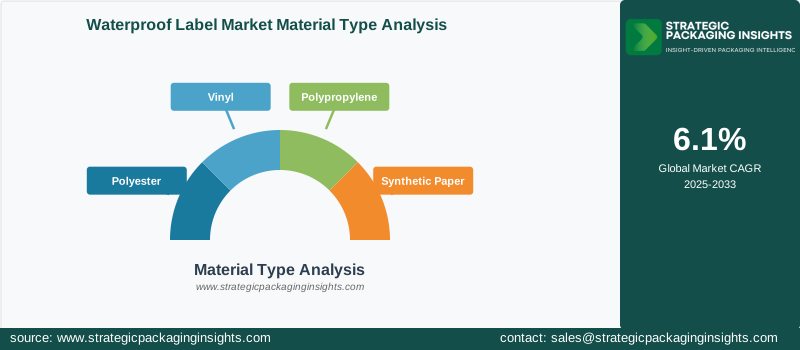
Vinyl and synthetic paper are also gaining traction in the market, driven by their unique properties and versatility. Vinyl labels are known for their durability and resistance to chemicals, making them ideal for industrial applications. Synthetic paper, meanwhile, offers a sustainable alternative to traditional paper labels, with the added benefit of being waterproof and tear-resistant. As sustainability becomes a key focus for companies, the demand for eco-friendly materials like synthetic paper is expected to grow. This trend is supported by the increasing emphasis on regulatory compliance and environmental protection.
Adhesive Type Analysis
The Adhesive Type segment of the Waterproof Label market is characterized by a variety of options, each catering to specific application needs. Permanent adhesives are the most commonly used, offering strong adhesion and durability for long-term applications. These adhesives are particularly popular in the food and beverage industry, where labels need to withstand moisture and temperature changes. Companies like UPM Raflatac and 3M are known for their high-quality permanent adhesives that provide reliable performance in challenging environments.
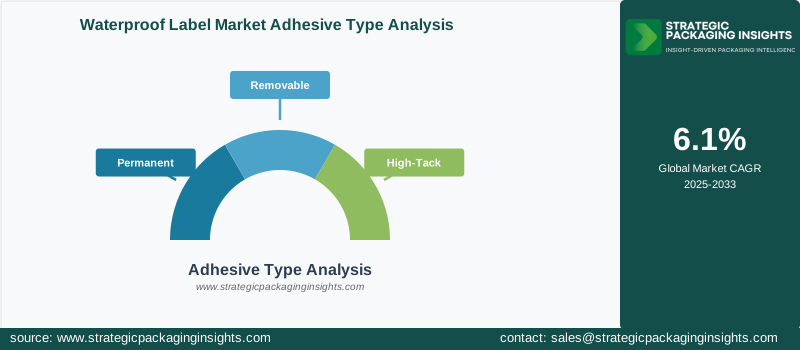
Removable and high-tack adhesives are also important segments, offering flexibility and versatility for different applications. Removable adhesives are ideal for temporary labeling needs, allowing labels to be easily removed without leaving residue. High-tack adhesives, on the other hand, provide extra strength for applications that require a strong bond. As the demand for customized and personalized labels grows, the need for a variety of adhesive options is expected to increase, driving innovation and competition in the market.
Application Analysis
The Application segment of the Waterproof Label market is diverse, with labels being used across a wide range of industries. The food and beverage sector is a major application area, driven by the need for durable and reliable labeling solutions that can withstand moisture and temperature fluctuations. Companies like Avery Dennison and CCL Industries are leading the way in providing advanced labeling solutions for this sector, ensuring product safety and regulatory compliance.
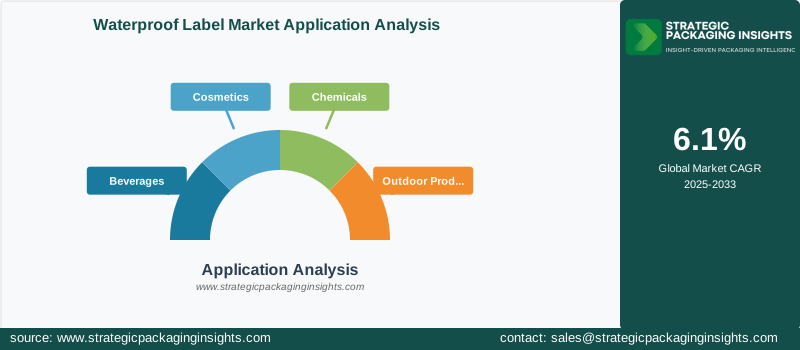
Other key application areas include cosmetics, chemicals, and outdoor products, where labels need to withstand harsh environmental conditions and provide reliable performance. The rise of e-commerce and online retail is also driving demand for waterproof labels, as companies seek to ensure product integrity during transportation and storage. As consumer preferences continue to evolve, the demand for innovative and customized labeling solutions is expected to grow, providing opportunities for companies to expand their product offerings and capture a larger share of the market.
End Use Analysis
The End Use segment of the Waterproof Label market is driven by the diverse needs of various industries, each requiring specific labeling solutions to meet their unique requirements. The food and beverage industry is a major end-user, with companies seeking durable and reliable labels that can withstand moisture and temperature changes. Personal care and industrial applications are also significant end-use segments, with labels needed to provide product information and ensure regulatory compliance.
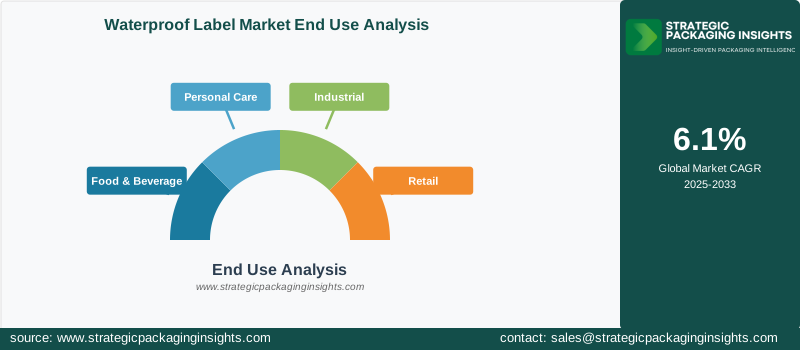
The retail sector is another important end-use segment, driven by the need for attractive and informative labels that enhance product appeal and provide essential information to consumers. As the demand for personalized and customized labels grows, companies are focusing on developing innovative solutions that cater to the specific needs of different end-use segments. This trend is supported by the increasing emphasis on sustainability and regulatory compliance, driving demand for eco-friendly and durable labeling solutions.
Waterproof Label Market Segments
The Waterproof Label market has been segmented on the basis ofMaterial Type
- Polyester
- Vinyl
- Polypropylene
- Synthetic Paper
Adhesive Type
- Permanent
- Removable
- High-Tack
Application
- Beverages
- Cosmetics
- Chemicals
- Outdoor Products
End Use
- Food & Beverage
- Personal Care
- Industrial
- Retail
Region
- Asia Pacific
- North America
- Latin America
- Europe
- Middle East & Africa




