


Label Market Outlook
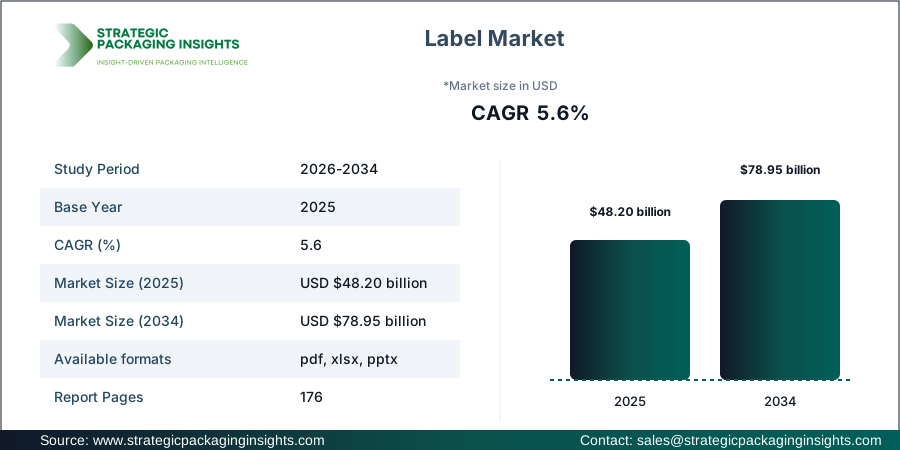
The label market was valued at $48.20 billion in 2025 and is projected to reach $78.95 billion by 2034, growing at a CAGR of 5.6% during the forecast period 2026-2034. This growth is driven by the increasing demand for innovative and sustainable labeling solutions across various industries. The rise in e-commerce and retail sectors has significantly boosted the need for effective labeling to enhance product visibility and brand recognition. Additionally, advancements in printing technologies and the growing trend of digitalization in packaging are further propelling the market forward. The label market is also benefiting from the increasing regulatory requirements for product information and traceability, which necessitate the use of high-quality labels.
Despite the promising growth prospects, the label market faces certain challenges that could hinder its expansion. The fluctuating prices of raw materials, particularly paper and plastic films, pose a significant restraint on market growth. Moreover, stringent environmental regulations regarding the use of plastic materials are compelling manufacturers to seek eco-friendly alternatives, which could increase production costs. However, the market holds substantial growth potential, especially with the rising demand for smart labels and RFID technology, which offer enhanced functionality and data management capabilities. The ongoing innovations in label materials and printing technologies are expected to create new opportunities for market players, enabling them to cater to the evolving needs of end-users.
Report Scope
| Attributes | Details |
| Report Title | Label Market Size, Future Growth and Forecast 2034 |
| Product Type | Pressure-Sensitive Labels, Shrink Labels, In-Mold Labels, Glue-Applied Labels |
| Material Type | Paper, Plastic Film, Foil |
| Printing Technology | Flexography, Digital, Gravure |
| End Use | Food, Beverages, Pharma, Personal Care |
| Region | Asia Pacific, North America, Latin America, Europe, Middle East & Africa |
| Base Year | 2025 |
| Historic Period | 2018-2024 |
| Forecast Period | 2026-2034 |
| Number of Pages | 176 |
| Customization Available | Yes* |
Opportunities & Threats
The label market presents numerous opportunities for growth, primarily driven by the increasing demand for sustainable and eco-friendly labeling solutions. As consumers become more environmentally conscious, there is a growing preference for labels made from recyclable and biodegradable materials. This trend is encouraging manufacturers to invest in research and development to create innovative products that meet these demands. Additionally, the rise of smart labels, which incorporate technologies like RFID and QR codes, is opening new avenues for market expansion. These labels offer enhanced functionality, such as real-time tracking and product authentication, which are highly valued in industries like pharmaceuticals and food and beverages.
Another significant opportunity lies in the expanding e-commerce sector, which is driving the demand for effective labeling solutions to enhance product visibility and brand recognition. With the increasing number of online shoppers, companies are focusing on creating visually appealing and informative labels to attract consumers and differentiate their products from competitors. Furthermore, the growing trend of personalization in packaging is boosting the demand for digital printing technologies, which allow for customized and short-run label production. This shift towards digitalization is expected to create lucrative opportunities for market players, enabling them to offer tailored solutions to their clients.
However, the label market also faces certain threats that could impede its growth. One of the primary challenges is the fluctuating prices of raw materials, particularly paper and plastic films, which can significantly impact production costs. Additionally, stringent environmental regulations regarding the use of plastic materials are compelling manufacturers to seek eco-friendly alternatives, which could increase production costs. The competitive landscape of the label market is also intensifying, with numerous players vying for market share. This heightened competition could lead to price wars and margin pressures, posing a threat to the profitability of market participants.
Drivers & Challenges
The label market is primarily driven by the increasing demand for innovative and sustainable labeling solutions across various industries. The rise in e-commerce and retail sectors has significantly boosted the need for effective labeling to enhance product visibility and brand recognition. Additionally, advancements in printing technologies and the growing trend of digitalization in packaging are further propelling the market forward. The label market is also benefiting from the increasing regulatory requirements for product information and traceability, which necessitate the use of high-quality labels. Moreover, the growing awareness among consumers regarding product authenticity and safety is driving the demand for smart labels, which offer enhanced functionality and data management capabilities.
Another key driver of the label market is the expanding food and beverage industry, which requires labels for product identification, branding, and compliance with regulatory standards. The increasing demand for packaged and processed foods is fueling the need for labels that provide essential information such as nutritional content, ingredients, and expiration dates. Furthermore, the pharmaceutical industry is a significant contributor to the label market, as it requires labels for drug identification, dosage instructions, and safety warnings. The rising prevalence of chronic diseases and the growing demand for personalized medicine are expected to further boost the demand for pharmaceutical labels.
Despite the promising growth prospects, the label market faces certain challenges that could hinder its expansion. The fluctuating prices of raw materials, particularly paper and plastic films, pose a significant restraint on market growth. Moreover, stringent environmental regulations regarding the use of plastic materials are compelling manufacturers to seek eco-friendly alternatives, which could increase production costs. The competitive landscape of the label market is also intensifying, with numerous players vying for market share. This heightened competition could lead to price wars and margin pressures, posing a threat to the profitability of market participants. Additionally, the lack of standardization in labeling regulations across different regions can create complexities for manufacturers operating in the global market.
Market Share Analysis
The label market is characterized by a highly competitive landscape, with several key players dominating the industry. Companies such as CCL Industries, Avery Dennison, and Multi-Color Corporation hold significant market shares, driven by their extensive product portfolios and strong distribution networks. These companies are continuously investing in research and development to introduce innovative labeling solutions that cater to the evolving needs of end-users. Additionally, strategic partnerships and acquisitions are common strategies employed by market leaders to expand their geographical presence and enhance their product offerings.
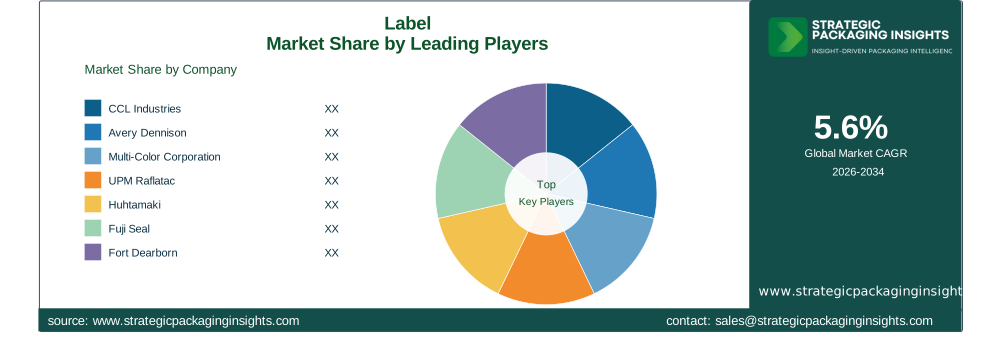
CCL Industries is a prominent player in the label market, known for its diverse range of labeling solutions and strong focus on sustainability. The company has a significant market share, driven by its extensive product portfolio and global reach. Avery Dennison is another major player, renowned for its innovative labeling technologies and commitment to environmental sustainability. The company's strong emphasis on research and development has enabled it to introduce cutting-edge products that meet the demands of various industries.
Multi-Color Corporation is a leading provider of label solutions, with a strong presence in the global market. The company's focus on customer-centric solutions and its ability to offer customized labeling options have contributed to its significant market share. UPM Raflatac is another key player, known for its sustainable labeling solutions and advanced printing technologies. The company's commitment to environmental responsibility and its focus on innovation have positioned it as a leader in the label market.
Other notable companies in the label market include Huhtamaki, Fuji Seal, Fort Dearborn, Coveris, Schreiner Group, and Constantia Flexibles. These companies are actively engaged in expanding their product portfolios and enhancing their production capabilities to meet the growing demand for labeling solutions. The competitive landscape of the label market is expected to remain dynamic, with companies focusing on strategic initiatives to strengthen their market positions and capitalize on emerging opportunities.
Key Highlights
- The label market is projected to grow from $48.20 billion in 2025 to $78.95 billion by 2034, at a CAGR of 5.6%.
- Increasing demand for sustainable and eco-friendly labeling solutions is driving market growth.
- Advancements in printing technologies and digitalization are propelling the market forward.
- The expanding e-commerce sector is boosting the demand for effective labeling solutions.
- Smart labels incorporating RFID and QR codes are opening new avenues for market expansion.
- The food and beverage industry is a significant contributor to the label market.
- Fluctuating raw material prices and stringent environmental regulations pose challenges to market growth.
- Key players in the market include CCL Industries, Avery Dennison, and Multi-Color Corporation.
- Strategic partnerships and acquisitions are common strategies employed by market leaders.
- The competitive landscape of the label market is expected to remain dynamic.
Top Countries Insights
The United States is a leading market for labels, with a current market size of approximately $12 billion and a CAGR of 4%. The country's robust retail and e-commerce sectors are major growth drivers, along with stringent labeling regulations that ensure product safety and traceability. The demand for smart labels is also rising, driven by the need for enhanced product authentication and supply chain management.
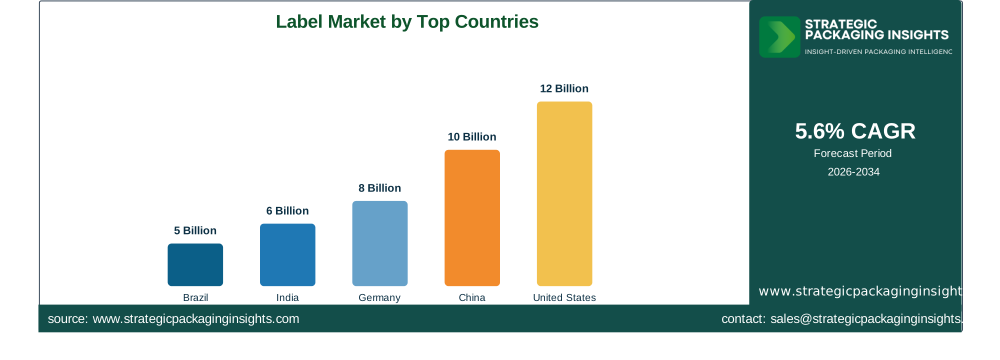
China is another significant market, with a market size of around $10 billion and a CAGR of 6%. The country's booming manufacturing sector and increasing consumer demand for packaged goods are key growth drivers. Additionally, government initiatives promoting sustainable packaging solutions are encouraging the adoption of eco-friendly labels.
Germany, with a market size of $8 billion and a CAGR of 5%, is a prominent player in the European label market. The country's strong automotive and pharmaceutical industries are major contributors to label demand. Furthermore, the emphasis on sustainability and innovation in packaging is driving the adoption of advanced labeling technologies.
India, with a market size of $6 billion and a CAGR of 7%, is experiencing rapid growth in the label market. The country's expanding retail sector and increasing consumer awareness regarding product information are key growth drivers. The government's focus on promoting digitalization and smart packaging solutions is also contributing to market expansion.
Brazil, with a market size of $5 billion and a CAGR of 5%, is a significant market in Latin America. The country's growing food and beverage industry and increasing demand for packaged goods are driving label market growth. Additionally, the rising trend of e-commerce is boosting the demand for effective labeling solutions to enhance product visibility and brand recognition.
Label Market Segments Insights

Product Type Analysis
The product type segment of the label market is diverse, encompassing pressure-sensitive labels, shrink labels, in-mold labels, and glue-applied labels. Pressure-sensitive labels are the most widely used, owing to their versatility and ease of application across various industries. These labels are favored for their ability to adhere to different surfaces without the need for heat or water, making them ideal for applications in the food and beverage, pharmaceutical, and personal care sectors. Shrink labels, on the other hand, are gaining popularity due to their ability to conform to the shape of the container, providing a 360-degree branding opportunity. This feature is particularly appealing to the beverage industry, where product differentiation is crucial.
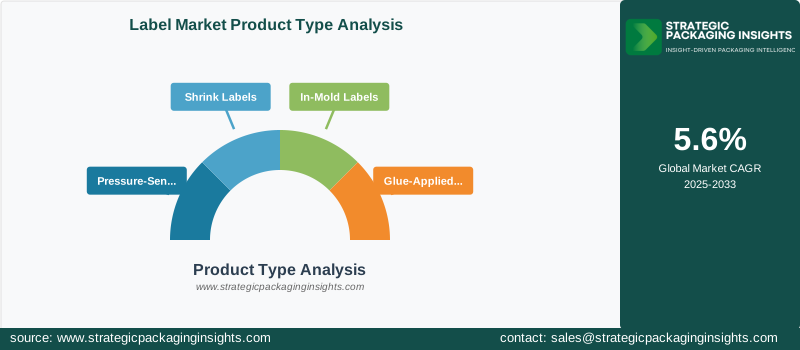
In-mold labels are increasingly being adopted in the packaging industry, especially for durable goods and consumer products. These labels are integrated into the product during the molding process, offering a seamless and long-lasting labeling solution. The demand for in-mold labels is driven by their durability and resistance to environmental factors, making them suitable for outdoor applications. Glue-applied labels, although traditional, continue to hold a significant share in the market due to their cost-effectiveness and suitability for high-volume production. These labels are commonly used in the food and beverage industry, where large quantities of labels are required for mass-produced items.
Material Type Analysis
The material type segment of the label market includes paper, plastic film, and foil. Paper labels are the most commonly used, owing to their cost-effectiveness and versatility. They are widely used in the food and beverage industry for product identification and branding. However, the demand for plastic film labels is on the rise, driven by their durability and resistance to moisture and chemicals. These labels are favored in industries such as pharmaceuticals and personal care, where product integrity is paramount. The growing trend of eco-friendly packaging is also influencing the choice of materials, with manufacturers increasingly opting for recyclable and biodegradable options.
Foil labels, although less common, are gaining traction in the luxury goods and cosmetics industries due to their premium appearance and ability to enhance brand image. These labels offer a metallic finish that adds a touch of elegance and sophistication to the product packaging. The demand for foil labels is expected to grow as brands seek to differentiate their products in a competitive market. Overall, the choice of material is influenced by factors such as cost, durability, and environmental impact, with manufacturers striving to balance these considerations to meet consumer demands.
Printing Technology Analysis
The printing technology segment of the label market includes flexography, digital, and gravure printing. Flexography is the most widely used printing technology, known for its high-speed production and cost-effectiveness. It is commonly used for large-volume label production in industries such as food and beverages, where quick turnaround times are essential. Digital printing, on the other hand, is gaining popularity due to its ability to produce high-quality, customized labels with minimal setup time. This technology is ideal for short-run production and personalized labeling, making it a preferred choice for the cosmetics and personal care industries.
Gravure printing, although less common, is favored for its ability to produce high-quality images and fine details. It is often used for premium labels in the luxury goods and automotive industries, where precision and quality are paramount. The choice of printing technology is influenced by factors such as production volume, cost, and the desired quality of the final product. As the demand for personalized and high-quality labels continues to grow, manufacturers are increasingly investing in advanced printing technologies to meet the evolving needs of their clients.
End Use Analysis
The end-use segment of the label market includes food, beverages, pharmaceuticals, and personal care. The food and beverage industry is the largest consumer of labels, driven by the need for product identification, branding, and compliance with regulatory standards. The increasing demand for packaged and processed foods is fueling the need for labels that provide essential information such as nutritional content, ingredients, and expiration dates. The pharmaceutical industry is another significant contributor to the label market, as it requires labels for drug identification, dosage instructions, and safety warnings.
The personal care industry is also a major consumer of labels, with a growing demand for visually appealing and informative labels that enhance brand image and attract consumers. The trend of personalization in packaging is particularly prominent in this industry, driving the demand for digital printing technologies that allow for customized label production. Overall, the end-use segment is characterized by diverse requirements and preferences, with manufacturers striving to offer tailored solutions that meet the specific needs of each industry.
Label Market Segments
The Label market has been segmented on the basis ofProduct Type
- Pressure-Sensitive Labels
- Shrink Labels
- In-Mold Labels
- Glue-Applied Labels
Material Type
- Paper
- Plastic Film
- Foil
Printing Technology
- Flexography
- Digital
- Gravure
End Use
- Food
- Beverages
- Pharma
- Personal Care
Region
- Asia Pacific
- North America
- Latin America
- Europe
- Middle East & Africa




