
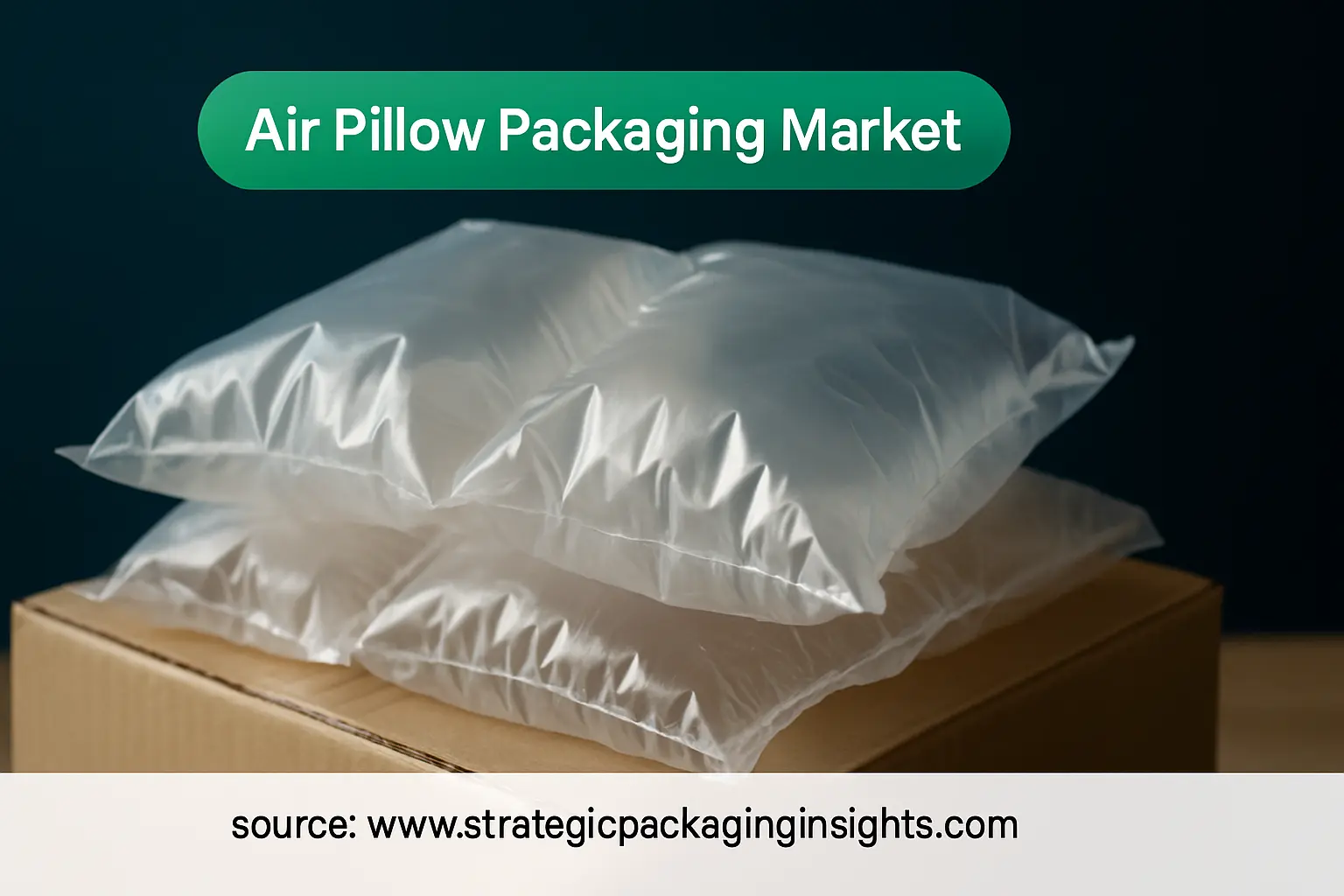
Dive into the evolving Air Pillow Packaging Market, exploring its growth trajectory, key segments, industry applications, and strategic insights for packaging leaders.
Executive Market Narrative
The Air Pillow Packaging Market has undergone significant transformation over the past decade, driven by the rapid expansion of e-commerce and the increasing demand for sustainable packaging solutions. Initially, air pillow packaging was primarily used for cushioning and protecting fragile items during transit. However, as consumer expectations for eco-friendly packaging have grown, the market has evolved to incorporate more sustainable materials and innovative designs. This evolution reflects a broader trend in the packaging industry towards reducing environmental impact while maintaining functionality and cost-effectiveness.
https://www.strategicpackaginginsights.com/report/air-pillow-packaging-market
From 2017 to 2023, the market witnessed steady growth, fueled by technological advancements and the rising popularity of online shopping. The COVID-19 pandemic further accelerated this trend, as more consumers turned to e-commerce for their shopping needs, increasing the demand for protective packaging solutions. As we move into the forecast period of 2025 to 2033, the market is poised for continued expansion, driven by ongoing innovations in material science and the growing emphasis on sustainability.
Why This Market Matters
The Air Pillow Packaging Market is crucial for several reasons. Firstly, it addresses the need for effective protective packaging in the booming e-commerce sector, ensuring that products reach consumers in pristine condition. Secondly, it aligns with global sustainability goals by offering biodegradable and recyclable options, reducing the environmental footprint of packaging waste. Lastly, it supports the logistics and supply chain industries by providing lightweight and cost-effective packaging solutions that reduce shipping costs and improve efficiency.
Market Size & Growth Trajectory
In 2024, the Air Pillow Packaging Market was valued at $3.26 billion. By 2033, it is projected to reach $5.38 billion, reflecting a compound annual growth rate (CAGR) of 5.70%. This growth trajectory underscores the increasing adoption of air pillow packaging across various industries and regions, driven by the dual imperatives of protecting goods and minimizing environmental impact.
Key Market Segmentation
| Segment | Description |
|---|---|
| Product Type | Includes Air Pillow Bags, Air Cushion Rolls, and Inflatable Bubble Cushions, each offering unique benefits for different packaging needs. |
| Material Type | Comprises Polyethylene Films, Recycled Plastic Films, and Biodegradable Films, catering to diverse sustainability requirements. |
| Application | Encompasses E-commerce Packaging, Electronics Packaging, and Fragile Goods Packaging, highlighting the versatility of air pillow solutions. |
| End Use | Covers Retail Logistics, Industrial Packaging, and Third-Party Logistics, reflecting the broad applicability of air pillow packaging. |
| Region | Includes Asia Pacific, North America, Latin America, Europe, and Middle East & Africa, indicating global market reach. |
Industry Use-Case Mapping
Air Pillow Bags are predominantly used in E-commerce Packaging to protect items during shipping. Air Cushion Rolls find applications in Electronics Packaging, providing a flexible solution for safeguarding delicate components. Inflatable Bubble Cushions are ideal for Fragile Goods Packaging, offering superior protection for items like glassware and ceramics. In terms of end use, Retail Logistics benefits from the lightweight nature of air pillows, reducing shipping costs, while Industrial Packaging utilizes these solutions for bulk shipments. Third-Party Logistics providers leverage air pillow packaging to enhance their service offerings and improve customer satisfaction.
Competitive & Value Chain Insights
The competitive landscape of the Air Pillow Packaging Market is characterized by a mix of established players and emerging innovators. Key companies are focusing on product differentiation through material innovation and sustainability initiatives. The value chain involves raw material suppliers, manufacturers, distributors, and end-users, with each stage offering opportunities for value addition and cost optimization. Strategic partnerships and collaborations are common, as companies seek to expand their market presence and enhance their product portfolios.
Short SWOT Analysis
| Strengths | Weaknesses | Opportunities | Threats |
|---|---|---|---|
| Strong demand from e-commerce sector | High dependency on raw material prices | Growing trend towards sustainable packaging | Intense competition and price wars |
| Lightweight and cost-effective solutions | Limited awareness in emerging markets | Technological advancements in material science | Regulatory challenges related to plastic use |
Future Outlook (2033)
Looking ahead to 2033, the Air Pillow Packaging Market is expected to continue its upward trajectory, driven by sustained demand from the e-commerce sector and increasing adoption of sustainable packaging solutions. Innovations in biodegradable materials and advanced manufacturing techniques will further enhance the market's appeal. Additionally, the expansion of e-commerce in emerging markets presents significant growth opportunities, as companies seek to tap into new consumer bases.
Why This Matters for Packaging Leaders
For packaging leaders, understanding the dynamics of the Air Pillow Packaging Market is essential for strategic planning and decision-making. As the market evolves, leaders must stay abreast of technological advancements and consumer preferences to remain competitive. Emphasizing sustainability and innovation will be key to capturing market share and meeting the demands of environmentally conscious consumers. By leveraging insights from this market analysis, packaging leaders can position their companies for long-term success in a rapidly changing industry landscape.