


Dual Flap Dispensing Closure Market Outlook
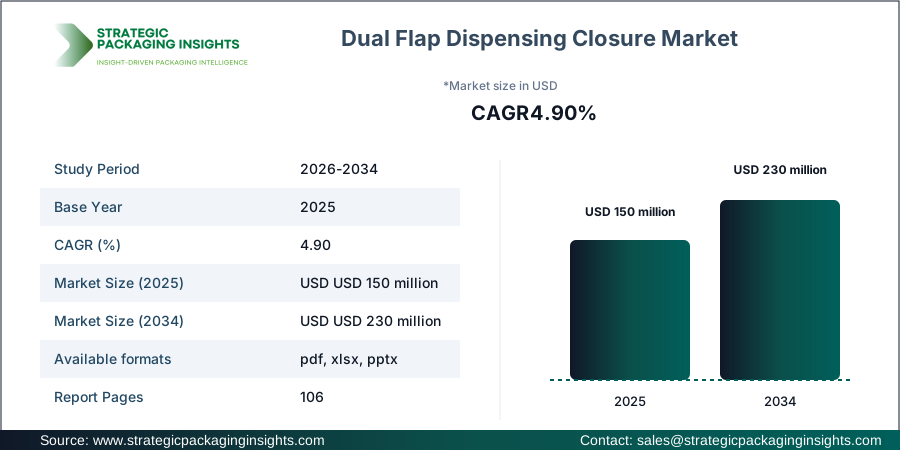
The Dual Flap Dispensing Closure market size was valued at USD 150 million in 2025 and is anticipated to reach USD 230 million by 2034, growing at a CAGR of 4.90% during the forecast period according to Strategic Packaging Insights. This market is witnessing significant growth due to the increasing demand for convenient and user-friendly packaging solutions across various industries. Companies like Berry Global and Silgan Holdings are at the forefront, driving innovation and expanding their product portfolios to cater to the evolving consumer preferences. The rise in demand for dual flap dispensing closures is primarily driven by the food and beverage sector, where these closures offer enhanced functionality and ease of use, making them a preferred choice among consumers.
One of the most impactful drivers of the Dual Flap Dispensing Closure market is the growing emphasis on sustainability and eco-friendly packaging solutions. Governments and regulatory bodies worldwide are implementing stringent regulations to reduce plastic waste, which is encouraging manufacturers to adopt recyclable and biodegradable materials in their products. This shift towards sustainable packaging is not only helping companies like AptarGroup and Mold-Rite Plastics to align with environmental goals but also enhancing their brand image and consumer trust. As consumers become more environmentally conscious, the demand for sustainable dual flap dispensing closures is expected to rise, further propelling market growth.
Report Scope
| Attributes | Details |
| Report Title | Dual Flap Dispensing Closure Market Size, Future Growth and Forecast 2034 |
| By Material | Polypropylene (PP), HDPE, LDPE |
| By Orifice Design | Sifter / Multi-Hole Side, Pour / Spoon Side, Combination Sifter-Pour |
| By Neck Size | Up to 43 mm, 43-63 mm, Above 63 mm |
| By End Use | Spices & Seasonings, Herbs, Powdered Food Products, Nutraceutical Powders, Household Chemicals, Craft & Glitter Products |
| By Region | North America (U.S., Canada, Mexico), Europe (Germany, UK, France, Italy, Spain, Rest of Europe), Asia Pacific (China, India, Japan, South Korea, Australia, Rest of Asia Pacific), Latin America (Brazil, Argentina, Rest of Latin America), Middle East & Africa (GCC Countries, South Africa, Rest of MEA) |
| Base Year | 2025 |
| Historic Period | 2018-2024 |
| Forecast Period | 2026-2034 |
| Number of Pages | 106 |
| Customization Available | Yes* |
Sustainability & Circular Economy Analysis
Sustainability initiatives and circular economy practices are significantly influencing the packaging market, particularly in the realm of dual flap dispensing closures. The integration of recyclable materials and reusable packaging solutions is becoming a norm as companies strive to meet consumer demands for eco-friendly products. Lightweight packaging and eco-friendly material innovations are at the forefront, with companies like Weener Plastics and O.Berk Company leading the charge. These initiatives not only reduce the carbon footprint but also align with extended producer responsibility (EPR) regulations, ensuring compliance and fostering a positive brand image.
The influence of sustainability trends extends to packaging design and manufacturing processes. Companies are investing in research and development to create innovative designs that minimize material usage while maximizing functionality. This shift is driving investment decisions and shaping supply chain strategies, as manufacturers seek to source sustainable materials and optimize production processes. The focus on waste reduction strategies and ESG initiatives is also prompting companies to reevaluate their packaging solutions, ensuring they meet regulatory compliance and long-term market competitiveness.
Consumer preferences for sustainable packaging are reshaping the market landscape, with a growing demand for products that align with environmental values. Packaging regulations are becoming more stringent, pushing companies to adopt sustainable practices and reduce their environmental impact. This trend is influencing investment decisions and supply chain strategies, as companies prioritize sustainability to maintain a competitive edge. As the market continues to evolve, the emphasis on sustainability will remain a key driver of innovation and growth in the dual flap dispensing closure market.
Packaging Value Chain & Supply Chain Analysis
The packaging value chain for dual flap dispensing closures encompasses a comprehensive ecosystem, from raw material sourcing to recycling networks. Raw material availability, particularly for polypropylene (PP) and HDPE, plays a crucial role in determining production capabilities and supply chain efficiency. Packaging converters and manufacturers like Closure Systems International and TricorBraun are pivotal in transforming these materials into functional closures, ensuring quality and consistency. Strategic partnerships with suppliers and logistics providers are essential to streamline operations and enhance supply chain resilience.
Logistics and distribution channels are integral components of the packaging supply chain, influencing market performance and business competitiveness. Efficient transportation and inventory management are critical to meeting consumer demand and maintaining product availability. Companies are increasingly focusing on localization and global sourcing strategies to mitigate risks and optimize supply chain operations. This approach not only enhances supply chain resilience but also reduces lead times and improves customer satisfaction.
Recycling networks and procurement strategies are becoming increasingly important as companies strive to meet sustainability goals and regulatory requirements. The integration of recycling initiatives into the supply chain is essential for reducing waste and promoting circular economy practices. Companies are investing in advanced packaging machinery and technologies to enhance production capabilities and improve supply chain efficiency. These efforts are crucial for maintaining a competitive edge in the market and meeting the evolving needs of consumers and regulatory bodies.
Opportunities & Threats
The dual flap dispensing closure market presents numerous opportunities for growth and innovation. One of the key opportunities lies in the expanding demand for convenient and user-friendly packaging solutions across various industries. As consumers increasingly seek products that offer ease of use and enhanced functionality, companies have the opportunity to develop innovative closure designs that cater to these preferences. Additionally, the growing emphasis on sustainability and eco-friendly packaging solutions presents a significant opportunity for companies to differentiate themselves in the market. By adopting recyclable and biodegradable materials, companies can align with consumer values and regulatory requirements, enhancing their brand image and market competitiveness.
Another opportunity in the market is the increasing adoption of dual flap dispensing closures in emerging markets. As economies in regions like Asia Pacific and Latin America continue to grow, there is a rising demand for packaged food products and household chemicals, driving the need for efficient and reliable packaging solutions. Companies can capitalize on this trend by expanding their presence in these regions and developing products that cater to local consumer preferences. Furthermore, advancements in packaging technology and design offer opportunities for companies to enhance product functionality and appeal, further driving market growth.
Despite the numerous opportunities, the dual flap dispensing closure market also faces certain threats. One of the primary challenges is the volatility in raw material prices, particularly for plastics like polypropylene and HDPE. Fluctuations in raw material costs can impact production expenses and profit margins, posing a threat to market stability. Additionally, the increasing regulatory scrutiny on plastic packaging and the push for sustainable alternatives may require companies to invest in new technologies and materials, potentially increasing operational costs. Companies must navigate these challenges by adopting strategic procurement strategies and investing in sustainable innovations to maintain their competitive edge.
Drivers & Challenges
The dual flap dispensing closure market is driven by several key factors, including the growing demand for convenient and user-friendly packaging solutions. As consumers increasingly prioritize ease of use and functionality, companies are focusing on developing innovative closure designs that meet these preferences. The rise in demand for packaged food products and household chemicals is also driving market growth, as these industries require efficient and reliable packaging solutions. Additionally, the increasing emphasis on sustainability and eco-friendly packaging is a significant driver, as companies strive to align with consumer values and regulatory requirements.
Another driver of the market is the advancements in packaging technology and design. Companies are investing in research and development to create innovative closure designs that enhance product functionality and appeal. This focus on innovation is driving market growth and enabling companies to differentiate themselves in a competitive landscape. Furthermore, the expanding demand for dual flap dispensing closures in emerging markets presents a significant growth opportunity, as companies can capitalize on the rising demand for packaged products in these regions.
Despite the positive drivers, the market also faces several challenges. One of the primary challenges is the volatility in raw material prices, particularly for plastics like polypropylene and HDPE. Fluctuations in raw material costs can impact production expenses and profit margins, posing a threat to market stability. Additionally, the increasing regulatory scrutiny on plastic packaging and the push for sustainable alternatives may require companies to invest in new technologies and materials, potentially increasing operational costs. Companies must navigate these challenges by adopting strategic procurement strategies and investing in sustainable innovations to maintain their competitive edge.
Market Share Analysis
The competitive landscape of the dual flap dispensing closure market is characterized by the presence of several key players, each striving to enhance their market share through innovation and strategic partnerships. Companies like Berry Global and Silgan Holdings are leading the market, leveraging their extensive product portfolios and global presence to maintain a competitive edge. These companies are focusing on developing innovative closure designs and expanding their product offerings to cater to the evolving consumer preferences and regulatory requirements.
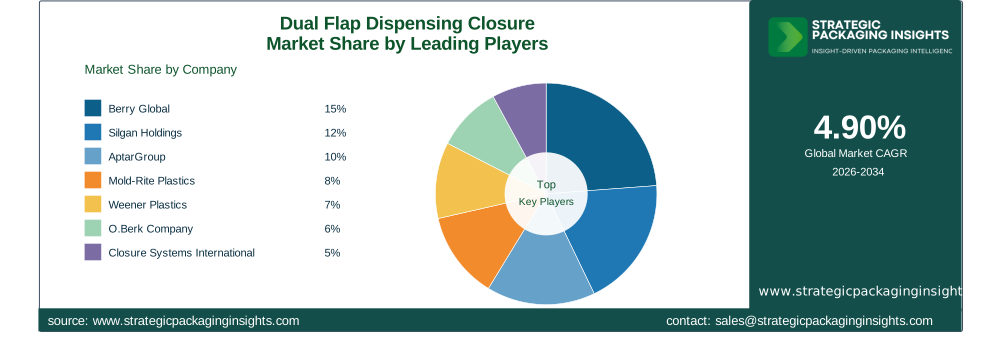
AptarGroup and Mold-Rite Plastics are also prominent players in the market, known for their commitment to sustainability and eco-friendly packaging solutions. These companies are investing in research and development to create innovative closure designs that align with consumer values and regulatory standards. Their focus on sustainability and innovation is helping them to differentiate themselves in a competitive market and enhance their brand image.
Weener Plastics and O.Berk Company are other notable players in the market, known for their extensive product offerings and commitment to quality. These companies are focusing on expanding their presence in emerging markets and developing products that cater to local consumer preferences. Their strategic partnerships and investments in advanced packaging technologies are helping them to maintain a competitive edge and drive market growth.
Closure Systems International and TricorBraun are also key players in the market, known for their innovative closure designs and commitment to sustainability. These companies are focusing on enhancing their product offerings and expanding their presence in emerging markets to capitalize on the growing demand for dual flap dispensing closures. Their focus on innovation and sustainability is helping them to maintain a competitive edge and drive market growth.
Key Highlights
- Market Size: USD 150 million in 2025, projected to reach USD 230 million by 2034.
- Growth Rate: CAGR of 4.90% during the forecast period.
- Leading Companies: Berry Global, Silgan Holdings, AptarGroup, Mold-Rite Plastics.
- Material Segment: Polypropylene (PP) is the most widely used material.
- Regional Growth: Asia Pacific is expected to witness the highest growth rate.
- End Use: Spices & Seasonings and Powdered Food Products are major end-use segments.
- Sustainability Focus: Increasing demand for eco-friendly and recyclable materials.
Dual Flap Dispensing Closure Market Segments Insights

By Material Analysis
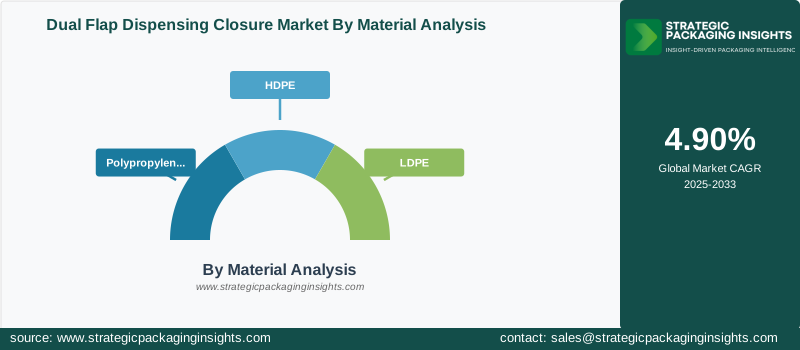
The material segment of the dual flap dispensing closure market is dominated by polypropylene (PP), HDPE, and LDPE. Polypropylene is the most widely used material due to its excellent chemical resistance, durability, and cost-effectiveness. It is favored by manufacturers like Berry Global and Silgan Holdings for its versatility and ability to withstand various environmental conditions. The demand for HDPE and LDPE is also significant, driven by their lightweight properties and recyclability, which align with the growing emphasis on sustainability and eco-friendly packaging solutions.
Manufacturers are increasingly focusing on developing innovative material formulations that enhance the performance and sustainability of dual flap dispensing closures. The integration of recycled materials and biodegradable options is gaining traction, as companies strive to meet consumer demands for eco-friendly products. This trend is driving investment in research and development, as companies seek to create materials that offer superior functionality and align with regulatory requirements. The focus on material innovation is expected to drive market growth and enhance the competitiveness of key players in the industry.
By Orifice Design Analysis
The orifice design segment of the dual flap dispensing closure market includes sifter/multi-hole side, pour/spoon side, and combination sifter-pour designs. The sifter/multi-hole side design is particularly popular in the spices and seasonings segment, where precise dispensing is crucial. Companies like AptarGroup and Mold-Rite Plastics are focusing on developing innovative orifice designs that enhance product functionality and consumer convenience. The pour/spoon side design is favored in the powdered food products segment, offering ease of use and controlled dispensing.
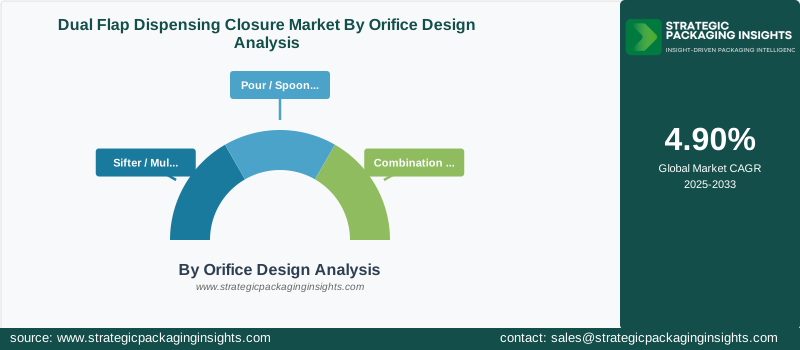
The combination sifter-pour design is gaining popularity due to its versatility and ability to cater to diverse consumer needs. This design allows for both precise dispensing and easy pouring, making it a preferred choice in the nutraceutical powders and household chemicals segments. Manufacturers are investing in advanced technologies to create innovative orifice designs that enhance product appeal and align with consumer preferences. The focus on orifice design innovation is expected to drive market growth and enhance the competitiveness of key players in the industry.
By Neck Size Analysis
The neck size segment of the dual flap dispensing closure market includes up to 43 mm, 43-63 mm, and above 63 mm. The up to 43 mm segment is widely used in the spices and seasonings and herbs segments, where precise dispensing is essential. Companies like Weener Plastics and O.Berk Company are focusing on developing innovative neck size designs that enhance product functionality and consumer convenience. The 43-63 mm segment is favored in the powdered food products and nutraceutical powders segments, offering ease of use and controlled dispensing.
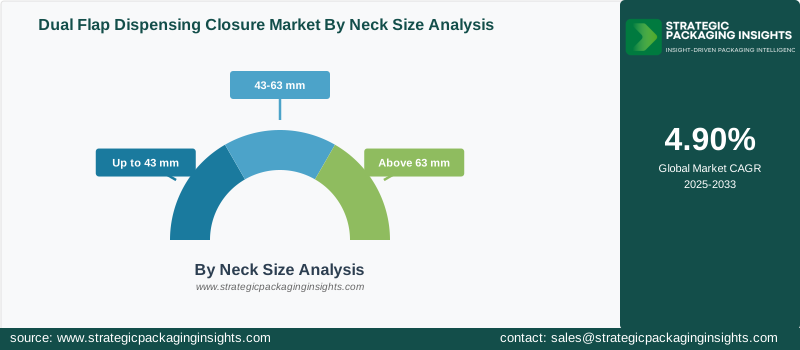
The above 63 mm segment is gaining popularity due to its versatility and ability to cater to diverse consumer needs. This segment is particularly popular in the household chemicals and craft & glitter products segments, where larger neck sizes are required for easy pouring and dispensing. Manufacturers are investing in advanced technologies to create innovative neck size designs that enhance product appeal and align with consumer preferences. The focus on neck size innovation is expected to drive market growth and enhance the competitiveness of key players in the industry.
By End Use Analysis
The end-use segment of the dual flap dispensing closure market includes spices & seasonings, herbs, powdered food products, nutraceutical powders, household chemicals, and craft & glitter products. The spices & seasonings segment is a major driver of market growth, as these products require precise dispensing and enhanced functionality. Companies like Closure Systems International and TricorBraun are focusing on developing innovative closure designs that cater to the specific needs of this segment, enhancing product appeal and consumer convenience.
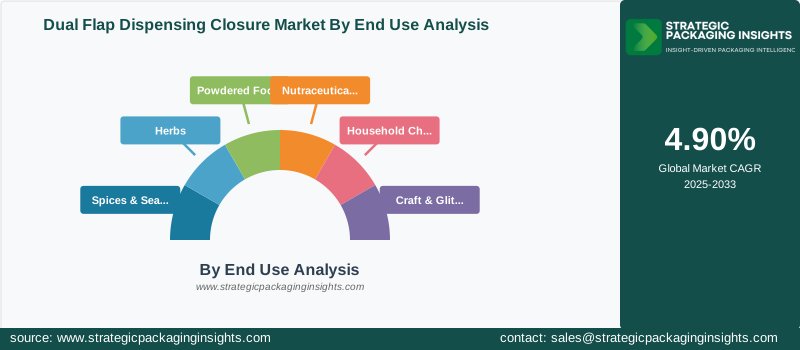
The powdered food products and nutraceutical powders segments are also significant contributors to market growth, driven by the increasing demand for convenient and user-friendly packaging solutions. The household chemicals and craft & glitter products segments are gaining traction, as consumers seek products that offer ease of use and enhanced functionality. Manufacturers are investing in advanced technologies to create innovative closure designs that cater to diverse consumer needs and align with regulatory requirements. The focus on end-use innovation is expected to drive market growth and enhance the competitiveness of key players in the industry.
Dual Flap Dispensing Closure Market Segments
The Dual Flap Dispensing Closure market has been segmented on the basis ofBy Material
- Polypropylene (PP)
- HDPE
- LDPE
By Orifice Design
- Sifter / Multi-Hole Side
- Pour / Spoon Side
- Combination Sifter-Pour
By Neck Size
- Up to 43 mm
- 43-63 mm
- Above 63 mm
By End Use
- Spices & Seasonings
- Herbs
- Powdered Food Products
- Nutraceutical Powders
- Household Chemicals
- Craft & Glitter Products
By Region
- North America (U.S., Canada, Mexico)
- Europe (Germany, UK, France, Italy, Spain, Rest of Europe)
- Asia Pacific (China, India, Japan, South Korea, Australia, Rest of Asia Pacific)
- Latin America (Brazil, Argentina, Rest of Latin America)
- Middle East & Africa (GCC Countries, South Africa, Rest of MEA)




