


Wood Pallets Market Outlook
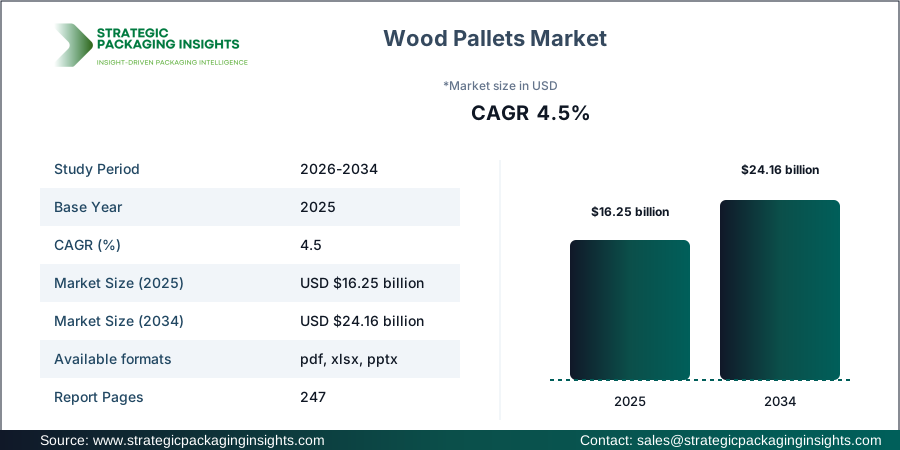
The wood pallets market was valued at $16.25 billion in 2025 and is projected to reach $24.16 billion by 2034, growing at a CAGR of 4.5% during the forecast period 2026-2034. This growth is driven by the increasing demand for efficient and sustainable packaging solutions across various industries. The rise in global trade and the expansion of the e-commerce sector have significantly boosted the demand for wood pallets, which are essential for the transportation and storage of goods. Additionally, the growing focus on reducing carbon footprints and the adoption of eco-friendly materials in packaging are further propelling the market. The versatility and cost-effectiveness of wood pallets make them a preferred choice for businesses looking to optimize their supply chain operations.
However, the market faces challenges such as stringent regulations regarding deforestation and the environmental impact of wood pallet production. These regulatory constraints are pushing manufacturers to innovate and develop sustainable alternatives, such as recycled and engineered wood pallets. Despite these challenges, the market holds significant growth potential due to the increasing adoption of automation in warehousing and logistics, which requires standardized pallet sizes and designs. The ongoing advancements in pallet design and the integration of technology, such as RFID tags for tracking, are expected to create new opportunities for market players. As businesses continue to prioritize sustainability and efficiency, the demand for wood pallets is anticipated to remain strong in the coming years.
Report Scope
| Attributes | Details |
| Report Title | Wood Pallets Market Size, Future Growth and Forecast 2034 |
| By Product Type | Stringer Pallets, Block Pallets, Custom Pallets, Recycled Pallets |
| By Wood Type | Softwood, Hardwood, Engineered Wood |
| By Application | Warehousing, Export Logistics, Retail Distribution, Manufacturing |
| By End Use | FMCG, Food & Beverage, Automotive, Chemicals, Logistics |
| Region | Asia Pacific, North America, Latin America, Europe, Middle East & Africa |
| Base Year | 2025 |
| Historic Period | 2018-2024 |
| Forecast Period | 2026-2034 |
| Number of Pages | 247 |
| Customization Available | Yes* |
Opportunities & Threats
The wood pallets market presents numerous opportunities, particularly in the realm of sustainability and innovation. As environmental concerns continue to rise, there is a growing demand for eco-friendly and recyclable packaging solutions. This trend is driving the development of pallets made from recycled wood and engineered wood, which offer a sustainable alternative to traditional pallets. Additionally, the increasing adoption of automation in logistics and warehousing is creating a demand for standardized pallet sizes and designs, which can be easily integrated into automated systems. This presents an opportunity for manufacturers to innovate and develop pallets that meet the specific needs of automated operations, thereby enhancing efficiency and reducing costs.
Another significant opportunity lies in the expansion of the e-commerce sector, which is driving the demand for efficient and reliable packaging solutions. As online shopping continues to grow, there is an increasing need for pallets that can withstand the rigors of transportation and storage. This is particularly true for the food and beverage industry, where the demand for pallets that can maintain product integrity and safety is paramount. Furthermore, the rise in global trade is creating opportunities for pallet manufacturers to expand their reach and tap into new markets. By leveraging these opportunities, companies can enhance their competitive edge and drive growth in the wood pallets market.
Despite the opportunities, the wood pallets market faces several threats, including regulatory challenges and competition from alternative materials. Stringent regulations regarding deforestation and the environmental impact of wood pallet production pose a significant threat to the market. These regulations are driving up production costs and forcing manufacturers to seek alternative materials, such as plastic and metal, which are perceived as more environmentally friendly. Additionally, the volatility in raw material prices, particularly wood, can impact the profitability of pallet manufacturers. To mitigate these threats, companies need to invest in sustainable practices and explore innovative solutions that reduce their environmental impact while maintaining cost-effectiveness.
Drivers & Challenges
One of the primary drivers of the wood pallets market is the increasing demand for efficient and sustainable packaging solutions. As businesses strive to optimize their supply chain operations, the need for reliable and cost-effective pallets has become paramount. Wood pallets offer several advantages, including durability, versatility, and ease of repair, making them a preferred choice for various industries. The rise in global trade and the expansion of the e-commerce sector have further fueled the demand for wood pallets, as they are essential for the transportation and storage of goods. Additionally, the growing focus on reducing carbon footprints and the adoption of eco-friendly materials in packaging are driving the market forward.
Another significant driver is the increasing adoption of automation in logistics and warehousing. As companies invest in automated systems to enhance efficiency and reduce costs, there is a growing demand for standardized pallet sizes and designs that can be easily integrated into these systems. This trend is creating opportunities for manufacturers to innovate and develop pallets that meet the specific needs of automated operations. Furthermore, the ongoing advancements in pallet design and the integration of technology, such as RFID tags for tracking, are expected to create new opportunities for market players. These drivers are contributing to the steady growth of the wood pallets market.
Despite the positive drivers, the wood pallets market faces several challenges that could hinder its growth. One of the primary challenges is the stringent regulations regarding deforestation and the environmental impact of wood pallet production. These regulatory constraints are pushing manufacturers to innovate and develop sustainable alternatives, such as recycled and engineered wood pallets. Additionally, the volatility in raw material prices, particularly wood, can impact the profitability of pallet manufacturers. The competition from alternative materials, such as plastic and metal, also poses a challenge to the market. To overcome these challenges, companies need to invest in sustainable practices and explore innovative solutions that reduce their environmental impact while maintaining cost-effectiveness.
Market Share Analysis
The wood pallets market is characterized by a competitive landscape with several key players vying for market share. Companies such as Brambles, PalletOne, Millwood, PECO Pallet, Falkenhahn, CABKA, Schoeller Allibert, Loscam, Craemer, and Rehrig Pacific are some of the prominent players in the market. These companies are focusing on expanding their product portfolios and enhancing their distribution networks to strengthen their market position. The competitive landscape is further intensified by the presence of numerous regional and local players who offer customized solutions to meet the specific needs of their clients.
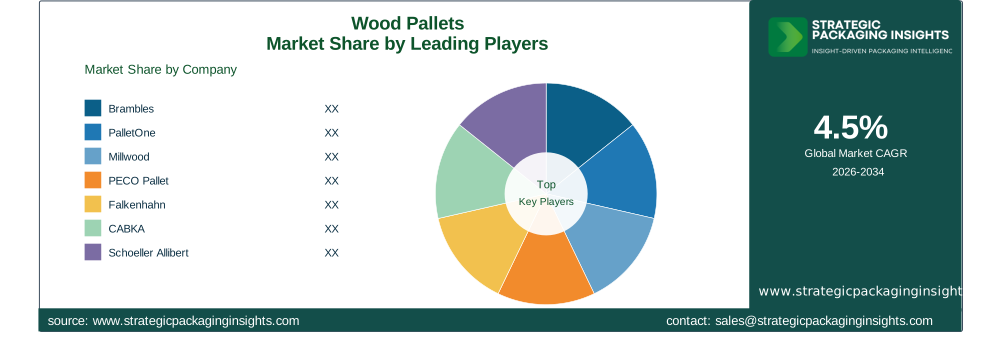
Brambles, a leading player in the wood pallets market, holds a significant market share due to its extensive global presence and strong customer base. The company is known for its innovative pallet solutions and commitment to sustainability, which have helped it maintain a competitive edge. PalletOne, another major player, is recognized for its high-quality pallets and efficient supply chain solutions. The company's focus on customer satisfaction and continuous improvement has enabled it to capture a substantial share of the market.
Millwood is a key player in the wood pallets market, known for its comprehensive range of pallet solutions and commitment to sustainability. The company has a strong presence in North America and is focused on expanding its operations to other regions. PECO Pallet, a leading provider of pallet pooling services, has gained a competitive advantage through its efficient logistics solutions and strong customer relationships. The company's focus on innovation and sustainability has helped it capture a significant share of the market.
Falkenhahn, CABKA, Schoeller Allibert, Loscam, Craemer, and Rehrig Pacific are other notable players in the wood pallets market. These companies are investing in research and development to enhance their product offerings and meet the evolving needs of their customers. By leveraging their strengths and focusing on innovation, these companies are well-positioned to capitalize on the growth opportunities in the wood pallets market.
Key Highlights
- The wood pallets market is projected to grow from $16.25 billion in 2025 to $24.16 billion by 2034, at a CAGR of 4.5%.
- Increasing demand for sustainable and eco-friendly packaging solutions is driving market growth.
- The rise in global trade and expansion of the e-commerce sector are boosting demand for wood pallets.
- Stringent regulations regarding deforestation and environmental impact pose challenges to the market.
- Automation in logistics and warehousing is creating opportunities for standardized pallet designs.
- Key players in the market include Brambles, PalletOne, Millwood, and PECO Pallet.
- Innovation in pallet design and integration of technology, such as RFID tags, are key trends.
- Volatility in raw material prices, particularly wood, can impact profitability.
- Competition from alternative materials, such as plastic and metal, poses a challenge.
Top Countries Insights
In the wood pallets market, the United States stands out as a key player, with a market size of approximately $5 billion and a CAGR of 3%. The country's robust logistics and warehousing infrastructure, coupled with the growth of the e-commerce sector, are driving demand for wood pallets. Additionally, the focus on sustainability and the adoption of eco-friendly materials in packaging are further propelling the market. However, regulatory challenges related to deforestation and environmental impact remain a concern for manufacturers.
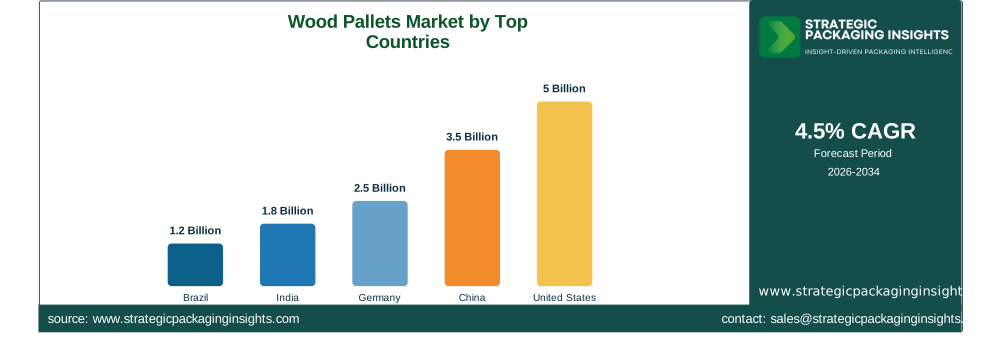
China is another significant market for wood pallets, with a market size of around $3.5 billion and a CAGR of 5%. The country's rapid industrialization and expansion of the manufacturing sector are driving demand for efficient packaging solutions. The government's focus on reducing carbon emissions and promoting sustainable practices is also contributing to market growth. However, the volatility in raw material prices and competition from alternative materials pose challenges to the market.
Germany, with a market size of approximately $2.5 billion and a CAGR of 4%, is a key player in the European wood pallets market. The country's strong manufacturing base and emphasis on sustainability are driving demand for wood pallets. The integration of automation in logistics and warehousing is also creating opportunities for standardized pallet designs. However, stringent regulations regarding deforestation and environmental impact remain a challenge for manufacturers.
India, with a market size of around $1.8 billion and a CAGR of 6%, is emerging as a significant market for wood pallets. The country's growing logistics and warehousing sector, coupled with the expansion of the e-commerce industry, are driving demand for efficient packaging solutions. The government's focus on promoting sustainable practices and reducing carbon emissions is also contributing to market growth. However, the volatility in raw material prices and competition from alternative materials pose challenges to the market.
Brazil, with a market size of approximately $1.2 billion and a CAGR of 4%, is a key player in the Latin American wood pallets market. The country's strong agricultural sector and emphasis on sustainability are driving demand for wood pallets. The integration of automation in logistics and warehousing is also creating opportunities for standardized pallet designs. However, regulatory challenges related to deforestation and environmental impact remain a concern for manufacturers.
Wood Pallets Market Segments Insights

Product Type Analysis
The wood pallets market is segmented by product type into stringer pallets, block pallets, custom pallets, and recycled pallets. Stringer pallets, known for their durability and ease of repair, are widely used in various industries, making them a popular choice among manufacturers. The demand for block pallets is also on the rise, driven by their strength and ability to handle heavy loads. Custom pallets, designed to meet specific customer requirements, are gaining traction as businesses seek tailored solutions to optimize their supply chain operations. Recycled pallets, made from reclaimed wood, are becoming increasingly popular due to their environmental benefits and cost-effectiveness. The growing focus on sustainability and the adoption of eco-friendly materials in packaging are driving the demand for recycled pallets.
In terms of competition, the product type segment is characterized by the presence of several key players who offer a wide range of pallet solutions to meet the diverse needs of their customers. Companies are investing in research and development to enhance their product offerings and gain a competitive edge. The integration of technology, such as RFID tags for tracking, is also becoming a key trend in the product type segment. As businesses continue to prioritize sustainability and efficiency, the demand for innovative and eco-friendly pallet solutions is expected to remain strong in the coming years.
Wood Type Analysis
The wood pallets market is segmented by wood type into softwood, hardwood, and engineered wood. Softwood pallets, known for their lightweight and cost-effectiveness, are widely used in various industries, making them a popular choice among manufacturers. The demand for hardwood pallets is also on the rise, driven by their strength and durability. Engineered wood pallets, made from composite materials, are gaining traction due to their environmental benefits and ability to withstand harsh conditions. The growing focus on sustainability and the adoption of eco-friendly materials in packaging are driving the demand for engineered wood pallets.
In terms of competition, the wood type segment is characterized by the presence of several key players who offer a wide range of pallet solutions to meet the diverse needs of their customers. Companies are investing in research and development to enhance their product offerings and gain a competitive edge. The integration of technology, such as RFID tags for tracking, is also becoming a key trend in the wood type segment. As businesses continue to prioritize sustainability and efficiency, the demand for innovative and eco-friendly pallet solutions is expected to remain strong in the coming years.
Application Analysis
The wood pallets market is segmented by application into warehousing, export logistics, retail distribution, and manufacturing. Warehousing is a major application segment, driven by the increasing demand for efficient storage solutions in logistics and supply chain operations. The rise in global trade and the expansion of the e-commerce sector are further fueling the demand for wood pallets in export logistics. Retail distribution is another significant application segment, as businesses seek reliable and cost-effective packaging solutions to optimize their supply chain operations. The manufacturing sector is also driving demand for wood pallets, as companies look to enhance efficiency and reduce costs.
In terms of competition, the application segment is characterized by the presence of several key players who offer a wide range of pallet solutions to meet the diverse needs of their customers. Companies are investing in research and development to enhance their product offerings and gain a competitive edge. The integration of technology, such as RFID tags for tracking, is also becoming a key trend in the application segment. As businesses continue to prioritize sustainability and efficiency, the demand for innovative and eco-friendly pallet solutions is expected to remain strong in the coming years.
End Use Analysis
The wood pallets market is segmented by end use into FMCG, food & beverage, automotive, chemicals, and logistics. The FMCG sector is a major end-use segment, driven by the increasing demand for efficient packaging solutions in the fast-moving consumer goods industry. The food & beverage industry is also driving demand for wood pallets, as companies seek reliable and cost-effective packaging solutions to maintain product integrity and safety. The automotive sector is another significant end-use segment, as manufacturers look to enhance efficiency and reduce costs. The chemicals industry is also driving demand for wood pallets, as companies seek reliable and cost-effective packaging solutions to optimize their supply chain operations.
In terms of competition, the end-use segment is characterized by the presence of several key players who offer a wide range of pallet solutions to meet the diverse needs of their customers. Companies are investing in research and development to enhance their product offerings and gain a competitive edge. The integration of technology, such as RFID tags for tracking, is also becoming a key trend in the end-use segment. As businesses continue to prioritize sustainability and efficiency, the demand for innovative and eco-friendly pallet solutions is expected to remain strong in the coming years.
Wood Pallets Market Segments
The Wood Pallets market has been segmented on the basis ofBy Product Type
- Stringer Pallets
- Block Pallets
- Custom Pallets
- Recycled Pallets
By Wood Type
- Softwood
- Hardwood
- Engineered Wood
By Application
- Warehousing
- Export Logistics
- Retail Distribution
- Manufacturing
By End Use
- FMCG
- Food & Beverage
- Automotive
- Chemicals
- Logistics
Region
- Asia Pacific
- North America
- Latin America
- Europe
- Middle East & Africa




