


Wine Capsule Market Outlook
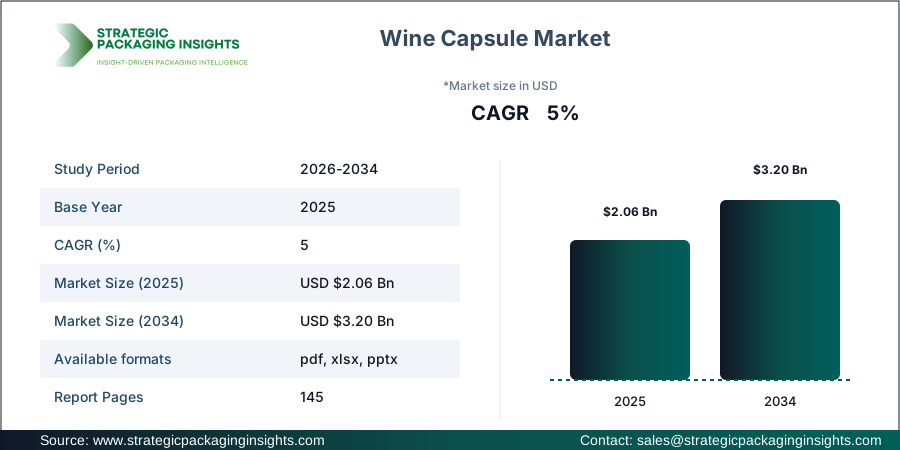
The Wine Capsule market size was valued at USD 2.06 billion in 2025 and is anticipated to reach USD 3.20 billion by 2034, growing at a CAGR of 5.0% during the forecast period according to Strategic Packaging Insights. The market is witnessing significant growth due to the increasing demand for premium wine packaging solutions. Companies like Amcor and Rivercap are leading the charge by offering innovative and aesthetically pleasing capsule designs that enhance the overall appeal of wine bottles. The rise in wine consumption globally, coupled with the growing trend of gifting premium wines, is further propelling the demand for wine capsules. The market is also benefiting from advancements in capsule materials, which are providing better protection and shelf appeal.
One of the most impactful drivers of the Wine Capsule market is the increasing consumer preference for sustainable and eco-friendly packaging solutions. According to recent reports, there is a growing demand for capsules made from recyclable and biodegradable materials, which is encouraging manufacturers to innovate and adopt greener practices. Companies like Sparflex and Ramondin are investing in research and development to create capsules that not only meet aesthetic and functional requirements but also align with environmental sustainability goals. This shift towards sustainable packaging is supported by government regulations and consumer advocacy groups pushing for reduced carbon footprints and waste in the packaging industry.
Report Scope
| Attributes | Details |
| Report Title | Wine Capsule Market Size, Future Growth and Forecast 2034 |
| By Material Type | Aluminum, Tin, PVC, Polylaminate |
| By Capsule Type | Heat-Shrink Capsules, Roll-On Capsules, Tin Capsules |
| By Application | Wine, Sparkling Wine, Spirits |
| By End Use | Wineries, Beverage Brands, Retail, Hospitality |
| Region | Asia Pacific, North America, Latin America, Europe, Middle East & Africa |
| Base Year | 2025 |
| Historic Period | 2018-2024 |
| Forecast Period | 2026-2034 |
| Number of Pages | 145 |
| Customization Available | Yes* |
Sustainability & Circular Economy Analysis
Sustainability initiatives are reshaping the Wine Capsule market, with a strong emphasis on recyclable materials and eco-friendly innovations. Companies are increasingly adopting lightweight packaging solutions to reduce material usage and transportation emissions. For instance, the use of aluminum and tin, which are highly recyclable, is gaining traction as they offer durability and a premium look while being environmentally friendly. This trend is not only reducing the carbon footprint but also aligning with consumer preferences for sustainable products.
The circular economy is influencing packaging design and manufacturing processes, encouraging the use of reusable and biodegradable materials. Extended Producer Responsibility (EPR) regulations are pushing manufacturers to take accountability for the entire lifecycle of their products, prompting investments in waste reduction strategies. Companies like Crealis and Maverick Enterprises are leading the way by integrating ESG initiatives into their operations, ensuring compliance with packaging regulations and enhancing their market competitiveness.
These sustainability trends are driving investment decisions and supply chain strategies, as companies seek to differentiate themselves through eco-friendly practices. The focus on reducing carbon footprints and adhering to packaging regulations is prompting brand owners and converters to innovate in material sourcing and production techniques. This shift is not only enhancing regulatory compliance but also ensuring long-term market competitiveness by meeting the evolving demands of environmentally conscious consumers.
Packaging Value Chain & Supply Chain Analysis
The packaging value chain for wine capsules involves a complex ecosystem of raw material suppliers, converters, manufacturers, and logistics providers. Raw material sourcing is critical, with aluminum, tin, and PVC being the primary materials used in capsule production. Companies like Lafitte Cork and Enoplastic are focusing on securing reliable suppliers to ensure consistent quality and availability of materials. The role of packaging converters is crucial as they transform raw materials into finished products, ready for distribution to wineries and beverage brands.
Supply chain efficiency is paramount in the Wine Capsule market, as it directly impacts production capabilities and market performance. Strategic partnerships between manufacturers and logistics providers are essential to streamline transportation and distribution channels. Companies are investing in advanced packaging machinery to enhance production efficiency and meet the growing demand for wine capsules. Inventory management and procurement strategies are also evolving, with a focus on localization and global sourcing to mitigate risks associated with raw material availability and transportation disruptions.
Recycling networks are becoming increasingly important in the supply chain, as companies aim to close the loop and promote circular economy practices. Brand owners and retailers are collaborating with recycling partners to ensure that used capsules are collected and processed efficiently. This not only supports sustainability goals but also enhances brand reputation and consumer trust. The integration of recycling initiatives into the supply chain is a strategic move that is expected to drive long-term growth and competitiveness in the Wine Capsule market.
Opportunities & Threats
The Wine Capsule market presents numerous opportunities for growth, driven by the increasing demand for premium and aesthetically pleasing packaging solutions. The rise in wine consumption, particularly in emerging markets, is creating a significant demand for innovative capsule designs that enhance the visual appeal of wine bottles. Companies like Guala Closures and Vinventions are capitalizing on this trend by offering customized solutions that cater to the diverse preferences of wineries and beverage brands. Additionally, the growing trend of gifting premium wines is further boosting the demand for high-quality capsules.
Another opportunity lies in the adoption of sustainable and eco-friendly packaging solutions. As consumers become more environmentally conscious, there is a growing demand for capsules made from recyclable and biodegradable materials. This trend is encouraging manufacturers to innovate and develop greener alternatives that align with sustainability goals. Companies that can successfully integrate eco-friendly practices into their operations are likely to gain a competitive edge in the market.
However, the Wine Capsule market also faces certain threats, primarily related to regulatory challenges and fluctuating raw material prices. Stringent packaging regulations and environmental standards are increasing compliance costs for manufacturers. Additionally, the volatility in the prices of raw materials like aluminum and tin can impact production costs and profit margins. Companies need to adopt effective risk management strategies and explore alternative materials to mitigate these challenges and ensure sustainable growth.
Drivers & Challenges
The Wine Capsule market is driven by several key factors, including the increasing demand for premium wine packaging solutions and the growing trend of gifting wines. The aesthetic appeal of wine bottles plays a crucial role in consumer purchasing decisions, prompting manufacturers to invest in innovative capsule designs. Companies like Amcor and Rivercap are leading the way by offering a wide range of capsule options that cater to the diverse preferences of wineries and beverage brands. The rise in wine consumption globally is also contributing to the market's growth, as more consumers seek high-quality packaging solutions.
Another significant driver is the shift towards sustainable and eco-friendly packaging practices. As consumers become more environmentally conscious, there is a growing demand for capsules made from recyclable and biodegradable materials. This trend is encouraging manufacturers to innovate and develop greener alternatives that align with sustainability goals. Companies that can successfully integrate eco-friendly practices into their operations are likely to gain a competitive edge in the market.
Despite these drivers, the Wine Capsule market faces several challenges, including regulatory hurdles and fluctuating raw material prices. Stringent packaging regulations and environmental standards are increasing compliance costs for manufacturers. Additionally, the volatility in the prices of raw materials like aluminum and tin can impact production costs and profit margins. Companies need to adopt effective risk management strategies and explore alternative materials to mitigate these challenges and ensure sustainable growth.
Market Share Analysis
The Wine Capsule market is characterized by a competitive landscape with several key players vying for market share. Companies like Amcor, Rivercap, and Ramondin are leading the market with their innovative product offerings and strong distribution networks. These companies have established themselves as leaders by consistently delivering high-quality capsules that meet the diverse needs of wineries and beverage brands. Their focus on sustainability and eco-friendly practices has also contributed to their market dominance.
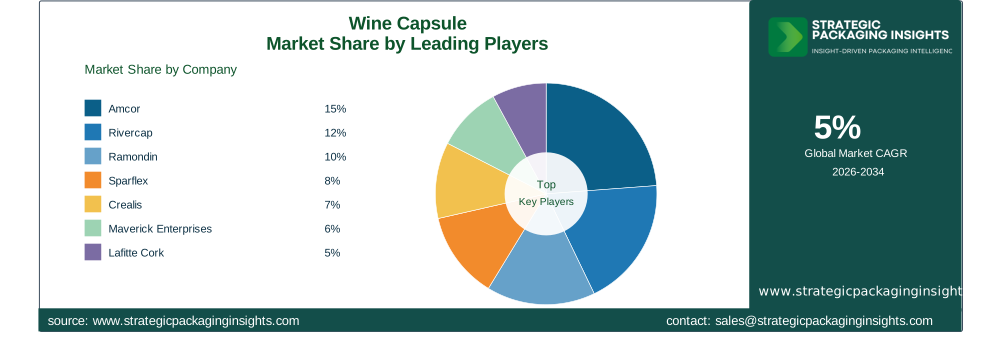
Amcor, a global leader in packaging solutions, holds a significant share of the Wine Capsule market. The company's commitment to innovation and sustainability has enabled it to offer a wide range of capsule options that cater to the evolving preferences of consumers. Rivercap, known for its premium capsule designs, has also captured a substantial market share by providing customized solutions that enhance the visual appeal of wine bottles. Ramondin, with its focus on quality and customer satisfaction, has established a strong presence in the market.
Sparflex and Crealis are other notable players in the Wine Capsule market, known for their innovative designs and commitment to sustainability. These companies have invested in research and development to create capsules that not only meet aesthetic and functional requirements but also align with environmental sustainability goals. Maverick Enterprises and Lafitte Cork are also key players, offering a diverse range of capsule options that cater to the needs of wineries and beverage brands.
Enoplastic and Guala Closures are recognized for their strong distribution networks and ability to deliver high-quality capsules to a global customer base. Vinventions, with its focus on innovation and customer satisfaction, has also gained a significant market share. These companies are leveraging their expertise and resources to expand their market presence and meet the growing demand for premium wine packaging solutions.
Key Highlights
- Market Size: The Wine Capsule market was valued at USD 2.06 billion in 2025 and is projected to reach USD 3.20 billion by 2034.
- Growth Rate: The market is expected to grow at a CAGR of 5.0% during the forecast period.
- Leading Companies: Key players include Amcor, Rivercap, Ramondin, Sparflex, and Crealis.
- Material Trends: Aluminum and tin are gaining popularity due to their recyclability and premium look.
- Sustainability Focus: Increasing demand for eco-friendly and biodegradable capsule materials.
- Regional Insights: Asia Pacific is expected to witness significant growth due to rising wine consumption.
- Application Segments: Wine and sparkling wine applications dominate the market.
Wine Capsule Market Segments Insights

By Material Type Analysis
The Wine Capsule market is segmented by material type into aluminum, tin, PVC, and polylaminate. Aluminum and tin are gaining popularity due to their recyclability and premium appearance, making them the preferred choice for premium wine packaging. These materials offer durability and a high-end look, aligning with consumer preferences for sustainable and aesthetically pleasing packaging solutions. Companies like Amcor and Rivercap are leveraging these materials to create innovative capsule designs that enhance the visual appeal of wine bottles.

PVC and polylaminate capsules are also widely used in the market, offering flexibility and cost-effectiveness. These materials are favored by wineries and beverage brands looking for affordable packaging solutions without compromising on quality. The demand for PVC and polylaminate capsules is driven by their ability to provide a secure seal and protect the integrity of the wine. As the market continues to evolve, manufacturers are exploring new material innovations to meet the growing demand for sustainable and eco-friendly packaging solutions.
By Capsule Type Analysis
The Wine Capsule market is segmented by capsule type into heat-shrink capsules, roll-on capsules, and tin capsules. Heat-shrink capsules are widely used due to their ease of application and ability to provide a secure seal. These capsules are favored by wineries and beverage brands for their cost-effectiveness and versatility. Roll-on capsules, on the other hand, offer a premium look and are often used for high-end wine packaging. These capsules provide a tamper-evident seal and enhance the overall aesthetic appeal of wine bottles.

Tin capsules are gaining traction in the market due to their premium appearance and recyclability. These capsules are preferred by wineries and beverage brands looking to differentiate their products and enhance their brand image. The demand for tin capsules is driven by the growing trend of gifting premium wines and the increasing consumer preference for sustainable packaging solutions. As the market continues to evolve, manufacturers are focusing on developing innovative capsule designs that cater to the diverse needs of wineries and beverage brands.
By Application Analysis
The Wine Capsule market is segmented by application into wine, sparkling wine, and spirits. Wine and sparkling wine applications dominate the market, driven by the increasing consumption of these beverages globally. The demand for premium wine packaging solutions is rising as consumers seek high-quality products that enhance the visual appeal of wine bottles. Companies like Sparflex and Crealis are capitalizing on this trend by offering customized capsule designs that cater to the diverse preferences of wineries and beverage brands.

The spirits segment is also witnessing significant growth, driven by the rising demand for premium spirits and the growing trend of gifting high-end alcoholic beverages. The demand for capsules in the spirits segment is driven by the need for secure and aesthetically pleasing packaging solutions that enhance the overall brand image. As the market continues to evolve, manufacturers are focusing on developing innovative capsule designs that cater to the diverse needs of wineries and beverage brands.
By End Use Analysis
The Wine Capsule market is segmented by end use into wineries, beverage brands, retail, and hospitality. Wineries and beverage brands are the primary end users of wine capsules, driven by the need for high-quality packaging solutions that enhance the visual appeal of wine bottles. The demand for capsules in these segments is driven by the increasing consumption of wine and the growing trend of gifting premium wines.

The retail and hospitality segments are also witnessing significant growth, driven by the rising demand for premium wine packaging solutions. The demand for capsules in these segments is driven by the need for secure and aesthetically pleasing packaging solutions that enhance the overall brand image. As the market continues to evolve, manufacturers are focusing on developing innovative capsule designs that cater to the diverse needs of wineries and beverage brands.
Wine Capsule Market Segments
The Wine Capsule market has been segmented on the basis ofBy Material Type
- Aluminum
- Tin
- PVC
- Polylaminate
By Capsule Type
- Heat-Shrink Capsules
- Roll-On Capsules
- Tin Capsules
By Application
- Wine
- Sparkling Wine
- Spirits
By End Use
- Wineries
- Beverage Brands
- Retail
- Hospitality
Region
- Asia Pacific
- North America
- Latin America
- Europe
- Middle East & Africa




