


Wine Market Outlook
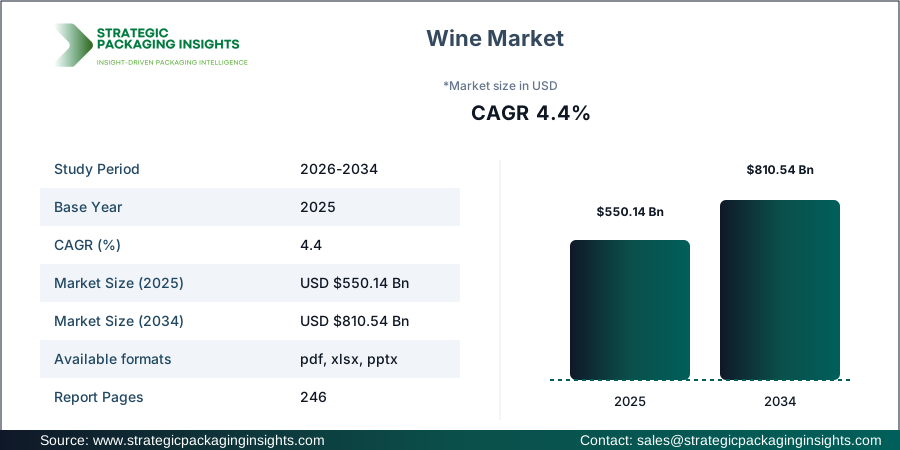
The wine market was valued at $550.14 billion in 2025 and is projected to reach $810.54 billion by 2034, growing at a CAGR of 4.4% during the forecast period 2026-2034. This growth is driven by increasing consumer interest in premium and luxury wines, alongside a rising trend of wine consumption in emerging markets. The market is also benefiting from innovations in wine production and packaging, which are making wine more accessible and appealing to a broader audience. Additionally, the growing popularity of wine tourism and wine-tasting events is further fueling market expansion.
Report Scope
| Attributes | Details |
| Report Title | Wine Market Size, Future Growth and Forecast 2034 |
| Type | Red, White, Sparkling, Fortified |
| Packaging | Glass Bottle, Box, Can, Pouch |
| Distribution | On-Trade, Off-Trade, Online |
| Price Tier | Value, Premium, Luxury |
| Region | Asia Pacific, North America, Latin America, Europe, Middle East & Africa |
| Base Year | 2025 |
| Historic Period | 2018-2024 |
| Forecast Period | 2026-2034 |
| Number of Pages | 246 |
| Customization Available | Yes* |
Opportunities & Threats
One of the significant opportunities in the wine market is the increasing demand for organic and biodynamic wines. As consumers become more health-conscious and environmentally aware, there is a growing preference for wines produced with sustainable practices. This trend is particularly strong in developed markets, where consumers are willing to pay a premium for wines that align with their values. Additionally, the rise of e-commerce platforms has opened new avenues for wine distribution, allowing producers to reach a global audience and tap into markets that were previously inaccessible.
Another opportunity lies in the expanding middle class in emerging economies, which is leading to increased disposable income and a growing interest in wine consumption. Countries in Asia Pacific and Latin America are witnessing a surge in wine demand, driven by changing lifestyles and the influence of Western culture. This presents a lucrative opportunity for wine producers to expand their presence in these regions and cater to the evolving tastes of consumers.
However, the wine market faces several threats, including stringent regulations and tariffs that can impact international trade. The imposition of high taxes on alcoholic beverages in certain countries can also deter consumers and affect market growth. Additionally, the wine industry is susceptible to climate change, which can affect grape production and lead to fluctuations in supply and quality. Producers must adapt to these challenges by investing in sustainable practices and exploring new grape varieties that are more resilient to changing climatic conditions.
Drivers & Challenges
The wine market is driven by several key factors, including the increasing popularity of wine as a lifestyle beverage. Wine is often associated with sophistication and social status, making it a preferred choice for social gatherings and celebrations. The growing trend of wine pairing with food is also contributing to market growth, as consumers seek to enhance their dining experiences with complementary wine selections. Furthermore, the rise of wine tourism and vineyard tours is attracting enthusiasts and boosting wine sales.
Technological advancements in wine production and packaging are also driving market growth. Innovations such as automated grape harvesting, precision viticulture, and advanced fermentation techniques are improving the efficiency and quality of wine production. Additionally, the development of eco-friendly packaging solutions, such as lightweight glass bottles and recyclable pouches, is appealing to environmentally conscious consumers and reducing the carbon footprint of wine distribution.
Despite these drivers, the wine market faces challenges such as intense competition and market saturation in developed regions. With a plethora of wine brands and varieties available, producers must differentiate themselves through unique offerings and effective marketing strategies. Additionally, the impact of climate change on grape production poses a significant challenge, as unpredictable weather patterns can affect yield and quality. Wine producers must invest in research and development to adapt to these changes and ensure a consistent supply of high-quality grapes.
Market Share Analysis
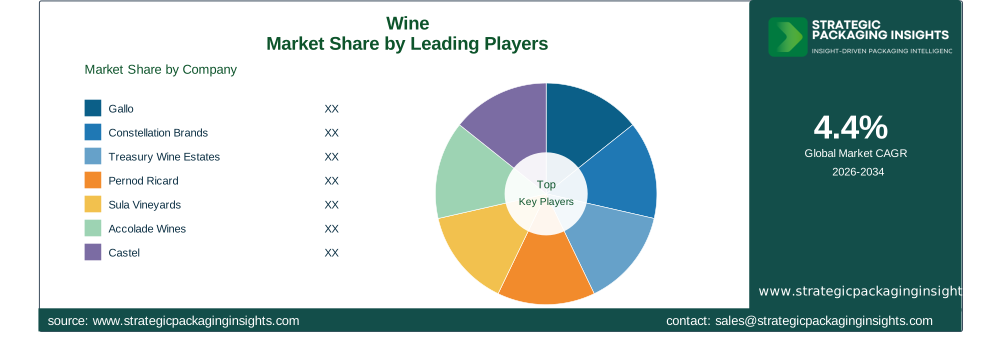
The competitive landscape of the wine market is characterized by the presence of several key players who dominate the industry. Companies such as Gallo, Constellation Brands, and Treasury Wine Estates hold significant market shares due to their extensive product portfolios and strong distribution networks. These companies have established themselves as leaders in the market by consistently delivering high-quality wines and leveraging strategic partnerships to expand their reach.
Gallo, one of the largest wine producers globally, has a diverse range of brands that cater to different consumer segments. The company's focus on innovation and sustainability has helped it maintain a competitive edge in the market. Constellation Brands, known for its premium wine offerings, has been expanding its portfolio through acquisitions and strategic partnerships, further strengthening its market position.
Treasury Wine Estates, a leading player in the premium wine segment, has a strong presence in key markets such as North America and Asia Pacific. The company's focus on brand building and consumer engagement has contributed to its success in capturing market share. Pernod Ricard, another major player, has a diverse portfolio of wines and spirits, allowing it to leverage cross-category synergies and enhance its market presence.
Other notable companies in the wine market include Sula Vineyards, Accolade Wines, Castel, Jacob’s Creek, E. & J. Gallo, and The Wine Group. These companies have established themselves as key players through strategic investments in production facilities, marketing initiatives, and distribution networks. Their ability to adapt to changing consumer preferences and market dynamics has enabled them to maintain a strong foothold in the competitive wine market.
Key Highlights
- The wine market is projected to grow from $550.14 billion in 2025 to $810.54 billion by 2034, at a CAGR of 4.4%.
- Increasing demand for organic and biodynamic wines is driving market growth.
- Emerging markets in Asia Pacific and Latin America present significant growth opportunities.
- Technological advancements in wine production and packaging are enhancing market efficiency.
- Stringent regulations and tariffs pose challenges to international trade.
- Climate change impacts grape production, affecting supply and quality.
- Key players include Gallo, Constellation Brands, and Treasury Wine Estates.
- Wine tourism and vineyard tours are boosting wine sales.
- Eco-friendly packaging solutions are appealing to environmentally conscious consumers.
Top Countries Insights
The United States is one of the largest wine markets globally, with a market size of approximately $65 billion and a CAGR of 3%. The country's wine industry is driven by a strong culture of wine consumption, diverse wine offerings, and a growing interest in premium and luxury wines. The presence of renowned wine regions such as Napa Valley and Sonoma County further enhances the country's market position.
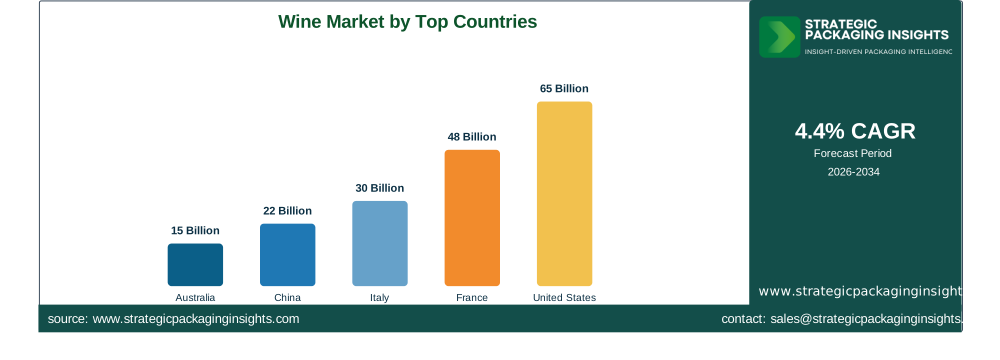
France, known for its rich wine heritage, has a market size of around $48 billion and a CAGR of 2%. The country's wine industry is characterized by its emphasis on quality and tradition, with a strong focus on appellation and terroir. France's wine exports continue to thrive, driven by demand from international markets and the country's reputation for producing some of the world's finest wines.
Italy, another major player in the wine market, has a market size of approximately $30 billion and a CAGR of 2%. The country's diverse wine regions and grape varieties contribute to its strong market presence. Italy's wine industry benefits from a robust domestic market and a growing demand for Italian wines in international markets, particularly in the United States and Asia.
China, with a market size of around $22 billion and a CAGR of 5%, is emerging as a significant player in the global wine market. The country's growing middle class and increasing disposable income are driving wine consumption, with a particular interest in imported wines. China's wine industry is also benefiting from government initiatives to promote domestic wine production and consumption.
Australia, with a market size of approximately $15 billion and a CAGR of 4%, is known for its innovative wine production techniques and diverse wine offerings. The country's wine industry is driven by strong export demand, particularly from markets such as China and the United States. Australia's focus on sustainability and quality has helped it establish a strong reputation in the global wine market.
Wine Market Segments Insights

Type Analysis
The wine market is segmented by type into red, white, sparkling, and fortified wines. Red wine holds a significant share of the market, driven by its popularity among consumers and perceived health benefits. The demand for red wine is particularly strong in regions such as Europe and North America, where it is often associated with fine dining and social occasions. White wine, on the other hand, is favored for its refreshing taste and versatility, making it a popular choice for casual consumption and pairing with a variety of cuisines.
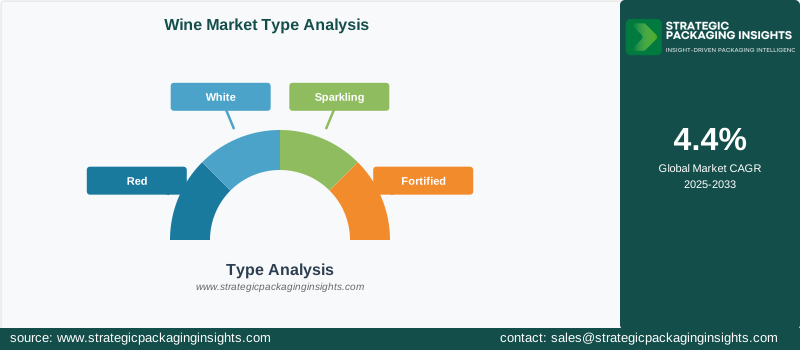
Sparkling wine is experiencing a surge in demand, driven by its association with celebrations and special occasions. The growing popularity of sparkling wine in emerging markets is contributing to its market growth, as consumers seek to emulate Western lifestyles and indulge in luxury experiences. Fortified wines, such as port and sherry, continue to have a niche market, with demand driven by their unique flavors and historical significance.
Packaging Analysis
In terms of packaging, glass bottles remain the dominant choice for wine packaging, owing to their ability to preserve the quality and flavor of wine. Glass bottles are also favored for their premium appearance and recyclability, aligning with consumer preferences for sustainable packaging solutions. However, alternative packaging options such as boxes, cans, and pouches are gaining traction, particularly among younger consumers and those seeking convenience.

Boxed wine offers advantages such as extended shelf life and ease of storage, making it a popular choice for casual consumption and outdoor events. Canned wine is gaining popularity for its portability and single-serving convenience, appealing to consumers seeking on-the-go options. Pouches, although still a niche segment, are being explored for their lightweight and eco-friendly attributes, offering potential for growth in the future.
Distribution Analysis
The distribution of wine is segmented into on-trade, off-trade, and online channels. On-trade distribution, which includes sales through restaurants, bars, and hotels, is a significant channel for premium and luxury wines. The on-trade segment benefits from the experiential aspect of wine consumption, where consumers can enjoy wine in a social setting and receive recommendations from sommeliers.

Off-trade distribution, which includes sales through retail outlets and supermarkets, accounts for a substantial share of the wine market. This channel offers consumers a wide range of wine options at various price points, catering to different preferences and budgets. The rise of online wine sales is transforming the distribution landscape, providing consumers with the convenience of purchasing wine from the comfort of their homes and accessing a broader selection of wines from around the world.
Price Tier Analysis
The wine market is segmented by price tier into value, premium, and luxury wines. Value wines, which are affordable and accessible, account for a significant share of the market, catering to price-sensitive consumers and those seeking everyday drinking options. The demand for value wines is particularly strong in emerging markets, where consumers are gradually transitioning from traditional alcoholic beverages to wine.

Premium wines, which offer higher quality and unique characteristics, are gaining popularity among consumers seeking a more refined drinking experience. The premium segment is driven by the growing trend of wine appreciation and the desire for wines that reflect craftsmanship and terroir. Luxury wines, which are often associated with exclusivity and prestige, cater to affluent consumers and collectors who are willing to invest in rare and limited-edition wines.
Wine Market Segments
The Wine market has been segmented on the basis ofType
- Red
- White
- Sparkling
- Fortified
Packaging
- Glass Bottle
- Box
- Can
- Pouch
Distribution
- On-Trade
- Off-Trade
- Online
Price Tier
- Value
- Premium
- Luxury
Region
- Asia Pacific
- North America
- Latin America
- Europe
- Middle East & Africa




