


Wine Packaging Market Outlook
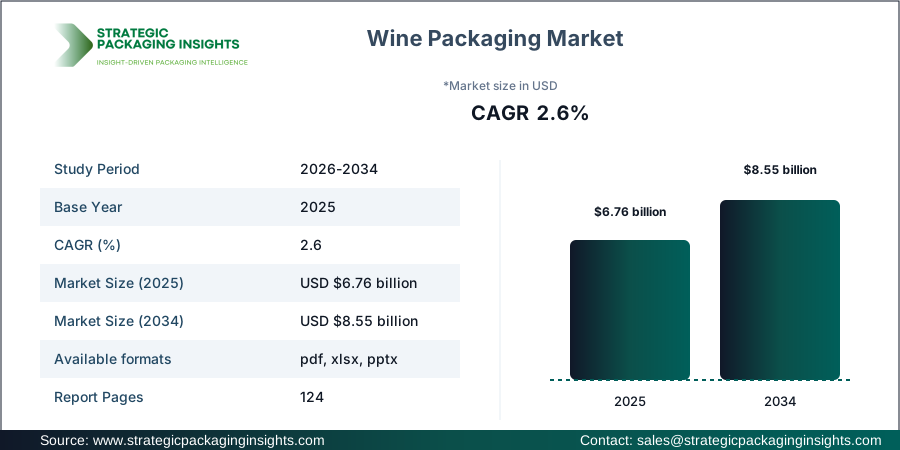
The wine packaging market was valued at $6.76 billion in 2025 and is projected to reach $8.55 billion by 2034, growing at a CAGR of 2.6% during the forecast period 2026-2034. This growth is driven by increasing global wine consumption, particularly in emerging markets where wine is becoming a popular beverage choice. The demand for premium and sparkling wines is also on the rise, necessitating innovative packaging solutions that not only preserve the quality of the wine but also enhance its aesthetic appeal. The market is further bolstered by advancements in packaging technology, which are enabling manufacturers to offer more sustainable and cost-effective solutions. Additionally, the growing trend of online wine sales is pushing the need for packaging that ensures safe transportation and maintains product integrity.
However, the market faces challenges such as stringent environmental regulations and the high cost of raw materials, which can impact profitability. The shift towards eco-friendly packaging is both a challenge and an opportunity, as companies need to invest in new technologies and materials to meet regulatory requirements and consumer expectations. Despite these challenges, the wine packaging market holds significant growth potential, driven by the increasing demand for innovative and sustainable packaging solutions. The market is also witnessing a shift towards lightweight and recyclable materials, which are not only cost-effective but also reduce the carbon footprint of packaging. As a result, companies are focusing on developing new packaging designs that are both functional and environmentally friendly.
Report Scope
| Attributes | Details |
| Report Title | Wine Packaging Market Size, Future Growth and Forecast 2034 |
| By Packaging Type | glass bottles, bag-in-box, cartons, closures |
| By Material Type | glass, paperboard, plastic, metal |
| By Application | still wine, sparkling wine, premium wine |
| By End Use | wineries, retailers, hospitality, exporters |
| Region | Asia Pacific, North America, Latin America, Europe, Middle East & Africa |
| Base Year | 2025 |
| Historic Period | 2018-2024 |
| Forecast Period | 2026-2034 |
| Number of Pages | 124 |
| Customization Available | Yes* |
Opportunities & Threats
The wine packaging market presents numerous opportunities, particularly in the realm of sustainable packaging solutions. As consumers become more environmentally conscious, there is a growing demand for packaging that is not only aesthetically pleasing but also eco-friendly. This has led to an increase in the use of recyclable materials such as glass and paperboard, as well as the development of biodegradable packaging options. Companies that can innovate in this space are likely to gain a competitive edge, as sustainability becomes a key differentiator in the market. Additionally, the rise of e-commerce and online wine sales presents an opportunity for packaging solutions that ensure safe and efficient delivery, further driving demand for innovative packaging designs.
Another significant opportunity lies in the premium wine segment, where packaging plays a crucial role in brand differentiation and consumer perception. As the demand for premium and luxury wines grows, there is an increasing need for packaging that reflects the quality and exclusivity of the product. This includes the use of high-quality materials, unique designs, and advanced printing techniques that enhance the visual appeal of the packaging. Companies that can offer customized and premium packaging solutions are likely to benefit from this trend, as consumers are willing to pay a premium for packaging that enhances their overall wine experience.
Despite these opportunities, the wine packaging market faces several threats, including the volatility of raw material prices and the impact of economic downturns on consumer spending. The high cost of materials such as glass and metal can affect the profitability of packaging manufacturers, particularly in a competitive market where price is a key consideration. Additionally, economic uncertainties and fluctuations in consumer spending can impact the demand for wine and, consequently, wine packaging. Companies need to be agile and adaptable to navigate these challenges, focusing on cost-effective solutions and strategic partnerships to mitigate risks and maintain market competitiveness.
Drivers & Challenges
The wine packaging market is driven by several key factors, including the increasing global consumption of wine and the growing demand for premium and sparkling wines. As wine becomes a popular beverage choice across various demographics, there is a corresponding need for packaging solutions that not only preserve the quality of the wine but also enhance its visual appeal. The rise of e-commerce and online wine sales is another significant driver, as it necessitates packaging that ensures safe transportation and maintains product integrity. Additionally, advancements in packaging technology are enabling manufacturers to offer more sustainable and cost-effective solutions, further driving market growth.
Another major driver is the shift towards eco-friendly packaging, as consumers become more environmentally conscious and demand sustainable solutions. This has led to an increase in the use of recyclable materials such as glass and paperboard, as well as the development of biodegradable packaging options. Companies that can innovate in this space are likely to gain a competitive edge, as sustainability becomes a key differentiator in the market. The growing trend of premiumization in the wine industry is also driving demand for high-quality packaging that reflects the exclusivity and quality of the product.
However, the wine packaging market faces several challenges, including stringent environmental regulations and the high cost of raw materials. The shift towards eco-friendly packaging is both a challenge and an opportunity, as companies need to invest in new technologies and materials to meet regulatory requirements and consumer expectations. Additionally, the volatility of raw material prices can impact profitability, particularly in a competitive market where price is a key consideration. Companies need to be agile and adaptable to navigate these challenges, focusing on cost-effective solutions and strategic partnerships to mitigate risks and maintain market competitiveness.
Market Share Analysis
The competitive landscape of the wine packaging market is characterized by the presence of several key players, each vying for market share through innovation, strategic partnerships, and expansion into new markets. Ardagh Group, a leading provider of glass and metal packaging solutions, holds a significant share of the market, driven by its extensive product portfolio and strong focus on sustainability. O-I Glass, another major player, is renowned for its innovative glass packaging solutions and commitment to reducing its environmental footprint. Verallia, a global leader in glass packaging, is known for its high-quality products and strong customer relationships, which have helped it maintain a competitive edge in the market.
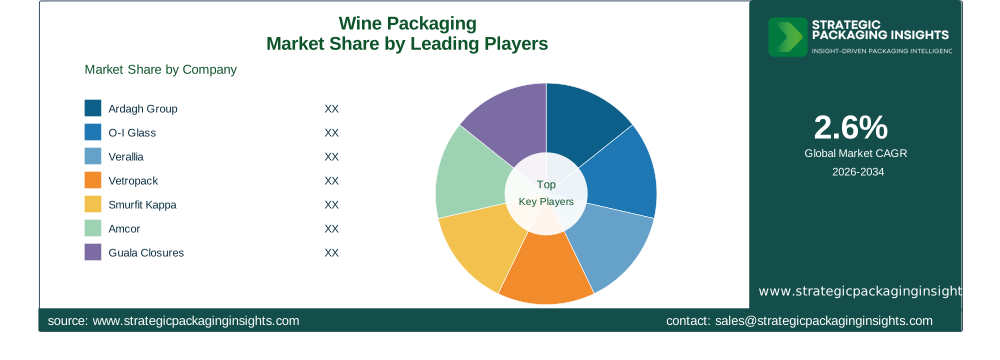
Vetropack, a prominent player in the European market, is recognized for its focus on innovation and sustainability, offering a wide range of glass packaging solutions for the wine industry. Smurfit Kappa, a leading provider of paper-based packaging solutions, has a strong presence in the market, driven by its commitment to sustainability and innovation. Amcor, a global leader in packaging solutions, is known for its diverse product portfolio and focus on sustainable packaging, which has helped it capture a significant share of the market. Guala Closures, a leading provider of closure solutions, is recognized for its innovative products and strong focus on sustainability.
Vinventions, a key player in the wine closure market, is known for its innovative and sustainable closure solutions, which have helped it gain a competitive edge in the market. Amorim Cork, a leading provider of cork solutions, is renowned for its high-quality products and strong focus on sustainability, which have helped it maintain a strong presence in the market. Berlin Packaging, a leading provider of packaging solutions, is known for its diverse product portfolio and strong customer relationships, which have helped it capture a significant share of the market. These companies are continuously investing in research and development to offer innovative and sustainable packaging solutions that meet the evolving needs of the wine industry.
Key Highlights
- The wine packaging market is projected to grow from $6.76 billion in 2025 to $8.55 billion by 2034, at a CAGR of 2.6%.
- Increasing global wine consumption and the rise of e-commerce are key drivers of market growth.
- The demand for premium and sparkling wines is driving the need for innovative and aesthetically pleasing packaging solutions.
- Sustainability is a key trend, with a growing demand for eco-friendly and recyclable packaging materials.
- Advancements in packaging technology are enabling manufacturers to offer more cost-effective and sustainable solutions.
- The market is characterized by the presence of several key players, each focusing on innovation and strategic partnerships to gain a competitive edge.
- Stringent environmental regulations and the high cost of raw materials are key challenges facing the market.
- The shift towards lightweight and recyclable materials is reducing the carbon footprint of packaging.
- Companies are focusing on developing new packaging designs that are both functional and environmentally friendly.
Top Countries Insights
In the wine packaging market, the United States stands out as a key player, with a market size of approximately $1.5 billion and a CAGR of 3%. The country's robust wine industry, coupled with a strong focus on sustainability, drives demand for innovative packaging solutions. The shift towards eco-friendly materials and the rise of e-commerce are significant growth drivers, although regulatory challenges around packaging waste remain a concern.
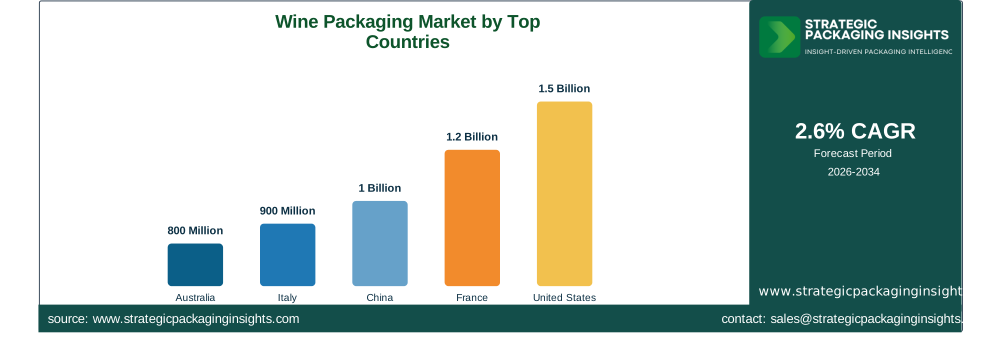
France, with its rich wine heritage, holds a market size of around $1.2 billion and a CAGR of 2%. The demand for premium wine packaging is high, driven by the country's focus on quality and tradition. However, the market faces challenges from stringent environmental regulations and the need for sustainable packaging solutions. Innovation in packaging design and materials is crucial to meet consumer expectations and regulatory requirements.
China, with a market size of approximately $1 billion and a CAGR of 4%, is experiencing rapid growth in wine consumption, particularly among the younger demographic. The demand for premium and imported wines is driving the need for high-quality packaging solutions. However, the market faces challenges from regulatory complexities and the need for sustainable packaging options to address environmental concerns.
Italy, with a market size of around $900 million and a CAGR of 2%, is known for its diverse wine offerings and strong focus on quality. The demand for premium packaging solutions is high, driven by the country's emphasis on tradition and craftsmanship. However, the market faces challenges from economic uncertainties and the need for cost-effective packaging solutions.
Australia, with a market size of approximately $800 million and a CAGR of 3%, is experiencing growth in wine exports, driving demand for innovative packaging solutions. The focus on sustainability and the use of recyclable materials are key growth drivers, although the market faces challenges from regulatory requirements and the need for cost-effective solutions.
Wine Packaging Market Segments Insights

Packaging Type Analysis
The wine packaging market is segmented by packaging type into glass bottles, bag-in-box, cartons, and closures. Glass bottles remain the most popular choice due to their ability to preserve the quality and taste of wine. They are also favored for their aesthetic appeal and recyclability, aligning with the growing trend towards sustainable packaging. However, the high cost and fragility of glass can be a challenge, prompting manufacturers to explore alternative materials. Bag-in-box packaging is gaining popularity for its convenience and cost-effectiveness, particularly in the retail and hospitality sectors. This packaging type is also more environmentally friendly, as it uses less material and is easier to recycle. Cartons and closures are also important segments, with innovations in design and materials driving demand.
In the glass bottles segment, companies are focusing on lightweight designs to reduce transportation costs and carbon emissions. The use of recycled glass is also increasing, driven by consumer demand for sustainable packaging solutions. Bag-in-box packaging is being enhanced with improved barrier properties to extend the shelf life of wine, while closures are seeing innovations in materials and designs to improve functionality and consumer convenience. The cartons segment is benefiting from advancements in printing technology, allowing for more vibrant and detailed designs that enhance brand visibility and consumer appeal.
Material Type Analysis
The wine packaging market is also segmented by material type into glass, paperboard, plastic, and metal. Glass remains the dominant material due to its ability to preserve the quality and taste of wine, as well as its recyclability. However, the high cost and fragility of glass can be a challenge, prompting manufacturers to explore alternative materials. Paperboard is gaining popularity for its sustainability and cost-effectiveness, particularly in the bag-in-box and carton segments. Plastic is also used in certain applications, although concerns about its environmental impact are driving demand for more sustainable alternatives. Metal is primarily used in closures, where its durability and ability to provide a secure seal are key advantages.
In the glass segment, companies are focusing on lightweight designs to reduce transportation costs and carbon emissions. The use of recycled glass is also increasing, driven by consumer demand for sustainable packaging solutions. In the paperboard segment, advancements in printing technology are allowing for more vibrant and detailed designs that enhance brand visibility and consumer appeal. The plastic segment is seeing innovations in biodegradable and recyclable materials, while the metal segment is benefiting from advancements in closure design and functionality.
Application Analysis
The wine packaging market is segmented by application into still wine, sparkling wine, and premium wine. Still wine remains the largest segment, driven by its widespread popularity and the availability of a wide range of packaging options. Sparkling wine is gaining popularity, particularly among younger consumers, driving demand for innovative and aesthetically pleasing packaging solutions. Premium wine is also a growing segment, with packaging playing a crucial role in brand differentiation and consumer perception. The demand for high-quality materials, unique designs, and advanced printing techniques is high in this segment, as consumers are willing to pay a premium for packaging that enhances their overall wine experience.
In the still wine segment, companies are focusing on cost-effective and sustainable packaging solutions that preserve the quality and taste of the wine. The sparkling wine segment is seeing innovations in packaging design and materials to enhance the visual appeal and functionality of the packaging. The premium wine segment is benefiting from advancements in printing technology and materials, allowing for more vibrant and detailed designs that enhance brand visibility and consumer appeal. Companies that can offer customized and premium packaging solutions are likely to benefit from this trend, as consumers are willing to pay a premium for packaging that enhances their overall wine experience.
End Use Analysis
The wine packaging market is segmented by end use into wineries, retailers, hospitality, and exporters. Wineries remain the largest segment, driven by the need for packaging solutions that preserve the quality and taste of the wine. Retailers are also a significant segment, with demand for packaging that enhances brand visibility and consumer appeal. The hospitality sector is seeing growth in demand for innovative and aesthetically pleasing packaging solutions, particularly in the premium and sparkling wine segments. Exporters are also a growing segment, with demand for packaging that ensures safe transportation and maintains product integrity.
In the wineries segment, companies are focusing on cost-effective and sustainable packaging solutions that preserve the quality and taste of the wine. The retailers segment is seeing innovations in packaging design and materials to enhance brand visibility and consumer appeal. The hospitality sector is benefiting from advancements in printing technology and materials, allowing for more vibrant and detailed designs that enhance brand visibility and consumer appeal. The exporters segment is seeing innovations in packaging design and materials to ensure safe transportation and maintain product integrity.
Wine Packaging Market Segments
The Wine Packaging market has been segmented on the basis ofBy Packaging Type
- glass bottles
- bag-in-box
- cartons
- closures
By Material Type
- glass
- paperboard
- plastic
- metal
By Application
- still wine
- sparkling wine
- premium wine
By End Use
- wineries
- retailers
- hospitality
- exporters
Region
- Asia Pacific
- North America
- Latin America
- Europe
- Middle East & Africa




