


Water-based Inks Market Outlook
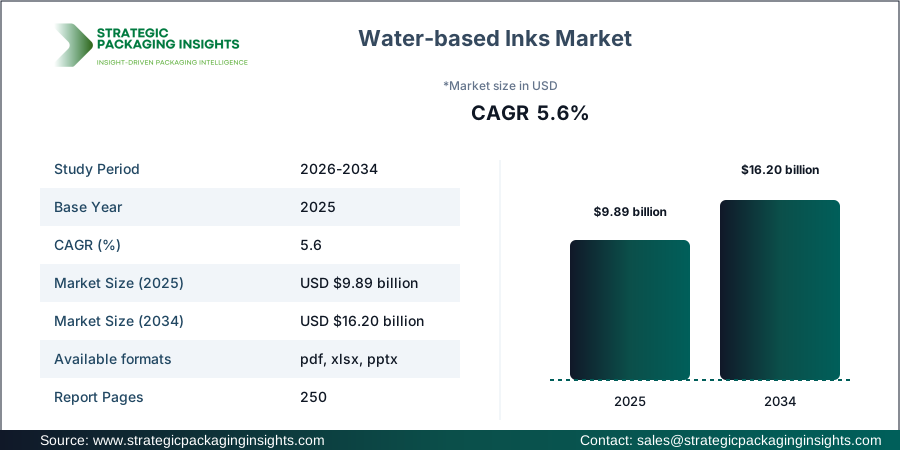
The Water-based Inks market was valued at $9.89 billion in 2025 and is projected to reach $16.20 billion by 2034, growing at a CAGR of 5.6% during the forecast period 2026-2034. This market is experiencing significant growth due to increasing demand for eco-friendly and sustainable printing solutions. Water-based inks are gaining popularity as they offer a safer alternative to solvent-based inks, reducing volatile organic compound (VOC) emissions and improving air quality. The market is driven by the rising adoption of these inks in various applications such as packaging, labels, and textiles, where environmental regulations are becoming more stringent. Additionally, advancements in ink formulations and printing technologies are enhancing the performance and versatility of water-based inks, further propelling market growth.
Despite the promising growth prospects, the Water-based Inks market faces certain challenges. The high cost of raw materials and the complexity of formulation processes can hinder market expansion. Moreover, the performance of water-based inks can be affected by environmental conditions such as humidity and temperature, which may limit their application in certain regions. However, ongoing research and development efforts are focused on overcoming these limitations and improving the quality and durability of water-based inks. The market also presents opportunities for innovation in terms of developing new ink formulations that offer enhanced color vibrancy, faster drying times, and improved adhesion properties. As consumer awareness regarding environmental sustainability continues to grow, the demand for water-based inks is expected to rise, creating lucrative opportunities for market players.
Report Scope
| Attributes | Details |
| Report Title | Water-based Inks Market Size, Future Growth and Forecast 2034 |
| Ink Type | Flexographic Inks, Gravure Inks, Digital Inks |
| Application | Flexible Packaging, Labels, Corrugated, Cartons |
| Substrate | Paper, Films, Board |
| End Use | Food, Beverage, Personal Care, Retail |
| Region | Asia Pacific, North America, Latin America, Europe, Middle East & Africa |
| Base Year | 2025 |
| Historic Period | 2018-2024 |
| Forecast Period | 2026-2034 |
| Number of Pages | 250 |
| Customization Available | Yes* |
Opportunities & Threats
The Water-based Inks market presents numerous opportunities for growth, primarily driven by the increasing demand for sustainable and environmentally friendly printing solutions. As consumers and businesses become more conscious of their environmental impact, there is a growing preference for products that minimize harm to the environment. Water-based inks, with their low VOC emissions and reduced environmental footprint, are well-positioned to capitalize on this trend. Additionally, the expanding packaging industry, particularly in emerging economies, offers significant growth potential for water-based inks. The rise of e-commerce and the need for attractive and sustainable packaging solutions further fuel the demand for these inks. Furthermore, advancements in printing technologies, such as digital printing, are opening new avenues for the application of water-based inks, enabling high-quality and cost-effective printing solutions.
Another opportunity lies in the development of innovative ink formulations that address the limitations of traditional water-based inks. Manufacturers are investing in research and development to enhance the performance characteristics of these inks, such as color vibrancy, adhesion, and drying time. By improving these attributes, water-based inks can expand their application scope and compete more effectively with solvent-based inks. Moreover, the increasing focus on regulatory compliance and sustainability certifications presents an opportunity for market players to differentiate themselves by offering certified eco-friendly products. Collaborations and partnerships with printing equipment manufacturers can also drive market growth by ensuring compatibility and optimizing the performance of water-based inks in various printing processes.
However, the Water-based Inks market also faces certain threats that could impact its growth trajectory. One of the primary challenges is the competition from solvent-based inks, which have traditionally dominated the printing industry due to their superior performance characteristics. While water-based inks offer environmental benefits, they may not always match the performance of solvent-based inks in terms of color intensity and durability. Additionally, the high cost of raw materials used in the production of water-based inks can pose a threat to market growth, as it may limit the affordability and adoption of these inks, particularly in price-sensitive markets. Furthermore, the market is susceptible to fluctuations in raw material prices and supply chain disruptions, which can impact the availability and pricing of water-based inks.
Drivers & Challenges
The Water-based Inks market is driven by several key factors that are contributing to its growth and expansion. One of the primary drivers is the increasing demand for sustainable and eco-friendly printing solutions. As environmental regulations become more stringent and consumer awareness regarding sustainability grows, there is a rising preference for products that minimize environmental impact. Water-based inks, with their low VOC emissions and reduced environmental footprint, are gaining traction as a preferred choice for environmentally conscious consumers and businesses. Additionally, the expanding packaging industry, particularly in emerging economies, is driving the demand for water-based inks. The rise of e-commerce and the need for attractive and sustainable packaging solutions further fuel the demand for these inks.
Another significant driver of the Water-based Inks market is the advancements in printing technologies. The development of digital printing technologies has opened new avenues for the application of water-based inks, enabling high-quality and cost-effective printing solutions. Digital printing offers several advantages, including faster turnaround times, reduced waste, and the ability to print on a wide range of substrates. These benefits, coupled with the environmental advantages of water-based inks, are driving their adoption in various industries, including packaging, textiles, and labels. Furthermore, the increasing focus on regulatory compliance and sustainability certifications is encouraging manufacturers to invest in research and development to enhance the performance characteristics of water-based inks, such as color vibrancy, adhesion, and drying time.
Despite the positive growth drivers, the Water-based Inks market faces certain challenges that could impact its growth trajectory. One of the primary challenges is the competition from solvent-based inks, which have traditionally dominated the printing industry due to their superior performance characteristics. While water-based inks offer environmental benefits, they may not always match the performance of solvent-based inks in terms of color intensity and durability. Additionally, the high cost of raw materials used in the production of water-based inks can pose a challenge to market growth, as it may limit the affordability and adoption of these inks, particularly in price-sensitive markets. Furthermore, the market is susceptible to fluctuations in raw material prices and supply chain disruptions, which can impact the availability and pricing of water-based inks.
Market Share Analysis
The Water-based Inks market is characterized by a competitive landscape with several key players vying for market share. The market is dominated by a few major companies that have established themselves as leaders in the industry. These companies have a strong presence in the market and offer a wide range of water-based ink products to cater to various applications and industries. The competitive landscape is shaped by factors such as product innovation, technological advancements, and strategic partnerships. Companies are focusing on expanding their product portfolios and enhancing their production capabilities to meet the growing demand for water-based inks. Additionally, they are investing in research and development to improve the performance characteristics of their inks and gain a competitive edge in the market.
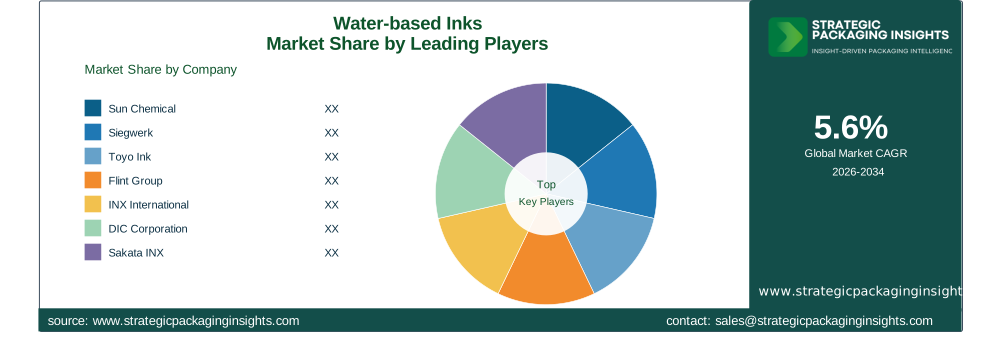
Sun Chemical is one of the leading players in the Water-based Inks market, known for its extensive range of high-quality ink products. The company has a strong global presence and is committed to sustainability, offering eco-friendly ink solutions that meet regulatory requirements. Siegwerk is another major player in the market, specializing in the development of innovative ink formulations for various applications. The company focuses on providing customized solutions to meet the specific needs of its customers and has a strong emphasis on research and development. Toyo Ink is a prominent player in the market, known for its advanced ink technologies and commitment to sustainability. The company offers a wide range of water-based inks for various applications, including packaging, labels, and textiles.
Flint Group is a key player in the Water-based Inks market, offering a comprehensive portfolio of ink products for different printing processes. The company is focused on innovation and sustainability, continuously developing new ink formulations to meet the evolving needs of its customers. INX International is another major player in the market, known for its high-performance ink products and commitment to environmental sustainability. The company offers a wide range of water-based inks for various applications, including packaging, labels, and commercial printing. DIC Corporation is a leading player in the market, known for its advanced ink technologies and strong focus on research and development. The company offers a diverse range of water-based inks for various industries, including packaging, textiles, and labels.
Sakata INX is a prominent player in the Water-based Inks market, known for its innovative ink solutions and commitment to sustainability. The company offers a wide range of water-based inks for various applications, including packaging, labels, and textiles. Hubergroup is another key player in the market, specializing in the development of high-quality ink products for different printing processes. The company focuses on providing customized solutions to meet the specific needs of its customers and has a strong emphasis on research and development. Nazdar Ink Technologies is a leading player in the market, known for its advanced ink technologies and commitment to sustainability. The company offers a wide range of water-based inks for various applications, including packaging, labels, and textiles. Wikoff Color is a prominent player in the market, known for its high-performance ink products and commitment to environmental sustainability. The company offers a diverse range of water-based inks for various industries, including packaging, textiles, and labels.
Key Highlights
- The Water-based Inks market is projected to grow from $9.89 billion in 2025 to $16.20 billion by 2034, at a CAGR of 5.6%.
- Increasing demand for eco-friendly and sustainable printing solutions is driving market growth.
- Advancements in ink formulations and printing technologies are enhancing the performance of water-based inks.
- The expanding packaging industry, particularly in emerging economies, offers significant growth potential.
- Regulatory compliance and sustainability certifications are encouraging innovation in ink formulations.
- Competition from solvent-based inks poses a challenge to market growth.
- High cost of raw materials and supply chain disruptions can impact market dynamics.
- Key players in the market include Sun Chemical, Siegwerk, Toyo Ink, Flint Group, and INX International.
- Collaborations and partnerships with printing equipment manufacturers can drive market growth.
- Ongoing research and development efforts are focused on improving the quality and durability of water-based inks.
Top Countries Insights
In the Water-based Inks market, the United States stands out as a key player with a market size of approximately $3.5 billion and a CAGR of 4%. The country's growth is driven by the increasing demand for sustainable packaging solutions and the presence of major market players. The U.S. government has implemented stringent environmental regulations, encouraging the adoption of eco-friendly inks. Additionally, the rise of e-commerce and the need for attractive packaging solutions are fueling the demand for water-based inks in the country.
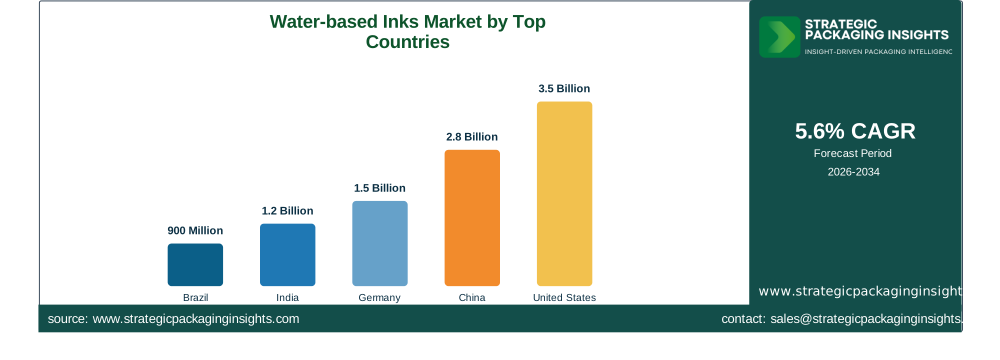
China is another significant market for water-based inks, with a market size of around $2.8 billion and a CAGR of 6%. The country's growth is attributed to the expanding packaging industry and the increasing focus on environmental sustainability. The Chinese government has introduced policies to reduce VOC emissions, promoting the use of water-based inks. Furthermore, the rapid growth of the e-commerce sector and the demand for high-quality packaging solutions are driving the market in China.
Germany is a prominent market for water-based inks in Europe, with a market size of approximately $1.5 billion and a CAGR of 5%. The country's growth is driven by the strong presence of the packaging industry and the increasing demand for sustainable printing solutions. Germany's commitment to environmental sustainability and regulatory compliance is encouraging the adoption of water-based inks. Additionally, advancements in printing technologies and the demand for high-quality packaging solutions are contributing to market growth.
India is an emerging market for water-based inks, with a market size of around $1.2 billion and a CAGR of 7%. The country's growth is driven by the expanding packaging industry and the increasing focus on environmental sustainability. The Indian government has implemented policies to promote the use of eco-friendly inks, encouraging the adoption of water-based inks. Furthermore, the rise of e-commerce and the demand for attractive packaging solutions are fueling the market in India.
Brazil is a key market for water-based inks in Latin America, with a market size of approximately $900 million and a CAGR of 5%. The country's growth is driven by the expanding packaging industry and the increasing demand for sustainable printing solutions. Brazil's commitment to environmental sustainability and regulatory compliance is encouraging the adoption of water-based inks. Additionally, the rise of e-commerce and the demand for high-quality packaging solutions are contributing to market growth.
Water-based Inks Market Segments Insights

Ink Type Analysis
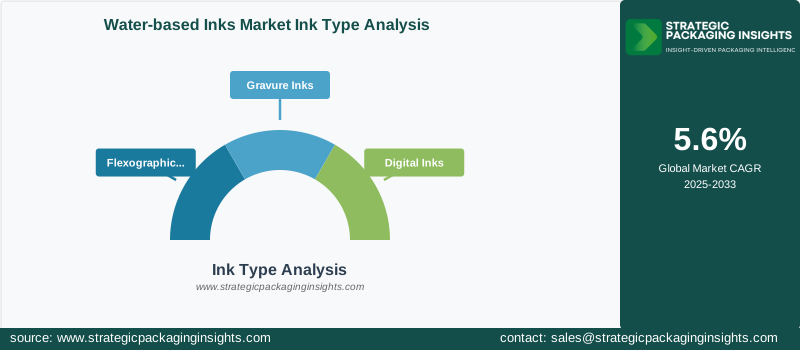
The Water-based Inks market is segmented by ink type into flexographic inks, gravure inks, and digital inks. Flexographic inks hold a significant share of the market due to their widespread use in packaging applications. These inks are known for their fast-drying properties and ability to print on a wide range of substrates, making them ideal for high-speed printing processes. The demand for flexographic inks is driven by the expanding packaging industry and the need for sustainable printing solutions. Gravure inks are also gaining traction in the market, particularly in applications that require high-quality and detailed printing. These inks offer excellent color vibrancy and durability, making them suitable for packaging and label applications. Digital inks are experiencing rapid growth due to advancements in digital printing technologies. These inks offer several advantages, including faster turnaround times, reduced waste, and the ability to print on a wide range of substrates. The demand for digital inks is driven by the increasing adoption of digital printing in various industries, including packaging, textiles, and labels.
Application Analysis
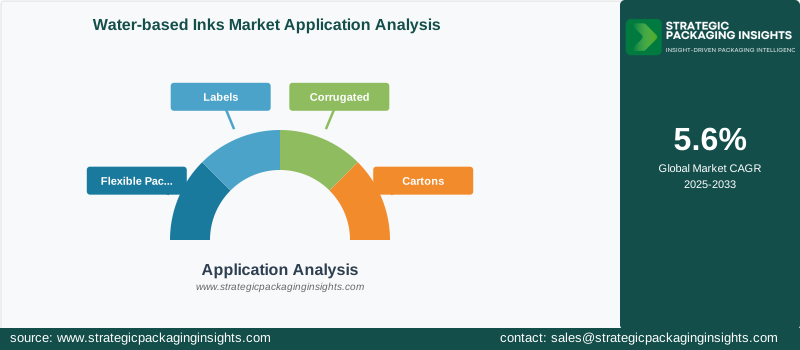
The Water-based Inks market is segmented by application into flexible packaging, labels, corrugated, and cartons. Flexible packaging is the largest application segment, driven by the increasing demand for sustainable and attractive packaging solutions. Water-based inks are widely used in flexible packaging due to their low VOC emissions and ability to print on a variety of substrates. The demand for flexible packaging is fueled by the rise of e-commerce and the need for lightweight and durable packaging solutions. Labels are another significant application segment, driven by the increasing demand for high-quality and sustainable labeling solutions. Water-based inks offer excellent adhesion and color vibrancy, making them ideal for label applications. The demand for labels is driven by the expanding packaging industry and the need for attractive and informative labeling solutions. Corrugated and cartons are also important application segments, driven by the increasing demand for sustainable and durable packaging solutions. Water-based inks are used in these applications due to their ability to print on a wide range of substrates and their low environmental impact.
Substrate Analysis
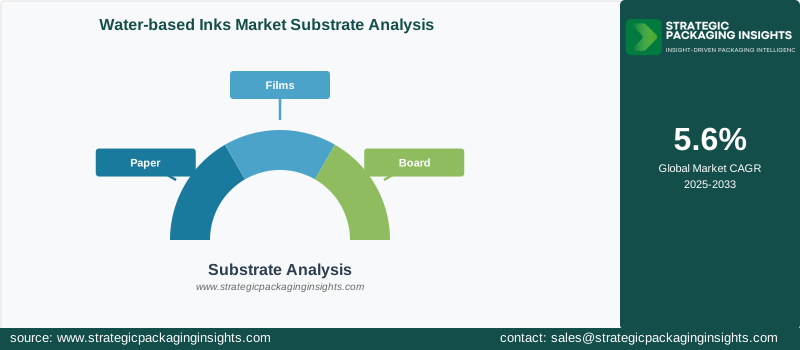
The Water-based Inks market is segmented by substrate into paper, films, and board. Paper is the largest substrate segment, driven by the increasing demand for sustainable and recyclable printing solutions. Water-based inks are widely used on paper substrates due to their low VOC emissions and ability to produce high-quality prints. The demand for paper substrates is fueled by the expanding packaging industry and the need for sustainable and attractive packaging solutions. Films are another significant substrate segment, driven by the increasing demand for flexible and durable packaging solutions. Water-based inks offer excellent adhesion and color vibrancy on film substrates, making them ideal for packaging applications. The demand for film substrates is driven by the rise of e-commerce and the need for lightweight and durable packaging solutions. Board is also an important substrate segment, driven by the increasing demand for sustainable and durable packaging solutions. Water-based inks are used on board substrates due to their ability to produce high-quality prints and their low environmental impact.
End Use Analysis
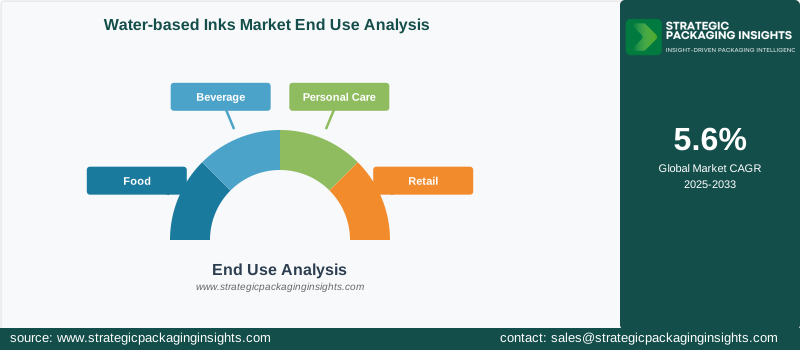
The Water-based Inks market is segmented by end use into food, beverage, personal care, and retail. The food industry is the largest end-use segment, driven by the increasing demand for sustainable and safe packaging solutions. Water-based inks are widely used in food packaging due to their low VOC emissions and ability to produce high-quality prints. The demand for food packaging is fueled by the expanding food industry and the need for attractive and informative packaging solutions. The beverage industry is another significant end-use segment, driven by the increasing demand for sustainable and attractive packaging solutions. Water-based inks offer excellent adhesion and color vibrancy, making them ideal for beverage packaging applications. The demand for beverage packaging is driven by the expanding beverage industry and the need for attractive and informative packaging solutions. The personal care and retail industries are also important end-use segments, driven by the increasing demand for sustainable and attractive packaging solutions. Water-based inks are used in these industries due to their ability to produce high-quality prints and their low environmental impact.
Water-based Inks Market Segments
The Water-based Inks market has been segmented on the basis ofInk Type
- Flexographic Inks
- Gravure Inks
- Digital Inks
Application
- Flexible Packaging
- Labels
- Corrugated
- Cartons
Substrate
- Paper
- Films
- Board
End Use
- Food
- Beverage
- Personal Care
- Retail
Region
- Asia Pacific
- North America
- Latin America
- Europe
- Middle East & Africa




