


Tinplate Packaging Market Outlook
The tinplate packaging market was valued at $2.15 billion in 2025 and is projected to reach $3.40 billion by 2034, growing at a CAGR of 5.2% during the forecast period 2026-2034. This growth is driven by the increasing demand for sustainable and recyclable packaging solutions across various industries. Tinplate, known for its durability and resistance to corrosion, is becoming a preferred choice for packaging in sectors such as food, beverages, and personal care. The market is also benefiting from advancements in coating technologies that enhance the aesthetic appeal and functionality of tinplate packaging. Additionally, the rise in consumer awareness regarding environmental issues is pushing manufacturers to adopt eco-friendly packaging solutions, further propelling market growth.
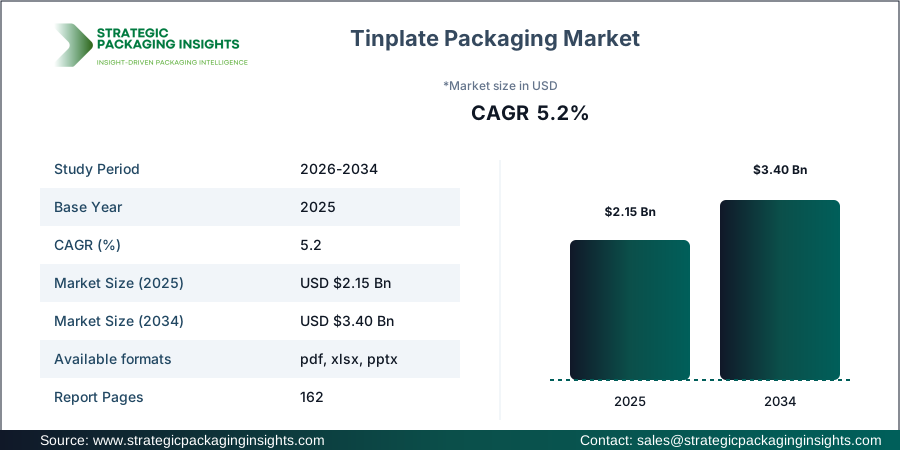
However, the market faces certain restraints, including the volatility in raw material prices and stringent environmental regulations. The production of tinplate involves significant energy consumption and emissions, which are subject to regulatory scrutiny. Despite these challenges, the market holds substantial growth potential due to the increasing adoption of tinplate packaging in emerging economies. These regions are witnessing rapid urbanization and a growing middle-class population, leading to higher consumption of packaged goods. Moreover, innovations in packaging design and the development of lightweight tinplate solutions are expected to create new opportunities for market players.
Report Scope
| Attributes | Details |
| Report Title | Tinplate Packaging Market Size, Future Growth and Forecast 2034 |
| Product Type | Food Cans, Aerosol Cans, Decorative Tins, Closures |
| Application | Food, Beverages, Chemicals, Personal Care |
| Coating Type | Lacquered, Printed, Plain |
| End Use | Food Processors, FMCG, Industrial, Retail |
| Region | Asia Pacific, North America, Latin America, Europe, Middle East & Africa |
| Base Year | 2025 |
| Historic Period | 2018-2024 |
| Forecast Period | 2026-2034 |
| Number of Pages | 162 |
| Customization Available | Yes* |
Opportunities & Threats
The tinplate packaging market presents numerous opportunities, particularly in the food and beverage sectors. As consumers increasingly demand convenient and long-lasting packaging solutions, tinplate's ability to preserve product freshness and extend shelf life makes it an attractive option. The growing trend of ready-to-eat meals and canned beverages is further fueling demand for tinplate packaging. Additionally, the rise of e-commerce and online grocery shopping is driving the need for robust and reliable packaging solutions, providing a significant opportunity for tinplate manufacturers to expand their market presence.
Another opportunity lies in the personal care and cosmetics industry, where tinplate packaging is gaining popularity due to its premium look and feel. Brands are increasingly using decorative tins and aerosol cans to enhance product appeal and differentiate themselves in a competitive market. The ability to customize tinplate packaging with various coatings and prints offers brands the flexibility to create unique and eye-catching designs, further boosting demand in this segment.
Despite these opportunities, the market faces threats from alternative packaging materials such as plastics and aluminum. These materials are often cheaper and lighter, posing a challenge to tinplate's market share. Additionally, the environmental impact of tinplate production, including energy consumption and emissions, could lead to increased regulatory pressures. Manufacturers must invest in sustainable production practices and innovations to mitigate these threats and maintain their competitive edge.
Drivers & Challenges
One of the primary drivers of the tinplate packaging market is the increasing consumer preference for sustainable and recyclable packaging solutions. Tinplate is 100% recyclable, making it an environmentally friendly option compared to other materials. This characteristic aligns with the growing global emphasis on sustainability and waste reduction, driving demand for tinplate packaging across various industries. Additionally, the durability and protective properties of tinplate make it ideal for packaging perishable goods, further boosting its adoption in the food and beverage sectors.
Technological advancements in coating and printing techniques are also driving market growth. These innovations allow manufacturers to produce high-quality, aesthetically pleasing packaging that meets consumer expectations for both functionality and design. The ability to customize tinplate packaging with vibrant colors and intricate designs enhances its appeal, particularly in the personal care and cosmetics industries. Furthermore, the development of lightweight tinplate solutions is helping to reduce transportation costs and improve the overall efficiency of the supply chain.
However, the market faces challenges such as fluctuating raw material prices and the availability of cheaper alternatives like plastic and aluminum. These factors can impact the cost-effectiveness of tinplate packaging, making it less attractive to price-sensitive consumers. Additionally, the environmental impact of tinplate production, including energy consumption and emissions, poses a challenge for manufacturers who must comply with stringent regulations. To overcome these challenges, companies need to invest in sustainable production practices and explore innovative solutions to enhance the competitiveness of tinplate packaging.
Market Share Analysis
The tinplate packaging market is characterized by a competitive landscape with several key players vying for market share. Crown Holdings, a leading player in the market, holds a significant share due to its extensive product portfolio and strong distribution network. The company is known for its innovative packaging solutions and commitment to sustainability, which have helped it maintain a competitive edge. Ball Corporation is another major player, renowned for its high-quality tinplate packaging products and focus on customer satisfaction. The company's strategic acquisitions and partnerships have further strengthened its market position.
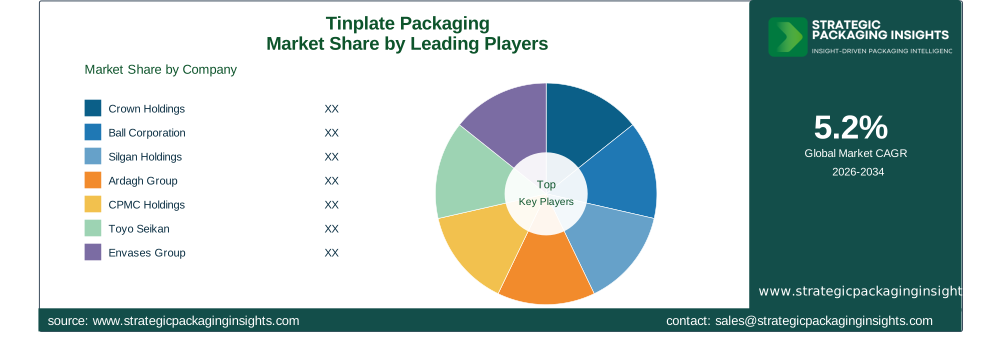
Silgan Holdings and Ardagh Group are also prominent players in the tinplate packaging market. Silgan Holdings is recognized for its diverse range of packaging solutions and emphasis on technological advancements. The company's focus on research and development has enabled it to introduce innovative products that meet evolving consumer demands. Ardagh Group, on the other hand, is known for its extensive global presence and strong customer relationships. The company's commitment to sustainability and eco-friendly packaging solutions has contributed to its success in the market.
CPMC Holdings and Toyo Seikan are key players in the Asian market, with a strong focus on expanding their product offerings and enhancing production capabilities. CPMC Holdings is known for its high-quality tinplate packaging products and strategic partnerships with leading brands. Toyo Seikan, a Japanese company, is recognized for its advanced manufacturing technologies and commitment to sustainability. The company's focus on innovation and customer-centric approach has helped it maintain a strong market presence.
Envases Group, Nampak, Massilly Group, and Independent Can are other notable players in the tinplate packaging market. Envases Group is known for its comprehensive range of packaging solutions and focus on customer satisfaction. Nampak, a South African company, is recognized for its innovative packaging designs and commitment to sustainability. Massilly Group, a French company, is known for its high-quality tinplate packaging products and strong customer relationships. Independent Can, a U.S.-based company, is renowned for its custom packaging solutions and focus on quality and innovation.
Key Highlights
- The tinplate packaging market is projected to grow at a CAGR of 5.2% from 2026 to 2034.
- Increasing demand for sustainable and recyclable packaging solutions is driving market growth.
- Technological advancements in coating and printing techniques are enhancing product appeal.
- The food and beverage sectors are major contributors to market demand.
- Emerging economies present significant growth opportunities for market players.
- Alternative packaging materials pose a threat to tinplate's market share.
- Key players are focusing on sustainability and innovation to maintain competitiveness.
- Regulatory pressures related to environmental impact are a challenge for manufacturers.
- Customization and design flexibility are boosting demand in the personal care industry.
- Lightweight tinplate solutions are improving supply chain efficiency.
Top Countries Insights
In the tinplate packaging market, the United States holds a significant share, with a market size of approximately $650 million and a CAGR of 4%. The country's strong demand for packaged food and beverages, coupled with a focus on sustainability, drives market growth. Government regulations promoting recyclable packaging further support the adoption of tinplate solutions. However, competition from alternative materials remains a challenge.
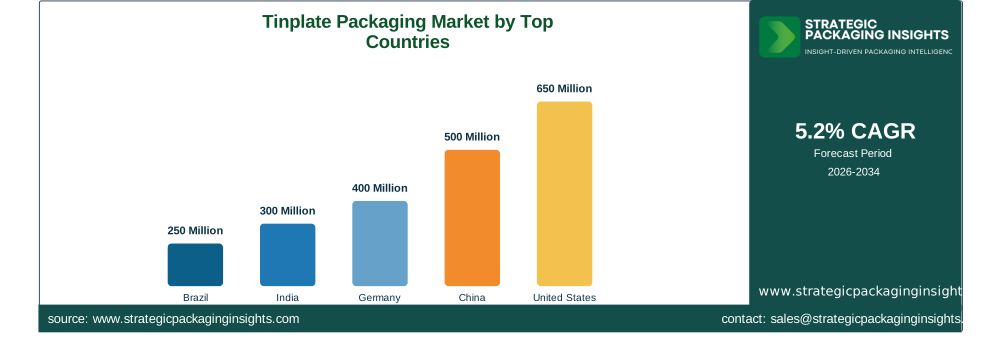
China is another key player in the market, with a market size of around $500 million and a CAGR of 6%. The country's rapid urbanization and growing middle-class population are driving demand for packaged goods, boosting the tinplate packaging market. Additionally, government initiatives promoting sustainable packaging solutions are expected to further propel market growth. However, fluctuations in raw material prices pose a challenge for manufacturers.
Germany, with a market size of approximately $400 million and a CAGR of 5%, is a leading market in Europe. The country's strong emphasis on sustainability and recycling aligns with the growing demand for tinplate packaging. The presence of major players and technological advancements in coating and printing techniques further support market growth. However, stringent environmental regulations present a challenge for manufacturers.
India, with a market size of around $300 million and a CAGR of 7%, is an emerging market for tinplate packaging. The country's increasing consumption of packaged food and beverages, driven by a growing middle-class population, is boosting demand for tinplate solutions. Government initiatives promoting sustainable packaging are also expected to support market growth. However, competition from alternative materials remains a challenge.
Brazil, with a market size of approximately $250 million and a CAGR of 5%, is a key market in Latin America. The country's growing demand for packaged food and beverages, coupled with a focus on sustainability, drives market growth. However, economic instability and fluctuations in raw material prices pose challenges for manufacturers.
Tinplate Packaging Market Segments Insights

Product Type Analysis
The tinplate packaging market is segmented by product type into food cans, aerosol cans, decorative tins, and closures. Food cans hold the largest share in this segment, driven by the increasing demand for canned food products. The convenience and extended shelf life offered by tinplate food cans make them a preferred choice among consumers. Additionally, the rise in ready-to-eat meals and canned beverages is further boosting demand for food cans. Aerosol cans are also gaining popularity, particularly in the personal care and cosmetics industries, where they are used for packaging products such as deodorants and hair sprays. The ability to customize aerosol cans with various coatings and prints enhances their appeal, driving demand in this segment.
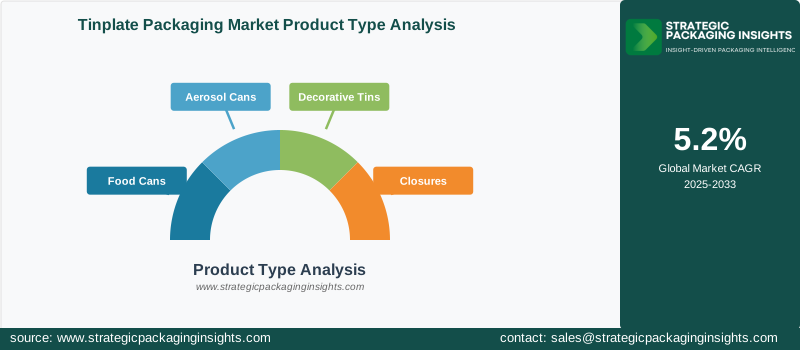
Decorative tins are another significant segment, driven by their use in packaging premium products such as chocolates and confectionery. The aesthetic appeal and premium look of decorative tins make them an attractive option for brands looking to differentiate themselves in a competitive market. Closures, although a smaller segment, play a crucial role in ensuring the safety and integrity of packaged products. The development of innovative closure solutions that enhance product functionality and convenience is expected to drive growth in this segment.
Application Analysis
The application segment of the tinplate packaging market includes food, beverages, chemicals, and personal care. The food sector is the largest application segment, driven by the increasing demand for packaged food products. Tinplate packaging's ability to preserve product freshness and extend shelf life makes it an ideal choice for food packaging. The beverages segment is also significant, with tinplate packaging used for products such as canned drinks and alcoholic beverages. The rise in demand for ready-to-drink beverages and canned cocktails is boosting demand in this segment.
The chemicals segment, although smaller, is growing steadily, driven by the need for robust and reliable packaging solutions for hazardous materials. Tinplate's durability and resistance to corrosion make it suitable for packaging chemicals and industrial products. The personal care segment is also witnessing growth, with tinplate packaging used for products such as deodorants and hair sprays. The ability to customize packaging with various coatings and prints enhances its appeal, driving demand in this segment.
Coating Type Analysis
The tinplate packaging market is segmented by coating type into lacquered, printed, and plain. Lacquered coatings are the most popular, offering enhanced protection and aesthetic appeal. These coatings are widely used in food and beverage packaging, where they help preserve product quality and extend shelf life. Printed coatings are also gaining popularity, particularly in the personal care and cosmetics industries, where they are used to create eye-catching designs and enhance brand appeal.

Plain coatings, although less common, are used in applications where functionality is prioritized over aesthetics. The development of innovative coating technologies that enhance the performance and appeal of tinplate packaging is expected to drive growth in this segment. Manufacturers are increasingly investing in research and development to create coatings that offer superior protection and customization options, further boosting demand in this segment.
End Use Analysis
The end-use segment of the tinplate packaging market includes food processors, FMCG, industrial, and retail. Food processors are the largest end-use segment, driven by the increasing demand for packaged food products. Tinplate packaging's ability to preserve product freshness and extend shelf life makes it an ideal choice for food processors. The FMCG sector is also significant, with tinplate packaging used for products such as canned drinks and personal care items.
The industrial segment, although smaller, is growing steadily, driven by the need for robust and reliable packaging solutions for hazardous materials. Tinplate's durability and resistance to corrosion make it suitable for packaging chemicals and industrial products. The retail segment is also witnessing growth, with tinplate packaging used for products such as decorative tins and closures. The ability to customize packaging with various coatings and prints enhances its appeal, driving demand in this segment.
Tinplate Packaging Market Segments
The Tinplate Packaging market has been segmented on the basis ofProduct Type
- Food Cans
- Aerosol Cans
- Decorative Tins
- Closures
Application
- Food
- Beverages
- Chemicals
- Personal Care
Coating Type
- Lacquered
- Printed
- Plain
End Use
- Food Processors
- FMCG
- Industrial
- Retail
Region
- Asia Pacific
- North America
- Latin America
- Europe
- Middle East & Africa




