


Semi Automatic Labelling Machines Market Outlook
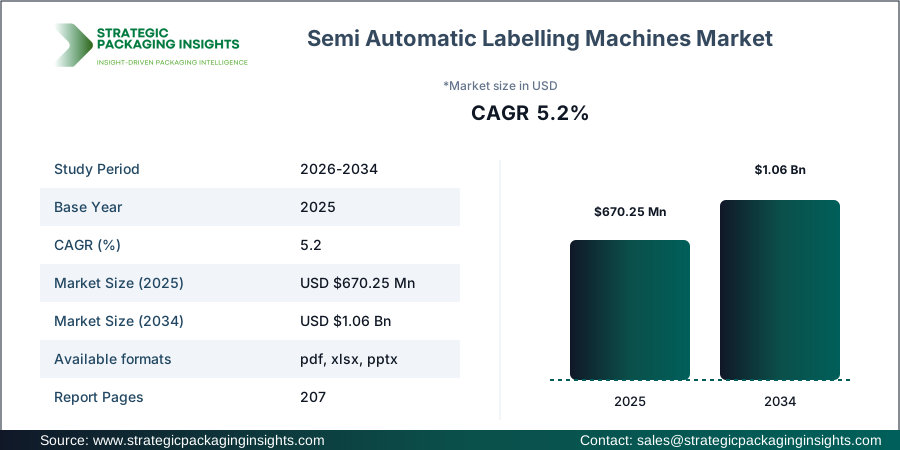
The Semi Automatic Labelling Machines market was valued at $670.25 million in 2025 and is projected to reach $1.06 billion by 2034, growing at a CAGR of 5.2% during the forecast period 2026-2034. This market is witnessing significant growth due to the increasing demand for efficient and cost-effective labeling solutions across various industries. The rise in consumer goods production, coupled with the need for precise and high-speed labeling, is driving the adoption of semi-automatic labelling machines. These machines offer a perfect blend of manual and automatic operations, providing flexibility and efficiency, which is crucial for small to medium-sized enterprises. The market is also benefiting from technological advancements that enhance the functionality and ease of use of these machines, making them more appealing to end-users.
Despite the promising growth prospects, the market faces certain challenges that could hinder its expansion. Regulatory constraints and the high initial investment required for these machines are significant barriers. However, the potential for growth remains substantial, particularly in emerging markets where industrialization and urbanization are accelerating. The increasing focus on sustainable and eco-friendly packaging solutions is also expected to create new opportunities for market players. As companies strive to meet stringent environmental regulations, the demand for innovative labeling solutions that minimize waste and energy consumption is likely to rise, further propelling market growth.
Report Scope
| Attributes | Details |
| Report Title | Semi Automatic Labelling Machines Market Size, Future Growth and Forecast 2034 |
| Labeling Type | Pressure-sensitive, Shrink, Stretch |
| Application | Food & Beverage, Pharmaceuticals, Cosmetics |
| Machine Type | Manual, Semi |
| Region | Asia Pacific, North America, Latin America, Europe, Middle East & Africa |
| Base Year | 2025 |
| Historic Period | 2018-2024 |
| Forecast Period | 2026-2034 |
| Number of Pages | 207 |
| Customization Available | Yes* |
Opportunities & Threats
The Semi Automatic Labelling Machines market presents numerous opportunities, particularly in the realm of technological advancements. The integration of IoT and AI in labeling machines is revolutionizing the industry by enhancing operational efficiency and reducing downtime. These technologies enable real-time monitoring and predictive maintenance, which significantly improves machine performance and lifespan. Additionally, the growing trend of customization in packaging is driving demand for versatile labeling solutions that can handle various label types and sizes. This trend is particularly prominent in the food and beverage industry, where branding and product differentiation are crucial.
Another significant opportunity lies in the expansion of the e-commerce sector. As online retail continues to grow, the demand for efficient packaging and labeling solutions is increasing. Semi-automatic labelling machines are ideal for e-commerce businesses due to their flexibility and ability to handle diverse packaging requirements. Furthermore, the rise of small and medium enterprises (SMEs) in developing regions is creating a substantial market for these machines. SMEs often require cost-effective and adaptable solutions, making semi-automatic labelling machines an attractive option.
However, the market is not without its threats. One of the primary challenges is the intense competition from fully automatic labelling machines, which offer higher speed and efficiency. While semi-automatic machines are more affordable, the increasing affordability of fully automatic machines could pose a threat to market growth. Additionally, the market is susceptible to fluctuations in raw material prices, which can impact production costs and, consequently, pricing strategies. Companies must navigate these challenges carefully to maintain their competitive edge.
Drivers & Challenges
The primary drivers of the Semi Automatic Labelling Machines market include the growing demand for packaged goods and the need for efficient labeling solutions. As consumer preferences shift towards convenience and ready-to-eat products, the packaging industry is experiencing significant growth. This, in turn, is driving the demand for advanced labeling machines that can handle high volumes and ensure precision. Moreover, the increasing focus on product safety and traceability is boosting the adoption of labeling solutions that provide detailed product information and enhance supply chain transparency.
Another key driver is the rising awareness of sustainable packaging practices. As environmental concerns gain prominence, companies are seeking labeling solutions that align with their sustainability goals. Semi-automatic labelling machines, with their ability to reduce waste and energy consumption, are well-positioned to meet this demand. Additionally, the growing emphasis on product differentiation and branding is encouraging manufacturers to invest in innovative labeling technologies that enhance product appeal and consumer engagement.
Despite these drivers, the market faces several challenges that could impede its growth. One of the main challenges is the high initial cost of semi-automatic labelling machines, which can be a deterrent for small businesses with limited budgets. Additionally, the complexity of integrating these machines into existing production lines can pose operational challenges. Companies must invest in training and support to ensure seamless integration and maximize the benefits of these machines. Furthermore, the market is subject to stringent regulatory requirements, particularly in the food and pharmaceutical sectors, which can complicate compliance and increase operational costs.
Market Share Analysis
The competitive landscape of the Semi Automatic Labelling Machines market is characterized by the presence of several key players who are driving innovation and growth. Companies such as Krones, Sidel, and Labelling Solutions hold significant market shares due to their extensive product portfolios and strong distribution networks. These companies are continuously investing in research and development to enhance their product offerings and maintain their competitive edge. The market is also witnessing strategic collaborations and partnerships aimed at expanding product reach and enhancing technological capabilities.
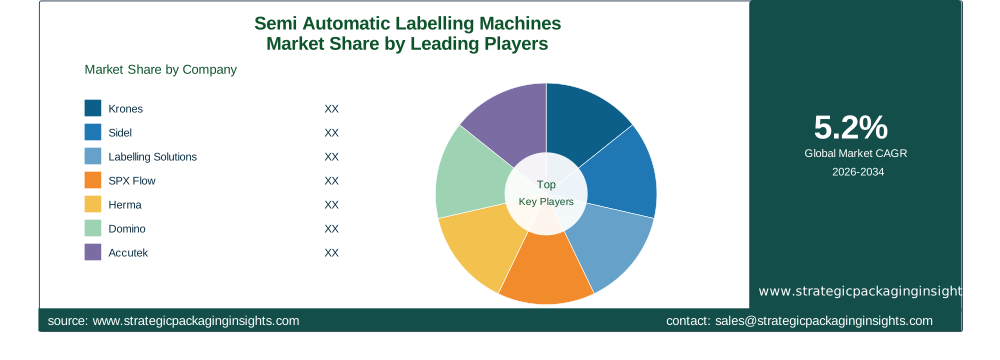
Krones, a leading player in the market, is known for its comprehensive range of labeling solutions that cater to various industries. The company's focus on innovation and customer-centric solutions has helped it maintain a strong market position. Similarly, Sidel is recognized for its advanced labeling technologies that offer high precision and efficiency. The company's commitment to sustainability and energy-efficient solutions is a key differentiator in the market.
Labelling Solutions, another prominent player, is renowned for its versatile and customizable labeling machines that cater to diverse industry needs. The company's emphasis on quality and reliability has earned it a loyal customer base. SPX Flow and Herma are also notable players in the market, known for their robust product offerings and strong customer support. These companies are leveraging their expertise and technological advancements to capture a larger market share.
Other significant players in the market include Domino, Accutek, Markem-Imaje, Avery Dennison, and Comark. These companies are focusing on expanding their product portfolios and enhancing their technological capabilities to meet the evolving needs of the market. The competitive landscape is dynamic, with companies striving to differentiate themselves through innovation, quality, and customer service. As the market continues to grow, the competition is expected to intensify, driving further advancements and improvements in semi-automatic labelling machines.
Key Highlights
- The Semi Automatic Labelling Machines market is projected to grow at a CAGR of 5.2% from 2026 to 2034.
- Technological advancements, such as IoT and AI integration, are enhancing machine efficiency and performance.
- The food and beverage industry is a major driver of market growth due to the increasing demand for packaged goods.
- Customization in packaging is boosting demand for versatile labeling solutions.
- The rise of e-commerce is creating new opportunities for semi-automatic labelling machines.
- Regulatory constraints and high initial costs are significant challenges for market players.
- Key players include Krones, Sidel, Labelling Solutions, and SPX Flow, among others.
- Sustainability and eco-friendly practices are becoming increasingly important in the market.
- Emerging markets offer significant growth potential due to industrialization and urbanization.
Top Countries Insights
In the Semi Automatic Labelling Machines market, the United States stands out as a key player, with a market size of approximately $250 million and a CAGR of 4%. The country's robust manufacturing sector and the presence of major market players drive demand for advanced labeling solutions. Additionally, stringent regulations regarding product labeling and safety standards further fuel market growth. The focus on innovation and technological advancements in the U.S. also contributes to the market's expansion.
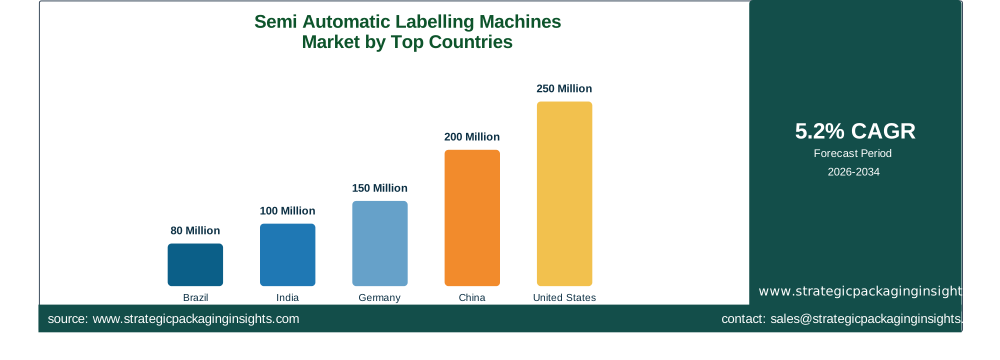
China is another significant market, with a market size of around $200 million and a CAGR of 6%. The country's rapid industrialization and urbanization are major growth drivers, leading to increased demand for efficient packaging and labeling solutions. The government's initiatives to promote sustainable practices and reduce environmental impact are also encouraging the adoption of eco-friendly labeling technologies. China's large consumer base and growing e-commerce sector further boost market growth.
Germany, with a market size of approximately $150 million and a CAGR of 5%, is a key player in the European market. The country's strong manufacturing industry and emphasis on quality and precision drive demand for advanced labeling machines. Germany's focus on sustainability and energy efficiency aligns with the growing trend of eco-friendly packaging solutions, further supporting market growth.
India, with a market size of about $100 million and a CAGR of 7%, offers significant growth potential due to its expanding manufacturing sector and increasing consumer demand for packaged goods. The government's initiatives to promote industrial growth and infrastructure development are expected to drive market expansion. Additionally, the rise of small and medium enterprises in India creates a substantial market for cost-effective and adaptable labeling solutions.
Brazil, with a market size of around $80 million and a CAGR of 5%, is a key player in the Latin American market. The country's growing food and beverage industry and increasing focus on product differentiation and branding drive demand for advanced labeling solutions. Brazil's emphasis on sustainable practices and eco-friendly packaging further supports market growth.
Semi Automatic Labelling Machines Market Segments Insights

Labeling Type Analysis
The Semi Automatic Labelling Machines market is segmented by labeling type into pressure-sensitive, shrink, and stretch labels. Pressure-sensitive labels are the most widely used due to their versatility and ease of application. These labels are suitable for a wide range of surfaces and offer excellent print quality, making them ideal for branding and product differentiation. The demand for pressure-sensitive labels is driven by the growing need for high-quality packaging solutions in the food and beverage and pharmaceutical industries. Additionally, advancements in adhesive technologies are enhancing the performance and durability of these labels, further boosting their adoption.
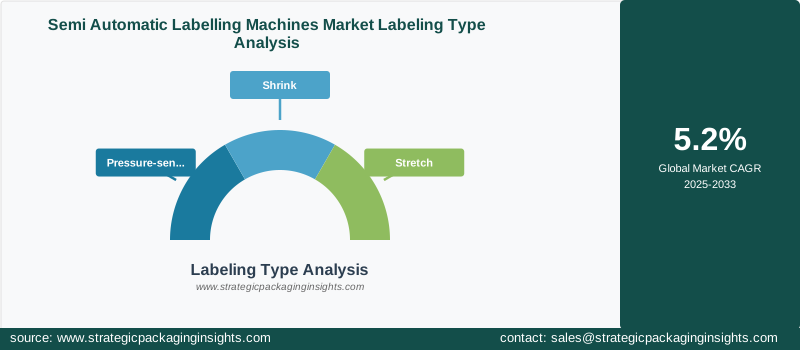
Shrink labels are gaining popularity due to their ability to conform to complex shapes and provide 360-degree coverage. This makes them ideal for products with unique packaging designs and those requiring extensive branding and information display. The demand for shrink labels is particularly strong in the beverage industry, where they are used for labeling bottles and cans. The increasing focus on sustainability is also driving the adoption of shrink labels made from recyclable materials, aligning with the growing trend of eco-friendly packaging solutions.
Stretch labels, while less common, are used in specific applications where flexibility and durability are essential. These labels are often used for products that require tamper-evident packaging or those that undergo significant handling and transportation. The demand for stretch labels is driven by the need for secure and reliable labeling solutions in the logistics and transportation sectors. As the market continues to evolve, the development of innovative materials and printing technologies is expected to enhance the performance and appeal of stretch labels.
Application Analysis
The application segment of the Semi Automatic Labelling Machines market includes food and beverage, pharmaceuticals, and cosmetics. The food and beverage industry is the largest application segment, driven by the increasing demand for packaged and ready-to-eat products. The need for precise and high-speed labeling solutions in this industry is critical for ensuring product safety and compliance with regulatory standards. Additionally, the growing trend of product differentiation and branding is encouraging manufacturers to invest in advanced labeling technologies that enhance product appeal and consumer engagement.
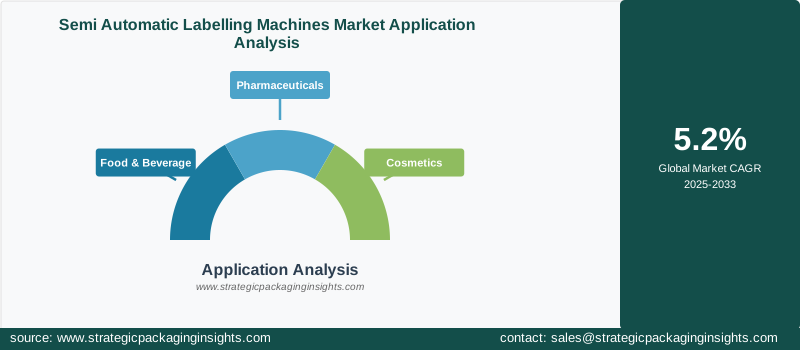
The pharmaceutical industry is another significant application segment, where labeling plays a crucial role in ensuring product safety and traceability. The demand for labeling solutions in this industry is driven by stringent regulatory requirements and the need for detailed product information. Semi-automatic labelling machines offer the precision and reliability required for pharmaceutical labeling, making them an ideal choice for manufacturers in this sector. The increasing focus on patient safety and the rise of personalized medicine are expected to further boost demand for advanced labeling solutions in the pharmaceutical industry.
The cosmetics industry is also witnessing significant growth in the demand for labeling solutions, driven by the increasing focus on branding and product differentiation. The need for high-quality and visually appealing labels is critical in this industry, where packaging plays a key role in influencing consumer purchasing decisions. Semi-automatic labelling machines offer the flexibility and precision required for cosmetics labeling, making them an attractive option for manufacturers looking to enhance their product appeal and market presence.
Machine Type Analysis
The Semi Automatic Labelling Machines market is segmented by machine type into manual and semi-automatic machines. Semi-automatic machines are the most popular due to their ability to combine the benefits of manual and automatic operations. These machines offer flexibility and efficiency, making them ideal for small to medium-sized enterprises that require cost-effective and adaptable labeling solutions. The demand for semi-automatic machines is driven by the need for high-speed and precise labeling in industries such as food and beverage, pharmaceuticals, and cosmetics.
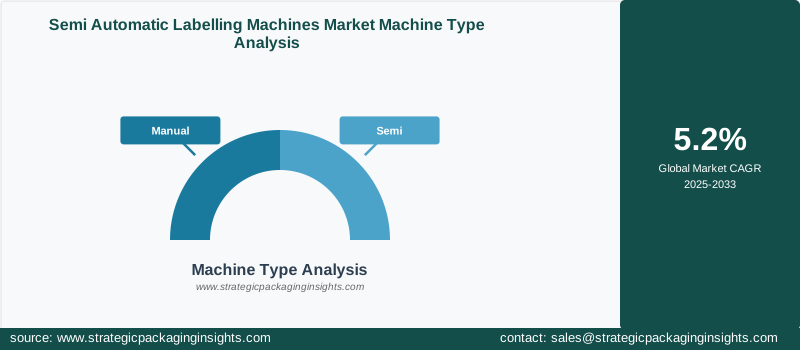
Manual labeling machines, while less common, are used in specific applications where simplicity and cost-effectiveness are essential. These machines are often used by small businesses and startups that require basic labeling solutions without the need for high-speed operations. The demand for manual labeling machines is driven by the need for affordable and easy-to-use solutions in emerging markets, where industrialization and urbanization are creating new opportunities for market growth.
As the market continues to evolve, the development of innovative technologies and materials is expected to enhance the performance and appeal of both manual and semi-automatic labeling machines. Companies are investing in research and development to create machines that offer greater efficiency, precision, and ease of use, catering to the diverse needs of the market. The growing emphasis on sustainability and eco-friendly practices is also driving the development of labeling machines that minimize waste and energy consumption, aligning with the broader trend of sustainable packaging solutions.
Semi Automatic Labelling Machines Market Segments
The Semi Automatic Labelling Machines market has been segmented on the basis ofLabeling Type
- Pressure-sensitive
- Shrink
- Stretch
Application
- Food & Beverage
- Pharmaceuticals
- Cosmetics
Machine Type
- Manual
- Semi
Region
- Asia Pacific
- North America
- Latin America
- Europe
- Middle East & Africa




