


Pharmaceutical Glass Packaging Market Outlook
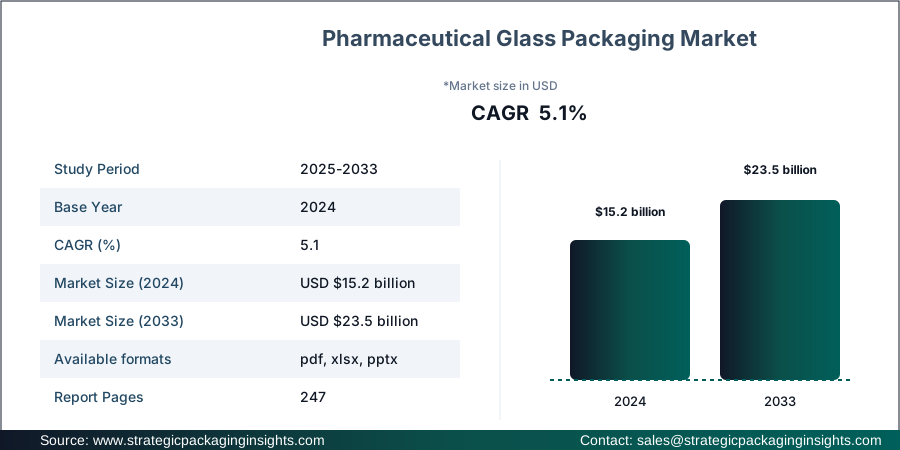
The pharmaceutical glass packaging market was valued at $15.2 billion in 2024 and is projected to reach $23.5 billion by 2033, growing at a CAGR of 5.1% during the forecast period 2025-2033. This growth is driven by the increasing demand for safe and inert packaging solutions in the pharmaceutical industry. Glass packaging is preferred due to its non-reactive nature, which ensures the stability and efficacy of pharmaceutical products. The rise in chronic diseases and the subsequent increase in pharmaceutical production are also contributing to the market's expansion. Additionally, the growing trend of personalized medicine and biologics is expected to further boost the demand for pharmaceutical glass packaging.
Report Scope
| Attributes | Details |
| Report Title | Pharmaceutical Glass Packaging Market Size, Future Growth and Forecast 2033 |
| Type | Vials, Ampoules, Cartridges, Syringes |
| Application | Injectable, Oral, Nasal, Others |
| End-User | Pharmaceutical Companies, Biotech Companies, Contract Manufacturing Organizations, Others |
| Region | North America, Europe, Asia Pacific, Latin America, Middle East & Africa |
| Base Year | 2024 |
| Historic Period | 2017-2023 |
| Forecast Period | 2025-2033 |
| Number of Pages | 247 |
| Customization Available | Yes* |
Opportunities & Threats
One of the significant opportunities in the pharmaceutical glass packaging market is the increasing demand for biologics and biosimilars. As these products require highly specialized packaging to maintain their stability and efficacy, glass packaging is becoming increasingly essential. The rise in chronic diseases such as diabetes and cancer is leading to an increased demand for injectable drugs, which in turn drives the need for glass vials and ampoules. Furthermore, the growing focus on sustainability and the push for eco-friendly packaging solutions present an opportunity for manufacturers to innovate and develop recyclable and reusable glass packaging options.
Another opportunity lies in the technological advancements in glass manufacturing processes. Innovations such as lightweight glass and enhanced barrier properties are making glass packaging more competitive against alternative materials like plastics. The development of smart packaging solutions, which incorporate features like temperature monitoring and tamper evidence, is also opening new avenues for growth in the pharmaceutical glass packaging market. These advancements not only improve the functionality of glass packaging but also enhance patient safety and compliance.
However, the market faces threats from the increasing competition from alternative packaging materials such as plastics and polymers. These materials are often cheaper and lighter, making them attractive options for pharmaceutical companies looking to reduce costs. Additionally, the high energy consumption and carbon footprint associated with glass manufacturing processes pose environmental challenges. Regulatory pressures to reduce environmental impact and the need for significant capital investment in sustainable manufacturing technologies could hinder market growth.
Drivers & Challenges
The primary driver of the pharmaceutical glass packaging market is the growing demand for safe and inert packaging solutions. Glass is chemically inert and provides excellent protection against contamination, making it the preferred choice for sensitive pharmaceutical products. The increasing prevalence of chronic diseases and the subsequent rise in pharmaceutical production are also driving the demand for glass packaging. Moreover, the trend towards personalized medicine and biologics is expected to further boost the market, as these products require specialized packaging to maintain their stability and efficacy.
Another significant driver is the regulatory landscape that mandates stringent packaging standards for pharmaceutical products. Regulatory bodies such as the FDA and EMA have set high standards for packaging materials to ensure the safety and efficacy of pharmaceutical products. This has led to an increased demand for high-quality glass packaging that meets these regulatory requirements. Additionally, the growing focus on sustainability and the push for eco-friendly packaging solutions are driving innovation in the glass packaging industry, leading to the development of recyclable and reusable glass packaging options.
Despite these drivers, the pharmaceutical glass packaging market faces several challenges. One of the main challenges is the high cost of glass packaging compared to alternative materials like plastics. The manufacturing process for glass is energy-intensive and has a significant carbon footprint, which poses environmental challenges. Additionally, the fragility of glass can lead to breakage during transportation and handling, resulting in product loss and increased costs. These challenges necessitate continuous innovation and investment in manufacturing technologies to improve the cost-effectiveness and durability of glass packaging.
Pharmaceutical Glass Packaging Strategic Outlook
| Trend | Market Driver | Technological/Material Shift | Business Impact |
|---|---|---|---|
| Sustainability | Eco-friendly packaging demand | Recyclable glass development | Increased market share |
| Smart Tech | Patient safety and compliance | Smart packaging solutions | Enhanced product value |
| Consumer Behavior | Preference for safe packaging | Inert glass materials | Brand loyalty |
| Logistics | Global supply chain efficiency | Lightweight glass innovations | Reduced transportation costs |
In 2026, the pharmaceutical glass packaging market is poised for significant growth, driven by the increasing demand for safe and inert packaging solutions. The primary disruptor in this niche is the regulatory landscape, which mandates stringent packaging standards to ensure the safety and efficacy of pharmaceutical products. To maintain market share by 2033, brands should pivot towards sustainable and innovative packaging solutions that meet regulatory requirements and consumer preferences. Embracing technological advancements such as smart packaging and lightweight glass innovations will be crucial for companies looking to enhance their product offerings and gain a competitive edge in the market.
Market Share Analysis
The pharmaceutical glass packaging market is characterized by a competitive landscape with several key players vying for market share. The market is dominated by a few major companies that have established themselves as leaders through extensive product portfolios, strong distribution networks, and strategic partnerships. These companies are continuously investing in research and development to innovate and improve their product offerings, thereby maintaining their competitive edge. The market is also witnessing the entry of new players, particularly in emerging markets, which is intensifying the competition.
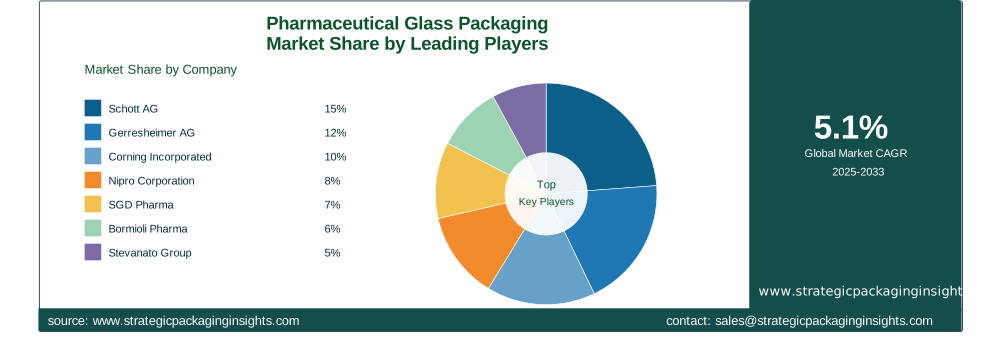
Among the major players in the pharmaceutical glass packaging market, Schott AG holds a significant market share due to its extensive product range and strong focus on innovation. The company is known for its high-quality glass packaging solutions that meet stringent regulatory standards. Gerresheimer AG is another key player, renowned for its comprehensive portfolio of glass and plastic packaging solutions for the pharmaceutical industry. The company's strong global presence and strategic partnerships have enabled it to maintain a competitive position in the market.
Corning Incorporated is a leading player in the pharmaceutical glass packaging market, known for its innovative glass technologies and strong focus on sustainability. The company's commitment to research and development has resulted in the introduction of advanced glass packaging solutions that cater to the evolving needs of the pharmaceutical industry. Nipro Corporation is also a prominent player, offering a wide range of glass packaging solutions for pharmaceuticals. The company's strong focus on quality and customer satisfaction has helped it establish a loyal customer base.
Other notable players in the market include SGD Pharma, which is known for its high-quality glass packaging solutions and strong focus on sustainability. The company's extensive product portfolio and strategic partnerships have enabled it to maintain a competitive position in the market. Bormioli Pharma is another key player, offering a wide range of glass and plastic packaging solutions for the pharmaceutical industry. The company's strong focus on innovation and customer satisfaction has helped it establish a strong presence in the market.
Key Highlights
- The pharmaceutical glass packaging market is projected to grow at a CAGR of 5.1% from 2025 to 2033.
- Increasing demand for biologics and biosimilars is driving the need for specialized glass packaging solutions.
- Technological advancements in glass manufacturing processes are enhancing the competitiveness of glass packaging.
- Regulatory mandates for safe and inert packaging solutions are boosting the demand for glass packaging.
- The market is witnessing increased competition from alternative packaging materials such as plastics.
- Key players are focusing on sustainability and innovation to maintain their competitive edge.
- The market is characterized by a few major players with extensive product portfolios and strong distribution networks.
Top Countries Insights
In the pharmaceutical glass packaging market, the United States holds a significant share, with a market size of $4.5 billion and a CAGR of 4%. The country's strong pharmaceutical industry and stringent regulatory standards drive the demand for high-quality glass packaging solutions. Germany is another key market, with a market size of $2.8 billion and a CAGR of 5%. The country's focus on innovation and sustainability in packaging solutions is a major growth driver.
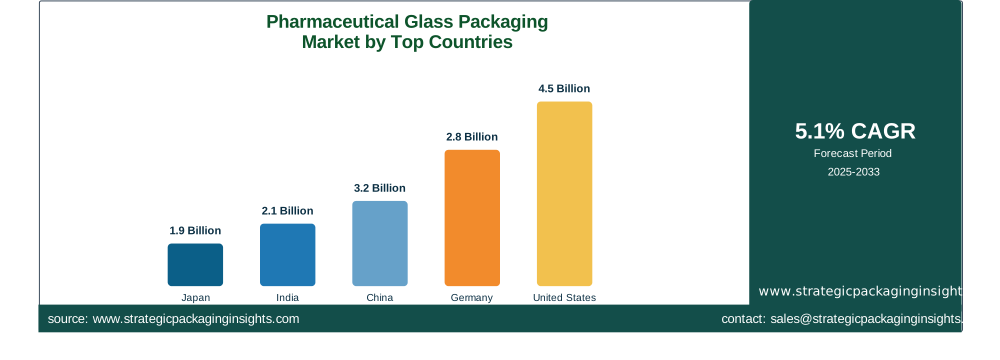
China is experiencing rapid growth in the pharmaceutical glass packaging market, with a market size of $3.2 billion and a CAGR of 7%. The country's expanding pharmaceutical industry and increasing demand for biologics are driving the need for specialized glass packaging solutions. India is also a key market, with a market size of $2.1 billion and a CAGR of 6%. The country's growing pharmaceutical production and focus on export markets are boosting the demand for glass packaging.
Japan holds a significant share in the pharmaceutical glass packaging market, with a market size of $1.9 billion and a CAGR of 3%. The country's advanced pharmaceutical industry and focus on quality and safety in packaging solutions are major growth drivers. However, the market faces challenges from the increasing competition from alternative packaging materials and the need for sustainable manufacturing practices.
Pharmaceutical Glass Packaging Market Segments Insights

Type Analysis
The pharmaceutical glass packaging market is segmented by type into vials, ampoules, cartridges, and syringes. Vials hold the largest market share due to their widespread use in the packaging of injectable drugs. The demand for vials is driven by the increasing prevalence of chronic diseases and the subsequent rise in pharmaceutical production. Ampoules are also a significant segment, with their demand driven by the need for single-dose packaging solutions. Cartridges and syringes are gaining traction due to the growing trend of self-administration of drugs and the increasing demand for prefilled syringes.
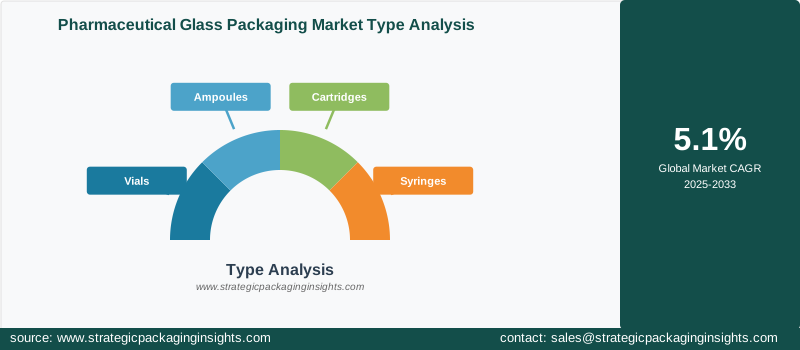
The competition in the type segment is intense, with key players focusing on innovation and product differentiation to gain a competitive edge. The development of lightweight and durable glass packaging solutions is a major trend in this segment. Additionally, the growing focus on sustainability is driving the demand for recyclable and reusable glass packaging options. The increasing adoption of smart packaging solutions, which incorporate features like temperature monitoring and tamper evidence, is also a significant trend in the type segment.
Application Analysis
The pharmaceutical glass packaging market is segmented by application into injectable, oral, nasal, and others. Injectable applications hold the largest market share due to the increasing demand for biologics and biosimilars, which require specialized packaging solutions to maintain their stability and efficacy. The demand for oral applications is driven by the growing prevalence of chronic diseases and the subsequent rise in pharmaceutical production. Nasal applications are gaining traction due to the increasing demand for nasal sprays and inhalers.
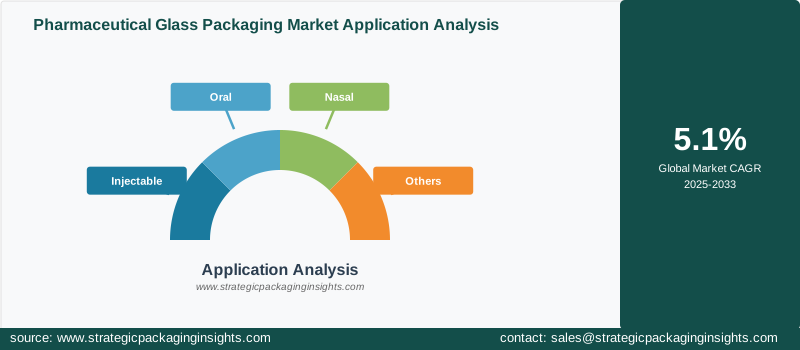
The competition in the application segment is driven by the need for specialized packaging solutions that meet regulatory requirements and consumer preferences. The development of smart packaging solutions, which enhance patient safety and compliance, is a major trend in this segment. Additionally, the growing focus on sustainability is driving the demand for eco-friendly packaging solutions. The increasing adoption of advanced manufacturing technologies is also a significant trend in the application segment.
End-User Analysis
The pharmaceutical glass packaging market is segmented by end-user into pharmaceutical companies, biotech companies, contract manufacturing organizations, and others. Pharmaceutical companies hold the largest market share due to their extensive use of glass packaging solutions for a wide range of products. The demand from biotech companies is driven by the increasing production of biologics and biosimilars, which require specialized packaging solutions. Contract manufacturing organizations are gaining traction due to the growing trend of outsourcing pharmaceutical production.
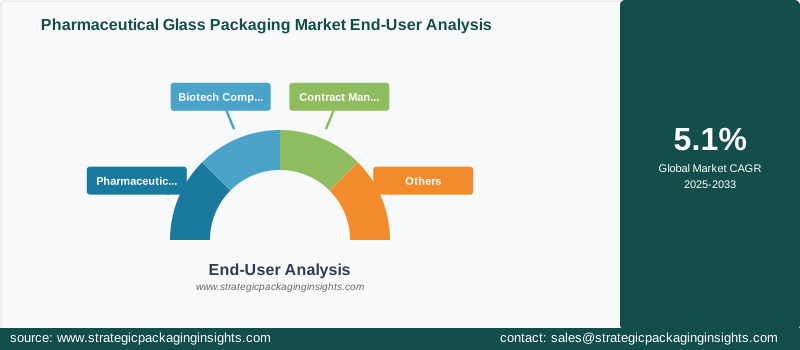
The competition in the end-user segment is driven by the need for high-quality and cost-effective packaging solutions. The development of innovative glass packaging solutions that meet regulatory requirements and consumer preferences is a major trend in this segment. Additionally, the growing focus on sustainability is driving the demand for eco-friendly packaging solutions. The increasing adoption of advanced manufacturing technologies is also a significant trend in the end-user segment.
Regional Analysis
The pharmaceutical glass packaging market is segmented by region into North America, Europe, Asia Pacific, Latin America, and Middle East & Africa. North America holds the largest market share due to the strong pharmaceutical industry and stringent regulatory standards. The demand in Europe is driven by the focus on innovation and sustainability in packaging solutions. Asia Pacific is experiencing rapid growth due to the expanding pharmaceutical industry and increasing demand for biologics. Latin America and Middle East & Africa are also significant markets, with their growth driven by the increasing pharmaceutical production and focus on export markets.
The competition in the regional segment is driven by the need for high-quality and cost-effective packaging solutions. The development of innovative glass packaging solutions that meet regulatory requirements and consumer preferences is a major trend in this segment. Additionally, the growing focus on sustainability is driving the demand for eco-friendly packaging solutions. The increasing adoption of advanced manufacturing technologies is also a significant trend in the regional segment.
Pharmaceutical Glass Packaging Market Segments
The Pharmaceutical Glass Packaging market has been segmented on the basis ofType
- Vials
- Ampoules
- Cartridges
- Syringes
Application
- Injectable
- Oral
- Nasal
- Others
End-User
- Pharmaceutical Companies
- Biotech Companies
- Contract Manufacturing Organizations
- Others
Region
- North America
- Europe
- Asia Pacific
- Latin America
- Middle East & Africa




