


Holographic Blister Foil Market Outlook
The Holographic Blister Foil market was valued at $451.20 million in 2025 and is projected to reach $979.96 million by 2034, growing at a CAGR of 9.0% during the forecast period 2026-2034. This market is witnessing significant growth due to the increasing demand for secure and visually appealing packaging solutions across various industries. The pharmaceutical sector, in particular, is driving the demand for holographic blister foils as they offer enhanced security features that help in combating counterfeiting. Additionally, the rising consumer preference for premium packaging in nutraceuticals and other premium goods is further propelling market growth. The market is also benefiting from technological advancements in holography, which are enabling the production of more sophisticated and cost-effective holographic foils.
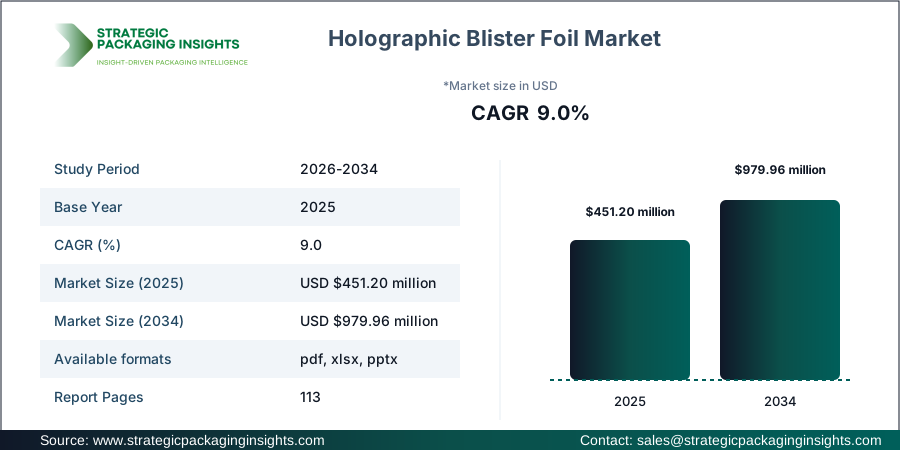
Despite the promising growth prospects, the holographic blister foil market faces certain challenges. Regulatory constraints related to packaging materials, especially in the pharmaceutical industry, can pose significant hurdles for market players. Moreover, the high cost of holographic foils compared to traditional packaging materials may limit their adoption among cost-sensitive end-users. However, the growing awareness about the benefits of holographic packaging, such as enhanced brand protection and product differentiation, is expected to create lucrative opportunities for market expansion. The market also holds potential for growth in emerging economies, where the demand for advanced packaging solutions is on the rise.
Report Scope
| Attributes | Details |
| Report Title | Holographic Blister Foil Market Size, Future Growth and Forecast 2034 |
| By Product Type | Printed Holographic Foil, Plain Holographic Foil, Anti-Counterfeit Foil |
| By Application | Pharma, Nutraceuticals, Premium Goods |
| By Material Type | Aluminum Foil, Laminated Foil, Coated Foil |
| By End Use | Pharma Companies, Converters, Security Packaging Firms |
| Region | Asia Pacific, North America, Latin America, Europe, Middle East & Africa |
| Base Year | 2025 |
| Historic Period | 2018-2024 |
| Forecast Period | 2026-2034 |
| Number of Pages | 113 |
| Customization Available | Yes* |
Opportunities & Threats
The holographic blister foil market presents numerous opportunities for growth, primarily driven by the increasing demand for anti-counterfeit packaging solutions. As counterfeit products continue to pose a significant threat to various industries, especially pharmaceuticals, the need for secure packaging solutions is becoming more critical. Holographic blister foils offer an effective solution by providing unique visual features that are difficult to replicate, thereby ensuring product authenticity. Additionally, the growing trend of premiumization in consumer goods is creating a demand for visually appealing packaging, further boosting the market for holographic foils. Companies are increasingly investing in research and development to create innovative holographic designs that enhance brand value and attract consumers.
Another opportunity lies in the expanding applications of holographic blister foils beyond traditional sectors. The nutraceutical industry, for instance, is witnessing a surge in demand for holographic packaging as consumers become more health-conscious and seek assurance of product quality. Moreover, the rise of e-commerce is driving the need for secure packaging solutions that can withstand the rigors of shipping while maintaining product integrity. Holographic foils, with their tamper-evident features, are well-suited to meet these requirements, thereby opening new avenues for market growth. The increasing adoption of sustainable packaging practices also presents an opportunity for market players to develop eco-friendly holographic foils that cater to the growing demand for environmentally responsible packaging solutions.
However, the market is not without its threats. One of the primary challenges is the high cost associated with the production of holographic foils, which can deter price-sensitive customers from adopting these solutions. Additionally, the market faces competition from alternative anti-counterfeit technologies, such as RFID tags and QR codes, which offer similar security benefits at potentially lower costs. The rapid pace of technological advancements also poses a threat, as companies must continuously innovate to stay ahead of competitors and meet evolving consumer demands. Furthermore, stringent regulatory requirements related to packaging materials, particularly in the pharmaceutical sector, can pose compliance challenges for market players, potentially impacting market growth.
Drivers & Challenges
The holographic blister foil market is primarily driven by the increasing need for secure packaging solutions in the pharmaceutical industry. With the rise in counterfeit drugs posing significant risks to consumer safety and brand reputation, pharmaceutical companies are increasingly adopting holographic blister foils to ensure product authenticity and integrity. These foils offer unique visual features that are difficult to replicate, making them an effective tool in the fight against counterfeiting. Additionally, the growing consumer preference for premium packaging in sectors such as nutraceuticals and premium goods is further driving the demand for holographic foils. The ability of these foils to enhance product appeal and differentiate brands in a competitive market is a key factor contributing to their growing adoption.
Technological advancements in holography are also playing a crucial role in driving market growth. Innovations in holographic printing techniques have enabled the production of more sophisticated and cost-effective holographic foils, making them accessible to a wider range of industries. The development of eco-friendly holographic foils is another significant driver, as companies seek to align with the growing demand for sustainable packaging solutions. Furthermore, the increasing penetration of e-commerce is boosting the demand for secure packaging solutions that can withstand the challenges of shipping and handling. Holographic blister foils, with their tamper-evident features, are well-suited to meet these requirements, thereby driving market growth.
Despite the positive growth drivers, the holographic blister foil market faces several challenges. One of the primary challenges is the high cost associated with the production of holographic foils, which can limit their adoption among cost-sensitive end-users. Additionally, the market faces competition from alternative anti-counterfeit technologies, such as RFID tags and QR codes, which offer similar security benefits at potentially lower costs. The rapid pace of technological advancements also poses a challenge, as companies must continuously innovate to stay ahead of competitors and meet evolving consumer demands. Furthermore, stringent regulatory requirements related to packaging materials, particularly in the pharmaceutical sector, can pose compliance challenges for market players, potentially impacting market growth.
Market Share Analysis
The holographic blister foil market is characterized by a competitive landscape with several key players vying for market share. Companies such as UFlex, Klockner Pentaplast, Constantia Flexibles, and Amcor are among the leading players in the market, each holding a significant share. These companies have established themselves as leaders through their extensive product portfolios, strong distribution networks, and continuous investment in research and development. UFlex, for instance, is known for its innovative holographic solutions that cater to a wide range of industries, including pharmaceuticals and consumer goods. The company's focus on sustainability and eco-friendly packaging solutions has further strengthened its position in the market.
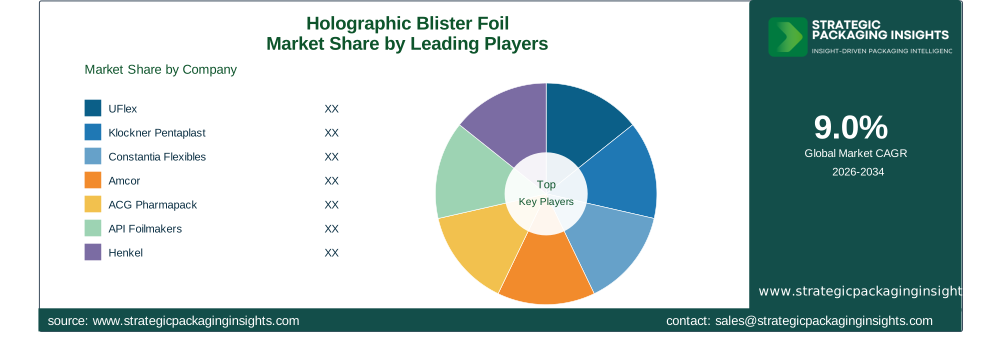
Klockner Pentaplast is another major player in the holographic blister foil market, known for its high-quality packaging solutions that meet stringent regulatory requirements. The company's strong focus on customer satisfaction and product innovation has enabled it to maintain a competitive edge in the market. Constantia Flexibles, with its extensive global presence and diverse product offerings, is also a key player in the market. The company's commitment to sustainability and innovation has helped it capture a significant share of the market. Amcor, a leading packaging company, is known for its advanced holographic solutions that cater to the needs of various industries, including pharmaceuticals and consumer goods.
Other notable players in the market include ACG Pharmapack, API Foilmakers, Henkel, Kurz, Holostik, and Cosmo Films. ACG Pharmapack is recognized for its high-quality holographic packaging solutions that offer enhanced security features. The company's focus on innovation and customer-centric solutions has helped it establish a strong foothold in the market. API Foilmakers, known for its premium holographic foils, caters to a wide range of industries, including pharmaceuticals and consumer goods. Henkel, with its extensive product portfolio and strong focus on sustainability, is also a key player in the market. Kurz, Holostik, and Cosmo Films are other significant players, each offering unique holographic solutions that cater to the diverse needs of the market.
Key Highlights
- The holographic blister foil market is projected to grow at a CAGR of 9.0% from 2026 to 2034.
- Increasing demand for anti-counterfeit packaging solutions is a major driver of market growth.
- Technological advancements in holography are enabling the production of cost-effective holographic foils.
- The pharmaceutical industry is a key end-user of holographic blister foils, driven by the need for secure packaging solutions.
- Growing consumer preference for premium packaging is boosting demand for holographic foils in the nutraceutical and premium goods sectors.
- Emerging economies present significant growth opportunities for market players.
- Stringent regulatory requirements in the pharmaceutical sector pose challenges for market players.
- High production costs of holographic foils may limit their adoption among cost-sensitive end-users.
- Competition from alternative anti-counterfeit technologies is a potential threat to market growth.
- Companies are increasingly focusing on developing eco-friendly holographic foils to meet the demand for sustainable packaging solutions.
Top Countries Insights
In the holographic blister foil market, the United States stands out as a key player, with a market size of approximately $150 million and a CAGR of 8%. The country's strong pharmaceutical industry, coupled with stringent regulations on drug packaging, drives the demand for secure packaging solutions like holographic foils. Additionally, the growing trend of premiumization in consumer goods further boosts market growth. However, the high cost of holographic foils remains a challenge for widespread adoption.
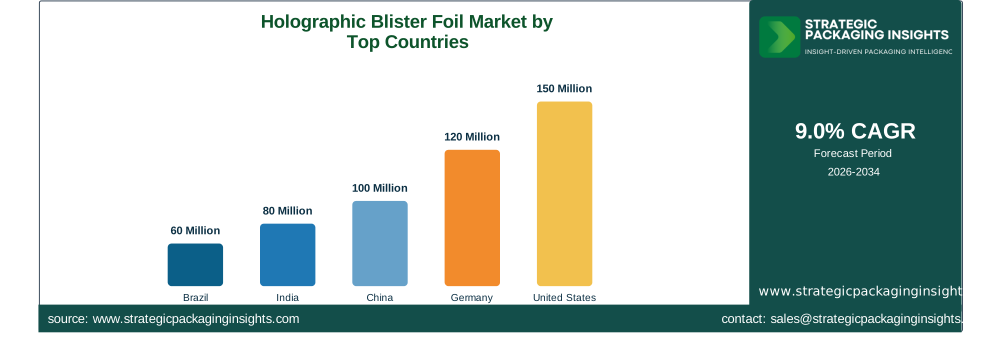
Germany, with a market size of around $120 million and a CAGR of 7%, is another significant player in the holographic blister foil market. The country's robust manufacturing sector and emphasis on quality and innovation drive the demand for advanced packaging solutions. The pharmaceutical industry, in particular, is a major end-user of holographic foils, driven by the need for secure and compliant packaging. However, regulatory constraints and high production costs pose challenges for market players.
China, with a market size of approximately $100 million and a CAGR of 10%, is experiencing rapid growth in the holographic blister foil market. The country's booming pharmaceutical and consumer goods industries are key drivers of market growth. Additionally, the increasing focus on anti-counterfeit measures and product differentiation is boosting the demand for holographic foils. However, the market faces challenges related to regulatory compliance and competition from alternative packaging solutions.
India, with a market size of around $80 million and a CAGR of 12%, is emerging as a significant player in the holographic blister foil market. The country's growing pharmaceutical industry and increasing awareness about the benefits of secure packaging solutions are driving market growth. Additionally, the rising demand for premium packaging in the nutraceutical sector is further boosting the market. However, the high cost of holographic foils and regulatory challenges remain key hurdles for market players.
Brazil, with a market size of approximately $60 million and a CAGR of 9%, is also witnessing growth in the holographic blister foil market. The country's expanding pharmaceutical and consumer goods industries are key drivers of market growth. Additionally, the increasing focus on anti-counterfeit measures and product differentiation is boosting the demand for holographic foils. However, the market faces challenges related to regulatory compliance and competition from alternative packaging solutions.
Holographic Blister Foil Market Segments Insights

Product Type Analysis
The holographic blister foil market is segmented by product type into printed holographic foil, plain holographic foil, and anti-counterfeit foil. Printed holographic foils are gaining traction due to their ability to enhance brand visibility and product appeal. These foils are widely used in the pharmaceutical and consumer goods industries, where product differentiation is crucial. The demand for printed holographic foils is driven by the growing trend of premiumization and the need for secure packaging solutions. Plain holographic foils, on the other hand, are preferred for their cost-effectiveness and versatility. They are commonly used in applications where basic security features are sufficient. Anti-counterfeit foils are witnessing increasing demand due to the rising incidence of counterfeit products across various industries. These foils offer advanced security features that are difficult to replicate, making them an effective tool in the fight against counterfeiting.
The competition in the product type segment is intense, with companies focusing on innovation and product development to gain a competitive edge. The development of eco-friendly holographic foils is a key trend in this segment, as companies seek to align with the growing demand for sustainable packaging solutions. Additionally, advancements in holographic printing techniques are enabling the production of more sophisticated and cost-effective foils, further driving market growth. Customer demand for unique and visually appealing packaging solutions is also influencing the product type segment, with companies investing in research and development to create innovative holographic designs that enhance brand value and attract consumers.
Application Analysis
The holographic blister foil market is segmented by application into pharma, nutraceuticals, and premium goods. The pharmaceutical industry is the largest end-user of holographic blister foils, driven by the need for secure packaging solutions that ensure product authenticity and integrity. The rising incidence of counterfeit drugs is a major concern for the industry, prompting pharmaceutical companies to adopt holographic foils as an effective anti-counterfeit measure. The nutraceutical industry is also witnessing a surge in demand for holographic packaging, as consumers become more health-conscious and seek assurance of product quality. The ability of holographic foils to enhance product appeal and differentiate brands in a competitive market is a key factor driving their adoption in the nutraceutical sector.
The premium goods segment is another significant application area for holographic blister foils. The growing trend of premiumization in consumer goods is creating a demand for visually appealing packaging solutions that enhance brand value and attract consumers. Holographic foils, with their unique visual features, are well-suited to meet these requirements, making them a popular choice for premium goods packaging. The competition in the application segment is intense, with companies focusing on innovation and product development to cater to the diverse needs of end-users. The development of eco-friendly holographic foils is a key trend in this segment, as companies seek to align with the growing demand for sustainable packaging solutions.
Material Type Analysis
The holographic blister foil market is segmented by material type into aluminum foil, laminated foil, and coated foil. Aluminum foil is the most commonly used material in holographic blister foils, known for its excellent barrier properties and durability. The demand for aluminum foil is driven by its ability to provide effective protection against moisture, light, and oxygen, making it an ideal choice for pharmaceutical and consumer goods packaging. Laminated foils are gaining popularity due to their enhanced strength and flexibility, making them suitable for a wide range of applications. The demand for laminated foils is driven by the growing trend of premiumization and the need for secure packaging solutions.
Coated foils are also witnessing increasing demand, particularly in applications where additional protection and visual appeal are required. The competition in the material type segment is intense, with companies focusing on innovation and product development to gain a competitive edge. The development of eco-friendly holographic foils is a key trend in this segment, as companies seek to align with the growing demand for sustainable packaging solutions. Additionally, advancements in coating technologies are enabling the production of more sophisticated and cost-effective foils, further driving market growth. Customer demand for unique and visually appealing packaging solutions is also influencing the material type segment, with companies investing in research and development to create innovative holographic designs that enhance brand value and attract consumers.
End Use Analysis
The holographic blister foil market is segmented by end use into pharma companies, converters, and security packaging firms. Pharma companies are the largest end-users of holographic blister foils, driven by the need for secure packaging solutions that ensure product authenticity and integrity. The rising incidence of counterfeit drugs is a major concern for the industry, prompting pharmaceutical companies to adopt holographic foils as an effective anti-counterfeit measure. Converters, which are responsible for transforming raw materials into finished packaging products, are also significant end-users of holographic foils. The demand for holographic foils among converters is driven by the growing trend of premiumization and the need for secure packaging solutions.
Security packaging firms are another important end-user segment, as they specialize in providing advanced packaging solutions that offer enhanced security features. The competition in the end-use segment is intense, with companies focusing on innovation and product development to cater to the diverse needs of end-users. The development of eco-friendly holographic foils is a key trend in this segment, as companies seek to align with the growing demand for sustainable packaging solutions. Additionally, advancements in holographic printing techniques are enabling the production of more sophisticated and cost-effective foils, further driving market growth. Customer demand for unique and visually appealing packaging solutions is also influencing the end-use segment, with companies investing in research and development to create innovative holographic designs that enhance brand value and attract consumers.
Holographic Blister Foil Market Segments
The Holographic Blister Foil market has been segmented on the basis ofBy Product Type
- Printed Holographic Foil
- Plain Holographic Foil
- Anti-Counterfeit Foil
By Application
- Pharma
- Nutraceuticals
- Premium Goods
By Material Type
- Aluminum Foil
- Laminated Foil
- Coated Foil
By End Use
- Pharma Companies
- Converters
- Security Packaging Firms
Region
- Asia Pacific
- North America
- Latin America
- Europe
- Middle East & Africa




