


Glass Liquor Bottle Market Outlook
The Glass Liquor Bottle market was valued at $5.53 billion in 2025 and is projected to reach $8.21 billion by 2034, growing at a CAGR of 4.5% during the forecast period 2026-2034. This market is witnessing a steady growth trajectory due to the increasing demand for premium and aesthetically appealing packaging solutions in the alcoholic beverage industry. The rise in consumer preference for premium spirits and wines, coupled with the growing trend of gifting luxury liquor, is driving the demand for glass liquor bottles. Additionally, the sustainability aspect of glass, being 100% recyclable, is further propelling its adoption over other packaging materials. The market is also benefiting from the expansion of the global alcoholic beverage industry, particularly in emerging markets where disposable incomes are rising.
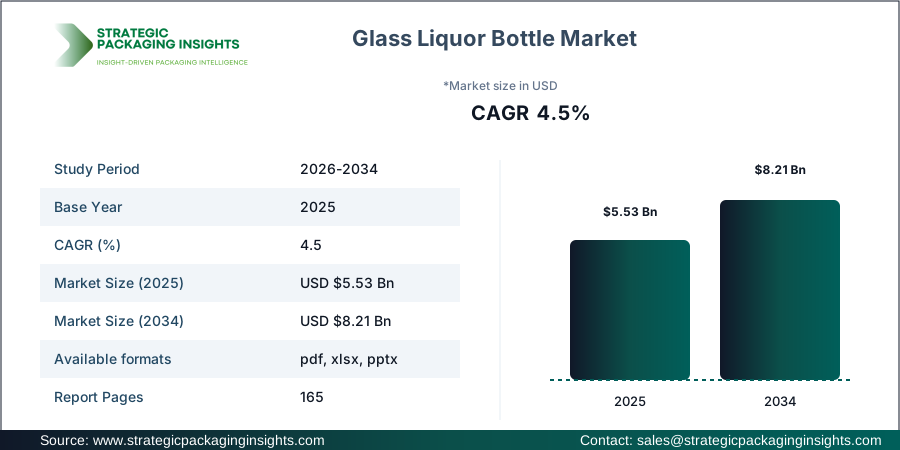
However, the market faces certain challenges that could restrain its growth. The high cost of production and transportation of glass bottles compared to plastic alternatives is a significant barrier. Additionally, stringent regulations regarding packaging waste and recycling in various countries pose challenges for manufacturers. Despite these challenges, the market holds significant growth potential, driven by innovations in glass bottle design and decoration, which enhance product differentiation and brand value. The increasing focus on eco-friendly packaging solutions is also expected to create new opportunities for market players.
Report Scope
| Attributes | Details |
| Report Title | Glass Liquor Bottle Market Size, Future Growth and Forecast 2034 |
| Bottle Type | Spirits Bottles, Wine Bottles, Premium Liquor Bottles |
| Glass Type | Clear Glass, Amber Glass, Green Glass, Decorated Glass |
| Capacity | Miniature, Standard, Large Format |
| End Use | Distilleries, Wineries, Beverage Brands |
| Region | Asia Pacific, North America, Latin America, Europe, Middle East & Africa |
| Base Year | 2025 |
| Historic Period | 2018-2024 |
| Forecast Period | 2026-2034 |
| Number of Pages | 165 |
| Customization Available | Yes* |
Opportunities & Threats
The Glass Liquor Bottle market presents numerous opportunities, particularly in the realm of premiumization and customization. As consumers increasingly seek unique and personalized experiences, there is a growing demand for customized glass bottles that reflect individual brand identities. This trend is particularly prominent in the premium spirits and wine segments, where brands are leveraging innovative designs and decorative techniques to enhance their market appeal. Additionally, the rise of e-commerce and online retailing offers new distribution channels for glass liquor bottles, enabling manufacturers to reach a broader audience and tap into new markets.
Another significant opportunity lies in the sustainability trend. With consumers becoming more environmentally conscious, there is a growing preference for sustainable packaging solutions. Glass, being infinitely recyclable, aligns well with this trend, offering manufacturers a competitive edge. Companies that invest in sustainable production processes and promote the recyclability of their products are likely to gain favor with eco-conscious consumers. Furthermore, advancements in glass manufacturing technology, such as lightweighting and improved energy efficiency, are expected to reduce production costs and enhance the market's competitiveness.
Despite these opportunities, the market faces threats from alternative packaging materials, such as plastic and aluminum, which are often cheaper and lighter. The high cost of raw materials and energy required for glass production can also impact profitability. Additionally, the fragility of glass poses logistical challenges, increasing the risk of breakage during transportation. To mitigate these threats, manufacturers are focusing on innovation and efficiency improvements, such as developing stronger, more durable glass formulations and optimizing supply chain operations.
Drivers & Challenges
One of the primary drivers of the Glass Liquor Bottle market is the increasing consumer preference for premium and luxury alcoholic beverages. As disposable incomes rise, particularly in emerging markets, consumers are willing to spend more on high-quality spirits and wines, which often come in glass bottles. The aesthetic appeal and perceived quality of glass packaging enhance the overall consumer experience, making it a preferred choice for premium brands. Additionally, the trend of gifting premium liquor in decorative glass bottles is further boosting market demand.
Another significant driver is the growing awareness and demand for sustainable packaging solutions. Glass is a highly sustainable material, being 100% recyclable without loss of quality. This aligns with the increasing consumer focus on environmental responsibility and sustainability. As a result, many beverage brands are opting for glass packaging to enhance their eco-friendly image and appeal to environmentally conscious consumers. The recyclability of glass also supports circular economy initiatives, further driving its adoption in the liquor industry.
However, the market faces challenges such as the high cost of glass production and transportation. Glass bottles are heavier and more fragile than alternative packaging materials, leading to higher logistics costs and increased risk of breakage. Additionally, the energy-intensive nature of glass manufacturing can impact profitability, especially in regions with high energy costs. To address these challenges, manufacturers are investing in technological advancements to improve production efficiency and reduce costs. Innovations such as lightweight glass bottles and improved manufacturing processes are helping to mitigate these challenges and enhance market competitiveness.
Market Share Analysis
The Glass Liquor Bottle market is characterized by a competitive landscape with several key players vying for market share. O-I Glass, Ardagh Group, and Verallia are among the leading companies, known for their extensive product portfolios and strong global presence. These companies have established themselves as leaders in the market through strategic acquisitions, partnerships, and investments in advanced manufacturing technologies. Their focus on innovation and sustainability has enabled them to maintain a competitive edge and cater to the evolving demands of the liquor industry.
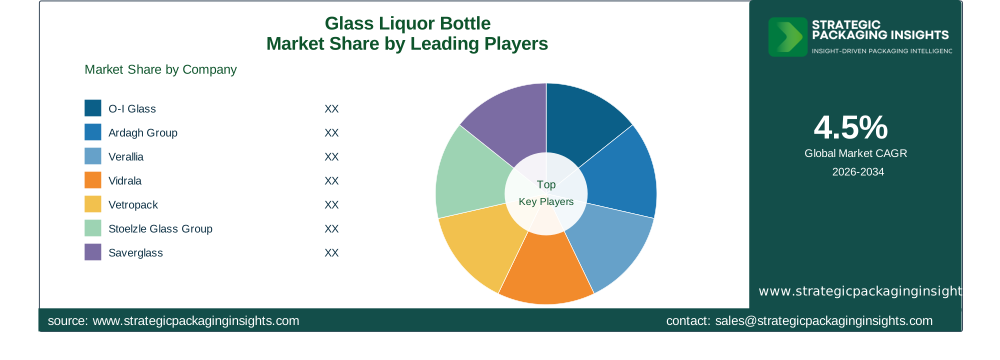
Vidrala and Vetropack are also prominent players in the market, known for their high-quality glass packaging solutions and strong regional presence. These companies have been expanding their production capacities and enhancing their product offerings to meet the growing demand for premium glass bottles. Stoelzle Glass Group and Saverglass are renowned for their expertise in producing decorative and customized glass bottles, catering to the premium and luxury segments of the market. Their focus on design innovation and customer-centric solutions has helped them build strong relationships with leading beverage brands.
Berlin Packaging and Vitro Packaging are key players in the market, offering a wide range of glass packaging solutions for the liquor industry. These companies have been focusing on expanding their distribution networks and enhancing their service offerings to provide comprehensive packaging solutions to their clients. Piramal Glass, known for its strong presence in the Asian market, has been investing in capacity expansion and technological advancements to strengthen its market position. The competitive landscape is further intensified by the presence of several regional and local players, contributing to the market's dynamic nature.
Key Highlights
- The Glass Liquor Bottle market is projected to grow at a CAGR of 4.5% from 2026 to 2034.
- Premiumization and customization trends are driving demand for unique glass bottle designs.
- Sustainability and recyclability of glass are key factors influencing market growth.
- Technological advancements in glass manufacturing are reducing production costs.
- Emerging markets are witnessing increased demand for premium spirits and wines.
- Online retailing is providing new distribution channels for glass liquor bottles.
- High production and transportation costs remain a challenge for manufacturers.
- Leading companies are focusing on innovation and sustainability to maintain competitiveness.
- Decorative and customized glass bottles are gaining popularity in the luxury segment.
- Regulatory pressures on packaging waste are influencing market dynamics.
Top Countries Insights
In the Glass Liquor Bottle market, the United States stands out as a key player, with a market size of approximately $1.2 billion and a CAGR of 3%. The country's strong demand for premium spirits and wines, coupled with a well-established alcoholic beverage industry, drives the market. The trend of premiumization and the growing preference for sustainable packaging solutions are significant growth drivers. However, regulatory pressures on packaging waste and recycling pose challenges for manufacturers.
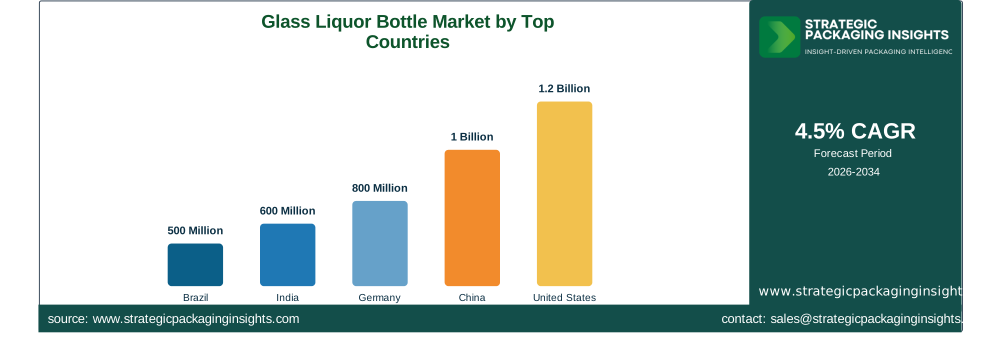
China is another major market, with a market size of around $1 billion and a CAGR of 5%. The country's rapidly growing middle class and increasing disposable incomes are fueling demand for premium alcoholic beverages, driving the need for high-quality glass packaging. The government's focus on environmental sustainability and recycling initiatives further supports market growth. However, the high cost of glass production and transportation remains a challenge.
In Europe, Germany is a leading market, with a market size of approximately $800 million and a CAGR of 4%. The country's strong tradition of wine and spirits consumption, along with a focus on premium and luxury products, drives demand for glass liquor bottles. The emphasis on sustainability and recyclability aligns with consumer preferences, supporting market growth. However, high energy costs and regulatory pressures on packaging waste pose challenges.
India is an emerging market, with a market size of around $600 million and a CAGR of 6%. The country's growing middle class and increasing urbanization are driving demand for premium spirits and wines, boosting the need for glass packaging. The government's initiatives to promote sustainable packaging solutions further support market growth. However, logistical challenges and high production costs remain barriers.
In Latin America, Brazil is a key market, with a market size of approximately $500 million and a CAGR of 4%. The country's vibrant alcoholic beverage industry and growing consumer preference for premium products drive demand for glass liquor bottles. The focus on sustainability and recyclability aligns with market trends, supporting growth. However, economic volatility and regulatory challenges pose risks for manufacturers.
Glass Liquor Bottle Market Segments Insights

Bottle Type Analysis
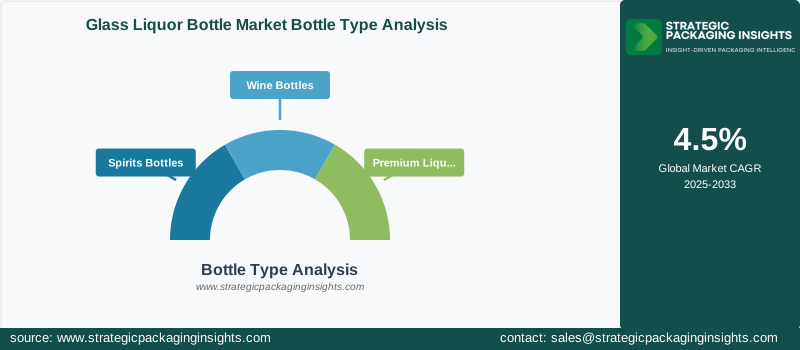
The Glass Liquor Bottle market is segmented by bottle type into spirits bottles, wine bottles, and premium liquor bottles. Spirits bottles dominate the market, driven by the increasing consumption of premium spirits and the trend of gifting high-end liquor. The demand for aesthetically appealing and customized spirits bottles is rising, as brands seek to differentiate themselves in a competitive market. Wine bottles also hold a significant share, with the growing popularity of wine consumption and the emphasis on premium packaging solutions. Premium liquor bottles, although a smaller segment, are witnessing rapid growth due to the rising demand for luxury and limited-edition products.
In the spirits bottles segment, manufacturers are focusing on innovation and design to cater to the evolving consumer preferences. The use of decorative techniques, such as embossing and screen printing, enhances the visual appeal of spirits bottles, making them a preferred choice for premium brands. The wine bottles segment is benefiting from the increasing trend of wine tourism and the growing popularity of wine festivals, which drive demand for high-quality glass packaging. Premium liquor bottles are gaining traction in the luxury segment, with brands investing in unique designs and limited-edition releases to attract affluent consumers.
Glass Type Analysis
The market is also segmented by glass type into clear glass, amber glass, green glass, and decorated glass. Clear glass is the most widely used type, favored for its transparency and ability to showcase the product inside. It is particularly popular in the spirits and wine segments, where the visual appeal of the product is a key selling point. Amber glass is used primarily for spirits, offering UV protection and enhancing the shelf life of the product. Green glass is commonly used for wine bottles, providing a classic and traditional look that appeals to consumers.
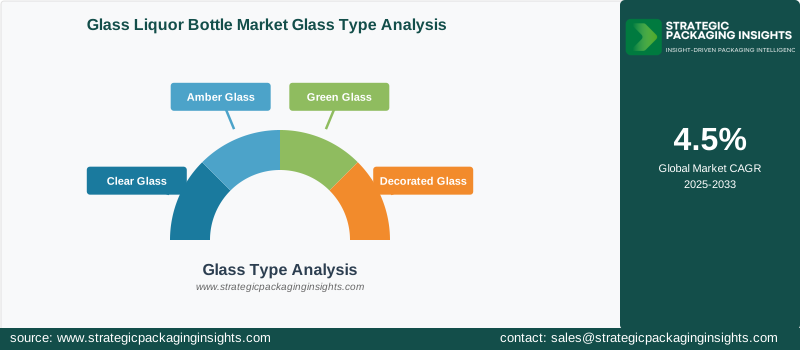
Decorated glass is gaining popularity across all segments, driven by the trend of premiumization and the demand for unique and customized packaging solutions. Manufacturers are investing in advanced decoration techniques, such as digital printing and laser engraving, to enhance the aesthetic appeal of glass bottles. The use of decorated glass is particularly prominent in the premium and luxury segments, where brands seek to create a distinctive brand identity and enhance consumer engagement. The growing focus on sustainability is also influencing the choice of glass type, with manufacturers opting for eco-friendly decoration processes and materials.
Capacity Analysis
The Glass Liquor Bottle market is segmented by capacity into miniature, standard, and large format bottles. Standard bottles hold the largest share, driven by their widespread use in the spirits and wine segments. The demand for standard bottles is supported by the growing consumption of alcoholic beverages and the trend of premiumization, which emphasizes high-quality packaging solutions. Miniature bottles are gaining popularity in the gifting and travel retail segments, offering convenience and portability for consumers.
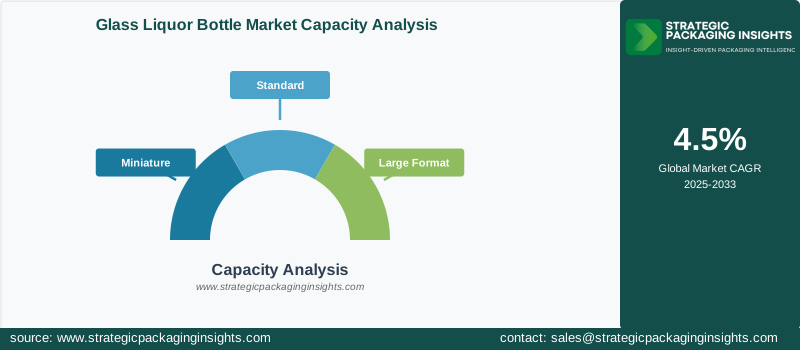
Large format bottles are witnessing growth in the premium and luxury segments, where they are used for special occasions and limited-edition releases. The demand for large format bottles is driven by the trend of experiential consumption, where consumers seek unique and memorable experiences. Manufacturers are focusing on innovation and design to cater to the evolving consumer preferences, offering a wide range of sizes and shapes to meet diverse market needs. The growing emphasis on sustainability is also influencing the choice of bottle capacity, with manufacturers exploring lightweighting and eco-friendly packaging solutions.
End Use Analysis
The market is segmented by end use into distilleries, wineries, and beverage brands. Distilleries are the largest end-use segment, driven by the increasing production and consumption of spirits worldwide. The demand for glass bottles in distilleries is supported by the trend of premiumization and the emphasis on high-quality packaging solutions. Wineries also hold a significant share, with the growing popularity of wine consumption and the focus on premium and luxury products driving demand for glass bottles.
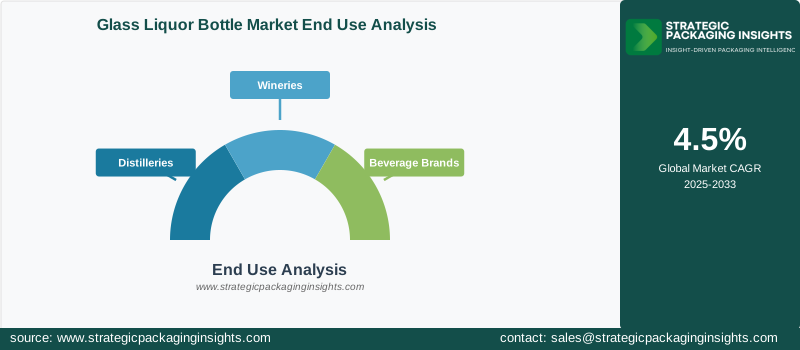
Beverage brands are increasingly opting for glass packaging to enhance their brand image and appeal to environmentally conscious consumers. The demand for glass bottles in the beverage brands segment is driven by the trend of sustainability and the growing focus on eco-friendly packaging solutions. Manufacturers are investing in innovation and design to cater to the evolving consumer preferences, offering a wide range of sizes, shapes, and decoration options to meet diverse market needs. The growing emphasis on sustainability is also influencing the choice of end-use segment, with manufacturers exploring lightweighting and eco-friendly packaging solutions.
Glass Liquor Bottle Market Segments
The Glass Liquor Bottle market has been segmented on the basis ofBottle Type
- Spirits Bottles
- Wine Bottles
- Premium Liquor Bottles
Glass Type
- Clear Glass
- Amber Glass
- Green Glass
- Decorated Glass
Capacity
- Miniature
- Standard
- Large Format
End Use
- Distilleries
- Wineries
- Beverage Brands
Region
- Asia Pacific
- North America
- Latin America
- Europe
- Middle East & Africa




