


Glass Bottles Market Outlook
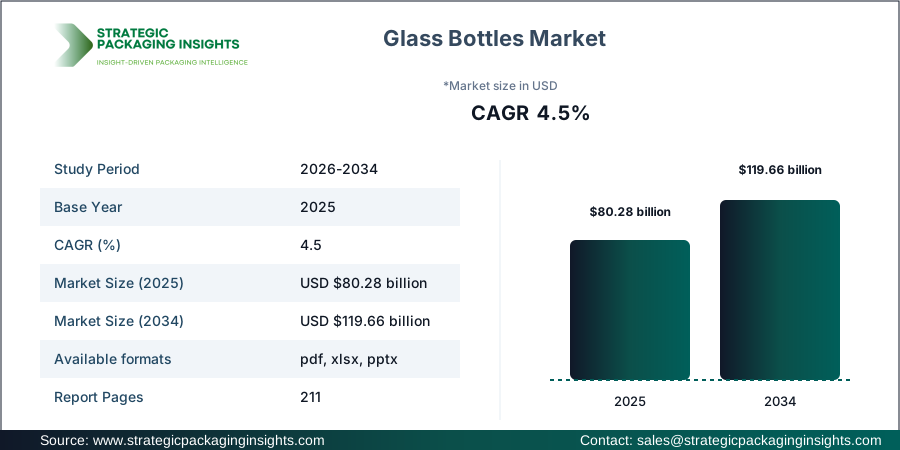
The glass bottles market was valued at $80.28 billion in 2025 and is projected to reach $119.66 billion by 2034, growing at a CAGR of 4.5% during the forecast period 2026-2034. This growth is driven by increasing demand for sustainable packaging solutions, as glass is 100% recyclable and can be reused without loss of quality or purity. The beverage industry, particularly the alcoholic beverages segment, is a major consumer of glass bottles, contributing significantly to market expansion. Additionally, the rising consumer preference for eco-friendly packaging and the premiumization trend in the food and beverage sector are further propelling the market growth. The pharmaceutical industry also plays a crucial role, with glass bottles being preferred for their inert nature and ability to preserve the integrity of medicinal products.
Despite the promising growth prospects, the glass bottles market faces certain challenges. The high cost of production and transportation due to the weight of glass compared to alternative packaging materials like plastic is a significant restraint. Moreover, stringent regulations regarding packaging waste management and recycling in various regions pose challenges to market players. However, advancements in manufacturing technologies and the development of lightweight glass bottles are expected to mitigate some of these challenges, offering growth potential in the coming years. The market is also witnessing increased investments in research and development to enhance the quality and functionality of glass bottles, which is likely to open new avenues for growth.
Report Scope
| Attributes | Details |
| Report Title | Glass Bottles Market Size, Future Growth and Forecast 2034 |
| By Product Type | Beverage Bottles, Food Bottles, Pharma Bottles, Cosmetic Bottles |
| By Glass Type | Soda-Lime, Borosilicate, Amber Glass, Flint Glass |
| By Application | Beverages, Food, Pharmaceuticals, Personal Care |
| By End Use | Food & Beverage, Healthcare, Cosmetics, Retail |
| Region | Asia Pacific, North America, Latin America, Europe, Middle East & Africa |
| Base Year | 2025 |
| Historic Period | 2018-2024 |
| Forecast Period | 2026-2034 |
| Number of Pages | 211 |
| Customization Available | Yes* |
Opportunities & Threats
The glass bottles market presents numerous opportunities, particularly in the realm of sustainability and eco-friendly packaging. As consumers become more environmentally conscious, there is a growing demand for packaging solutions that minimize environmental impact. Glass bottles, being fully recyclable and reusable, align perfectly with this trend, offering significant growth potential. Additionally, the premiumization trend in the food and beverage industry is driving demand for high-quality, aesthetically pleasing packaging, which glass bottles provide. This trend is particularly evident in the alcoholic beverages sector, where glass bottles are often associated with premium and luxury products, providing a lucrative opportunity for market players.
Another opportunity lies in the expanding pharmaceutical industry, where glass bottles are preferred for their ability to preserve the integrity of medicinal products. The increasing demand for pharmaceutical products, driven by an aging population and rising healthcare needs, is expected to boost the demand for glass bottles. Furthermore, innovations in glass manufacturing, such as the development of lightweight and more durable glass bottles, are opening new avenues for growth. These innovations not only reduce production and transportation costs but also enhance the functionality and appeal of glass bottles, making them more competitive against alternative packaging materials.
However, the glass bottles market is not without its threats. One of the primary challenges is the competition from alternative packaging materials, particularly plastics, which are lighter and cheaper to produce and transport. Additionally, the high cost of raw materials and energy required for glass production can impact profitability. The market also faces regulatory challenges, with stringent regulations regarding packaging waste management and recycling in various regions. These regulations can increase operational costs and pose compliance challenges for market players. Moreover, the fragility of glass compared to other materials can limit its use in certain applications, posing a threat to market growth.
Drivers & Challenges
The glass bottles market is driven by several key factors, including the increasing demand for sustainable and eco-friendly packaging solutions. As consumers become more environmentally conscious, there is a growing preference for packaging materials that are recyclable and have a minimal environmental impact. Glass bottles, being 100% recyclable and reusable, align perfectly with this trend, driving market growth. Additionally, the premiumization trend in the food and beverage industry is boosting demand for high-quality, aesthetically pleasing packaging, which glass bottles provide. This trend is particularly evident in the alcoholic beverages sector, where glass bottles are often associated with premium and luxury products.
Another significant driver is the expanding pharmaceutical industry, where glass bottles are preferred for their ability to preserve the integrity of medicinal products. The increasing demand for pharmaceutical products, driven by an aging population and rising healthcare needs, is expected to boost the demand for glass bottles. Furthermore, innovations in glass manufacturing, such as the development of lightweight and more durable glass bottles, are enhancing the competitiveness of glass bottles against alternative packaging materials. These innovations not only reduce production and transportation costs but also enhance the functionality and appeal of glass bottles.
Despite these drivers, the glass bottles market faces several challenges. One of the primary challenges is the competition from alternative packaging materials, particularly plastics, which are lighter and cheaper to produce and transport. Additionally, the high cost of raw materials and energy required for glass production can impact profitability. The market also faces regulatory challenges, with stringent regulations regarding packaging waste management and recycling in various regions. These regulations can increase operational costs and pose compliance challenges for market players. Moreover, the fragility of glass compared to other materials can limit its use in certain applications, posing a challenge to market growth.
Market Share Analysis
The glass bottles market is characterized by a competitive landscape with several key players dominating the market. Companies such as O-I Glass, Ardagh Group, and Verallia hold significant market shares, leveraging their extensive production capabilities and global distribution networks. These companies have established themselves as leaders in the market by continuously investing in research and development to enhance the quality and functionality of their glass bottles. Additionally, they have adopted strategic initiatives such as mergers and acquisitions to expand their market presence and strengthen their product portfolios.
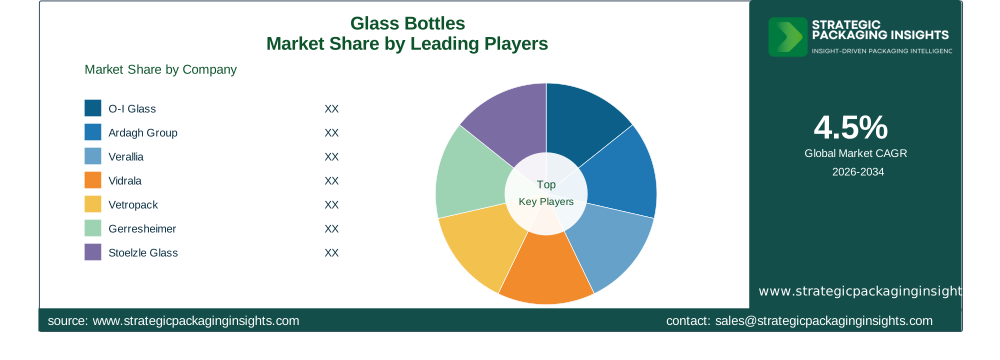
O-I Glass is one of the leading players in the glass bottles market, known for its innovative solutions and commitment to sustainability. The company has a strong presence in the beverage industry, providing high-quality glass bottles for various applications. Ardagh Group is another major player, offering a wide range of glass packaging solutions for the food and beverage, pharmaceutical, and personal care industries. The company has a strong focus on sustainability, with initiatives aimed at reducing its environmental footprint and promoting recycling.
Verallia, a leading glass packaging company, is known for its extensive product portfolio and commitment to innovation. The company serves a diverse range of industries, including food and beverage, pharmaceuticals, and cosmetics. Vidrala and Vetropack are also prominent players in the market, known for their high-quality glass bottles and strong customer relationships. These companies have established themselves as reliable suppliers by consistently delivering innovative and sustainable packaging solutions.
Other notable players in the glass bottles market include Gerresheimer, Stoelzle Glass, SGD Pharma, Piramal Glass, and Toyo Glass. Gerresheimer is a leading provider of glass packaging solutions for the pharmaceutical and healthcare industries, known for its high-quality and innovative products. Stoelzle Glass is recognized for its premium glass packaging solutions, serving the food and beverage, pharmaceutical, and cosmetics industries. SGD Pharma specializes in glass packaging for the pharmaceutical industry, offering a wide range of products designed to meet the stringent requirements of the sector.
Key Highlights
- The glass bottles market is projected to grow from $80.28 billion in 2025 to $119.66 billion by 2034, at a CAGR of 4.5%.
- Increasing demand for sustainable and eco-friendly packaging solutions is a major driver of market growth.
- The beverage industry, particularly the alcoholic beverages segment, is a significant consumer of glass bottles.
- Advancements in glass manufacturing technologies are enhancing the competitiveness of glass bottles.
- The pharmaceutical industry is a key end-user of glass bottles, driven by the need for inert and protective packaging.
- Stringent regulations regarding packaging waste management pose challenges to market players.
- Key players in the market include O-I Glass, Ardagh Group, Verallia, and Vidrala.
- Innovations in lightweight and durable glass bottles are opening new avenues for growth.
- The market is witnessing increased investments in research and development to enhance product quality.
Top Countries Insights
In the glass bottles market, the United States stands out as a key player, with a market size of approximately $15 billion and a CAGR of 3%. The country's strong demand for glass bottles is driven by the beverage industry's preference for premium packaging solutions. Additionally, the growing trend of sustainability and eco-friendly packaging is further boosting the demand for glass bottles in the U.S. However, the market faces challenges from stringent regulations regarding packaging waste management and recycling.
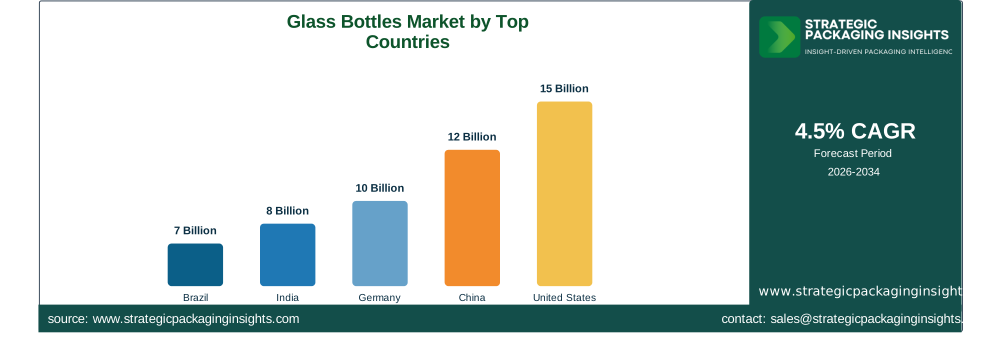
China is another significant market for glass bottles, with a market size of around $12 billion and a CAGR of 5%. The country's booming beverage industry, particularly the alcoholic beverages segment, is a major driver of market growth. Additionally, the increasing demand for pharmaceutical products is boosting the demand for glass bottles in China. However, the market faces challenges from the high cost of raw materials and energy required for glass production.
Germany is a key market in Europe, with a market size of approximately $10 billion and a CAGR of 4%. The country's strong focus on sustainability and recycling is driving the demand for glass bottles. Additionally, the premiumization trend in the food and beverage industry is boosting the demand for high-quality glass packaging solutions. However, the market faces challenges from competition from alternative packaging materials, particularly plastics.
India is an emerging market for glass bottles, with a market size of around $8 billion and a CAGR of 6%. The country's growing beverage industry, particularly the alcoholic beverages segment, is a major driver of market growth. Additionally, the increasing demand for pharmaceutical products is boosting the demand for glass bottles in India. However, the market faces challenges from the high cost of production and transportation due to the weight of glass.
Brazil is a significant market in Latin America, with a market size of approximately $7 billion and a CAGR of 4%. The country's strong demand for glass bottles is driven by the beverage industry's preference for premium packaging solutions. Additionally, the growing trend of sustainability and eco-friendly packaging is further boosting the demand for glass bottles in Brazil. However, the market faces challenges from stringent regulations regarding packaging waste management and recycling.
Glass Bottles Market Segments Insights

Product Type Analysis
The glass bottles market is segmented by product type into beverage bottles, food bottles, pharma bottles, and cosmetic bottles. Beverage bottles hold the largest share in this segment, driven by the high demand from the alcoholic beverages industry. The premiumization trend in the beverage sector is boosting the demand for high-quality glass bottles, which are often associated with luxury and premium products. Food bottles are also witnessing significant demand, driven by the increasing consumer preference for sustainable and eco-friendly packaging solutions. The growing trend of organic and natural food products is further boosting the demand for glass bottles in this segment.
Pharma bottles are a crucial segment in the glass bottles market, driven by the increasing demand for pharmaceutical products. Glass bottles are preferred in the pharmaceutical industry for their inert nature and ability to preserve the integrity of medicinal products. The growing healthcare needs and the aging population are boosting the demand for pharma bottles. Cosmetic bottles are also witnessing significant demand, driven by the increasing consumer preference for premium and aesthetically pleasing packaging solutions. The growing trend of natural and organic cosmetics is further boosting the demand for glass bottles in this segment.
Glass Type Analysis
The glass bottles market is segmented by glass type into soda-lime, borosilicate, amber glass, and flint glass. Soda-lime glass holds the largest share in this segment, driven by its widespread use in the beverage and food industries. The affordability and versatility of soda-lime glass make it a popular choice for various applications. Borosilicate glass is also witnessing significant demand, driven by its high resistance to thermal shock and chemical corrosion. This makes it a preferred choice in the pharmaceutical and laboratory industries.
Amber glass is a crucial segment in the glass bottles market, driven by its ability to protect contents from UV light. This makes it a preferred choice for packaging light-sensitive products, such as pharmaceuticals and certain beverages. Flint glass is also witnessing significant demand, driven by its clarity and aesthetic appeal. The growing trend of premium and luxury packaging solutions is boosting the demand for flint glass in the beverage and cosmetics industries.
Application Analysis
The glass bottles market is segmented by application into beverages, food, pharmaceuticals, and personal care. The beverages segment holds the largest share in this segment, driven by the high demand from the alcoholic beverages industry. The premiumization trend in the beverage sector is boosting the demand for high-quality glass bottles, which are often associated with luxury and premium products. The food segment is also witnessing significant demand, driven by the increasing consumer preference for sustainable and eco-friendly packaging solutions.
The pharmaceuticals segment is a crucial segment in the glass bottles market, driven by the increasing demand for pharmaceutical products. Glass bottles are preferred in the pharmaceutical industry for their inert nature and ability to preserve the integrity of medicinal products. The personal care segment is also witnessing significant demand, driven by the increasing consumer preference for premium and aesthetically pleasing packaging solutions. The growing trend of natural and organic personal care products is further boosting the demand for glass bottles in this segment.
End Use Analysis
The glass bottles market is segmented by end use into food & beverage, healthcare, cosmetics, and retail. The food & beverage segment holds the largest share in this segment, driven by the high demand from the beverage industry. The premiumization trend in the food and beverage sector is boosting the demand for high-quality glass bottles, which are often associated with luxury and premium products. The healthcare segment is also witnessing significant demand, driven by the increasing demand for pharmaceutical products.
The cosmetics segment is a crucial segment in the glass bottles market, driven by the increasing consumer preference for premium and aesthetically pleasing packaging solutions. The growing trend of natural and organic cosmetics is further boosting the demand for glass bottles in this segment. The retail segment is also witnessing significant demand, driven by the increasing consumer preference for sustainable and eco-friendly packaging solutions. The growing trend of online retail and e-commerce is further boosting the demand for glass bottles in this segment.
Glass Bottles Market Segments
The Glass Bottles market has been segmented on the basis ofBy Product Type
- Beverage Bottles
- Food Bottles
- Pharma Bottles
- Cosmetic Bottles
By Glass Type
- Soda-Lime
- Borosilicate
- Amber Glass
- Flint Glass
By Application
- Beverages
- Food
- Pharmaceuticals
- Personal Care
By End Use
- Food & Beverage
- Healthcare
- Cosmetics
- Retail
Region
- Asia Pacific
- North America
- Latin America
- Europe
- Middle East & Africa




