


Food-Grade rHDPE Supply for Retail and Private-Label Packaging Market Outlook
The Food-Grade rHDPE Supply for Retail and Private-Label Packaging market was valued at $2.05 billion in 2025 and is projected to reach $4.19 billion by 2034, growing at a CAGR of 8.3% during the forecast period 2026-2034. This market is driven by the increasing demand for sustainable packaging solutions, as consumers and companies alike are becoming more environmentally conscious. The shift towards circular economy practices is encouraging the use of recycled materials, such as rHDPE, in packaging applications. The retail and private-label sectors are particularly focused on reducing their carbon footprint, which is further propelling the demand for food-grade rHDPE. Additionally, advancements in recycling technologies are enhancing the quality and safety of recycled HDPE, making it a viable option for food-grade applications.
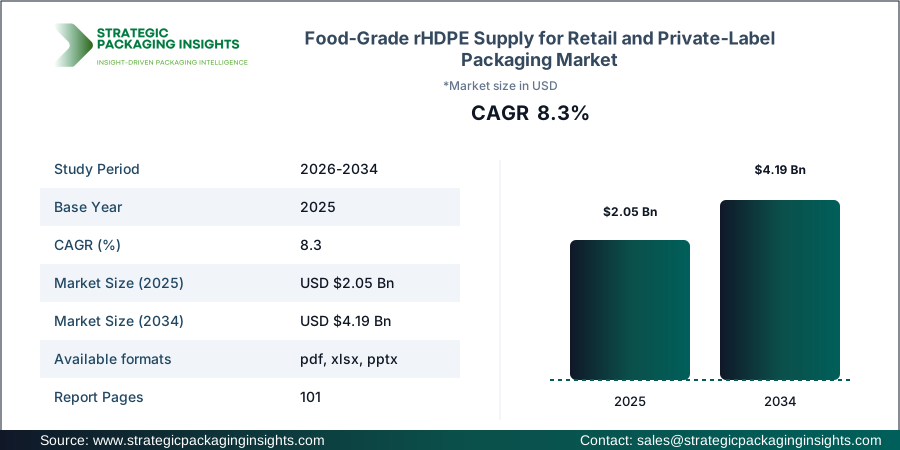
Despite the promising growth prospects, the market faces certain challenges. Regulatory constraints regarding the use of recycled materials in food packaging are stringent, which can limit the adoption of rHDPE. However, ongoing research and development efforts are aimed at overcoming these barriers by improving the decontamination processes and ensuring compliance with food safety standards. The potential for growth remains significant, particularly as more countries implement policies to reduce plastic waste and promote recycling. The market's expansion is also supported by the increasing collaboration between packaging companies and recycling firms to ensure a steady supply of high-quality rHDPE.
Report Scope
| Attributes | Details |
| Report Title | Food-Grade rHDPE Supply for Retail and Private-Label Packaging Market Size, Future Growth and Forecast 2034 |
| By Grade | Natural Food-Grade rHDPE, Colored Food-Grade rHDPE, Deodorized rHDPE |
| By Application | Milk Bottles, Household Bottles, Personal Care Bottles, Caps |
| By End Use | Retailers, Private-Label Brands, FMCG Brands |
| By Process Type | Sorting, Washing, Extrusion, Decontamination |
| Region | Asia Pacific, North America, Latin America, Europe, Middle East & Africa |
| Base Year | 2025 |
| Historic Period | 2018-2024 |
| Forecast Period | 2026-2034 |
| Number of Pages | 101 |
| Customization Available | Yes* |
Opportunities & Threats
The Food-Grade rHDPE market presents numerous opportunities, particularly in the realm of sustainability. As global awareness of environmental issues grows, there is a significant push towards reducing plastic waste and promoting recycling. This trend is creating a favorable environment for the adoption of food-grade rHDPE in packaging. Retailers and private-label brands are increasingly seeking sustainable packaging solutions to meet consumer demand and regulatory requirements. This shift is opening up new avenues for market players to innovate and offer eco-friendly packaging options that align with the principles of a circular economy.
Another opportunity lies in technological advancements in recycling processes. Innovations in sorting, washing, and decontamination techniques are enhancing the quality and safety of recycled HDPE, making it more suitable for food-grade applications. These advancements are not only improving the material's properties but also reducing production costs, thereby making food-grade rHDPE a more competitive option compared to virgin plastics. Companies that invest in these technologies stand to gain a competitive edge in the market by offering superior products that meet stringent safety standards.
However, the market is not without its threats. One of the primary challenges is the stringent regulatory landscape governing the use of recycled materials in food packaging. Compliance with food safety standards is critical, and any lapses can lead to significant repercussions for companies. Additionally, the supply chain for recycled HDPE can be inconsistent, with fluctuations in the availability and quality of raw materials. This variability can pose a risk to manufacturers who rely on a steady supply of high-quality rHDPE to meet production demands.
Drivers & Challenges
The primary driver of the Food-Grade rHDPE market is the increasing demand for sustainable packaging solutions. As consumers become more environmentally conscious, there is a growing preference for products that minimize environmental impact. Retailers and private-label brands are responding to this demand by adopting recycled materials in their packaging. This trend is further supported by government initiatives aimed at reducing plastic waste and promoting recycling. The implementation of policies that encourage the use of recycled materials is providing a significant boost to the market.
Another key driver is the advancement in recycling technologies. Innovations in the recycling process, such as improved sorting and decontamination techniques, are enhancing the quality of recycled HDPE. These advancements are making it possible to produce food-grade rHDPE that meets stringent safety standards, thereby increasing its adoption in the packaging industry. The ability to produce high-quality recycled materials at a lower cost is also making food-grade rHDPE a more attractive option for manufacturers looking to reduce costs while maintaining product quality.
Despite these drivers, the market faces several challenges. One of the main challenges is the regulatory constraints associated with the use of recycled materials in food packaging. Ensuring compliance with food safety standards is critical, and any lapses can have severe consequences for companies. Additionally, the supply chain for recycled HDPE can be unpredictable, with variations in the availability and quality of raw materials. This inconsistency can pose a risk to manufacturers who rely on a steady supply of high-quality rHDPE to meet production demands. Addressing these challenges will be crucial for the sustained growth of the market.
Market Share Analysis
The competitive landscape of the Food-Grade rHDPE market is characterized by the presence of several key players who are actively engaged in expanding their market share. Companies such as Veolia, ALPLA, Berry Global, Plastipak, and Suez are leading the charge in the development and supply of food-grade rHDPE. These companies are leveraging their extensive experience in the recycling and packaging industries to offer high-quality, sustainable solutions that meet the evolving needs of retailers and private-label brands. Their strong market presence is supported by strategic partnerships and collaborations that enhance their capabilities and expand their reach.
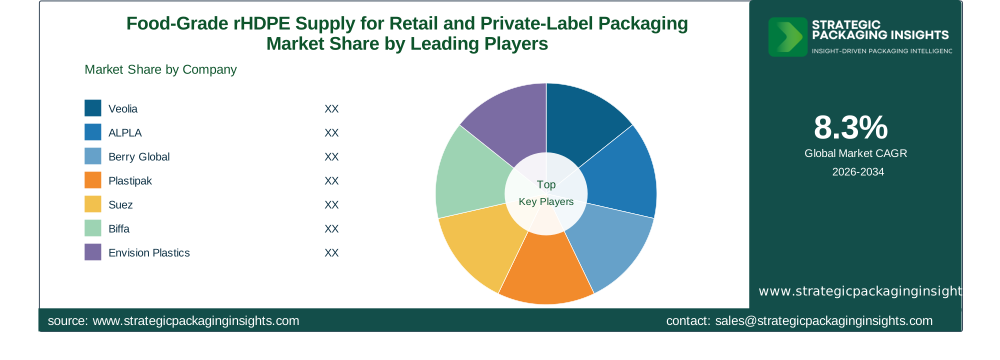
Veolia, a global leader in environmental solutions, is at the forefront of the food-grade rHDPE market. The company is known for its innovative recycling technologies and commitment to sustainability. ALPLA, another major player, is renowned for its expertise in plastic packaging and recycling. The company's focus on research and development has enabled it to produce high-quality rHDPE that meets stringent safety standards. Berry Global, a leading provider of packaging solutions, is also making significant strides in the market by offering a wide range of sustainable packaging options.
Plastipak and Suez are also key contributors to the market's growth. Plastipak's advanced recycling technologies and commitment to sustainability have positioned it as a leader in the production of food-grade rHDPE. Suez, with its extensive experience in waste management and recycling, is playing a crucial role in ensuring a steady supply of high-quality recycled materials. Other notable companies in the market include Biffa, Envision Plastics, Jayplas, KW Plastics, and Clean Tech UK, all of which are actively engaged in expanding their market presence through strategic initiatives and collaborations.
Key Highlights
- The Food-Grade rHDPE market is projected to grow at a CAGR of 8.3% from 2026 to 2034.
- Advancements in recycling technologies are enhancing the quality and safety of food-grade rHDPE.
- Regulatory constraints pose a challenge to the adoption of recycled materials in food packaging.
- Retailers and private-label brands are increasingly adopting sustainable packaging solutions.
- Key players in the market include Veolia, ALPLA, Berry Global, Plastipak, and Suez.
- Government initiatives to reduce plastic waste are driving the demand for recycled materials.
- The market is characterized by strategic partnerships and collaborations among key players.
Top Countries Insights
In the Food-Grade rHDPE Supply for Retail and Private-Label Packaging market, the United States stands out as a leading country with a market size of $1.2 billion and a CAGR of 7%. The country's strong focus on sustainability and recycling initiatives is driving the demand for food-grade rHDPE. Government policies aimed at reducing plastic waste and promoting the use of recycled materials are further supporting market growth. Additionally, the presence of major packaging companies and advanced recycling technologies is contributing to the market's expansion.
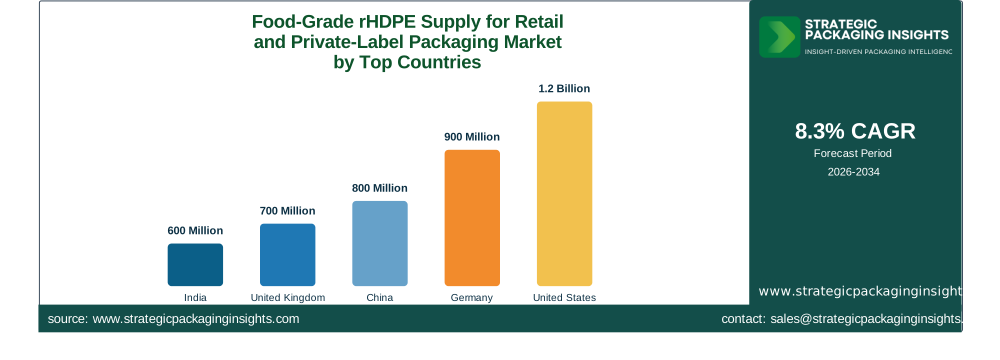
Germany is another key player in the market, with a market size of $900 million and a CAGR of 6%. The country's stringent environmental regulations and commitment to sustainability are driving the adoption of food-grade rHDPE. Germany's advanced recycling infrastructure and strong focus on innovation are enabling the production of high-quality recycled materials that meet stringent safety standards. The collaboration between packaging companies and recycling firms is also playing a crucial role in ensuring a steady supply of rHDPE.
China, with a market size of $800 million and a CAGR of 9%, is experiencing rapid growth in the food-grade rHDPE market. The country's increasing focus on environmental sustainability and government initiatives to reduce plastic waste are driving the demand for recycled materials. China's large consumer base and growing retail sector are also contributing to the market's expansion. The development of advanced recycling technologies is further enhancing the quality and safety of rHDPE, making it a viable option for food-grade applications.
The United Kingdom, with a market size of $700 million and a CAGR of 5%, is also a significant player in the market. The country's strong focus on sustainability and recycling initiatives is driving the demand for food-grade rHDPE. Government policies aimed at reducing plastic waste and promoting the use of recycled materials are further supporting market growth. The presence of major packaging companies and advanced recycling technologies is contributing to the market's expansion.
India, with a market size of $600 million and a CAGR of 8%, is emerging as a key market for food-grade rHDPE. The country's growing awareness of environmental issues and government initiatives to promote recycling are driving the demand for sustainable packaging solutions. India's large consumer base and expanding retail sector are also contributing to the market's growth. The development of advanced recycling technologies is further enhancing the quality and safety of rHDPE, making it a viable option for food-grade applications.
Food-Grade rHDPE Supply for Retail and Private-Label Packaging Market Segments Insights

By Grade Analysis
The Food-Grade rHDPE market is segmented by grade into natural food-grade rHDPE, colored food-grade rHDPE, and deodorized rHDPE. Natural food-grade rHDPE is gaining traction due to its versatility and wide range of applications in packaging. It is particularly favored for its ability to maintain the integrity and safety of food products. Colored food-grade rHDPE is also witnessing increased demand, especially in branding and marketing efforts where packaging aesthetics play a crucial role. Deodorized rHDPE is becoming popular for applications where odor neutrality is essential, such as in personal care and household products.
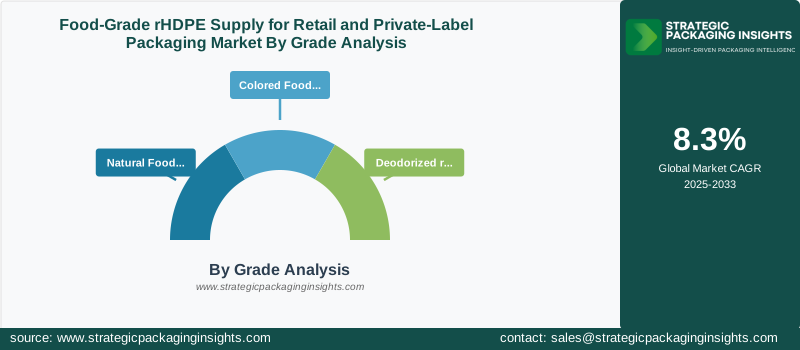
Each grade offers unique benefits and is tailored to specific applications, driving demand across various sectors. The natural grade is often preferred for its purity and minimal processing, making it ideal for sensitive applications. Colored rHDPE, on the other hand, is used to enhance brand visibility and appeal, particularly in competitive retail environments. Deodorized rHDPE is essential for maintaining product quality in applications where odor can affect consumer perception. The choice of grade is influenced by factors such as cost, application requirements, and regulatory compliance, with companies continuously innovating to meet these demands.
By Application Analysis
The application segment of the Food-Grade rHDPE market includes milk bottles, household bottles, personal care bottles, and caps. Milk bottles represent a significant portion of the market due to the high demand for dairy products and the need for safe, sustainable packaging solutions. Household bottles, used for cleaning and maintenance products, are also a major application area, driven by the increasing focus on sustainability in everyday consumer products. Personal care bottles are gaining popularity as brands seek eco-friendly packaging options that align with consumer preferences for sustainable products.
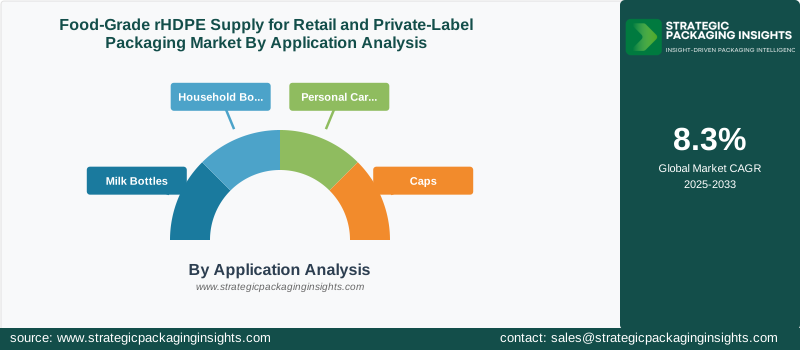
Caps, although a smaller segment, play a crucial role in the overall packaging solution, ensuring product safety and integrity. The demand for rHDPE in cap production is driven by the need for durable, recyclable materials that can withstand the rigors of transportation and storage. Each application segment is characterized by specific requirements and challenges, with companies focusing on innovation and quality to meet these demands. The growing emphasis on sustainability and regulatory compliance is further driving the adoption of rHDPE across these application areas.
By End Use Analysis
The end-use segment of the Food-Grade rHDPE market is divided into retailers, private-label brands, and FMCG brands. Retailers are increasingly adopting rHDPE for their packaging needs to meet consumer demand for sustainable products and comply with environmental regulations. Private-label brands, which often emphasize cost-effectiveness and sustainability, are also significant users of rHDPE. These brands are leveraging the material's eco-friendly properties to enhance their market positioning and appeal to environmentally conscious consumers.
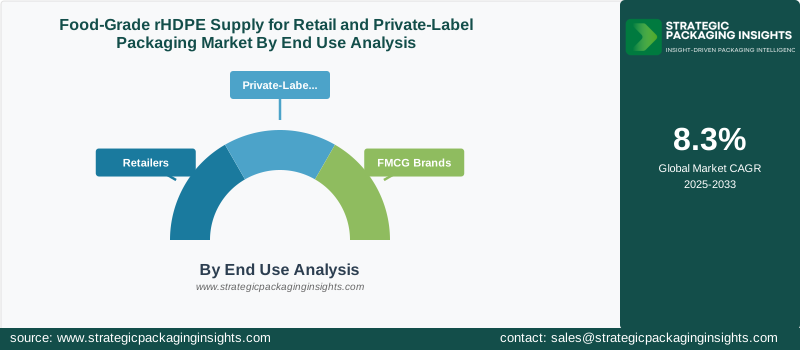
FMCG brands, known for their high-volume production and wide distribution networks, are also turning to rHDPE to reduce their environmental impact and meet sustainability goals. The use of rHDPE in this segment is driven by the need for durable, recyclable packaging solutions that can withstand the demands of global supply chains. Each end-use segment presents unique opportunities and challenges, with companies focusing on innovation and collaboration to address these needs. The growing emphasis on sustainability and regulatory compliance is further driving the adoption of rHDPE across these end-use areas.
By Process Type Analysis
The process type segment of the Food-Grade rHDPE market includes sorting, washing, extrusion, and decontamination. Sorting is a critical step in the recycling process, ensuring that only high-quality materials are used in the production of rHDPE. Advanced sorting technologies are enhancing the efficiency and accuracy of this process, reducing contamination and improving the quality of the final product. Washing is another essential process, removing impurities and contaminants from the recycled materials to ensure safety and compliance with food-grade standards.
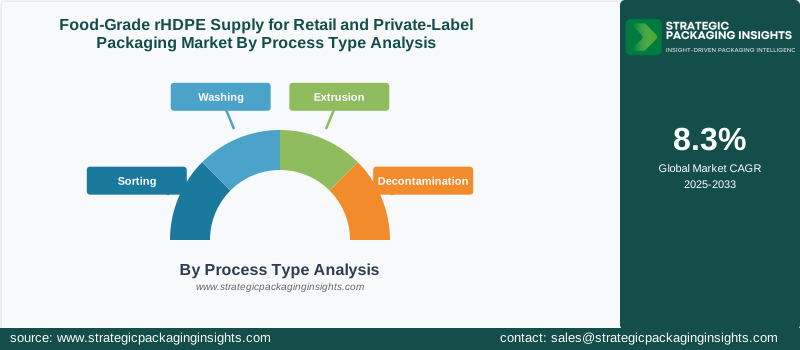
Extrusion and decontamination are also key processes in the production of food-grade rHDPE. Extrusion involves melting and reshaping the recycled materials into new products, while decontamination ensures that any remaining impurities are removed. These processes are critical for maintaining the quality and safety of rHDPE, with companies investing in advanced technologies to enhance their capabilities. The focus on innovation and quality is driving the adoption of rHDPE across various applications, with companies continuously seeking to improve their processes and meet the evolving needs of the market.
Food-Grade rHDPE Supply for Retail and Private-Label Packaging Market Segments
The Food-Grade rHDPE Supply for Retail and Private-Label Packaging market has been segmented on the basis ofBy Grade
- Natural Food-Grade rHDPE
- Colored Food-Grade rHDPE
- Deodorized rHDPE
By Application
- Milk Bottles
- Household Bottles
- Personal Care Bottles
- Caps
By End Use
- Retailers
- Private-Label Brands
- FMCG Brands
By Process Type
- Sorting
- Washing
- Extrusion
- Decontamination
Region
- Asia Pacific
- North America
- Latin America
- Europe
- Middle East & Africa




