


Food Grade Glass Market Outlook
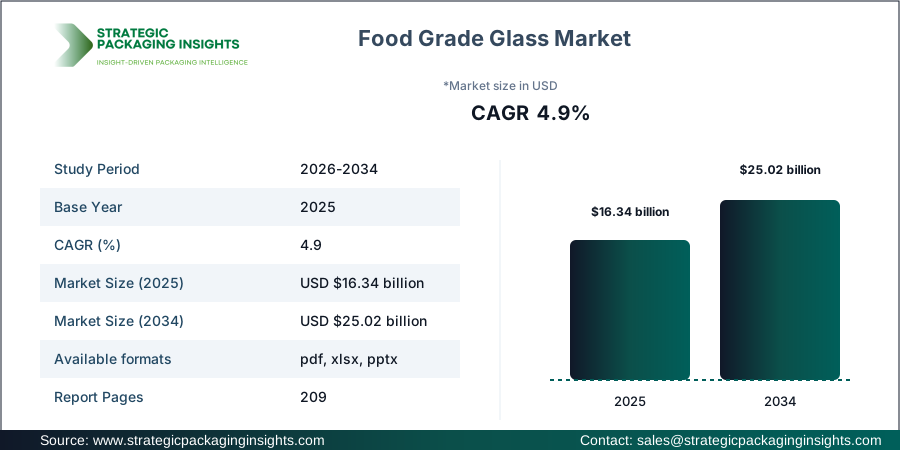
The Food Grade Glass market was valued at $16.34 billion in 2025 and is projected to reach $25.02 billion by 2034, growing at a CAGR of 4.9% during the forecast period 2026-2034. This market is witnessing significant growth due to the increasing demand for sustainable and recyclable packaging solutions. The shift towards eco-friendly packaging materials is driven by consumer awareness and stringent environmental regulations. Food grade glass, known for its non-reactive and inert properties, is becoming a preferred choice for packaging in the food and beverage industry. The market is also benefiting from the rising trend of premium packaging, which enhances product appeal and consumer experience.
Despite the promising growth trajectory, the Food Grade Glass market faces challenges such as the high cost of production and competition from alternative packaging materials like plastics and metals. Regulatory constraints related to food safety and packaging standards also pose hurdles for market players. However, the market holds potential for growth through innovations in glass manufacturing technologies and the development of lightweight and durable glass products. The increasing focus on reducing carbon footprints and enhancing recyclability is expected to drive further advancements in the market.
Report Scope
| Attributes | Details |
| Report Title | Food Grade Glass Market Size, Future Growth and Forecast 2034 |
| By Product Type | Bottles, Jars, Containers, Vials |
| By Glass Type | Soda-Lime Glass, Borosilicate Glass, Tempered Glass |
| By Application | Food Storage, Beverage Packaging, Dairy Packaging, Sauces & Condiments |
| By End Use | Food Brands, Beverage Companies, Retail, Foodservice |
| Region | Asia Pacific, North America, Latin America, Europe, Middle East & Africa |
| Base Year | 2025 |
| Historic Period | 2018-2024 |
| Forecast Period | 2026-2034 |
| Number of Pages | 209 |
| Customization Available | Yes* |
Opportunities & Threats
The Food Grade Glass market presents numerous opportunities, particularly in the realm of sustainable packaging solutions. As consumers become more environmentally conscious, there is a growing demand for packaging materials that are not only safe for food contact but also eco-friendly. This trend is encouraging manufacturers to innovate and develop glass products that are lighter, more durable, and easier to recycle. Additionally, the premiumization of food and beverage products is creating a demand for high-quality glass packaging that enhances product aesthetics and brand value. Companies that can offer unique and customizable glass packaging solutions are likely to gain a competitive edge in the market.
Another significant opportunity lies in the expansion of the food and beverage industry, particularly in emerging markets. As disposable incomes rise and consumer preferences shift towards packaged and convenience foods, the demand for food grade glass packaging is expected to increase. This is particularly true in regions like Asia Pacific and Latin America, where urbanization and changing lifestyles are driving the growth of the food and beverage sector. Companies that can tap into these markets with innovative and cost-effective glass packaging solutions stand to benefit significantly.
However, the market is not without its threats. One of the primary challenges is the competition from alternative packaging materials such as plastics, metals, and paper. These materials often offer cost advantages and greater flexibility in terms of design and functionality. Additionally, the high cost of glass production and the energy-intensive nature of the manufacturing process can be deterrents for some companies. Regulatory challenges related to food safety and packaging standards also pose risks, as non-compliance can lead to significant financial and reputational damage.
Drivers & Challenges
The Food Grade Glass market is driven by several key factors, including the increasing consumer preference for sustainable and eco-friendly packaging solutions. As awareness about environmental issues grows, consumers are demanding packaging materials that are not only safe for food contact but also have minimal environmental impact. Glass, being 100% recyclable and non-toxic, fits this requirement perfectly, making it a preferred choice for food and beverage packaging. Additionally, the trend towards premiumization in the food and beverage industry is driving demand for high-quality glass packaging that enhances product appeal and brand image.
Another significant driver is the growth of the food and beverage industry, particularly in emerging markets. As urbanization and rising disposable incomes lead to changes in consumer lifestyles, there is an increasing demand for packaged and convenience foods. This, in turn, is boosting the demand for food grade glass packaging, which is perceived as a safe and reliable option for preserving the quality and freshness of food products. The expansion of e-commerce and online food delivery services is also contributing to the growth of the market, as these platforms require durable and attractive packaging solutions.
Despite these drivers, the market faces several challenges. One of the primary challenges is the high cost of glass production, which can be a barrier for some companies. The energy-intensive nature of the manufacturing process and the need for specialized equipment can lead to higher production costs compared to alternative packaging materials. Additionally, the market is facing competition from materials like plastics and metals, which offer cost advantages and greater flexibility in terms of design and functionality. Regulatory challenges related to food safety and packaging standards also pose risks, as non-compliance can lead to significant financial and reputational damage.
Market Share Analysis
The Food Grade Glass market is characterized by a competitive landscape with several key players vying for market share. Companies like O-I Glass, Ardagh Group, and Verallia are among the leading players in the market, known for their extensive product portfolios and strong distribution networks. These companies have a significant presence in the global market and are continuously investing in research and development to innovate and expand their product offerings. The competitive landscape is further intensified by the presence of regional players like Vidrala and Vetropack, who are leveraging their local market knowledge and expertise to gain a foothold in the market.
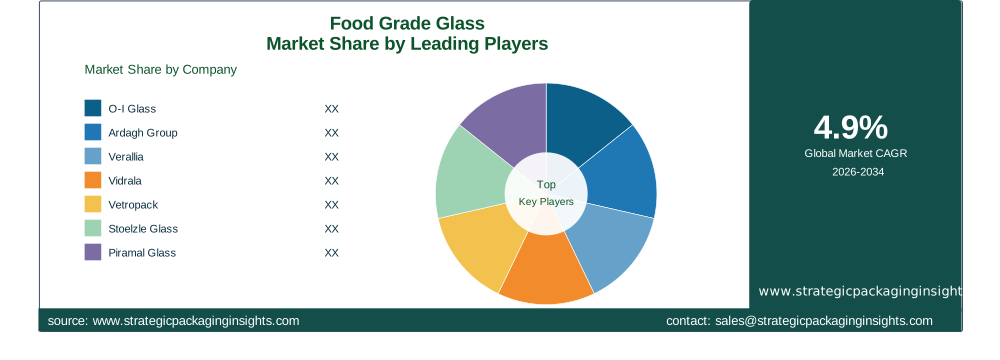
O-I Glass is a major player in the Food Grade Glass market, known for its innovative glass packaging solutions and commitment to sustainability. The company has a strong presence in North America and Europe and is expanding its operations in emerging markets to capitalize on the growing demand for glass packaging. Ardagh Group is another key player, offering a wide range of glass packaging solutions for the food and beverage industry. The company is focused on enhancing its product offerings through strategic acquisitions and partnerships, which have helped it strengthen its market position.
Verallia, a leading glass packaging manufacturer, is known for its focus on sustainability and innovation. The company has a strong presence in Europe and is expanding its operations in other regions to tap into new growth opportunities. Vidrala and Vetropack are regional players with a strong presence in Europe, known for their high-quality glass packaging solutions and customer-centric approach. These companies are investing in advanced manufacturing technologies to enhance their production capabilities and meet the growing demand for food grade glass packaging.
Other notable players in the market include Stoelzle Glass, Piramal Glass, SGD Pharma, Gerresheimer, and Toyo Glass. These companies are focusing on expanding their product portfolios and enhancing their production capabilities to cater to the diverse needs of the food and beverage industry. The competitive landscape is characterized by a mix of global and regional players, each striving to gain a competitive edge through innovation, strategic partnerships, and expansion into new markets.
Key Highlights
- The Food Grade Glass market is projected to grow from $16.34 billion in 2025 to $25.02 billion by 2034, at a CAGR of 4.9%.
- Increasing consumer preference for sustainable and eco-friendly packaging solutions is driving market growth.
- The premiumization trend in the food and beverage industry is boosting demand for high-quality glass packaging.
- Emerging markets like Asia Pacific and Latin America offer significant growth opportunities for market players.
- Competition from alternative packaging materials like plastics and metals poses a challenge to market growth.
- Key players in the market include O-I Glass, Ardagh Group, Verallia, Vidrala, and Vetropack.
- Innovations in glass manufacturing technologies are expected to drive market advancements.
- Regulatory challenges related to food safety and packaging standards pose risks to market players.
- The expansion of e-commerce and online food delivery services is contributing to market growth.
Top Countries Insights
In the Food Grade Glass market, the United States stands out as a key player, with a market size of approximately $4.5 billion and a CAGR of 3%. The country's strong focus on sustainability and eco-friendly packaging solutions is driving demand for food grade glass. Additionally, the premiumization trend in the food and beverage industry is boosting the demand for high-quality glass packaging. However, the market faces challenges from alternative packaging materials like plastics and metals, which offer cost advantages.
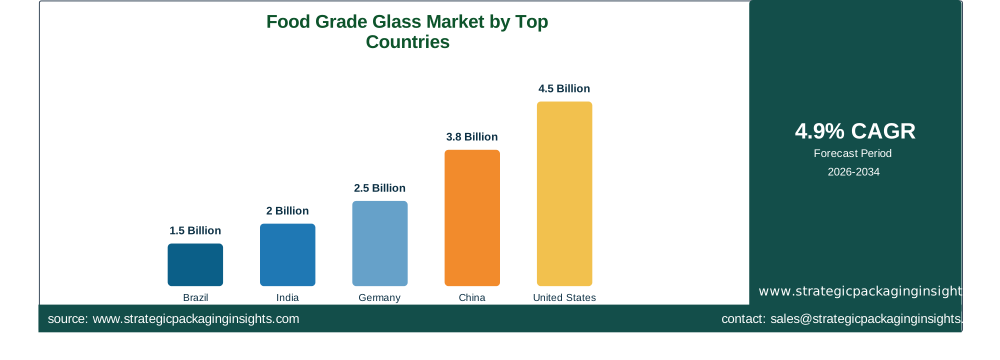
China is another significant market, with a market size of around $3.8 billion and a CAGR of 6%. The country's rapid urbanization and rising disposable incomes are driving the growth of the food and beverage industry, which in turn is boosting demand for food grade glass packaging. The government's focus on reducing carbon footprints and enhancing recyclability is also contributing to market growth. However, regulatory challenges related to food safety and packaging standards pose risks to market players.
Germany, with a market size of approximately $2.5 billion and a CAGR of 4%, is a key player in the European market. The country's strong focus on sustainability and innovation in glass manufacturing technologies is driving demand for food grade glass. The premiumization trend in the food and beverage industry is also boosting demand for high-quality glass packaging. However, the market faces challenges from alternative packaging materials and regulatory constraints.
India, with a market size of around $2 billion and a CAGR of 7%, is an emerging market with significant growth potential. The country's growing middle class and increasing consumer preference for packaged and convenience foods are driving demand for food grade glass packaging. The government's focus on sustainability and eco-friendly packaging solutions is also contributing to market growth. However, the market faces challenges from high production costs and competition from alternative packaging materials.
Brazil, with a market size of approximately $1.5 billion and a CAGR of 5%, is a key player in the Latin American market. The country's expanding food and beverage industry and increasing consumer preference for sustainable packaging solutions are driving demand for food grade glass. However, the market faces challenges from regulatory constraints and competition from alternative packaging materials.
Food Grade Glass Market Segments Insights

Product Type Analysis
The Food Grade Glass market is segmented by product type into bottles, jars, containers, and vials. Bottles hold a significant share of the market, driven by their widespread use in beverage packaging. The demand for glass bottles is fueled by the premiumization trend in the beverage industry, where high-quality packaging enhances product appeal and brand image. Jars and containers are also gaining traction, particularly in the food storage and dairy packaging segments. These products are favored for their durability and ability to preserve the freshness and quality of food products. Vials, though a smaller segment, are essential in the packaging of sauces and condiments, where precise portioning and preservation are critical.
Innovation in product design and manufacturing technologies is a key driver in this segment. Companies are focusing on developing lightweight and durable glass products that offer enhanced functionality and consumer convenience. The trend towards customization and unique packaging solutions is also influencing product development, as brands seek to differentiate themselves in a competitive market. Additionally, the increasing focus on sustainability is driving the adoption of recyclable and eco-friendly glass products, further boosting demand in this segment.
Glass Type Analysis
The market is segmented by glass type into soda-lime glass, borosilicate glass, and tempered glass. Soda-lime glass is the most commonly used type, owing to its cost-effectiveness and versatility. It is widely used in the production of bottles and jars for food and beverage packaging. Borosilicate glass, known for its superior thermal and chemical resistance, is gaining popularity in applications where durability and safety are paramount. This type of glass is particularly favored in the packaging of sauces and condiments, where exposure to varying temperatures and acidic contents is common.
Tempered glass, though a smaller segment, is valued for its strength and safety features. It is used in applications where breakage resistance is critical, such as in the packaging of high-value or sensitive products. The demand for tempered glass is driven by the increasing focus on safety and quality in food packaging. Companies are investing in advanced manufacturing technologies to enhance the properties of these glass types, ensuring they meet the evolving needs of the food and beverage industry.
Application Analysis
The Food Grade Glass market is segmented by application into food storage, beverage packaging, dairy packaging, and sauces & condiments. Beverage packaging is the largest segment, driven by the demand for premium and sustainable packaging solutions in the beverage industry. Glass is preferred for its ability to preserve the taste and quality of beverages, making it a popular choice for packaging premium products. Food storage is another significant segment, where glass containers and jars are favored for their durability and ability to maintain the freshness of food products.
Dairy packaging is witnessing growth, driven by the increasing demand for safe and hygienic packaging solutions. Glass is perceived as a safe and non-reactive material, making it ideal for packaging dairy products. The sauces & condiments segment, though smaller, is important for its role in preserving the flavor and quality of these products. The demand for glass packaging in this segment is driven by the need for precise portioning and preservation, ensuring the product remains fresh and flavorful.
End Use Analysis
The market is segmented by end use into food brands, beverage companies, retail, and foodservice. Beverage companies are the largest end users of food grade glass, driven by the demand for premium and sustainable packaging solutions. Glass is preferred for its ability to enhance product appeal and preserve the quality of beverages. Food brands are also significant end users, particularly in the packaging of premium and organic products, where high-quality packaging is essential for brand differentiation.
Retail and foodservice are emerging as important end-use segments, driven by the increasing demand for packaged and convenience foods. Glass packaging is favored for its durability and ability to maintain the freshness and quality of food products. The expansion of e-commerce and online food delivery services is also contributing to the growth of these segments, as these platforms require durable and attractive packaging solutions. Companies are focusing on developing innovative and cost-effective glass packaging solutions to cater to the diverse needs of these end-use segments.
Food Grade Glass Market Segments
The Food Grade Glass market has been segmented on the basis ofBy Product Type
- Bottles
- Jars
- Containers
- Vials
By Glass Type
- Soda-Lime Glass
- Borosilicate Glass
- Tempered Glass
By Application
- Food Storage
- Beverage Packaging
- Dairy Packaging
- Sauces & Condiments
By End Use
- Food Brands
- Beverage Companies
- Retail
- Foodservice
Region
- Asia Pacific
- North America
- Latin America
- Europe
- Middle East & Africa




