


Flexible Packaging Films Market Outlook
The flexible packaging films market was valued at $160 billion in 2024 and is projected to reach $250 billion by 2033, growing at a CAGR of 5.2% during the forecast period 2025-2033. This market is driven by the increasing demand for lightweight, durable, and cost-effective packaging solutions across various industries. The food and beverage sector, in particular, is a significant contributor to this growth, as flexible packaging films offer superior barrier properties and extended shelf life for perishable goods. Additionally, the rise in e-commerce and the need for efficient packaging solutions that reduce shipping costs further bolster the market's expansion. Technological advancements in material science, such as the development of biodegradable and recyclable films, are also expected to play a crucial role in shaping the market's future.
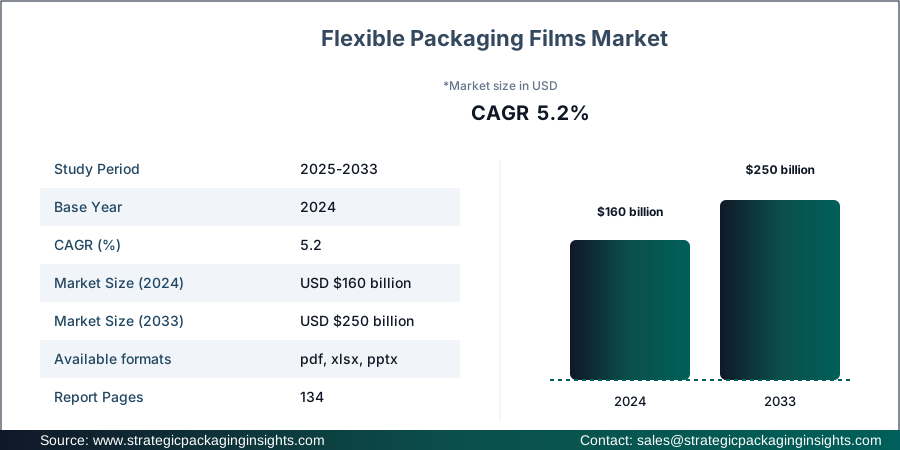
However, the market faces challenges such as stringent environmental regulations and the fluctuating prices of raw materials, which can impact production costs. Despite these restraints, the flexible packaging films market holds substantial growth potential, particularly in emerging economies where urbanization and changing consumer lifestyles drive demand for convenient packaging solutions. The increasing focus on sustainability and the circular economy presents opportunities for innovation in eco-friendly packaging materials, which could mitigate some of the environmental concerns associated with traditional plastic films. As companies invest in research and development to create more sustainable options, the market is poised for significant transformation in the coming years.
Report Scope
| Attributes | Details |
| Report Title | Flexible Packaging Films Market Size, Future Growth and Forecast 2033 |
| Material | Plastic, Paper, Aluminum Foil |
| Application | Food & Beverage, Healthcare |
| Type | Bags, Pouches |
| Region | Asia Pacific, North America |
| Base Year | 2024 |
| Historic Period | 2017-2023 |
| Forecast Period | 2025-2033 |
| Number of Pages | 134 |
| Customization Available | Yes* |
Opportunities & Threats
The flexible packaging films market presents numerous opportunities, particularly in the realm of sustainable packaging solutions. As consumers become more environmentally conscious, there is a growing demand for packaging materials that are not only functional but also eco-friendly. This shift in consumer preference is driving innovation in biodegradable and recyclable films, offering companies the chance to differentiate themselves in a competitive market. Additionally, the rise of e-commerce and the need for efficient, lightweight packaging solutions that reduce shipping costs provide further opportunities for growth. Companies that can offer innovative, sustainable packaging solutions are likely to gain a competitive edge and capture a larger market share.
Another significant opportunity lies in the expansion of the food and beverage industry, particularly in emerging markets. As disposable incomes rise and consumer lifestyles change, there is an increasing demand for convenient, ready-to-eat food products, which in turn drives the need for flexible packaging films. The ability of these films to provide superior barrier properties and extend the shelf life of perishable goods makes them an attractive option for food manufacturers. Furthermore, advancements in material science and printing technologies are enabling the development of high-quality, visually appealing packaging that can enhance brand recognition and consumer engagement.
Despite these opportunities, the flexible packaging films market faces several threats, including stringent environmental regulations and the volatility of raw material prices. Governments around the world are implementing stricter regulations to reduce plastic waste and promote sustainability, which can increase compliance costs for manufacturers. Additionally, fluctuations in the prices of raw materials, such as petroleum-based plastics, can impact production costs and profit margins. Companies must navigate these challenges by investing in sustainable materials and technologies, as well as developing strategies to mitigate the impact of raw material price volatility.
Market Share Analysis
The competitive landscape of the flexible packaging films market is characterized by the presence of several key players who dominate the market with their extensive product portfolios and strong distribution networks. These companies are continuously investing in research and development to innovate and offer advanced packaging solutions that meet the evolving needs of consumers and industries. The market is highly fragmented, with numerous regional and international players competing for market share. Strategic partnerships, mergers, and acquisitions are common strategies employed by these companies to expand their market presence and enhance their product offerings.
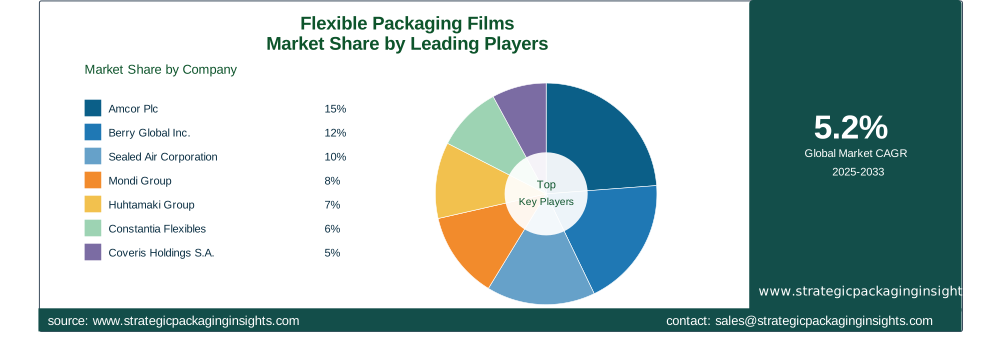
Among the leading companies in the flexible packaging films market is Amcor Plc, which holds a significant market share due to its comprehensive range of packaging solutions and strong global presence. The company focuses on sustainability and innovation, offering a variety of eco-friendly packaging options. Another major player is Berry Global Inc., known for its extensive product portfolio and commitment to sustainability. The company has made significant investments in recycling technologies and sustainable materials to meet the growing demand for environmentally friendly packaging solutions.
Sealed Air Corporation is another key player in the market, renowned for its innovative packaging solutions that enhance product safety and extend shelf life. The company's focus on research and development has enabled it to introduce cutting-edge technologies and materials that cater to the diverse needs of its customers. Mondi Group, with its strong emphasis on sustainability and innovation, is also a prominent player in the market. The company offers a wide range of flexible packaging solutions and has a robust presence in both developed and emerging markets.
Other notable companies in the flexible packaging films market include Huhtamaki Group, Constantia Flexibles, and Coveris Holdings S.A. These companies have established themselves as leaders in the industry through their commitment to quality, innovation, and customer satisfaction. They continue to invest in new technologies and materials to enhance their product offerings and maintain their competitive edge in the market.
Key Highlights
- The flexible packaging films market is projected to grow at a CAGR of 5.2% from 2025 to 2033.
- Technological advancements in biodegradable and recyclable films are driving market growth.
- The food and beverage sector is a major contributor to the demand for flexible packaging films.
- Stringent environmental regulations pose challenges to market growth.
- Emerging markets offer significant growth opportunities due to rising disposable incomes and changing consumer lifestyles.
- Companies are focusing on sustainability and innovation to gain a competitive edge.
- Strategic partnerships and acquisitions are common strategies among key players to expand market presence.
Top Countries Insights
In the flexible packaging films market, the United States stands out as a leading country with a market size of $45 billion and a CAGR of 4%. The country's growth is driven by the strong presence of key players, technological advancements, and a robust food and beverage industry. The demand for sustainable packaging solutions is also a significant growth driver, as consumers and companies alike prioritize eco-friendly options.
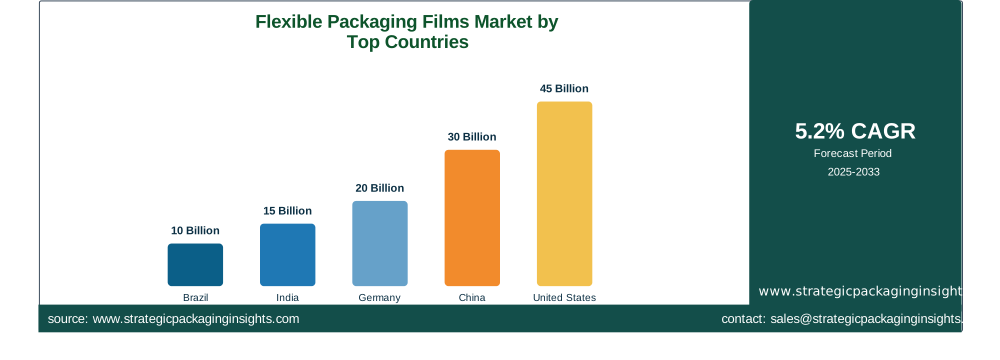
China is another major player in the market, with a market size of $30 billion and a CAGR of 6%. The country's rapid urbanization and growing middle class are driving demand for convenient packaging solutions, particularly in the food and beverage sector. Government initiatives to promote sustainability and reduce plastic waste are also influencing market dynamics, encouraging companies to invest in biodegradable and recyclable films.
Germany, with a market size of $20 billion and a CAGR of 3%, is a key market in Europe. The country's strong manufacturing base and focus on sustainability are driving demand for flexible packaging films. The presence of leading packaging companies and a well-established recycling infrastructure further support market growth.
India, with a market size of $15 billion and a CAGR of 7%, is an emerging market with significant growth potential. The country's expanding food and beverage industry, coupled with rising disposable incomes and changing consumer lifestyles, is driving demand for flexible packaging films. Government initiatives to promote sustainable packaging solutions are also expected to boost market growth.
Brazil, with a market size of $10 billion and a CAGR of 5%, is a key market in Latin America. The country's growing food and beverage industry and increasing focus on sustainability are driving demand for flexible packaging films. The presence of local and international players further supports market growth, as companies invest in innovative packaging solutions to meet consumer needs.
Evolving Market Dynamics (2018-2024) and Strategic Foresight (2025-2033)
| Metric | 2018-2024 | 2025-2033 |
|---|---|---|
| CAGR | 4.5% | 5.2% |
| Market Size Evolution | $120 billion to $160 billion | $160 billion to $250 billion |
| Segment Distribution Shifts | High demand in food & beverage | Increased demand in healthcare |
| Regional Contribution Changes | Dominance of North America | Rising influence of Asia Pacific |
| Technological Impact Factors | Introduction of recyclable films | Advancements in biodegradable films |
| Client Demand Transformations | Focus on cost-effectiveness | Emphasis on sustainability |
Flexible Packaging Films Market Segments Insights

Material Analysis
The material segment of the flexible packaging films market is primarily dominated by plastic, which offers versatility, durability, and cost-effectiveness. However, the environmental impact of plastic has led to increased demand for alternative materials such as paper and aluminum foil. Paper-based films are gaining traction due to their biodegradability and recyclability, making them an attractive option for environmentally conscious consumers. Aluminum foil, known for its excellent barrier properties, is widely used in applications requiring high protection against moisture, light, and oxygen. The shift towards sustainable materials is expected to drive innovation and growth in this segment.
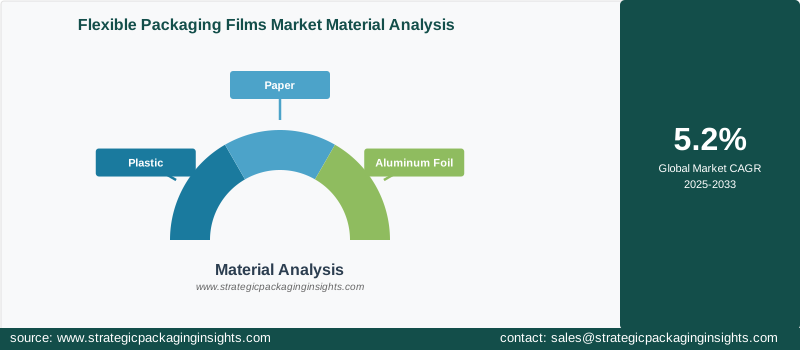
Plastic films continue to hold a significant share of the market due to their lightweight nature and ability to be molded into various shapes and sizes. The development of bio-based plastics and the incorporation of recycled content are key trends in this segment, as companies strive to reduce their environmental footprint. The demand for high-performance films with enhanced barrier properties is also driving innovation in plastic materials, with manufacturers focusing on developing multi-layered films that offer superior protection and functionality.
Application Analysis
The application segment of the flexible packaging films market is dominated by the food and beverage industry, which accounts for the largest share of demand. The need for packaging solutions that extend shelf life, preserve freshness, and enhance product safety is driving the adoption of flexible films in this sector. The healthcare industry is also a significant contributor to market growth, with flexible packaging films being used for medical devices, pharmaceuticals, and personal care products. The demand for sterile and tamper-evident packaging solutions is a key driver in this segment.
In the personal care industry, flexible packaging films are used for a wide range of products, including cosmetics, toiletries, and hygiene products. The ability to create visually appealing and functional packaging is a major factor driving demand in this segment. The industrial sector also utilizes flexible films for packaging chemicals, lubricants, and other products that require robust protection against external elements. The versatility and adaptability of flexible packaging films make them suitable for a wide range of applications, contributing to their widespread adoption across various industries.
Type Analysis
The type segment of the flexible packaging films market includes bags, pouches, and wraps, each offering unique benefits and applications. Bags are widely used for packaging bulk products, such as grains, pet food, and fertilizers, due to their durability and ease of handling. Pouches, known for their convenience and resealability, are popular in the food and beverage industry for packaging snacks, beverages, and ready-to-eat meals. The demand for stand-up pouches, in particular, is on the rise, as they offer excellent shelf visibility and branding opportunities.
Wraps are commonly used for packaging fresh produce, bakery items, and confectionery products, providing a protective barrier against moisture and contaminants. The development of innovative wrap materials, such as cling films with enhanced stretchability and puncture resistance, is driving growth in this segment. The increasing focus on reducing food waste and enhancing product shelf life is expected to boost demand for wraps in the coming years. The versatility and functionality of these packaging types make them essential components of the flexible packaging films market.
Region Analysis
The regional analysis of the flexible packaging films market reveals significant growth opportunities across various geographies. North America, with its well-established packaging industry and strong presence of key players, remains a dominant market. The region's focus on sustainability and innovation is driving demand for advanced packaging solutions. Europe, known for its stringent environmental regulations, is witnessing a shift towards sustainable materials, with companies investing in biodegradable and recyclable films to meet regulatory requirements.
Asia Pacific is emerging as a key growth region, driven by rapid urbanization, rising disposable incomes, and changing consumer lifestyles. The region's expanding food and beverage industry and increasing demand for convenient packaging solutions are major growth drivers. Latin America and the Middle East & Africa are also experiencing growth, with increasing investments in the packaging sector and a growing focus on sustainability. The diverse needs and preferences of consumers across these regions present opportunities for companies to tailor their offerings and capture market share.
Flexible Packaging Films Market Segments
The Flexible Packaging Films market has been segmented on the basis ofMaterial
- Plastic
- Paper
- Aluminum Foil
Application
- Food & Beverage
- Healthcare
Type
- Bags
- Pouches
Region
- Asia Pacific
- North America




