


Flexible Bulk Packaging Market Outlook
The flexible bulk packaging market was valued at $15.2 billion in 2024 and is projected to reach $23.7 billion by 2033, growing at a CAGR of 5.1% during the forecast period 2025-2033. This market is driven by the increasing demand for efficient and cost-effective packaging solutions across various industries such as food and beverage, pharmaceuticals, and chemicals. The versatility and durability of flexible bulk packaging make it an attractive option for businesses looking to optimize their supply chain operations. Additionally, the growing trend towards sustainable packaging solutions is further propelling the market, as flexible bulk packaging often uses less material and can be designed to be recyclable or biodegradable.
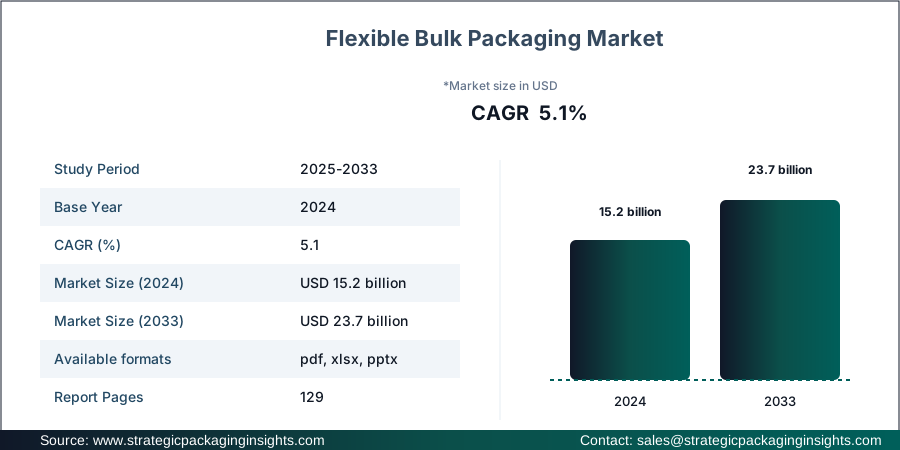
However, the market faces certain restraints, including stringent regulations regarding packaging waste and environmental concerns. These regulations are pushing manufacturers to innovate and develop eco-friendly packaging solutions, which can increase production costs. Despite these challenges, the market holds significant growth potential due to the rising e-commerce sector and the increasing need for efficient packaging solutions that can withstand the rigors of transportation. The development of advanced materials and technologies in flexible bulk packaging is expected to create new opportunities for market players, enabling them to offer innovative solutions that meet the evolving needs of consumers and businesses alike.
Report Scope
| Attributes | Details |
| Report Title | Flexible Bulk Packaging Market Size, Future Growth and Forecast 2033 |
| Material | Plastic, Paper, Metal |
| Product Type | Bags, Pouches, Sacks |
| End-User | Food & Beverage, Pharmaceuticals, Chemicals, Agriculture, Construction |
| Region | North America, Europe, Asia Pacific, Latin America, Middle East & Africa |
| Base Year | 2024 |
| Historic Period | 2017-2023 |
| Forecast Period | 2025-2033 |
| Number of Pages | 129 |
| Customization Available | Yes* |
Opportunities & Threats
The flexible bulk packaging market presents numerous opportunities for growth, primarily driven by the increasing demand for sustainable and eco-friendly packaging solutions. As consumers become more environmentally conscious, there is a growing preference for packaging that minimizes waste and reduces the carbon footprint. This trend is encouraging manufacturers to invest in research and development to create innovative packaging materials that are both durable and environmentally friendly. Additionally, the rise of e-commerce and the need for efficient packaging solutions that can protect products during transit are further fueling the demand for flexible bulk packaging. Companies that can offer customizable and sustainable packaging solutions are likely to gain a competitive edge in the market.
Another significant opportunity lies in the expanding food and beverage industry, which is one of the largest end-users of flexible bulk packaging. The increasing demand for packaged food products, driven by changing consumer lifestyles and preferences, is boosting the need for flexible packaging solutions that can preserve product freshness and extend shelf life. Moreover, the pharmaceutical and chemical industries are also contributing to market growth, as they require specialized packaging solutions that ensure product safety and integrity. The development of advanced packaging technologies, such as smart packaging and active packaging, is expected to open new avenues for market expansion.
Despite the promising opportunities, the flexible bulk packaging market faces certain threats, including the volatility of raw material prices. The cost of materials such as plastic and paper can fluctuate due to various factors, including changes in supply and demand, geopolitical tensions, and environmental regulations. These fluctuations can impact the profitability of manufacturers and create challenges in maintaining competitive pricing. Additionally, the market is subject to stringent regulations regarding packaging waste and environmental impact, which can increase compliance costs and pose challenges for manufacturers. Companies need to stay abreast of regulatory changes and invest in sustainable practices to mitigate these threats and ensure long-term success.
Market Share Analysis
The flexible bulk packaging market is characterized by a highly competitive landscape, with numerous players vying for market share. The market is dominated by a mix of large multinational corporations and smaller regional players, each offering a diverse range of products and solutions. The competitive dynamics are influenced by factors such as product innovation, pricing strategies, distribution networks, and customer service. Companies that can effectively differentiate their offerings and provide value-added services are likely to gain a competitive advantage in this market.
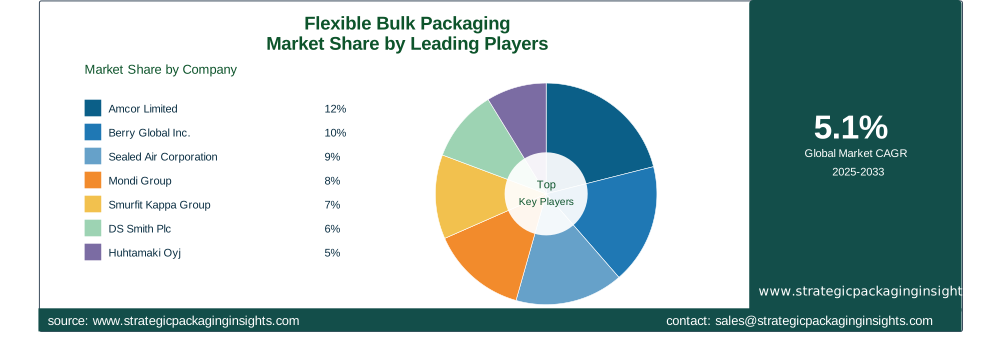
Among the leading companies in the flexible bulk packaging market, Amcor Limited holds a significant market share due to its extensive product portfolio and strong global presence. The company is known for its innovative packaging solutions and commitment to sustainability, which have helped it maintain a competitive edge. Another major player, Berry Global Inc., has a robust product lineup and a strong focus on customer-centric solutions, enabling it to capture a substantial share of the market. The company's strategic acquisitions and partnerships have further strengthened its market position.
Sealed Air Corporation is another key player in the market, renowned for its advanced packaging technologies and solutions that cater to various industries. The company's focus on research and development has enabled it to introduce cutting-edge products that meet the evolving needs of its customers. Similarly, Mondi Group is a prominent player with a strong emphasis on sustainability and innovation. The company's comprehensive range of flexible packaging solutions and its commitment to reducing environmental impact have contributed to its success in the market.
Other notable companies in the flexible bulk packaging market include Smurfit Kappa Group, DS Smith Plc, and Huhtamaki Oyj. These companies have established themselves as leaders through their extensive product offerings, strategic partnerships, and focus on customer satisfaction. Their ability to adapt to changing market dynamics and invest in sustainable practices has enabled them to maintain a strong market presence. Overall, the competitive landscape of the flexible bulk packaging market is dynamic, with companies continuously striving to enhance their product offerings and expand their market reach.
Key Highlights
- The flexible bulk packaging market is projected to grow at a CAGR of 5.1% from 2025 to 2033.
- Increasing demand for sustainable and eco-friendly packaging solutions is driving market growth.
- The food and beverage industry is one of the largest end-users of flexible bulk packaging.
- Advanced packaging technologies, such as smart packaging, are creating new market opportunities.
- Volatility in raw material prices poses a challenge for market players.
- Stringent regulations regarding packaging waste are influencing market dynamics.
- Key players are focusing on product innovation and strategic partnerships to gain a competitive edge.
Top Countries Insights
In the flexible bulk packaging market, the United States holds a significant position, with a market size of $3.5 billion and a CAGR of 4%. The country's strong industrial base and the presence of major packaging companies contribute to its market dominance. The demand for flexible bulk packaging in the U.S. is driven by the growing e-commerce sector and the need for efficient packaging solutions that can withstand the rigors of transportation. Additionally, the increasing focus on sustainability and eco-friendly packaging solutions is further propelling market growth.
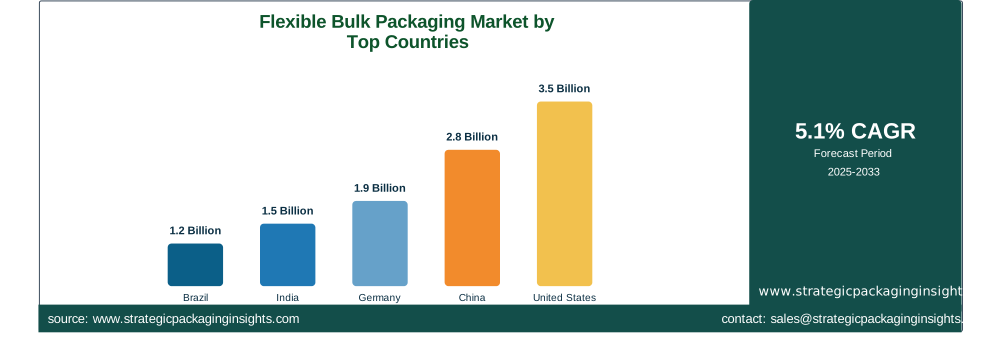
China is another key player in the flexible bulk packaging market, with a market size of $2.8 billion and a CAGR of 6%. The country's rapid industrialization and urbanization have led to increased demand for packaging solutions across various industries, including food and beverage, pharmaceuticals, and chemicals. The Chinese government's initiatives to promote sustainable packaging practices and reduce packaging waste are also driving market growth. Moreover, the rise of e-commerce and the need for efficient packaging solutions are contributing to the market's expansion.
Germany, with a market size of $1.9 billion and a CAGR of 3%, is a prominent player in the European flexible bulk packaging market. The country's strong manufacturing sector and the presence of leading packaging companies are key factors driving market growth. The demand for flexible bulk packaging in Germany is fueled by the increasing focus on sustainability and the need for innovative packaging solutions that can enhance product safety and shelf life. Additionally, the growing trend towards eco-friendly packaging is influencing market dynamics.
India, with a market size of $1.5 billion and a CAGR of 7%, is emerging as a significant player in the flexible bulk packaging market. The country's expanding food and beverage industry and the increasing demand for packaged food products are driving market growth. The Indian government's initiatives to promote sustainable packaging practices and reduce packaging waste are also contributing to the market's expansion. Moreover, the rise of e-commerce and the need for efficient packaging solutions are creating new opportunities for market players.
Brazil, with a market size of $1.2 billion and a CAGR of 5%, is a key player in the Latin American flexible bulk packaging market. The country's growing industrial base and the increasing demand for packaging solutions across various industries are driving market growth. The Brazilian government's focus on sustainability and eco-friendly packaging practices is also influencing market dynamics. Additionally, the rise of e-commerce and the need for efficient packaging solutions are contributing to the market's expansion.
Evolving Market Dynamics (2018-2024) and Strategic Foresight (2025-2033)
| Metrics | 2018-2024 | 2025-2033 |
|---|---|---|
| CAGR | 4.2% | 5.1% |
| Market Size Evolution | $12.5 billion to $15.2 billion | $15.2 billion to $23.7 billion |
| Segment Distribution Shifts | Increased demand in food & beverage | Growth in pharmaceuticals and chemicals |
| Regional Contribution Changes | Strong growth in Asia Pacific | Continued expansion in North America |
| Technological Impact Factors | Introduction of smart packaging | Advancements in eco-friendly materials |
| Client Demand Transformations | Focus on cost-effective solutions | Emphasis on sustainability and customization |
Flexible Bulk Packaging Market Segments Insights

Material Analysis
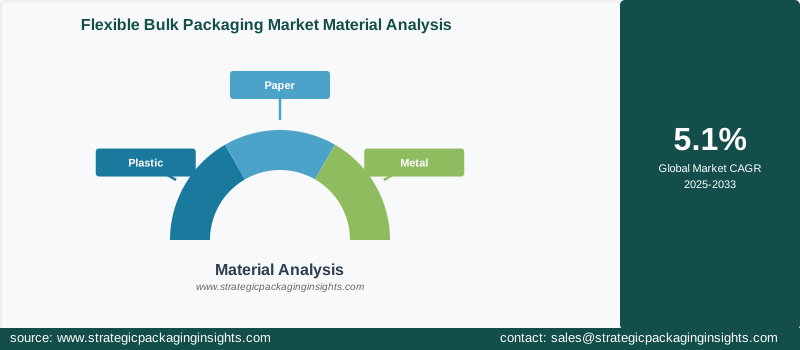
The flexible bulk packaging market is segmented by material into plastic, paper, and metal. Plastic remains the dominant material due to its versatility, durability, and cost-effectiveness. It is widely used in various industries, including food and beverage, pharmaceuticals, and chemicals, for its ability to provide excellent barrier properties and protect products from contamination. However, the increasing environmental concerns and regulatory pressures are driving the demand for sustainable alternatives, such as biodegradable plastics and recycled materials. Paper is gaining traction as an eco-friendly option, particularly in the food and beverage industry, where it is used for packaging dry goods and perishables. Metal, although less common, is used in applications requiring high strength and durability, such as in the construction and agriculture sectors.
The demand for sustainable materials is expected to grow significantly during the forecast period, driven by consumer preferences and regulatory mandates. Companies are investing in research and development to create innovative materials that offer the benefits of traditional plastics while minimizing environmental impact. The development of advanced materials, such as bio-based plastics and compostable films, is expected to create new opportunities for market players. Additionally, the increasing focus on circular economy practices is encouraging manufacturers to adopt recycling and waste reduction strategies, further driving the demand for sustainable materials in flexible bulk packaging.
Product Type Analysis
The flexible bulk packaging market is categorized by product type into bags, pouches, and sacks. Bags are the most widely used product type, offering versatility and convenience for packaging a wide range of products, from food and beverages to chemicals and pharmaceuticals. They are available in various sizes and configurations, making them suitable for different applications. Pouches are gaining popularity due to their lightweight and space-saving design, which makes them ideal for packaging liquids and semi-solids. They offer excellent barrier properties and can be customized with features such as resealable closures and spouts, enhancing their functionality and appeal.
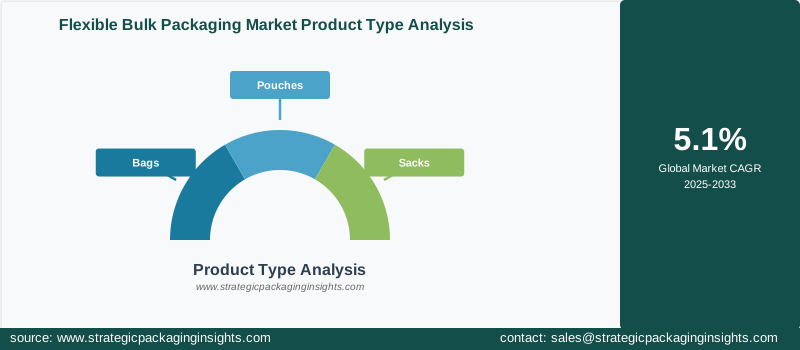
Sacks are primarily used in the agriculture and construction industries for packaging bulk materials such as grains, seeds, and cement. They offer high strength and durability, making them suitable for heavy-duty applications. The demand for sacks is driven by the growing construction activities and agricultural production, particularly in emerging economies. The development of innovative designs and materials, such as woven polypropylene and laminated films, is enhancing the performance and sustainability of sacks, creating new opportunities for market growth. Overall, the product type segment is characterized by a diverse range of offerings, each catering to specific industry needs and consumer preferences.
End-User Analysis
The flexible bulk packaging market serves a wide range of end-users, including the food and beverage, pharmaceuticals, chemicals, agriculture, and construction industries. The food and beverage industry is the largest end-user, driven by the increasing demand for packaged food products and beverages. Flexible bulk packaging solutions offer excellent barrier properties, preserving product freshness and extending shelf life. The growing trend towards convenience foods and ready-to-eat meals is further boosting the demand for flexible packaging solutions in this sector.
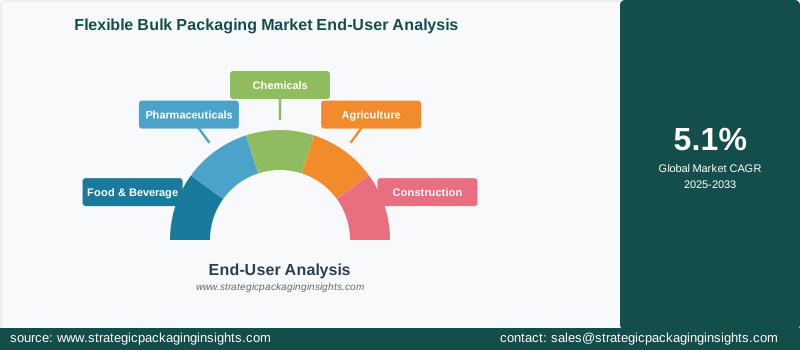
The pharmaceutical industry is another significant end-user, requiring specialized packaging solutions that ensure product safety and integrity. Flexible bulk packaging offers advantages such as tamper-evidence, moisture resistance, and ease of handling, making it suitable for packaging pharmaceuticals and medical devices. The chemicals industry also relies on flexible bulk packaging for its ability to safely transport and store hazardous materials. The agriculture and construction industries use flexible bulk packaging for packaging bulk materials such as grains, seeds, and cement, benefiting from its strength and durability.
Region Analysis
The flexible bulk packaging market is geographically segmented into North America, Europe, Asia Pacific, Latin America, and the Middle East & Africa. Asia Pacific is the largest and fastest-growing market, driven by rapid industrialization, urbanization, and the expanding food and beverage industry. The region's growing population and rising disposable incomes are boosting the demand for packaged food products, driving the need for flexible bulk packaging solutions. North America is another significant market, characterized by a strong industrial base and the presence of major packaging companies. The region's focus on sustainability and eco-friendly packaging solutions is influencing market dynamics.
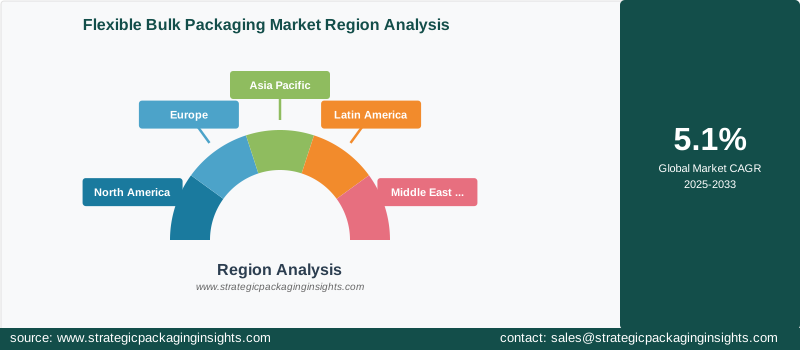
Europe is a mature market, with a strong emphasis on sustainability and innovation. The region's stringent regulations regarding packaging waste and environmental impact are driving the demand for sustainable packaging solutions. Latin America and the Middle East & Africa are emerging markets, with growing industrial bases and increasing demand for packaging solutions across various industries. The development of advanced packaging technologies and the rise of e-commerce are creating new opportunities for market growth in these regions. Overall, the flexible bulk packaging market is characterized by diverse regional dynamics, each influenced by specific industry trends and consumer preferences.
Flexible Bulk Packaging Market Segments
The Flexible Bulk Packaging market has been segmented on the basis ofMaterial
- Plastic
- Paper
- Metal
Product Type
- Bags
- Pouches
- Sacks
End-User
- Food & Beverage
- Pharmaceuticals
- Chemicals
- Agriculture
- Construction
Region
- North America
- Europe
- Asia Pacific
- Latin America
- Middle East & Africa




