


Cryogenic Label Printer Market Outlook
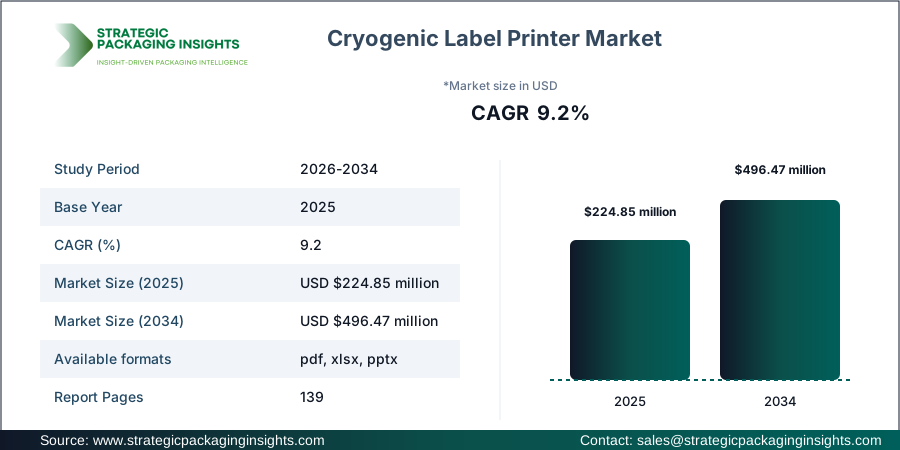
The Cryogenic Label Printer market was valued at $224.85 million in 2025 and is projected to reach $496.47 million by 2034, growing at a CAGR of 9.2% during the forecast period 2026-2034. This market is witnessing significant growth due to the increasing demand for reliable labeling solutions in extreme temperature conditions, particularly in the healthcare and biobanking sectors. The need for accurate and durable labeling in cryogenic environments is driving the adoption of advanced printing technologies, such as thermal transfer and laser printers, which offer high precision and resistance to harsh conditions. The market is also benefiting from technological advancements in label materials, which enhance durability and readability, further fueling market expansion.
Report Scope
| Attributes | Details |
| Report Title | Cryogenic Label Printer Market Size, Future Growth and Forecast 2034 |
| Printer Type | Thermal Transfer Printers, Direct Thermal Printers, Laser Printers |
| Application | Cryogenic Vials, Laboratory Samples, Biobanking |
| End Use | Labs, Biobanks, Hospitals, Pharma |
| Label Type | Polyester Labels, Polypropylene Labels, Specialty Labels |
| Region | Asia Pacific, North America, Latin America, Europe, Middle East & Africa |
| Base Year | 2025 |
| Historic Period | 2018-2024 |
| Forecast Period | 2026-2034 |
| Number of Pages | 139 |
| Customization Available | Yes* |
Opportunities & Threats
The Cryogenic Label Printer market presents numerous opportunities, particularly in the healthcare and pharmaceutical sectors, where the demand for precise labeling solutions is paramount. The increasing focus on biobanking and personalized medicine is driving the need for reliable labeling systems that can withstand extreme temperatures and ensure the integrity of samples. Additionally, the growing trend of automation in laboratories is creating opportunities for the integration of advanced label printing technologies, which can enhance efficiency and accuracy in sample management. The expansion of healthcare infrastructure in emerging markets is also providing significant growth opportunities for cryogenic label printer manufacturers, as these regions invest in modernizing their healthcare facilities.
Another opportunity lies in the development of eco-friendly and sustainable labeling solutions. As environmental concerns continue to rise, there is a growing demand for labels made from recyclable and biodegradable materials. Companies that can innovate in this area and offer sustainable labeling options are likely to gain a competitive edge in the market. Furthermore, the increasing adoption of digital technologies and IoT in healthcare is opening up new avenues for smart labeling solutions that can provide real-time data and enhance traceability, offering additional growth prospects for market players.
However, the market faces certain restrainers, such as the high initial cost of advanced label printing technologies, which can be a barrier for small and medium-sized enterprises. Additionally, the complexity of integrating these systems into existing workflows can pose challenges for end-users, particularly in resource-constrained settings. The need for specialized training and maintenance can also add to the operational costs, potentially hindering market growth. Moreover, stringent regulatory requirements for labeling in the healthcare sector can pose compliance challenges for manufacturers, necessitating continuous innovation and adaptation to meet evolving standards.
Drivers & Challenges
The primary drivers of the Cryogenic Label Printer market include the increasing demand for accurate and durable labeling solutions in the healthcare and biobanking sectors. The need to maintain the integrity of samples in extreme temperature conditions is driving the adoption of advanced printing technologies, such as thermal transfer and laser printers. These technologies offer high precision and resistance to harsh environments, making them ideal for cryogenic applications. Additionally, the growing focus on personalized medicine and biobanking is fueling the demand for reliable labeling systems that can ensure the traceability and identification of samples, further propelling market growth.
Technological advancements in label materials are also driving market expansion. The development of new materials that enhance the durability and readability of labels in cryogenic conditions is enabling manufacturers to offer innovative solutions that meet the evolving needs of end-users. The increasing trend of automation in laboratories is another significant driver, as it creates demand for integrated label printing systems that can enhance efficiency and accuracy in sample management. Furthermore, the expansion of healthcare infrastructure in emerging markets is providing growth opportunities for cryogenic label printer manufacturers, as these regions invest in modernizing their healthcare facilities.
Despite these drivers, the market faces several challenges, including the high initial cost of advanced label printing technologies. This can be a barrier for small and medium-sized enterprises, limiting their ability to adopt these solutions. Additionally, the complexity of integrating these systems into existing workflows can pose challenges for end-users, particularly in resource-constrained settings. The need for specialized training and maintenance can also add to the operational costs, potentially hindering market growth. Moreover, stringent regulatory requirements for labeling in the healthcare sector can pose compliance challenges for manufacturers, necessitating continuous innovation and adaptation to meet evolving standards.
Market Share Analysis
The competitive landscape of the Cryogenic Label Printer market is characterized by the presence of several key players who are actively engaged in product innovation and strategic collaborations to strengthen their market position. Brady Corporation, a leading player in the market, holds a significant share due to its extensive product portfolio and strong distribution network. The company is known for its high-quality labeling solutions that cater to various industries, including healthcare and pharmaceuticals. Zebra Technologies is another major player, renowned for its advanced printing technologies and robust customer support services, which have helped it secure a substantial market share.
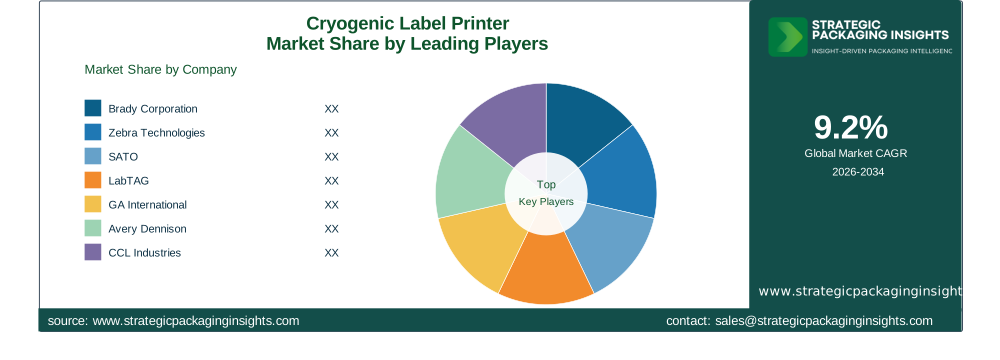
SATO, a prominent player in the market, is recognized for its innovative labeling solutions that offer high precision and durability in cryogenic conditions. The company's focus on research and development has enabled it to introduce cutting-edge products that meet the evolving needs of end-users. LabTAG, a division of GA International, is also a key player, known for its specialized labeling solutions for laboratory and biobanking applications. The company's expertise in developing labels that withstand extreme temperatures has earned it a strong reputation in the market.
Avery Dennison, a global leader in labeling and packaging materials, holds a significant share in the Cryogenic Label Printer market. The company's commitment to sustainability and innovation has enabled it to offer eco-friendly labeling solutions that cater to the growing demand for sustainable products. CCL Industries, another major player, is known for its comprehensive range of labeling solutions that cater to various industries, including healthcare and pharmaceuticals. The company's focus on customer-centric solutions has helped it maintain a strong market presence.
Thermo Fisher Scientific, a leading provider of scientific instrumentation and laboratory equipment, is also a key player in the market. The company's extensive product portfolio and strong focus on research and development have enabled it to offer innovative labeling solutions that meet the specific needs of the healthcare and biobanking sectors. TSC Printronix and Cab Produkttechnik are other notable players in the market, known for their advanced printing technologies and commitment to quality and customer satisfaction.
Key Highlights
- The Cryogenic Label Printer market is projected to grow at a CAGR of 9.2% from 2026 to 2034.
- Technological advancements in label materials are enhancing durability and readability in cryogenic conditions.
- Increasing demand for personalized medicine and biobanking is driving market growth.
- High initial costs and integration challenges are potential restrainers for market expansion.
- Key players include Brady Corporation, Zebra Technologies, and SATO, among others.
- Eco-friendly and sustainable labeling solutions are gaining traction in the market.
- Emerging markets are investing in modernizing healthcare infrastructure, providing growth opportunities.
- Automation in laboratories is creating demand for integrated label printing systems.
- Stringent regulatory requirements necessitate continuous innovation and adaptation by manufacturers.
Top Countries Insights
In the Cryogenic Label Printer market, the United States holds a significant share, with a market size of approximately $120 million and a CAGR of 8%. The country's advanced healthcare infrastructure and strong focus on research and development are key growth drivers. The demand for reliable labeling solutions in biobanking and personalized medicine is particularly high, contributing to market expansion. However, stringent regulatory requirements pose challenges for manufacturers, necessitating continuous innovation and compliance.
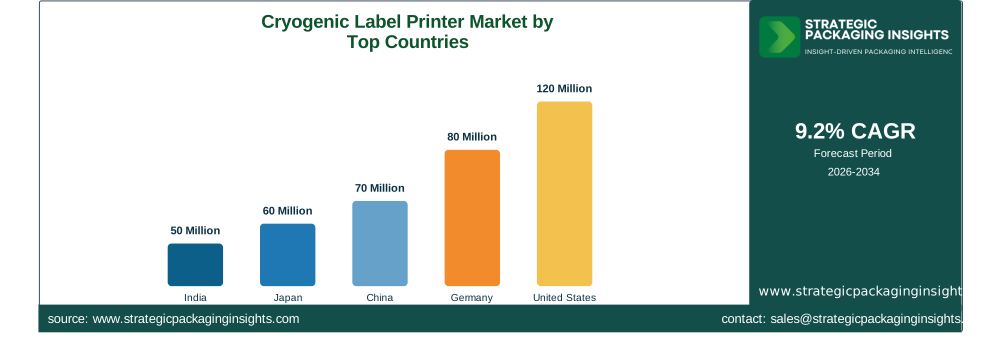
Germany is another major player in the market, with a market size of around $80 million and a CAGR of 7%. The country's robust healthcare system and emphasis on quality and precision in labeling solutions are driving market growth. The increasing adoption of automation in laboratories is also contributing to the demand for advanced label printing technologies. However, the high cost of these technologies can be a barrier for smaller enterprises.
China is experiencing rapid growth in the Cryogenic Label Printer market, with a market size of approximately $70 million and a CAGR of 12%. The country's expanding healthcare infrastructure and increasing investment in biobanking and personalized medicine are key growth drivers. The demand for durable and accurate labeling solutions is rising, creating opportunities for market players. However, the market faces challenges related to regulatory compliance and the integration of advanced technologies.
Japan, with a market size of about $60 million and a CAGR of 6%, is a significant player in the market. The country's focus on technological innovation and high-quality standards in healthcare are driving the demand for advanced labeling solutions. The increasing trend of automation in laboratories is also contributing to market growth. However, the market faces challenges related to the high cost of advanced technologies and the need for specialized training.
India is emerging as a key market for Cryogenic Label Printers, with a market size of approximately $50 million and a CAGR of 10%. The country's growing healthcare sector and increasing investment in modernizing healthcare facilities are driving market growth. The demand for reliable and durable labeling solutions in biobanking and personalized medicine is rising, creating opportunities for market players. However, the market faces challenges related to regulatory compliance and the integration of advanced technologies.
Cryogenic Label Printer Market Segments Insights

Printer Type Analysis
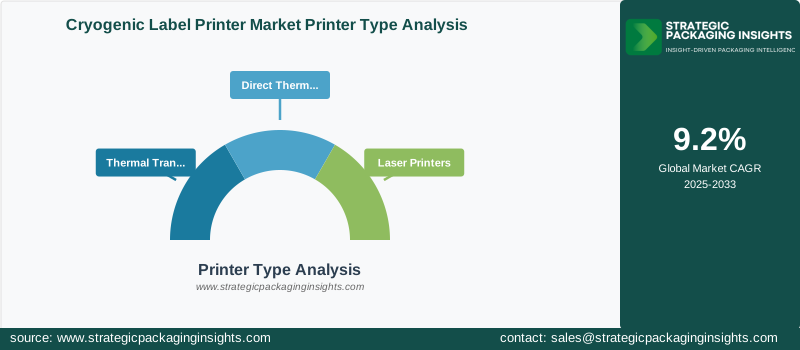
The Cryogenic Label Printer market is segmented by printer type into thermal transfer printers, direct thermal printers, and laser printers. Thermal transfer printers are widely used due to their ability to produce durable and high-quality labels that can withstand extreme temperatures. These printers are favored in the healthcare and biobanking sectors, where the integrity of samples is crucial. The demand for thermal transfer printers is driven by their precision and reliability, making them ideal for cryogenic applications. Direct thermal printers, on the other hand, are gaining traction due to their cost-effectiveness and ease of use. These printers are suitable for short-term labeling needs and are increasingly being adopted in laboratories and hospitals. Laser printers, known for their high-speed and high-resolution printing capabilities, are also witnessing growing demand, particularly in large-scale operations where efficiency and accuracy are paramount.
The competition among printer manufacturers is intense, with companies focusing on innovation and technological advancements to gain a competitive edge. The development of printers that offer enhanced durability and readability in cryogenic conditions is a key trend in the market. Additionally, the integration of digital technologies and IoT in printing solutions is opening up new opportunities for smart labeling systems that can provide real-time data and enhance traceability. The increasing focus on sustainability is also driving the demand for eco-friendly printers that use recyclable and biodegradable materials, offering additional growth prospects for market players.
Application Analysis
The application segment of the Cryogenic Label Printer market includes cryogenic vials, laboratory samples, and biobanking. The demand for reliable labeling solutions in cryogenic vials is particularly high, as these labels need to withstand extreme temperatures and ensure the integrity of samples. The growing focus on personalized medicine and biobanking is driving the demand for accurate and durable labeling systems that can ensure the traceability and identification of samples. The increasing trend of automation in laboratories is also contributing to the demand for advanced label printing technologies that can enhance efficiency and accuracy in sample management.
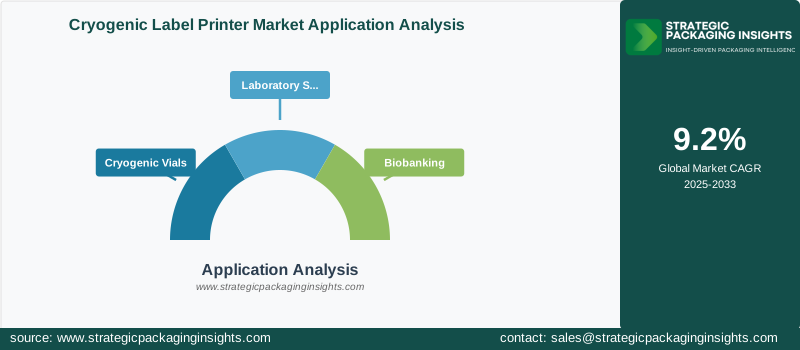
In the laboratory samples segment, the need for precise labeling solutions is paramount, as accurate identification and traceability of samples are crucial for research and diagnostic purposes. The demand for labeling solutions that can withstand harsh conditions and provide long-lasting readability is driving the adoption of advanced printing technologies. In the biobanking segment, the demand for reliable labeling systems is driven by the need to maintain the integrity of samples in extreme temperature conditions. The increasing investment in biobanking and personalized medicine is creating opportunities for market players to offer innovative labeling solutions that meet the evolving needs of end-users.
End Use Analysis
The Cryogenic Label Printer market is segmented by end use into labs, biobanks, hospitals, and pharma. In the labs segment, the demand for reliable and durable labeling solutions is driven by the need for accurate identification and traceability of samples. The increasing trend of automation in laboratories is creating demand for integrated label printing systems that can enhance efficiency and accuracy in sample management. In the biobanks segment, the demand for labeling solutions that can withstand extreme temperatures and ensure the integrity of samples is particularly high. The growing focus on personalized medicine and biobanking is driving the demand for reliable labeling systems that can ensure the traceability and identification of samples.
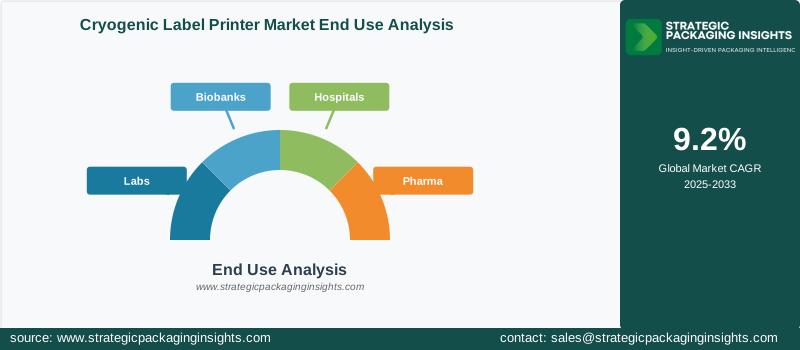
In the hospitals segment, the demand for labeling solutions is driven by the need for accurate and durable labeling systems that can withstand harsh conditions and provide long-lasting readability. The increasing investment in healthcare infrastructure and the growing focus on patient safety and quality care are driving the demand for advanced label printing technologies. In the pharma segment, the demand for reliable labeling solutions is driven by the need for accurate identification and traceability of products. The increasing focus on regulatory compliance and the need for specialized labeling solutions are creating opportunities for market players to offer innovative labeling systems that meet the evolving needs of end-users.
Label Type Analysis
The Cryogenic Label Printer market is segmented by label type into polyester labels, polypropylene labels, and specialty labels. Polyester labels are widely used due to their durability and resistance to harsh conditions, making them ideal for cryogenic applications. These labels are favored in the healthcare and biobanking sectors, where the integrity of samples is crucial. The demand for polyester labels is driven by their ability to provide long-lasting readability and ensure the traceability and identification of samples. Polypropylene labels, on the other hand, are gaining traction due to their cost-effectiveness and versatility. These labels are suitable for a wide range of applications and are increasingly being adopted in laboratories and hospitals.
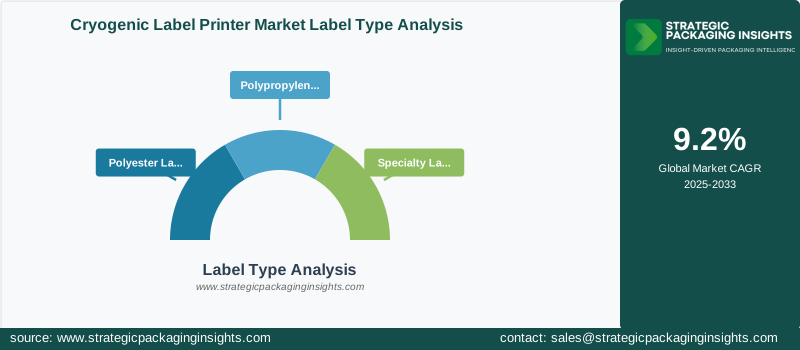
Specialty labels, known for their unique properties and ability to withstand extreme temperatures, are also witnessing growing demand, particularly in niche applications where standard labels may not suffice. The competition among label manufacturers is intense, with companies focusing on innovation and technological advancements to gain a competitive edge. The development of labels that offer enhanced durability and readability in cryogenic conditions is a key trend in the market. Additionally, the increasing focus on sustainability is driving the demand for eco-friendly labels that use recyclable and biodegradable materials, offering additional growth prospects for market players.
Cryogenic Label Printer Market Segments
The Cryogenic Label Printer market has been segmented on the basis ofPrinter Type
- Thermal Transfer Printers
- Direct Thermal Printers
- Laser Printers
Application
- Cryogenic Vials
- Laboratory Samples
- Biobanking
End Use
- Labs
- Biobanks
- Hospitals
- Pharma
Label Type
- Polyester Labels
- Polypropylene Labels
- Specialty Labels
Region
- Asia Pacific
- North America
- Latin America
- Europe
- Middle East & Africa




