


Child Resistant Pipette Closures Market Outlook
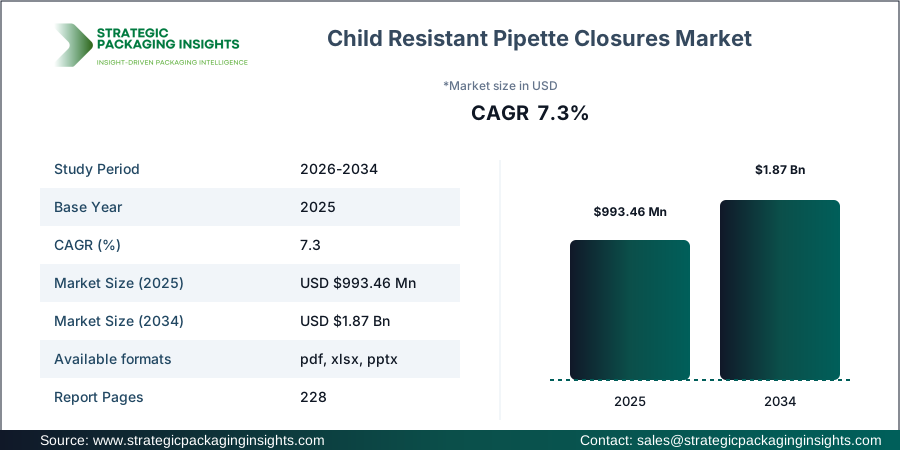
The Child Resistant Pipette Closures market was valued at $993.46 million in 2025 and is projected to reach $1.87 billion by 2034, growing at a CAGR of 7.3% during the forecast period 2026-2034. This market is driven by the increasing demand for safe and secure packaging solutions in the pharmaceutical and chemical industries. The rise in regulations mandating child-resistant packaging for hazardous materials has further propelled the market growth. Additionally, the growing awareness among consumers regarding the safety of children around potentially harmful substances is boosting the demand for child-resistant pipette closures. The market is also witnessing innovations in materials and designs to enhance the functionality and appeal of these closures.
Despite the promising growth prospects, the market faces certain challenges. The high cost of raw materials and the complexity involved in manufacturing child-resistant closures can act as restraints. Moreover, stringent regulatory requirements and the need for compliance with various international standards can pose challenges for manufacturers. However, the market holds significant potential for growth, driven by the increasing adoption of child-resistant packaging in emerging markets and the development of eco-friendly and sustainable closure solutions. The ongoing research and development activities aimed at improving the efficiency and cost-effectiveness of these closures are expected to create new opportunities for market players.
Report Scope
| Attributes | Details |
| Report Title | Child Resistant Pipette Closures Market Size, Future Growth and Forecast 2034 |
| Material Type | PP, HDPE, Rubber, Glass Pipette Assemblies |
| Closure Type | Push-and-Turn, Tamper-Evident, Dropper Pipette, CRC Dropper |
| Application | Pharmaceuticals, CBD Products, Essential Oils, Chemicals |
| End Use | Healthcare, Personal Care, Cannabis, Specialty Chemicals |
| Region | Asia Pacific, North America, Latin America, Europe, Middle East & Africa |
| Base Year | 2025 |
| Historic Period | 2018-2024 |
| Forecast Period | 2026-2034 |
| Number of Pages | 228 |
| Customization Available | Yes* |
Opportunities & Threats
The Child Resistant Pipette Closures market presents numerous opportunities for growth, particularly in the realm of sustainable and eco-friendly packaging solutions. As environmental concerns continue to rise, there is a growing demand for closures made from biodegradable and recyclable materials. Companies that invest in the development of such products are likely to gain a competitive edge in the market. Additionally, the expanding pharmaceutical and cannabis industries offer significant growth opportunities, as these sectors require secure packaging solutions to prevent accidental ingestion by children. The increasing legalization of cannabis in various regions is expected to further drive the demand for child-resistant pipette closures.
Another opportunity lies in the technological advancements in closure designs. Innovations such as tamper-evident and easy-to-use closures are gaining popularity among consumers, providing manufacturers with the chance to differentiate their products in the market. The integration of smart technologies, such as QR codes and NFC tags, into closures can also enhance product traceability and consumer engagement, opening new avenues for growth. Furthermore, the rising trend of personalized and customized packaging solutions offers opportunities for companies to cater to specific customer needs and preferences.
However, the market is not without its threats. The high cost of raw materials, such as plastics and rubber, can impact the profitability of manufacturers. Additionally, the stringent regulatory landscape governing child-resistant packaging can pose challenges for companies, particularly those operating in multiple regions with varying standards. The need for continuous innovation and compliance with evolving regulations can increase operational costs and complexity. Moreover, the presence of counterfeit products in the market can undermine consumer trust and pose a threat to established brands.
Drivers & Challenges
The primary drivers of the Child Resistant Pipette Closures market include the increasing regulatory requirements for child-resistant packaging and the growing awareness of child safety among consumers. Governments across the globe are implementing stringent regulations to ensure the safety of children from accidental ingestion of hazardous substances. This has led to a surge in demand for child-resistant closures in various industries, including pharmaceuticals, chemicals, and cannabis. Additionally, the rising consumer awareness regarding the importance of child safety is driving the adoption of these closures, as parents and caregivers seek to protect children from potential harm.
Another significant driver is the growth of the pharmaceutical and cannabis industries. The pharmaceutical sector, in particular, requires secure packaging solutions to prevent accidental ingestion of medications by children. The increasing legalization of cannabis in various regions has also led to a rise in demand for child-resistant packaging solutions, as regulatory bodies mandate the use of such closures for cannabis products. Furthermore, the trend towards sustainable and eco-friendly packaging is driving innovation in the market, with companies developing closures made from biodegradable and recyclable materials.
Despite these drivers, the market faces several challenges. The high cost of raw materials and the complexity involved in manufacturing child-resistant closures can act as barriers to entry for new players. Additionally, the need for compliance with various international standards and regulations can pose challenges for manufacturers, particularly those operating in multiple regions. The presence of counterfeit products in the market can also undermine consumer trust and pose a threat to established brands. Moreover, the ongoing need for innovation and the development of new closure designs can increase operational costs and complexity for companies.
Market Share Analysis
The Child Resistant Pipette Closures market is characterized by a competitive landscape with several key players vying for market share. Companies such as AptarGroup, Berry Global, and Silgan Holdings are among the leading players in the market, known for their innovative product offerings and strong distribution networks. These companies have established themselves as leaders in the market by continuously investing in research and development to enhance their product portfolios and meet the evolving needs of consumers. Their focus on sustainability and eco-friendly packaging solutions has also contributed to their market leadership.
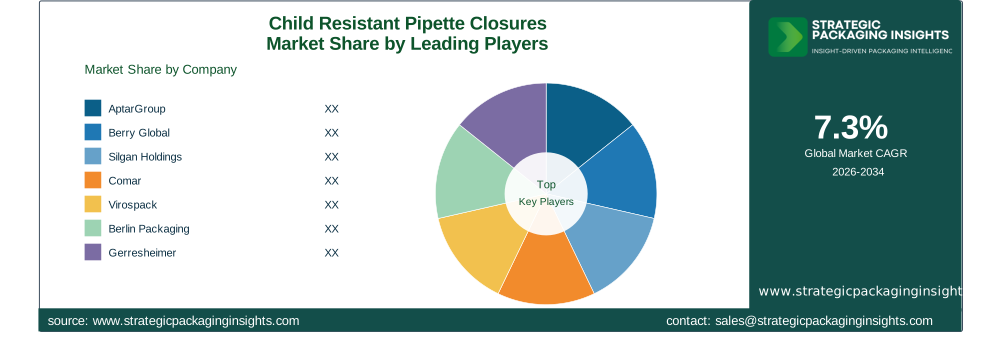
Other notable players in the market include Comar, Virospack, and Berlin Packaging, which have carved out significant market shares through strategic partnerships and acquisitions. These companies have expanded their product offerings and geographic reach to cater to a diverse range of industries, including pharmaceuticals, personal care, and cannabis. Their emphasis on quality and compliance with regulatory standards has helped them build strong relationships with customers and maintain their competitive positions in the market.
Gerresheimer, Stoelzle Glass, and Mold-Rite Plastics are also key players in the market, known for their expertise in manufacturing high-quality closures and packaging solutions. These companies have leveraged their technical expertise and manufacturing capabilities to develop innovative closure designs that meet the stringent requirements of child-resistant packaging. Their focus on customer-centric solutions and continuous improvement has enabled them to maintain a strong presence in the market.
TricorBraun is another prominent player in the market, recognized for its comprehensive range of packaging solutions and strong customer service. The company's commitment to innovation and sustainability has positioned it as a leader in the market, with a focus on developing closures that are both functional and environmentally friendly. TricorBraun's strategic partnerships and collaborations with other industry players have further strengthened its market position and expanded its reach across various regions.
Key Highlights
- The Child Resistant Pipette Closures market is projected to grow at a CAGR of 7.3% from 2026 to 2034.
- Increasing regulatory requirements for child-resistant packaging are driving market growth.
- The pharmaceutical and cannabis industries are major contributors to the demand for child-resistant closures.
- Innovations in closure designs, such as tamper-evident and easy-to-use closures, are gaining popularity.
- The trend towards sustainable and eco-friendly packaging is driving innovation in the market.
- High raw material costs and regulatory compliance are key challenges for manufacturers.
- Key players in the market include AptarGroup, Berry Global, and Silgan Holdings.
- The market is witnessing a rise in demand for closures made from biodegradable and recyclable materials.
- Technological advancements in closure designs are providing opportunities for market differentiation.
- The presence of counterfeit products poses a threat to established brands.
Top Countries Insights
In the Child Resistant Pipette Closures market, the United States holds a significant share, driven by stringent regulations and a strong focus on child safety. The market size in the U.S. is substantial, with a CAGR of 6%, supported by the growing pharmaceutical and cannabis industries. The regulatory landscape in the U.S. mandates the use of child-resistant packaging for hazardous substances, driving demand for pipette closures. Additionally, the presence of key market players and continuous innovation in closure designs contribute to the market's growth.
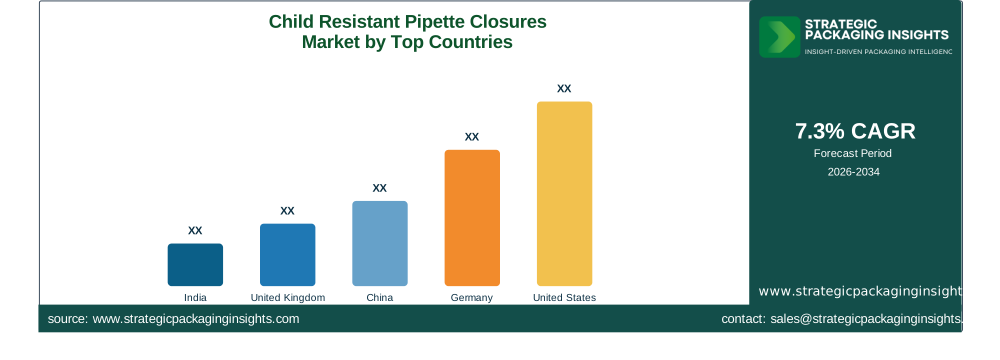
Germany is another key market for child-resistant pipette closures, with a CAGR of 5%. The country's strong pharmaceutical industry and strict regulatory requirements for child safety packaging are major growth drivers. The demand for sustainable and eco-friendly packaging solutions is also rising in Germany, prompting manufacturers to develop closures made from biodegradable materials. The focus on quality and compliance with international standards further supports the market's expansion.
China is experiencing rapid growth in the child-resistant pipette closures market, with a CAGR of 8%. The country's expanding pharmaceutical and chemical industries, coupled with increasing consumer awareness of child safety, are driving demand for secure packaging solutions. The government's initiatives to enhance safety standards and promote sustainable packaging practices are also contributing to market growth. China's large population and growing middle class present significant opportunities for market players.
In the United Kingdom, the market for child-resistant pipette closures is growing at a CAGR of 4%. The country's regulatory framework emphasizes child safety, leading to increased adoption of child-resistant packaging solutions. The rising demand for cannabis products, following legalization in certain regions, is also boosting the market. Additionally, the trend towards personalized and customized packaging solutions is gaining traction in the UK, providing opportunities for manufacturers to cater to specific consumer preferences.
India is emerging as a promising market for child-resistant pipette closures, with a CAGR of 7%. The country's growing pharmaceutical and personal care industries are key drivers of market growth. The increasing awareness of child safety and the adoption of international safety standards are further propelling demand for child-resistant packaging solutions. The government's focus on promoting domestic manufacturing and innovation in packaging technologies is expected to create new opportunities for market players.
Child Resistant Pipette Closures Market Segments Insights

Material Type Analysis
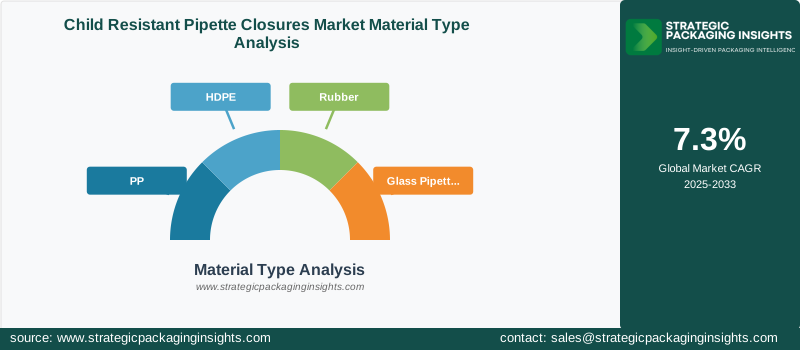
The material type segment of the Child Resistant Pipette Closures market is diverse, with polypropylene (PP), high-density polyethylene (HDPE), rubber, and glass pipette assemblies being the primary materials used. Polypropylene is favored for its durability and resistance to chemicals, making it ideal for pharmaceutical and chemical applications. HDPE is valued for its strength and recyclability, aligning with the growing demand for sustainable packaging solutions. Rubber is used for its flexibility and sealing properties, while glass pipette assemblies are preferred for their aesthetic appeal and inertness, particularly in high-end applications.
The demand for eco-friendly materials is driving innovation in this segment, with manufacturers exploring biodegradable and recyclable options. The increasing focus on sustainability is prompting companies to develop closures that minimize environmental impact while maintaining functionality and safety. The competition among material suppliers is intense, with companies striving to offer materials that meet regulatory standards and consumer preferences. The trend towards lightweight and cost-effective materials is also influencing the market dynamics, as manufacturers seek to optimize production costs and enhance product appeal.
Closure Type Analysis
The closure type segment includes push-and-turn, tamper-evident, dropper pipette, and CRC dropper closures. Push-and-turn closures are widely used due to their simplicity and effectiveness in preventing accidental opening by children. Tamper-evident closures provide an additional layer of security, ensuring product integrity and consumer confidence. Dropper pipette closures are popular in the pharmaceutical and personal care industries for their precision and ease of use. CRC droppers combine child resistance with controlled dispensing, making them suitable for a variety of applications.
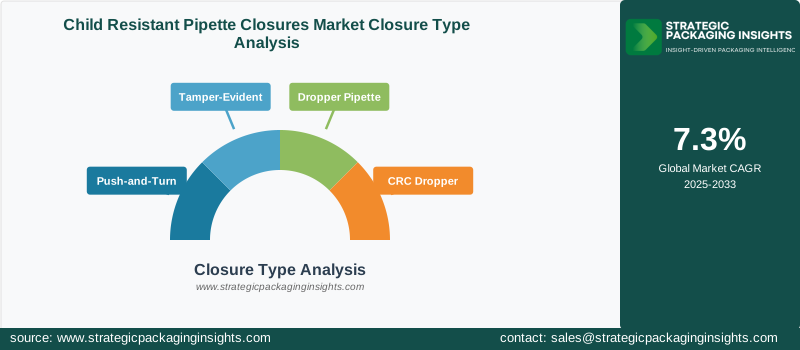
Innovation in closure designs is a key trend in this segment, with manufacturers focusing on enhancing user convenience and safety. The integration of smart technologies, such as QR codes and NFC tags, is gaining traction, offering opportunities for product differentiation and consumer engagement. The demand for closures that are both child-resistant and user-friendly is driving the development of new designs that balance safety with accessibility. The competition among closure manufacturers is fierce, with companies investing in research and development to create innovative solutions that meet evolving consumer needs.
Application Analysis
The application segment of the Child Resistant Pipette Closures market encompasses pharmaceuticals, CBD products, essential oils, and chemicals. The pharmaceutical industry is a major driver of demand, as child-resistant packaging is crucial for preventing accidental ingestion of medications. The growing legalization of cannabis and the increasing use of CBD products are also contributing to market growth, as these products require secure packaging to comply with regulatory standards. Essential oils and chemicals are other key applications, where safety and product integrity are paramount.
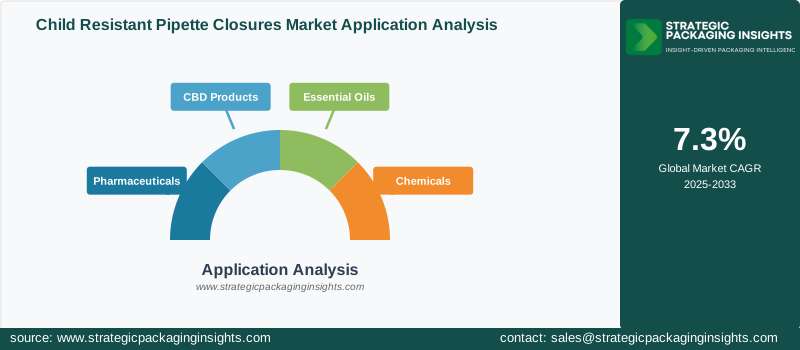
The trend towards personalized and customized packaging solutions is influencing the application segment, with manufacturers offering closures tailored to specific product requirements. The demand for sustainable and eco-friendly packaging is also impacting this segment, as consumers and regulatory bodies push for environmentally responsible solutions. The competition among application-specific closure providers is intense, with companies striving to offer innovative and compliant solutions that meet the diverse needs of their customers.
End Use Analysis
The end-use segment includes healthcare, personal care, cannabis, and specialty chemicals. The healthcare sector is a significant contributor to market demand, driven by the need for secure packaging solutions to protect children from accidental ingestion of medications. The personal care industry is also a key end-user, with products such as essential oils and cosmetics requiring child-resistant closures to ensure safety and compliance. The cannabis industry is experiencing rapid growth, with the increasing legalization of cannabis products driving demand for secure packaging solutions.
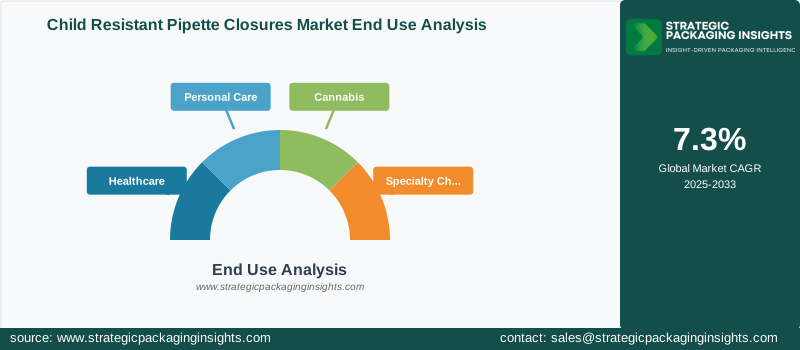
The specialty chemicals sector is another important end-user, where child-resistant packaging is essential to prevent accidental exposure to hazardous substances. The trend towards sustainable and eco-friendly packaging is influencing the end-use segment, with companies seeking to develop closures that minimize environmental impact while maintaining safety and functionality. The competition among end-use-specific closure providers is fierce, with companies investing in research and development to create innovative solutions that meet the evolving needs of their customers.
Child Resistant Pipette Closures Market Segments
The Child Resistant Pipette Closures market has been segmented on the basis ofMaterial Type
- PP
- HDPE
- Rubber
- Glass Pipette Assemblies
Closure Type
- Push-and-Turn
- Tamper-Evident
- Dropper Pipette
- CRC Dropper
Application
- Pharmaceuticals
- CBD Products
- Essential Oils
- Chemicals
End Use
- Healthcare
- Personal Care
- Cannabis
- Specialty Chemicals
Region
- Asia Pacific
- North America
- Latin America
- Europe
- Middle East & Africa




