


Biopolymer Films Market Outlook
The Biopolymer Films market was valued at $5.87 billion in 2025 and is projected to reach $13.62 billion by 2034, growing at a CAGR of 9.8% during the forecast period 2026-2034. This market is driven by the increasing demand for sustainable packaging solutions, as consumers and industries alike are becoming more environmentally conscious. Biopolymer films, derived from renewable resources, offer a viable alternative to traditional petroleum-based plastics, which are notorious for their environmental impact. The market's growth is further fueled by advancements in biopolymer technology, which have improved the performance and cost-effectiveness of these films, making them more competitive with conventional materials.
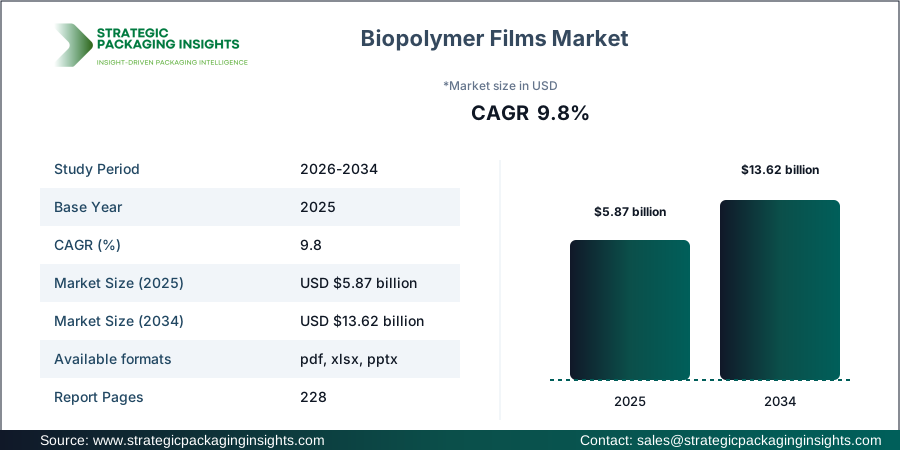
Despite the promising growth trajectory, the Biopolymer Films market faces several challenges. Regulatory hurdles and the high cost of raw materials are significant restraints that could impede market expansion. However, the potential for growth remains substantial, particularly as governments worldwide implement stricter regulations on plastic usage and promote the adoption of biodegradable materials. The market's potential is also bolstered by the increasing investment in research and development, aimed at enhancing the properties of biopolymer films and expanding their application scope. As a result, the Biopolymer Films market is poised for significant growth, driven by both regulatory support and technological advancements.
Report Scope
| Attributes | Details |
| Report Title | Biopolymer Films Market Size, Future Growth and Forecast 2034 |
| Material Type | PLA, PHA, Starch Blends, Cellulose Films |
| Application | Food Packaging, Compostable Bags, Agricultural Films, Labels |
| Film Type | Blown Films, Cast Films, Barrier Films, Heat-Sealable Films |
| End Use | Food Brands, Retailers, Agriculture, Packaging Converters |
| Region | Asia Pacific, North America, Latin America, Europe, Middle East & Africa |
| Base Year | 2025 |
| Historic Period | 2018-2024 |
| Forecast Period | 2026-2034 |
| Number of Pages | 228 |
| Customization Available | Yes* |
Opportunities & Threats
The Biopolymer Films market presents numerous opportunities, particularly in the realm of sustainable packaging. As consumer awareness regarding environmental issues grows, there is a rising demand for eco-friendly packaging solutions. This trend is particularly pronounced in the food and beverage industry, where biopolymer films are increasingly used for packaging due to their biodegradable nature. Additionally, the agricultural sector offers significant opportunities for biopolymer films, as they can be used in mulch films and other applications that benefit from biodegradability. The increasing focus on reducing carbon footprints and promoting circular economies further enhances the market potential for biopolymer films.
Another opportunity lies in the technological advancements in biopolymer production. Innovations in material science have led to the development of biopolymer films with enhanced properties, such as improved barrier performance and mechanical strength. These advancements make biopolymer films more competitive with traditional plastic films, broadening their application scope. Furthermore, collaborations between biopolymer manufacturers and end-users can lead to customized solutions that meet specific industry needs, thereby driving market growth. The potential for biopolymer films to replace conventional plastics in various applications is a significant opportunity that market players are keen to capitalize on.
However, the market is not without its threats. One of the primary challenges is the high cost of biopolymer films compared to traditional plastics. This cost disparity can hinder widespread adoption, particularly in price-sensitive markets. Additionally, the availability of raw materials for biopolymer production can be inconsistent, leading to supply chain disruptions. The market also faces competition from other sustainable materials, such as recycled plastics, which can offer similar environmental benefits at a lower cost. These factors pose significant threats to the growth of the Biopolymer Films market, necessitating strategic planning and innovation to overcome them.
Drivers & Challenges
The Biopolymer Films market is primarily driven by the increasing demand for sustainable and eco-friendly packaging solutions. As environmental concerns continue to rise, consumers and businesses are seeking alternatives to traditional plastic packaging, which has a significant environmental footprint. Biopolymer films, being biodegradable and derived from renewable resources, offer an attractive solution. This shift in consumer preference is a major driver for the market, as industries across the board, from food and beverage to agriculture, are adopting biopolymer films to meet sustainability goals and regulatory requirements.
Another key driver is the technological advancements in biopolymer film production. Innovations in material science have led to the development of biopolymer films with enhanced properties, such as improved barrier performance, mechanical strength, and heat resistance. These advancements make biopolymer films more competitive with traditional plastic films, broadening their application scope. Additionally, government initiatives promoting the use of biodegradable materials and imposing restrictions on plastic usage are further propelling the market. The combination of consumer demand, technological innovation, and regulatory support is driving the growth of the Biopolymer Films market.
Despite the positive drivers, the Biopolymer Films market faces several challenges. One of the primary challenges is the high cost of biopolymer films compared to conventional plastics. This cost disparity can hinder widespread adoption, particularly in price-sensitive markets. Additionally, the availability of raw materials for biopolymer production can be inconsistent, leading to supply chain disruptions. The market also faces competition from other sustainable materials, such as recycled plastics, which can offer similar environmental benefits at a lower cost. These challenges necessitate strategic planning and innovation to overcome and ensure the continued growth of the Biopolymer Films market.
Market Share Analysis
The Biopolymer Films market is characterized by a competitive landscape with several key players vying for market share. Companies such as NatureWorks, Novamont, BASF, Futamura, and Taghleef Industries are at the forefront of the market, leveraging their extensive research and development capabilities to innovate and expand their product offerings. These companies are focusing on developing biopolymer films with enhanced properties to meet the diverse needs of various industries. The competitive landscape is further intensified by the presence of regional players who are capitalizing on local market dynamics and consumer preferences.
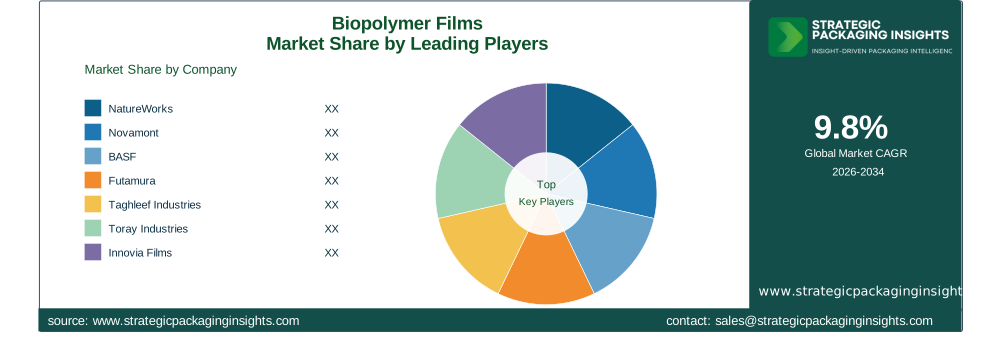
NatureWorks is a leading player in the Biopolymer Films market, known for its Ingeo brand of polylactic acid (PLA) biopolymers. The company has a significant market share, driven by its strong focus on sustainability and innovation. Novamont, another major player, is renowned for its Mater-Bi range of biodegradable and compostable biopolymers. The company's commitment to environmental sustainability and its extensive product portfolio have helped it secure a substantial market share. BASF, with its Ecovio brand, is also a key player, offering a range of biopolymer films that cater to various applications, from food packaging to agricultural films.
Futamura, a Japanese company, is known for its NatureFlex range of cellulose-based films, which are widely used in food packaging and other applications. The company's focus on renewable materials and its strong distribution network have contributed to its market presence. Taghleef Industries, a global leader in the production of biaxially oriented polypropylene (BOPP) films, has also ventured into the biopolymer films market, offering a range of sustainable solutions. The company's extensive manufacturing capabilities and global reach have enabled it to capture a significant share of the market.
Other notable players in the market include Toray Industries, Innovia Films, Treofan, BioBag International, and Plascon Group. These companies are actively investing in research and development to enhance the performance of their biopolymer films and expand their application scope. The competitive landscape of the Biopolymer Films market is dynamic, with companies continuously striving to innovate and differentiate their offerings to gain a competitive edge. As the market continues to grow, the competition is expected to intensify, driving further innovation and development in the sector.
Key Highlights
- The Biopolymer Films market is projected to grow at a CAGR of 9.8% from 2026 to 2034.
- Increasing demand for sustainable packaging solutions is a major driver for the market.
- Technological advancements in biopolymer production are enhancing film properties.
- Regulatory support for biodegradable materials is boosting market growth.
- High cost of biopolymer films compared to traditional plastics is a significant challenge.
- NatureWorks, Novamont, and BASF are leading players in the market.
- Asia Pacific is expected to witness significant growth due to rising environmental awareness.
- Food packaging is the largest application segment for biopolymer films.
- PLA and cellulose films are the most widely used material types.
- Collaborations between manufacturers and end-users are driving customized solutions.
Top Countries Insights
In the Biopolymer Films market, the United States stands out as a key player, with a market size of approximately $1.2 billion and a CAGR of 8%. The country's strong focus on sustainability and environmental regulations has driven the adoption of biopolymer films, particularly in the food packaging sector. Government initiatives promoting the use of biodegradable materials and the presence of major market players further bolster the market's growth in the United States.
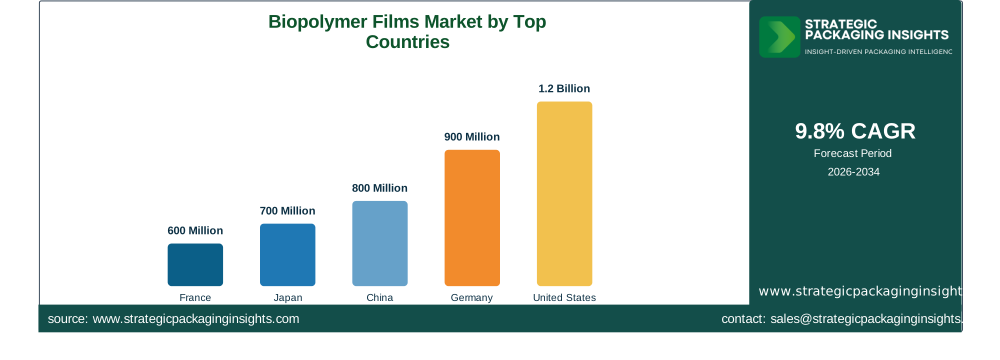
Germany is another significant market for biopolymer films, with a market size of around $900 million and a CAGR of 7%. The country's stringent environmental regulations and strong emphasis on sustainability have led to increased demand for biopolymer films. The presence of leading companies such as BASF and a well-established packaging industry contribute to the market's growth in Germany. Additionally, consumer awareness regarding environmental issues is driving the adoption of sustainable packaging solutions.
China, with a market size of approximately $800 million and a CAGR of 10%, is experiencing rapid growth in the Biopolymer Films market. The country's large population and increasing environmental awareness are key drivers for the market. Government policies promoting sustainable materials and the growing food and beverage industry further support the market's expansion in China. The presence of local manufacturers and increasing investments in research and development are also contributing to the market's growth.
In Japan, the Biopolymer Films market is valued at around $700 million, with a CAGR of 6%. The country's focus on innovation and technology has led to the development of advanced biopolymer films with enhanced properties. The presence of leading companies such as Futamura and Toray Industries, along with a strong emphasis on sustainability, drives the market's growth in Japan. The country's well-established packaging industry and consumer demand for eco-friendly products further support the market's expansion.
France, with a market size of approximately $600 million and a CAGR of 5%, is also a key player in the Biopolymer Films market. The country's strong environmental regulations and consumer demand for sustainable packaging solutions are driving the market's growth. The presence of major market players and a well-established food and beverage industry contribute to the market's expansion in France. Additionally, government initiatives promoting the use of biodegradable materials further support the market's growth.
Biopolymer Films Market Segments Insights

Material Type Analysis
The Biopolymer Films market is segmented by material type into PLA, PHA, starch blends, and cellulose films. PLA, or polylactic acid, is one of the most widely used materials in biopolymer films due to its biodegradability and versatility. It is derived from renewable resources such as corn starch, making it an environmentally friendly alternative to traditional plastics. The demand for PLA is driven by its application in food packaging, where its transparency and barrier properties are highly valued. Additionally, advancements in PLA production technology have improved its mechanical properties, further boosting its adoption in various industries.
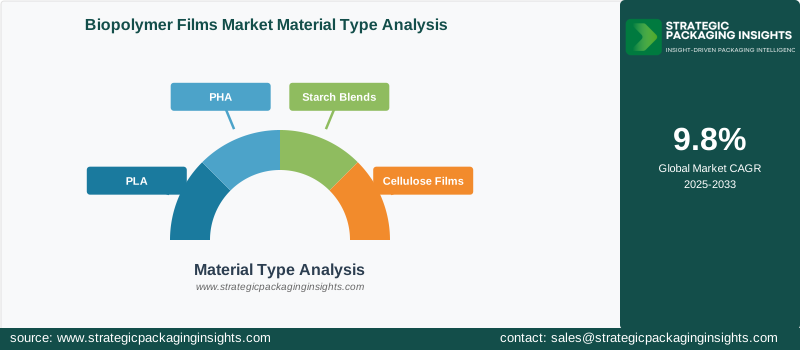
PHA, or polyhydroxyalkanoates, is another significant material type in the Biopolymer Films market. PHA is a biodegradable polymer produced by microbial fermentation, offering excellent biodegradability and biocompatibility. It is used in applications such as compostable bags and agricultural films, where its environmental benefits are highly valued. The market for PHA is driven by increasing environmental awareness and the need for sustainable alternatives to conventional plastics. However, the high cost of PHA production remains a challenge, limiting its widespread adoption.
Application Analysis
The application segment of the Biopolymer Films market includes food packaging, compostable bags, agricultural films, and labels. Food packaging is the largest application segment, driven by the increasing demand for sustainable packaging solutions in the food and beverage industry. Biopolymer films offer excellent barrier properties and biodegradability, making them ideal for food packaging applications. The growing consumer preference for eco-friendly packaging and stringent regulations on plastic usage further drive the demand for biopolymer films in this segment.
Compostable bags are another significant application for biopolymer films. These bags are used in various industries, including retail and agriculture, where their biodegradability is highly valued. The demand for compostable bags is driven by increasing environmental awareness and government initiatives promoting the use of biodegradable materials. Agricultural films, used in applications such as mulch films, are also a key application segment. These films offer benefits such as improved crop yield and reduced environmental impact, driving their adoption in the agricultural sector.
Film Type Analysis
The Biopolymer Films market is segmented by film type into blown films, cast films, barrier films, and heat-sealable films. Blown films are widely used in packaging applications due to their excellent mechanical properties and versatility. They are used in applications such as food packaging and agricultural films, where their strength and flexibility are highly valued. The demand for blown films is driven by the increasing need for sustainable packaging solutions and advancements in film production technology.
Cast films are another significant film type in the Biopolymer Films market. These films offer excellent clarity and barrier properties, making them ideal for applications such as food packaging and labels. The demand for cast films is driven by the growing consumer preference for eco-friendly packaging and the need for high-performance films in various industries. Barrier films, known for their excellent barrier properties, are used in applications such as food packaging and medical packaging, where product protection is critical.
End Use Analysis
The end-use segment of the Biopolymer Films market includes food brands, retailers, agriculture, and packaging converters. Food brands are the largest end-use segment, driven by the increasing demand for sustainable packaging solutions in the food and beverage industry. Biopolymer films offer excellent barrier properties and biodegradability, making them ideal for food packaging applications. The growing consumer preference for eco-friendly packaging and stringent regulations on plastic usage further drive the demand for biopolymer films in this segment.
Retailers are another significant end-use segment, where the demand for biopolymer films is driven by the need for sustainable packaging solutions. Retailers are increasingly adopting biopolymer films for applications such as compostable bags and packaging, where their environmental benefits are highly valued. The agricultural sector is also a key end-use segment, where biopolymer films are used in applications such as mulch films and agricultural films. These films offer benefits such as improved crop yield and reduced environmental impact, driving their adoption in the agricultural sector.
Biopolymer Films Market Segments
The Biopolymer Films market has been segmented on the basis ofMaterial Type
- PLA
- PHA
- Starch Blends
- Cellulose Films
Application
- Food Packaging
- Compostable Bags
- Agricultural Films
- Labels
Film Type
- Blown Films
- Cast Films
- Barrier Films
- Heat-Sealable Films
End Use
- Food Brands
- Retailers
- Agriculture
- Packaging Converters
Region
- Asia Pacific
- North America
- Latin America
- Europe
- Middle East & Africa




