


Medical Packaging Market Outlook
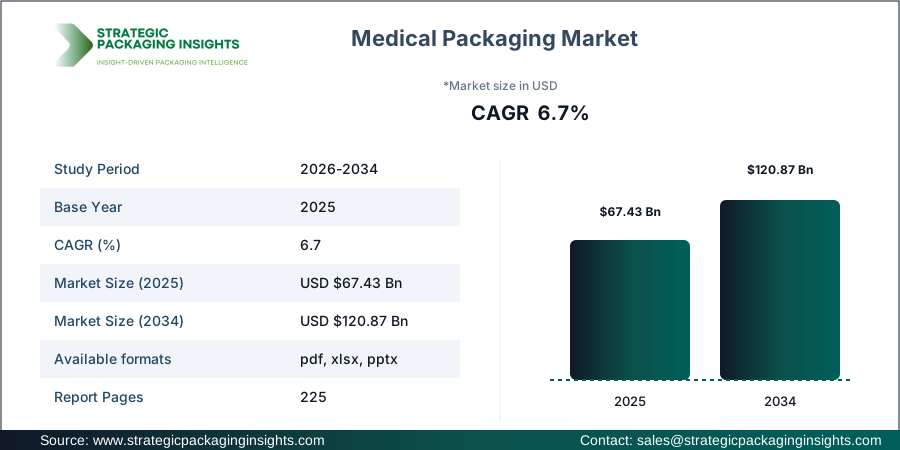
The Medical Packaging market size was valued at USD 67.43 billion in 2025 and is anticipated to reach USD 120.87 billion by 2034, growing at a CAGR of 6.7% during the forecast period according to Strategic Packaging Insights. The market is witnessing robust growth driven by the increasing demand for advanced packaging solutions in the healthcare sector. Companies like Amcor and WestRock are at the forefront, leveraging innovative technologies to enhance packaging efficiency and safety. The rise in chronic diseases and the aging population are further propelling the demand for medical packaging, as these factors increase the need for pharmaceuticals and medical devices, which in turn require reliable packaging solutions.
One of the most impactful drivers of the Medical Packaging market is the stringent regulatory requirements imposed by health authorities worldwide. These regulations ensure that packaging materials meet high safety and quality standards, which is crucial for protecting the integrity of medical products. For instance, the U.S. Food and Drug Administration (FDA) and the European Medicines Agency (EMA) have set rigorous guidelines for medical packaging, which companies like Berry Global and Gerresheimer are adhering to, ensuring compliance and gaining consumer trust. This regulatory landscape not only ensures product safety but also drives innovation in packaging materials and technologies, fostering market growth.
Report Scope
| Attributes | Details |
| Report Title | Medical Packaging Market Size, Future Growth and Forecast 2034 |
| By Packaging Type | Pouches, Trays, Blisters, Bottles |
| By Material Type | Plastic, Paper, Glass, Tyvek |
| By Application | Medical Devices, Pharmaceuticals, Diagnostics, Surgical Kits |
| By End Use | Hospitals, Pharma Companies, Medical Device Companies, CDMOs |
| Region | Asia Pacific, North America, Latin America, Europe, Middle East & Africa |
| Base Year | 2025 |
| Historic Period | 2018-2024 |
| Forecast Period | 2026-2034 |
| Number of Pages | 225 |
| Customization Available | Yes* |
Sustainability & Circular Economy Analysis
Sustainability initiatives are significantly shaping the medical packaging market, with a strong emphasis on reducing environmental impact. Companies are increasingly adopting recyclable materials and reusable packaging solutions to align with global sustainability goals. For instance, the use of lightweight packaging and eco-friendly material innovations are becoming prevalent, as they help in minimizing waste and reducing the carbon footprint. This shift is driven by consumer preferences for sustainable products and stringent packaging regulations that mandate eco-friendly practices.
The integration of circular economy principles is influencing packaging design and manufacturing processes. Companies are investing in research and development to create packaging solutions that are not only sustainable but also cost-effective. Extended Producer Responsibility (EPR) is gaining traction, compelling manufacturers to take responsibility for the entire lifecycle of their products, including disposal and recycling. This approach is encouraging the development of innovative packaging solutions that are both environmentally friendly and economically viable.
These sustainability trends are impacting investment decisions and supply chain strategies within the medical packaging industry. Companies are prioritizing ESG initiatives to enhance their market competitiveness and ensure regulatory compliance. As a result, there is a growing focus on reducing the carbon footprint through efficient supply chain management and the adoption of green technologies. This strategic shift is expected to drive long-term growth and competitiveness in the medical packaging market, benefiting manufacturers, brand owners, and investors alike.
Packaging Value Chain & Supply Chain Analysis
The medical packaging value chain is a complex ecosystem involving multiple stakeholders, from raw material suppliers to end-users. Raw material sourcing is a critical component, with companies like DuPont and TekniPlex focusing on procuring high-quality materials to ensure the safety and efficacy of their packaging solutions. Packaging converters and manufacturers play a pivotal role in transforming these materials into finished products, utilizing advanced machinery and technologies to enhance production capabilities and efficiency.
Logistics and distribution channels are integral to the supply chain, ensuring that medical packaging products reach their intended destinations promptly and safely. Companies are adopting strategic partnerships and localization strategies to enhance supply chain resilience and mitigate risks associated with global sourcing. Efficient inventory management and procurement strategies are also crucial, as they help in maintaining optimal stock levels and reducing lead times, thereby improving overall market performance.
Recycling networks are becoming increasingly important in the medical packaging supply chain, driven by the growing emphasis on sustainability and waste reduction. Companies are investing in recycling infrastructure and collaborating with stakeholders to develop closed-loop systems that minimize environmental impact. This focus on sustainability is not only enhancing the market's competitiveness but also aligning with consumer expectations and regulatory requirements, ensuring long-term success for packaging manufacturers, suppliers, and distributors.
Opportunities & Threats
The medical packaging market presents numerous opportunities for growth, driven by technological advancements and increasing demand for innovative packaging solutions. The rise of smart packaging technologies, such as RFID tags and QR codes, offers significant potential for enhancing product traceability and patient safety. Companies like AptarGroup and Oliver Healthcare Packaging are investing in these technologies to provide value-added solutions that meet the evolving needs of the healthcare sector. Additionally, the growing focus on personalized medicine is creating opportunities for customized packaging solutions that cater to specific patient requirements.
Emerging markets, particularly in Asia Pacific and Latin America, offer substantial growth opportunities for the medical packaging industry. The expanding healthcare infrastructure and increasing healthcare expenditure in these regions are driving demand for advanced packaging solutions. Companies are capitalizing on these opportunities by expanding their presence and investing in local production facilities to cater to the growing demand. Furthermore, the increasing prevalence of chronic diseases and the aging population in these regions are expected to boost the demand for pharmaceuticals and medical devices, further driving the need for reliable packaging solutions.
Despite the promising growth prospects, the medical packaging market faces several threats, including regulatory challenges and supply chain disruptions. Stringent regulations and compliance requirements can pose significant hurdles for companies, particularly those operating in multiple regions with varying standards. Additionally, supply chain disruptions, such as those caused by geopolitical tensions or natural disasters, can impact the availability of raw materials and delay production timelines. Companies must adopt robust risk management strategies and diversify their supply chains to mitigate these threats and ensure business continuity.
Drivers & Challenges
The medical packaging market is primarily driven by the increasing demand for safe and reliable packaging solutions in the healthcare sector. The growing prevalence of chronic diseases and the aging population are key factors contributing to this demand, as they necessitate the use of pharmaceuticals and medical devices that require secure packaging. Companies like Sonoco and Nelipak are leveraging advanced technologies to develop innovative packaging solutions that meet the stringent safety and quality standards set by regulatory authorities.
Technological advancements are also playing a crucial role in driving the growth of the medical packaging market. The development of smart packaging solutions, such as those incorporating RFID tags and QR codes, is enhancing product traceability and patient safety. These technologies enable real-time monitoring of product conditions and provide valuable information to healthcare providers and patients. As a result, companies are investing in research and development to create cutting-edge packaging solutions that offer added value and meet the evolving needs of the healthcare industry.
However, the medical packaging market faces several challenges, including regulatory compliance and cost pressures. The stringent regulations imposed by health authorities require companies to adhere to high safety and quality standards, which can increase production costs and impact profitability. Additionally, the rising cost of raw materials and the need for continuous innovation to stay competitive can pose financial challenges for companies. To overcome these challenges, companies must adopt efficient production processes and invest in research and development to create cost-effective and compliant packaging solutions.
Market Share Analysis
The medical packaging market is characterized by intense competition, with several key players vying for market share. Companies like Amcor and WestRock are leading the market, leveraging their extensive product portfolios and global presence to maintain a competitive edge. These companies are focusing on innovation and sustainability to differentiate themselves and meet the evolving needs of the healthcare sector. The competitive landscape is further intensified by the presence of other major players such as Berry Global, Gerresheimer, and AptarGroup, who are also investing in advanced technologies and sustainable practices to enhance their market position.
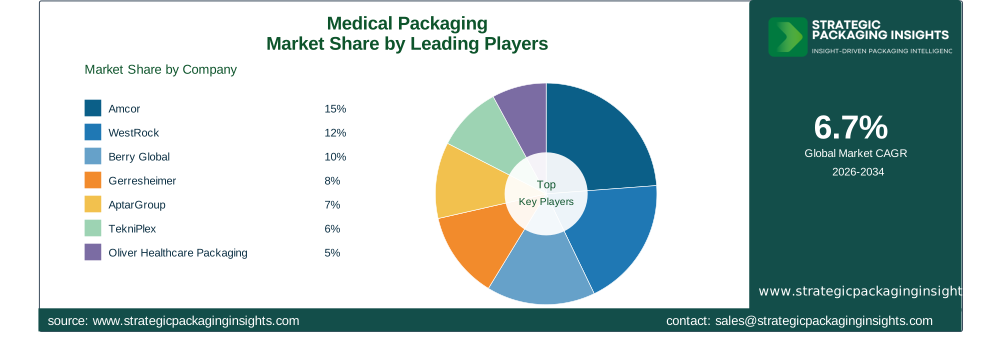
Amcor, a global leader in packaging solutions, is known for its innovative and sustainable packaging products. The company has a strong focus on research and development, continuously introducing new products that meet the stringent safety and quality standards of the healthcare industry. WestRock, another major player, offers a comprehensive range of packaging solutions, including cartons, containers, and displays, catering to various segments of the medical packaging market. The company's commitment to sustainability and customer-centric approach has helped it maintain a strong market presence.
Berry Global is a prominent player in the medical packaging market, offering a wide range of products, including films, containers, and closures. The company's focus on sustainability and innovation has enabled it to capture a significant share of the market. Gerresheimer, a leading manufacturer of glass and plastic products, is known for its high-quality packaging solutions for the pharmaceutical and healthcare industries. The company's strong emphasis on quality and customer satisfaction has helped it establish a solid reputation in the market.
AptarGroup is another key player in the medical packaging market, offering innovative dispensing and sealing solutions. The company's focus on research and development and its commitment to sustainability have enabled it to maintain a competitive edge. TekniPlex, Oliver Healthcare Packaging, DuPont, Nelipak, and Sonoco are also significant players in the market, each contributing to the industry's growth through their unique product offerings and strategic initiatives.
Key Highlights
- Market Size: The medical packaging market is projected to grow from USD 67.43 billion in 2025 to USD 120.87 billion by 2034.
- Growth Rate: The market is expected to grow at a CAGR of 6.7% during the forecast period.
- Leading Companies: Key players include Amcor, WestRock, Berry Global, and Gerresheimer.
- Innovative Technologies: Smart packaging solutions like RFID and QR codes are gaining traction.
- Sustainability Focus: Companies are adopting eco-friendly materials and practices.
- Regional Growth: Asia Pacific and Latin America offer significant growth opportunities.
- Regulatory Compliance: Stringent regulations drive innovation and quality assurance.
Medical Packaging Market Segments Insights

Packaging Type Analysis
The medical packaging market is segmented by packaging type into pouches, trays, blisters, and bottles. Pouches are gaining popularity due to their lightweight nature and ability to provide a sterile barrier, making them ideal for medical devices and pharmaceuticals. Companies like Amcor and Oliver Healthcare Packaging are focusing on developing advanced pouch designs that offer enhanced protection and ease of use. Trays, on the other hand, are preferred for surgical kits and diagnostic products, as they provide a secure and organized packaging solution. The demand for blister packaging is also on the rise, driven by its ability to protect products from moisture and contamination, making it suitable for pharmaceuticals.
Bottles remain a staple in the medical packaging market, particularly for liquid pharmaceuticals and over-the-counter medications. The use of child-resistant and tamper-evident closures is becoming increasingly important, as it ensures product safety and compliance with regulatory standards. Companies like Berry Global and Gerresheimer are investing in innovative bottle designs that cater to the specific needs of the healthcare industry. Overall, the packaging type segment is witnessing significant growth, driven by the increasing demand for safe and reliable packaging solutions in the medical sector.
Material Type Analysis
The material type segment of the medical packaging market includes plastic, paper, glass, and Tyvek. Plastic remains the most widely used material, owing to its versatility, durability, and cost-effectiveness. Companies like DuPont and TekniPlex are focusing on developing high-performance plastic materials that meet the stringent safety and quality standards of the healthcare industry. The use of biodegradable and recyclable plastics is also gaining traction, as companies strive to reduce their environmental impact and align with sustainability goals.
Paper and glass are also important materials in the medical packaging market, offering unique benefits such as recyclability and barrier properties. Paper is commonly used for secondary packaging, while glass is preferred for products that require high levels of protection and stability, such as injectable drugs. Tyvek, a non-woven material, is gaining popularity for its breathability and ability to provide a sterile barrier, making it ideal for medical device packaging. The material type segment is expected to witness significant growth, driven by the increasing demand for innovative and sustainable packaging solutions.
Application Analysis
The medical packaging market is segmented by application into medical devices, pharmaceuticals, diagnostics, and surgical kits. The pharmaceutical segment holds the largest share, driven by the increasing demand for safe and effective packaging solutions for drugs and biologics. Companies like Gerresheimer and AptarGroup are focusing on developing innovative packaging solutions that ensure product integrity and compliance with regulatory standards. The medical devices segment is also witnessing significant growth, driven by the increasing demand for advanced packaging solutions that provide protection and ease of use.
Diagnostics and surgical kits are other important applications in the medical packaging market, requiring packaging solutions that offer protection and organization. The use of smart packaging technologies, such as RFID tags and QR codes, is gaining traction in these segments, as it enhances product traceability and patient safety. Overall, the application segment is expected to witness robust growth, driven by the increasing demand for safe and reliable packaging solutions in the healthcare sector.
End Use Analysis
The end-use segment of the medical packaging market includes hospitals, pharma companies, medical device companies, and CDMOs. Hospitals are the largest end-users, driven by the increasing demand for sterile and reliable packaging solutions for medical devices and pharmaceuticals. Companies like Sonoco and Nelipak are focusing on developing packaging solutions that cater to the specific needs of hospitals, ensuring product safety and compliance with regulatory standards.
Pharma companies and medical device companies are also significant end-users, requiring packaging solutions that ensure product integrity and compliance with regulatory standards. The use of smart packaging technologies is gaining traction in these segments, as it enhances product traceability and patient safety. CDMOs, or contract development and manufacturing organizations, are another important end-user group, requiring packaging solutions that offer flexibility and scalability. Overall, the end-use segment is expected to witness significant growth, driven by the increasing demand for safe and reliable packaging solutions in the healthcare sector.
Medical Packaging Market Segments
The Medical Packaging market has been segmented on the basis ofBy Packaging Type
- Pouches
- Trays
- Blisters
- Bottles
By Material Type
- Plastic
- Paper
- Glass
- Tyvek
By Application
- Medical Devices
- Pharmaceuticals
- Diagnostics
- Surgical Kits
By End Use
- Hospitals
- Pharma Companies
- Medical Device Companies
- CDMOs
Region
- Asia Pacific
- North America
- Latin America
- Europe
- Middle East & Africa




