


Beverage Can Ends Market Outlook
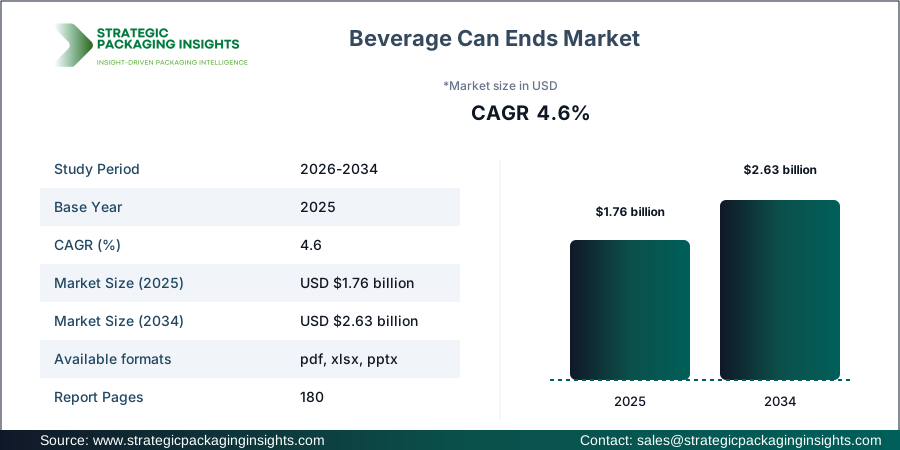
The Beverage Can Ends market was valued at $1.76 billion in 2025 and is projected to reach $2.63 billion by 2034, growing at a CAGR of 4.6% during the forecast period 2026-2034. This market is witnessing significant growth due to the increasing demand for canned beverages, driven by consumer preferences for convenience and portability. The rise in consumption of ready-to-drink beverages, including soft drinks, alcoholic beverages, and energy drinks, is a major factor propelling the market. Additionally, the growing trend of sustainable packaging solutions is encouraging manufacturers to innovate in can end designs, further boosting market growth. The market is also benefiting from advancements in canning technology, which enhance the shelf life and quality of beverages, making them more appealing to consumers.
However, the market faces challenges such as stringent environmental regulations and the need for significant capital investment in manufacturing facilities. Despite these challenges, the market holds substantial growth potential, particularly in emerging economies where the demand for canned beverages is rising rapidly. The increasing focus on recycling and the use of eco-friendly materials in can production are expected to create new opportunities for market players. Moreover, the development of lightweight and cost-effective can ends is anticipated to drive market expansion. As consumer awareness about health and wellness grows, the demand for beverages with natural and organic ingredients packaged in cans is also expected to rise, further supporting market growth.
Report Scope
| Attributes | Details |
| Report Title | Beverage Can Ends Market Size, Future Growth and Forecast 2034 |
| Product Type | Stay-On-Tab Ends, Sanitary Ends, Easy-Open Ends |
| Material Type | Aluminum, Steel, Tinplate |
| Application | Soft Drinks, Alcoholic Beverages, Energy Drinks, Canned Foods |
| End Use | Beverage Companies, Can Manufacturers, Food Processors, Retailers |
| Region | Asia Pacific, North America, Latin America, Europe, Middle East & Africa |
| Base Year | 2025 |
| Historic Period | 2018-2024 |
| Forecast Period | 2026-2034 |
| Number of Pages | 180 |
| Customization Available | Yes* |
Opportunities & Threats
The Beverage Can Ends market presents numerous opportunities, particularly in the realm of sustainable packaging. As environmental concerns continue to rise, there is a growing demand for eco-friendly packaging solutions. This trend is pushing manufacturers to develop can ends that are not only recyclable but also made from sustainable materials. The shift towards aluminum, which is highly recyclable, is a significant opportunity for market players. Additionally, the increasing popularity of craft beverages, including craft beer and artisanal soft drinks, is creating a niche market for premium can ends that offer unique designs and enhanced functionality. This trend is expected to drive innovation and open new avenues for growth in the market.
Another opportunity lies in the expansion of the beverage industry in emerging markets. As disposable incomes rise and urbanization increases, there is a growing demand for convenient and portable beverage options. This is particularly evident in countries like India and China, where the middle class is expanding rapidly. The increasing penetration of modern retail formats and the growth of e-commerce are also contributing to the demand for canned beverages, thereby boosting the market for can ends. Furthermore, the development of new beverage categories, such as functional drinks and plant-based beverages, is expected to create additional demand for innovative can end solutions.
Despite these opportunities, the market faces certain threats that could hinder its growth. One of the primary challenges is the volatility in raw material prices, particularly aluminum and steel, which can impact production costs and profit margins. Additionally, the market is subject to stringent regulations regarding food safety and packaging materials, which can increase compliance costs for manufacturers. The competition from alternative packaging solutions, such as plastic and glass, also poses a threat to the market. These materials are often perceived as more versatile and cost-effective, which could limit the growth of the can ends market.
Drivers & Challenges
The Beverage Can Ends market is driven by several key factors, including the increasing demand for convenience and portability in beverage consumption. Consumers today are looking for products that fit their fast-paced lifestyles, and canned beverages offer a convenient solution. The rise in on-the-go consumption, particularly among millennials and Gen Z, is a significant driver for the market. Additionally, the growing trend of premiumization in the beverage industry is leading to the development of high-quality can ends that enhance the overall consumer experience. This includes features such as easy-open ends and resealable options, which add value to the product and attract consumers.
Another major driver is the focus on sustainability and environmental responsibility. As consumers become more environmentally conscious, there is a growing demand for packaging solutions that minimize environmental impact. This has led to an increased use of recyclable materials, such as aluminum, in can end production. The beverage industry is also seeing a shift towards lightweight packaging, which reduces material usage and transportation costs. These trends are encouraging manufacturers to innovate and develop new can end designs that meet consumer expectations for sustainability and functionality.
However, the market also faces several challenges that could impact its growth. One of the primary challenges is the high cost of raw materials, particularly aluminum and steel, which can affect the profitability of manufacturers. Additionally, the market is subject to stringent regulations regarding food safety and packaging materials, which can increase compliance costs and create barriers to entry for new players. The competition from alternative packaging solutions, such as plastic and glass, also poses a challenge to the market. These materials are often perceived as more versatile and cost-effective, which could limit the growth of the can ends market. Furthermore, the ongoing trade tensions and tariffs on metal imports could impact the supply chain and increase production costs for manufacturers.
Market Share Analysis
The competitive landscape of the Beverage Can Ends market is characterized by the presence of several key players who dominate the market. These companies are focusing on strategic initiatives such as mergers and acquisitions, partnerships, and product innovations to strengthen their market position. The market is highly consolidated, with a few major players holding a significant share. This consolidation is driven by the need for economies of scale and the ability to invest in advanced manufacturing technologies. The leading companies in the market are also focusing on expanding their production capacities and enhancing their distribution networks to cater to the growing demand for can ends.
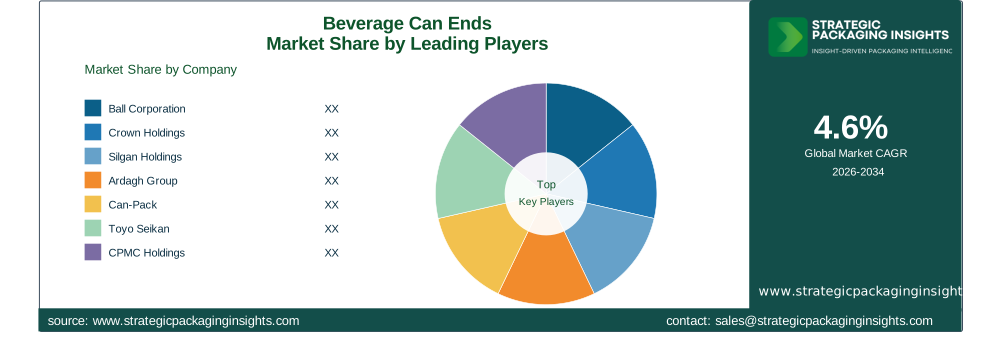
Ball Corporation is one of the leading players in the market, known for its innovative packaging solutions and strong focus on sustainability. The company has a significant market share and is continuously investing in research and development to introduce new products that meet consumer demands. Crown Holdings is another major player, with a strong presence in the global market. The company is known for its wide range of can end products and its commitment to quality and customer satisfaction. Silgan Holdings is also a key player, offering a diverse portfolio of packaging solutions for the beverage industry.
Ardagh Group is a prominent player in the market, with a focus on providing sustainable packaging solutions. The company has a strong presence in Europe and North America and is expanding its operations in emerging markets. Can-Pack is another leading company, known for its innovative can end designs and commitment to sustainability. The company has a strong market presence in Europe and is expanding its operations in Asia and Latin America. Toyo Seikan is a major player in the Asian market, offering a wide range of packaging solutions for the beverage industry.
Other notable players in the market include CPMC Holdings, Orora, Envases Group, and Baosteel Packaging. These companies are focusing on expanding their product portfolios and enhancing their production capabilities to meet the growing demand for can ends. The competitive landscape is characterized by intense competition, with companies striving to differentiate themselves through product innovation and customer service. The market is also witnessing a trend of strategic collaborations and partnerships, as companies seek to leverage each other's strengths and expand their market reach.
Key Highlights
- The Beverage Can Ends market is projected to grow from $1.76 billion in 2025 to $2.63 billion by 2034, at a CAGR of 4.6%.
- Increasing demand for canned beverages, driven by convenience and portability, is a major growth driver.
- Sustainability trends are pushing manufacturers to develop eco-friendly and recyclable can ends.
- Emerging markets, particularly in Asia and Latin America, offer significant growth opportunities.
- Premiumization in the beverage industry is leading to the development of high-quality can ends.
- Volatility in raw material prices and stringent regulations are key challenges for the market.
- Key players in the market include Ball Corporation, Crown Holdings, Silgan Holdings, and Ardagh Group.
- Innovation in can end designs, such as easy-open and resealable options, is a key trend.
- The market is highly consolidated, with a few major players holding a significant share.
Top Countries Insights
In the Beverage Can Ends market, the United States stands out as a leading country with a market size of approximately $500 million and a CAGR of 3%. The growth in the U.S. is driven by the high consumption of canned beverages, particularly soft drinks and craft beers. The country's focus on sustainability and recycling is also encouraging the use of aluminum can ends. Additionally, the presence of major beverage companies and advanced manufacturing facilities supports market growth.
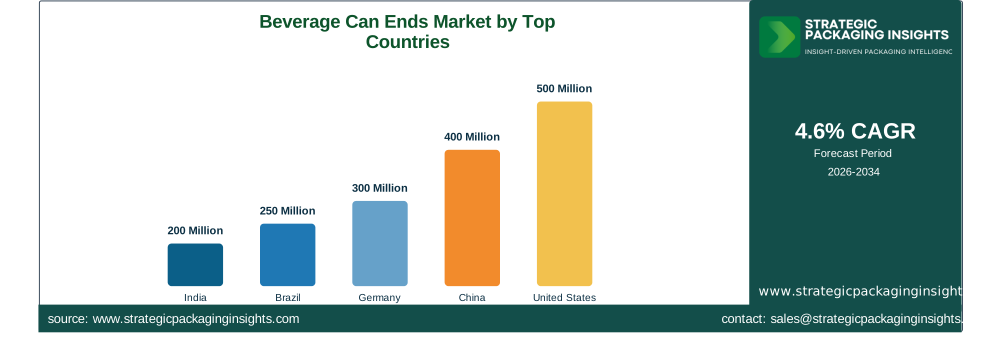
China is another significant market, with a market size of around $400 million and a CAGR of 5%. The rapid urbanization and rising disposable incomes in China are driving the demand for convenient beverage options. The government's initiatives to promote sustainable packaging and reduce plastic waste are also boosting the market for aluminum can ends. The growing popularity of energy drinks and functional beverages is further contributing to market expansion.
Germany, with a market size of approximately $300 million and a CAGR of 4%, is a key player in the European market. The country's strong focus on environmental sustainability and recycling is driving the demand for eco-friendly can ends. The presence of leading beverage companies and a well-established recycling infrastructure supports market growth. Additionally, the increasing consumption of canned alcoholic beverages is contributing to market expansion.
Brazil, with a market size of around $250 million and a CAGR of 6%, is a prominent market in Latin America. The country's growing middle class and increasing consumption of canned beverages, particularly beer, are driving market growth. The government's focus on promoting sustainable packaging solutions is also encouraging the use of recyclable can ends. The expansion of modern retail formats and the growth of e-commerce are further supporting market development.
India, with a market size of approximately $200 million and a CAGR of 7%, is an emerging market with significant growth potential. The rising disposable incomes and changing consumer preferences towards convenient beverage options are driving the demand for canned beverages. The government's initiatives to promote sustainable packaging and reduce plastic waste are also boosting the market for aluminum can ends. The increasing popularity of ready-to-drink beverages and the expansion of modern retail formats are further contributing to market growth.
Beverage Can Ends Market Segments Insights

Product Type Analysis
The Beverage Can Ends market is segmented by product type into stay-on-tab ends, sanitary ends, and easy-open ends. Stay-on-tab ends are the most commonly used type, offering convenience and ease of use for consumers. These ends are designed to remain attached to the can, reducing litter and enhancing consumer safety. The demand for stay-on-tab ends is driven by their widespread use in soft drinks and alcoholic beverages. Sanitary ends, on the other hand, are primarily used in canned foods and beverages that require a higher level of hygiene. These ends are designed to prevent contamination and ensure product safety, making them ideal for sensitive products.
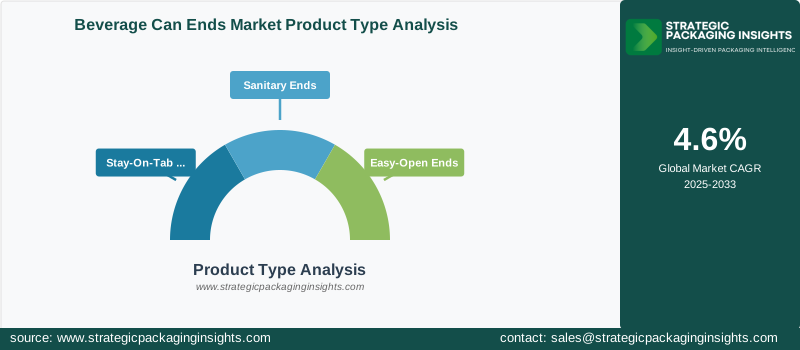
Easy-open ends are gaining popularity due to their convenience and user-friendly design. These ends are particularly favored in the canned food industry, where ease of access is a key consideration for consumers. The demand for easy-open ends is also driven by the growing trend of premiumization in the beverage industry, where consumers are willing to pay a premium for products that offer enhanced convenience and functionality. The development of resealable can ends is an emerging trend in this segment, offering consumers the ability to reseal the can and preserve the freshness of the product.
Material Type Analysis
The market is also segmented by material type into aluminum, steel, and tinplate. Aluminum is the most widely used material for can ends, owing to its lightweight, durability, and recyclability. The demand for aluminum can ends is driven by the growing focus on sustainability and the need for eco-friendly packaging solutions. Aluminum can ends are also favored for their ability to preserve the taste and quality of beverages, making them ideal for a wide range of applications. Steel can ends, while less common, are used in certain applications where strength and durability are critical considerations.

Tinplate can ends are primarily used in the canned food industry, where they offer excellent protection against corrosion and contamination. The demand for tinplate can ends is driven by their cost-effectiveness and versatility, making them suitable for a wide range of products. However, the market for tinplate can ends is facing competition from alternative materials, such as aluminum, which offer superior sustainability and performance characteristics. The development of new coatings and finishes for tinplate can ends is an emerging trend, aimed at enhancing their performance and extending their shelf life.
Application Analysis
The Beverage Can Ends market is segmented by application into soft drinks, alcoholic beverages, energy drinks, and canned foods. Soft drinks represent the largest application segment, driven by the high consumption of carbonated beverages and the growing demand for convenient packaging solutions. The demand for can ends in the soft drinks segment is also supported by the increasing popularity of ready-to-drink beverages and the expansion of modern retail formats. Alcoholic beverages, particularly beer, are another major application segment, with the demand for can ends driven by the growing trend of craft beer and the increasing consumption of canned alcoholic beverages.
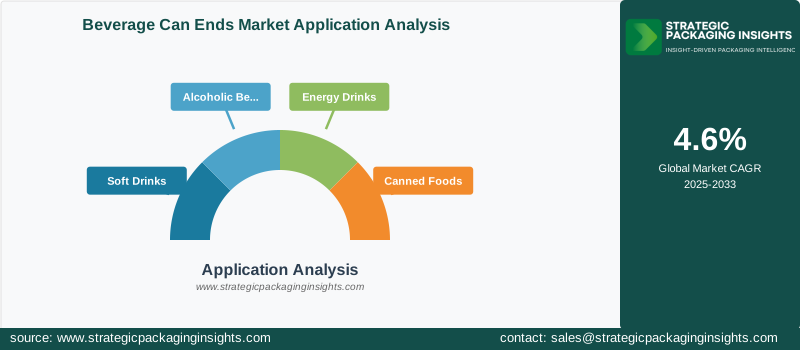
Energy drinks are a rapidly growing application segment, driven by the increasing demand for functional beverages and the growing popularity of on-the-go consumption. The demand for can ends in the energy drinks segment is also supported by the development of new product formulations and the expansion of distribution networks. Canned foods represent a smaller application segment, with the demand for can ends driven by the need for convenient and long-lasting packaging solutions. The development of new can end designs, such as easy-open and resealable options, is an emerging trend in this segment, aimed at enhancing consumer convenience and product safety.
End Use Analysis
The market is segmented by end use into beverage companies, can manufacturers, food processors, and retailers. Beverage companies represent the largest end-use segment, driven by the high demand for canned beverages and the need for innovative packaging solutions. The demand for can ends in the beverage companies segment is also supported by the growing trend of premiumization and the increasing focus on sustainability. Can manufacturers are another major end-use segment, with the demand for can ends driven by the need for efficient and cost-effective production processes.
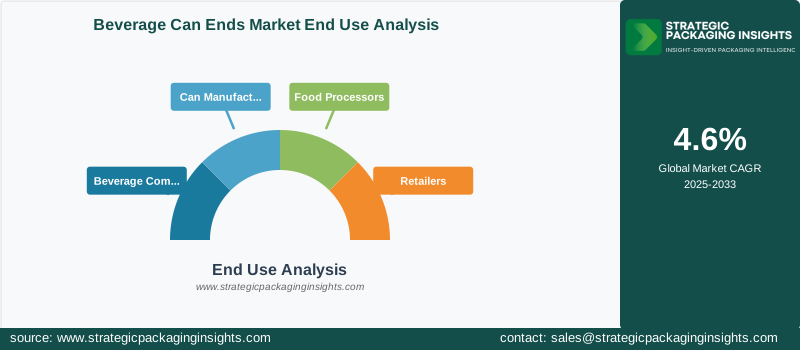
Food processors represent a smaller end-use segment, with the demand for can ends driven by the need for convenient and long-lasting packaging solutions. The development of new can end designs, such as easy-open and resealable options, is an emerging trend in this segment, aimed at enhancing consumer convenience and product safety. Retailers represent a niche end-use segment, with the demand for can ends driven by the need for attractive and functional packaging solutions that enhance the consumer experience. The growing trend of private label products is also supporting the demand for can ends in the retailers segment.
Beverage Can Ends Market Segments
The Beverage Can Ends market has been segmented on the basis ofProduct Type
- Stay-On-Tab Ends
- Sanitary Ends
- Easy-Open Ends
Material Type
- Aluminum
- Steel
- Tinplate
Application
- Soft Drinks
- Alcoholic Beverages
- Energy Drinks
- Canned Foods
End Use
- Beverage Companies
- Can Manufacturers
- Food Processors
- Retailers
Region
- Asia Pacific
- North America
- Latin America
- Europe
- Middle East & Africa




