
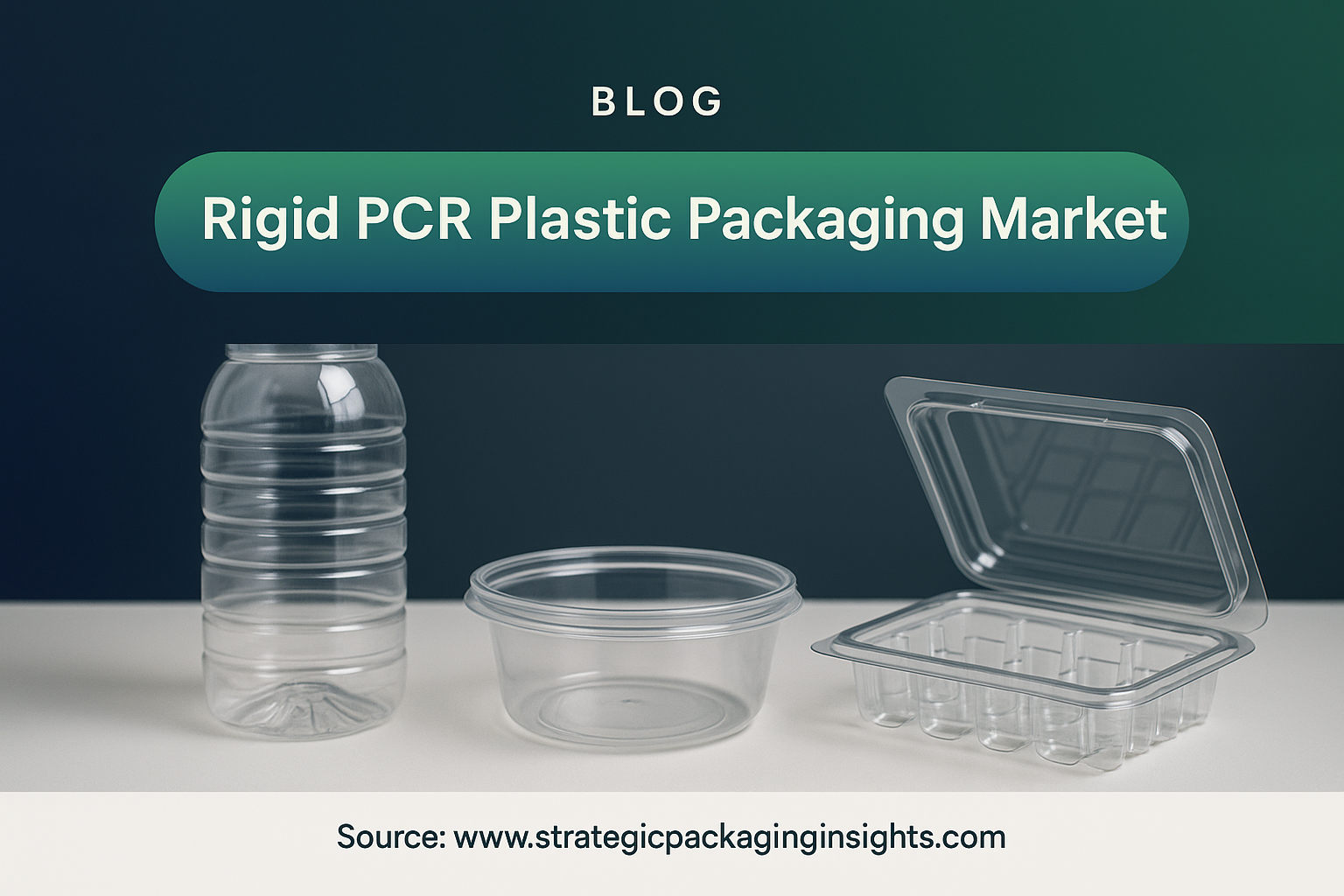
Dive into the Rigid PCR Plastic Packaging Market, analyzing its growth from 2017 to 2033. Discover key drivers, market size implications, segment intelligence, and strategic recommendations.
Market Storyline (Historic to Forecast)
The Rigid PCR Plastic Packaging Market has undergone significant transformation from 2017 to 2023, driven by increasing environmental awareness and regulatory pressures. The historic period saw a gradual shift towards sustainable packaging solutions, with businesses and consumers alike demanding more eco-friendly options. As we look towards the forecast period of 2025 to 2033, this market is poised for robust growth, fueled by technological advancements and heightened consumer consciousness regarding sustainability.
https://www.strategicpackaginginsights.com/report/rigid-pcr-plastic-packaging-market
During the historic period, the market experienced steady growth as companies began integrating post-consumer recycled (PCR) plastics into their packaging solutions. This trend is expected to accelerate, with the forecast period promising innovations that enhance the quality and usability of PCR plastics, making them more competitive with virgin materials.
What Drives Growth
The growth of the Rigid PCR Plastic Packaging Market is primarily driven by several key factors. Firstly, stringent environmental regulations are compelling manufacturers to adopt sustainable practices, including the use of PCR plastics. Secondly, consumer demand for eco-friendly products is at an all-time high, pushing brands to innovate in their packaging solutions. Additionally, advancements in recycling technologies are improving the quality and cost-effectiveness of PCR plastics, making them a viable alternative to traditional materials.
Moreover, the increasing focus on circular economy principles is encouraging companies to invest in closed-loop systems, further boosting the demand for PCR plastics. The combination of these factors is expected to sustain the market's growth trajectory over the forecast period.
Market Size Interpretation
The base year market size of the Rigid PCR Plastic Packaging Market was valued at $12.5 billion in 2024. By 2033, the market is projected to reach $21.8 billion, reflecting a compound annual growth rate (CAGR) of 6.5%. This substantial growth indicates a strong market potential, driven by the aforementioned factors.
The implications of this growth are significant for stakeholders across the value chain. For manufacturers, the expanding market size presents opportunities to scale operations and invest in new technologies. For consumers, the increased availability of PCR plastic packaging options aligns with their growing preference for sustainable products. Overall, the market's growth underscores the importance of sustainability in driving business success.
Segment Intelligence
| Segment | Strategic Insights |
|---|---|
| Material Type | Polyethylene, Polypropylene, and Polyethylene Terephthalate are leading materials, with each offering unique benefits in terms of durability and recyclability. Companies should focus on optimizing these materials for specific applications to enhance market competitiveness. |
| Application | The Food & Beverage sector is the largest application segment, driven by the need for safe and sustainable packaging. Healthcare and Personal Care are also significant, with increasing demand for hygienic and eco-friendly solutions. |
| End-User | Retail and Institutional end-users are primary drivers of demand, as they seek to meet consumer expectations for sustainable packaging. Industrial end-users are also adopting PCR plastics to align with corporate sustainability goals. |
End-User Implications
For end-users, the shift towards PCR plastic packaging offers several advantages. Retailers can enhance their brand image by offering products in sustainable packaging, appealing to environmentally conscious consumers. Institutional buyers, such as hospitals and schools, can meet regulatory requirements and reduce their environmental footprint by adopting PCR solutions. Industrial users benefit from the cost savings associated with using recycled materials, as well as the potential for improved supply chain sustainability.
Investment & Strategy Lens
Investors and strategists should focus on companies that are leading in innovation and sustainability within the Rigid PCR Plastic Packaging Market. Key areas for investment include recycling technology advancements, material science innovations, and the development of closed-loop systems. Companies that can effectively integrate these elements into their operations are likely to gain a competitive edge.
Strategically, businesses should prioritize partnerships with recycling firms and invest in R&D to enhance the quality and performance of PCR plastics. Additionally, marketing efforts should highlight the sustainability benefits of PCR packaging to attract eco-conscious consumers.
SWOT Matrix
| Strengths | Weaknesses | Opportunities | Threats |
|---|---|---|---|
| Strong demand for sustainable packaging solutions. | Higher cost compared to traditional plastics. | Expansion into emerging markets with growing environmental awareness. | Fluctuating raw material prices and supply chain disruptions. |
| Advancements in recycling technologies. | Limited availability of high-quality PCR materials. | Technological innovations improving material quality. | Regulatory changes impacting material usage. |
Packaging Trends Shaping This Market
Several packaging trends are shaping the Rigid PCR Plastic Packaging Market. The rise of smart packaging, which integrates technology to enhance functionality and consumer engagement, is gaining traction. Additionally, the trend towards minimalistic and transparent packaging is driving demand for PCR plastics that offer clarity and aesthetic appeal.
Another significant trend is the increasing use of bioplastics in conjunction with PCR materials, offering a hybrid solution that maximizes sustainability. These trends are expected to influence product development and marketing strategies in the coming years.
Outlook & Strategic Recommendations
The outlook for the Rigid PCR Plastic Packaging Market is positive, with strong growth anticipated over the forecast period. To capitalize on this opportunity, companies should focus on enhancing their recycling capabilities and investing in material innovations. Strategic partnerships with technology providers and recycling firms can provide a competitive advantage.
Furthermore, businesses should prioritize sustainability in their branding and marketing efforts, highlighting the environmental benefits of their packaging solutions. By aligning with consumer values and regulatory requirements, companies can position themselves as leaders in the sustainable packaging market.