


Self-Storage Market Outlook
The Self-Storage market size was valued at USD $68.47 Billion in 2025 and is anticipated to reach USD $111.55 Billion by 2035, growing at a CAGR of 5.0% during the forecast period according to Strategic Packaging Insights.
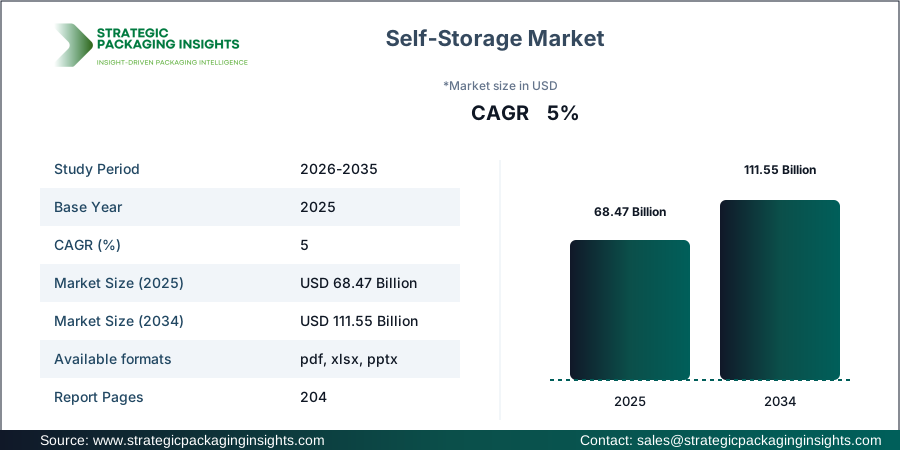
The most impactful market driver is the increasing urbanization and the rise in residential demand for storage solutions. As urban areas become more densely populated, the need for additional storage space outside of residential properties grows. This trend is supported by the increasing number of small businesses and startups requiring flexible storage solutions, further driving the demand for self-storage facilities.
Report Scope
| Attributes | Details |
| Report Title | Self-Storage Market Projected to Scale to 111.55 Billion by 2035, Assesses Strategic Packaging Insights |
| By storage type | Indoor Storage, Outdoor Storage, Climate-Controlled Storage, Portable Storage |
| By end user | Residential, Commercial, Industrial, Government |
| By unit size | Small Units, Medium Units, Large Units, Extra Large Units |
| By service | Self-Service, Full-Service |
| By facility type | Traditional Self-Storage, Container-Based Storage, Drive-Up Storage, Mobile Storage, Automated Storage |
| Region | Asia Pacific, North America, Latin America, Europe, Middle East & Africa |
| Base Year | 2025 |
| Historic Period | 2018-2024 |
| Forecast Period | 2026-2035 |
| Number of Pages | 204 |
| Customization Available | Yes* |
Market Trends Analysis
One major trend in the Self-Storage market is the shift towards climate-controlled storage units. As consumers become more aware of the need to protect their belongings from extreme temperatures and humidity, the demand for climate-controlled units is rising. This trend is particularly strong in regions with extreme weather conditions, influencing market growth and competitive positioning. Companies are investing in technology to offer enhanced climate control features, which is expected to drive innovation and customer satisfaction.
Another significant trend is the adoption of digital platforms for managing self-storage facilities. Automation and AI are being integrated into operations to streamline processes such as booking, payments, and access control. This digital transformation is enhancing customer experience and operational efficiency, leading to increased investment in technology by storage facility operators. The trend towards automation is expected to continue, providing opportunities for growth and differentiation in the market.
Industry Transformation Analysis
The self-storage industry is undergoing significant transformation with the integration of advanced technologies and automation. Companies are increasingly adopting digital solutions to enhance operational efficiency and customer experience. This includes the use of AI for predictive maintenance, automated access control systems, and online booking platforms. These technological advancements are reshaping the industry landscape, enabling companies to offer more personalized and efficient services.
Additionally, the industry is witnessing a shift towards sustainable practices. Many operators are investing in eco-friendly facilities and energy-efficient technologies to reduce their carbon footprint. This sustainability integration is becoming a key differentiator in the market, as consumers and businesses alike prioritize environmentally responsible options. The focus on sustainability is expected to drive long-term growth and competitiveness in the self-storage industry.
Trends & Disruptions Impacting Customers' Customers
Downstream customers, including residential users and small businesses, are increasingly seeking flexible and convenient storage solutions. The rise of e-commerce and remote work has led to a surge in demand for storage space to accommodate inventory and personal belongings. This shift in consumer behavior is driving the need for innovative storage solutions that offer convenience, security, and accessibility.
As a result, self-storage providers are focusing on enhancing their service offerings to meet these evolving needs. This includes the development of mobile storage solutions and the integration of digital platforms for seamless customer interaction. The emphasis on convenience and flexibility is influencing purchasing decisions and creating new market opportunities for self-storage operators. Companies that can adapt to these changing demands are likely to gain a competitive edge and drive future growth.
Self-Storage Market Ecosystem
The self-storage market ecosystem involves a complex network of relationships between construction companies, technology providers, and end users. Storage facility construction is a critical stage, requiring collaboration with architects and contractors to develop efficient and secure facilities. Technology providers play a vital role in supplying digital platforms and automation solutions that enhance operational efficiency and customer experience.
Leasing of storage units is the primary revenue-generating activity, with companies offering various unit sizes and services to meet diverse customer needs. Maintenance and operations are essential for ensuring the longevity and functionality of storage facilities. End users, including residential, commercial, and industrial customers, drive demand for storage solutions, influencing market dynamics and growth opportunities.
Analyst Perspective
Analyst Perspective: The self-storage market is poised for significant growth, driven by urbanization and the increasing need for flexible storage solutions.
The most important structural change is the integration of digital technologies, which is enhancing operational efficiency and customer experience. Companies that invest in automation and AI are likely to gain a competitive advantage.
Market participants should watch for advancements in climate-controlled storage and the adoption of sustainable practices, as these factors are expected to shape future demand and competitive dynamics.
Opportunities & Threats
The self-storage market presents significant opportunities for growth, particularly in emerging markets where urbanization is driving demand for additional storage space. Companies can capitalize on this trend by expanding their presence in these regions and offering innovative storage solutions that cater to local needs. Additionally, the increasing adoption of digital platforms and automation technologies provides opportunities for enhancing operational efficiency and customer experience.
Another opportunity lies in the development of climate-controlled storage units, which are becoming increasingly popular among consumers seeking to protect their belongings from extreme weather conditions. Companies that invest in advanced climate control technologies can differentiate themselves in the market and attract a broader customer base. Furthermore, the focus on sustainability and eco-friendly practices offers opportunities for companies to align with consumer preferences and enhance their brand reputation.
However, the self-storage market also faces several threats, including regulatory challenges and zoning restrictions that can impact the development of new facilities. Companies must navigate these regulatory hurdles to ensure compliance and avoid potential legal issues. Additionally, the market is becoming increasingly competitive, with new entrants and existing players vying for market share. This competition can lead to pricing pressures and margin erosion, posing a threat to profitability.
Another threat is the potential for economic downturns, which can impact consumer spending and demand for storage solutions. Companies must be prepared to adapt to changing economic conditions and implement strategies to mitigate potential risks. Additionally, the reliance on technology and digital platforms introduces cybersecurity risks, which companies must address to protect customer data and maintain trust.
Drivers & Challenges
One of the primary drivers of the self-storage market is the increasing urbanization and the rise in residential demand for storage solutions. As urban areas become more densely populated, the need for additional storage space outside of residential properties grows. This trend is supported by the increasing number of small businesses and startups requiring flexible storage solutions, further driving the demand for self-storage facilities.
Another significant driver is the growing awareness of the benefits of climate-controlled storage units. Consumers are increasingly seeking storage solutions that protect their belongings from extreme temperatures and humidity, leading to a rise in demand for climate-controlled units. This trend is particularly strong in regions with extreme weather conditions, influencing market growth and competitive positioning.
However, the self-storage market also faces several challenges, including regulatory hurdles and zoning restrictions that can impact the development of new facilities. Companies must navigate these regulatory challenges to ensure compliance and avoid potential legal issues. Additionally, the market is becoming increasingly competitive, with new entrants and existing players vying for market share, leading to pricing pressures and margin erosion.
Market Share Analysis
The self-storage market is characterized by a competitive landscape with several key players dominating the industry. Companies such as Public Storage, Extra Space Storage, and CubeSmart hold significant market shares due to their extensive facility networks and strong brand recognition. These companies have invested heavily in expanding their presence across various regions, enabling them to capture a larger share of the market.
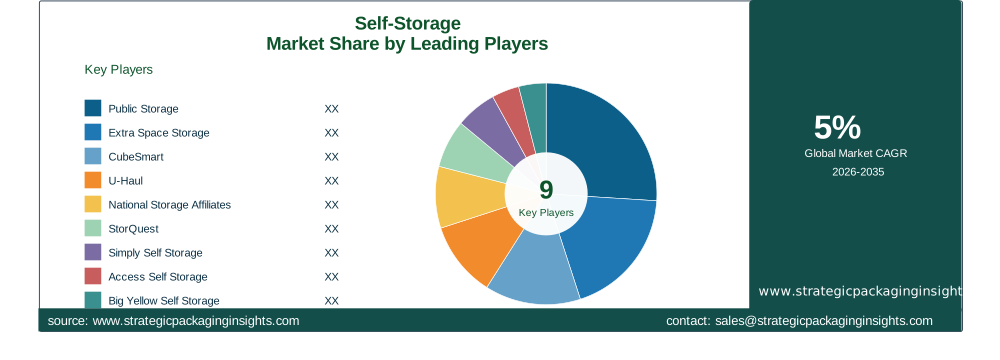
Public Storage is one of the largest players in the self-storage market, with a vast network of facilities across North America and Europe. The company's strong brand reputation and extensive service offerings have contributed to its competitive position in the market. Similarly, Extra Space Storage has established itself as a leading player through strategic acquisitions and facility expansions, enhancing its market presence and customer base.
CubeSmart is another prominent player in the self-storage market, known for its innovative storage solutions and customer-centric approach. The company's focus on technology integration and operational efficiency has enabled it to maintain a competitive edge in the industry. Additionally, U-Haul and National Storage Affiliates are key players that have leveraged their extensive networks and diverse service offerings to capture significant market shares.
The competitive landscape is further shaped by the presence of regional players such as StorQuest, Simply Self Storage, and Access Self Storage, which have established strong footholds in specific markets. These companies have focused on offering tailored storage solutions to meet the unique needs of their local customer base, contributing to their competitive strength and market positioning.
Key Highlights
- North America is the largest region in the self-storage market.
- Asia Pacific is the fastest-growing region, driven by urbanization and increasing demand for storage solutions.
- Indoor Storage is the largest segment, accounting for a significant share of the market.
- The self-storage market size was valued at USD 68.47 Billion in 2025.
- The market is projected to reach USD 111.55 Billion by 2035.
- The market is expected to grow at a CAGR of 5.0% during the forecast period.
- Residential demand is a major driver of the self-storage market.
- Climate-controlled storage units are gaining popularity among consumers.
- Digital transformation and automation are key trends shaping the market.
Regional Insights
The global self-storage market is dominated by North America, which holds the largest share due to the high demand for storage solutions in urban areas. The region's mature market and established infrastructure contribute to its leading position. However, Asia Pacific is the fastest-growing region, driven by rapid urbanization and increasing consumer awareness of self-storage benefits.
North America
North America is the largest region in the self-storage market, with a well-established infrastructure and high demand for storage solutions. The region's mature market is characterized by a high concentration of storage facilities and strong consumer awareness. The demand for self-storage is driven by urbanization, residential needs, and the growth of small businesses.
The presence of major players such as Public Storage and Extra Space Storage further strengthens the region's market position. These companies have invested in expanding their facility networks and enhancing their service offerings to meet the diverse needs of consumers. The focus on technology integration and sustainability is also shaping the market dynamics in North America.
Europe
Europe is a significant market for self-storage, with increasing demand for storage solutions in urban areas. The region's market is driven by the need for additional storage space due to urbanization and the growth of small businesses. The demand for climate-controlled storage units is also rising, particularly in regions with extreme weather conditions.
Companies such as Big Yellow Self Storage and Access Self Storage are key players in the European market, offering a range of storage solutions to meet diverse customer needs. The focus on sustainability and eco-friendly practices is becoming increasingly important in the region, influencing market dynamics and competitive positioning.
Asia Pacific
Asia Pacific is the fastest-growing region in the self-storage market, driven by rapid urbanization and increasing consumer awareness of self-storage benefits. The region's market is characterized by a growing demand for storage solutions in urban areas, particularly in countries such as China and India.
The focus on digital transformation and automation is shaping the market dynamics in Asia Pacific, with companies investing in technology to enhance operational efficiency and customer experience. The demand for climate-controlled storage units is also rising, driven by the need to protect belongings from extreme weather conditions.
Latin America
Latin America is an emerging market for self-storage, with increasing demand for storage solutions in urban areas. The region's market is driven by urbanization and the growth of small businesses, leading to a rising need for additional storage space.
The focus on digital platforms and automation is shaping the market dynamics in Latin America, with companies investing in technology to enhance operational efficiency and customer experience. The demand for climate-controlled storage units is also rising, driven by the need to protect belongings from extreme weather conditions.
Middle East & Africa
The Middle East & Africa region is experiencing growing demand for self-storage solutions, driven by urbanization and the need for additional storage space. The region's market is characterized by a rising demand for storage solutions in urban areas, particularly in countries such as the UAE and South Africa.
The focus on digital transformation and automation is shaping the market dynamics in the Middle East & Africa, with companies investing in technology to enhance operational efficiency and customer experience. The demand for climate-controlled storage units is also rising, driven by the need to protect belongings from extreme weather conditions.
Self-Storage Market Segments Insights

By Storage Type Analysis
The self-storage market is segmented by storage type, including indoor storage, outdoor storage, climate-controlled storage, and portable storage. Indoor storage is the largest segment, driven by the increasing demand for secure and accessible storage solutions in urban areas. The rise in residential and commercial demand for storage space is contributing to the growth of this segment.
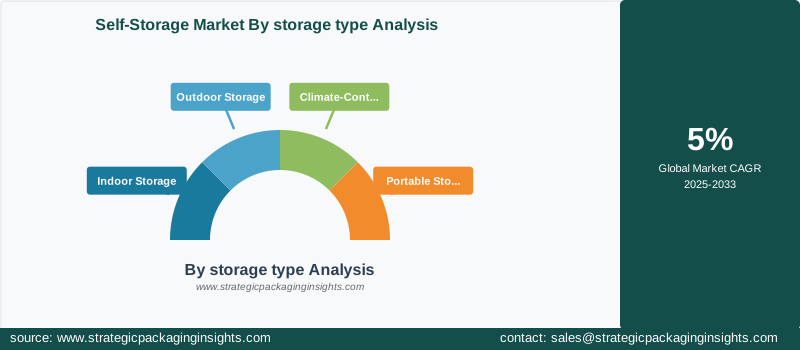
Climate-controlled storage is gaining popularity among consumers seeking to protect their belongings from extreme weather conditions. This segment is expected to witness significant growth, particularly in regions with harsh climates. Portable storage is also gaining traction, offering convenience and flexibility to consumers who require temporary storage solutions.
By End User Analysis
The self-storage market is segmented by end user, including residential, commercial, industrial, and government users. Residential users are the largest segment, driven by the increasing need for additional storage space in urban areas. The rise in urbanization and the growth of small businesses are contributing to the demand for residential storage solutions.
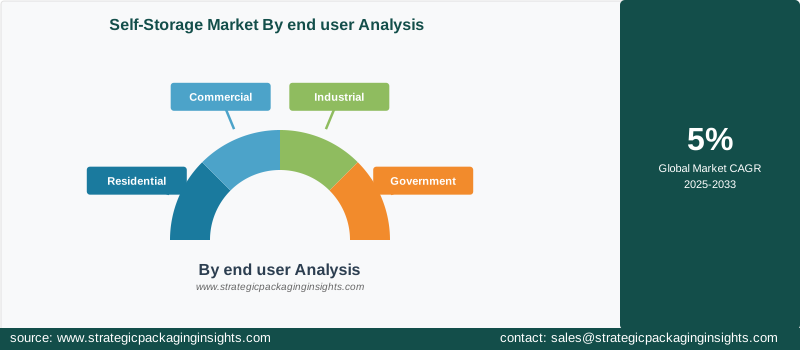
Commercial users are also a significant segment, with businesses seeking flexible storage solutions to accommodate inventory and equipment. The demand for industrial and government storage solutions is driven by the need for secure and accessible storage space for equipment and materials.
By Unit Size Analysis
The self-storage market is segmented by unit size, including small units, medium units, large units, and extra-large units. Small units are the largest segment, driven by the increasing demand for affordable and accessible storage solutions. The rise in residential and commercial demand for storage space is contributing to the growth of this segment.
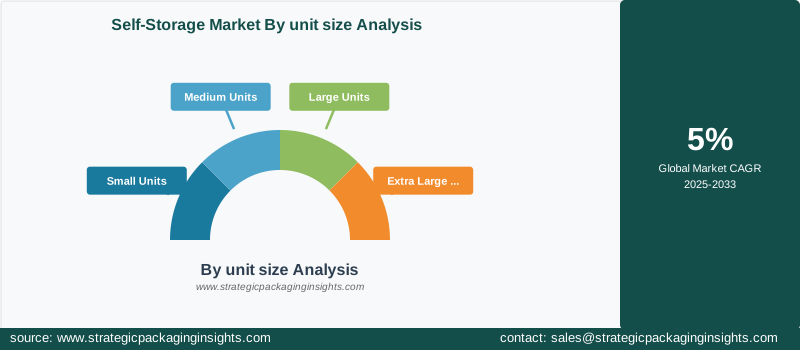
Medium and large units are also gaining popularity, offering more space for consumers with larger storage needs. The demand for extra-large units is driven by the need for secure and accessible storage space for equipment and materials.
By Service Analysis
The self-storage market is segmented by service, including self-service and full-service options. Self-service is the largest segment, driven by the increasing demand for affordable and accessible storage solutions. The rise in residential and commercial demand for storage space is contributing to the growth of this segment.
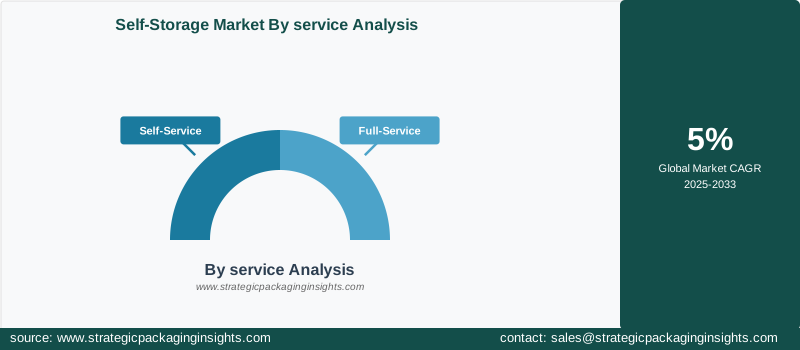
Full-service options are gaining popularity among consumers seeking convenience and flexibility. This segment is expected to witness significant growth, particularly in regions with high demand for storage solutions.
By Facility Type Analysis
The self-storage market is segmented by facility type, including traditional self-storage, container-based storage, drive-up storage, mobile storage, and automated storage. Traditional self-storage is the largest segment, driven by the increasing demand for secure and accessible storage solutions in urban areas.
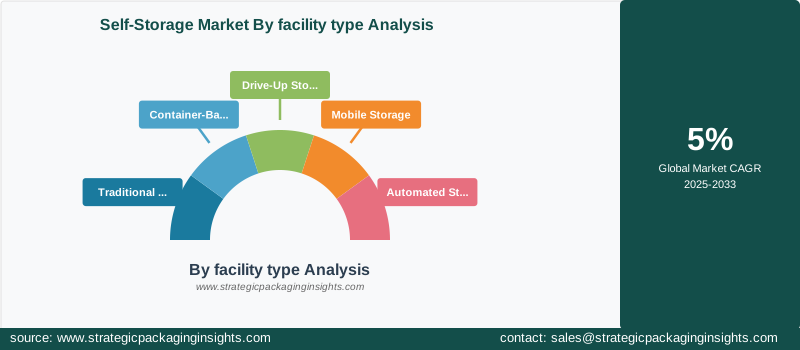
Container-based storage is gaining popularity among consumers seeking flexible and convenient storage solutions. The demand for drive-up storage is driven by the need for easy access to storage units, while mobile storage offers convenience and flexibility to consumers who require temporary storage solutions.
Top 10 Companies in the Self-Storage Market
Public Storage (USA)
Public Storage is a leading player in the self-storage market, offering a wide range of storage solutions across North America and Europe. The company's extensive facility network and strong brand reputation contribute to its competitive position. Recent developments include the expansion of its facility network and the integration of digital platforms to enhance customer experience.
Extra Space Storage (USA)
Extra Space Storage is a prominent player in the self-storage market, known for its strategic acquisitions and facility expansions. The company's focus on technology integration and operational efficiency has enabled it to maintain a competitive edge. Recent developments include the acquisition of new facilities and the implementation of advanced climate control technologies.
CubeSmart (USA)
CubeSmart is a key player in the self-storage market, offering innovative storage solutions and a customer-centric approach. The company's focus on technology integration and operational efficiency has enabled it to maintain a competitive edge. Recent developments include the expansion of its facility network and the integration of digital platforms to enhance customer experience.
U-Haul (USA)
U-Haul is a major player in the self-storage market, offering a wide range of storage solutions and services. The company's extensive network of facilities and diverse service offerings contribute to its competitive position. Recent developments include the expansion of its facility network and the integration of digital platforms to enhance customer experience.
National Storage Affiliates (USA)
National Storage Affiliates is a leading player in the self-storage market, known for its extensive network of facilities and strong brand reputation. The company's focus on technology integration and operational efficiency has enabled it to maintain a competitive edge. Recent developments include the acquisition of new facilities and the implementation of advanced climate control technologies.
StorQuest (USA)
StorQuest is a key player in the self-storage market, offering a wide range of storage solutions and services. The company's focus on technology integration and operational efficiency has enabled it to maintain a competitive edge. Recent developments include the expansion of its facility network and the integration of digital platforms to enhance customer experience.
Simply Self Storage (USA)
Simply Self Storage is a prominent player in the self-storage market, known for its extensive network of facilities and strong brand reputation. The company's focus on technology integration and operational efficiency has enabled it to maintain a competitive edge. Recent developments include the acquisition of new facilities and the implementation of advanced climate control technologies.
Access Self Storage (USA)
Access Self Storage is a major player in the self-storage market, offering a wide range of storage solutions and services. The company's extensive network of facilities and diverse service offerings contribute to its competitive position. Recent developments include the expansion of its facility network and the integration of digital platforms to enhance customer experience.
Big Yellow Self Storage is a leading player in the European self-storage market, known for its innovative storage solutions and customer-centric approach. The company's focus on technology integration and operational efficiency has enabled it to maintain a competitive edge. Recent developments include the expansion of its facility network and the integration of digital platforms to enhance customer experience.
Self-Storage Market Segments
The Self-Storage market has been segmented on the basis ofBy storage type
- Indoor Storage
- Outdoor Storage
- Climate-Controlled Storage
- Portable Storage
By end user
- Residential
- Commercial
- Industrial
- Government
By unit size
- Small Units
- Medium Units
- Large Units
- Extra Large Units
By service
- Self-Service
- Full-Service
By facility type
- Traditional Self-Storage
- Container-Based Storage
- Drive-Up Storage
- Mobile Storage
- Automated Storage
Region
- Asia Pacific
- North America
- Latin America
- Europe
- Middle East & Africa




