


Zero-Waste Refill Packaging Market Outlook
The Zero-Waste Refill Packaging market was valued at $1.95 billion in 2025 and is projected to reach $3.74 billion by 2034, growing at a CAGR of 7.5% during the forecast period 2026-2034. This market is driven by increasing consumer awareness about environmental sustainability and the growing demand for eco-friendly packaging solutions. The shift towards a circular economy and stringent government regulations on single-use plastics are further propelling the market growth. Companies are increasingly adopting refillable packaging solutions to reduce their carbon footprint and meet consumer demand for sustainable products. The market is also witnessing innovations in packaging materials and designs, which are enhancing the appeal and functionality of zero-waste refill packaging.
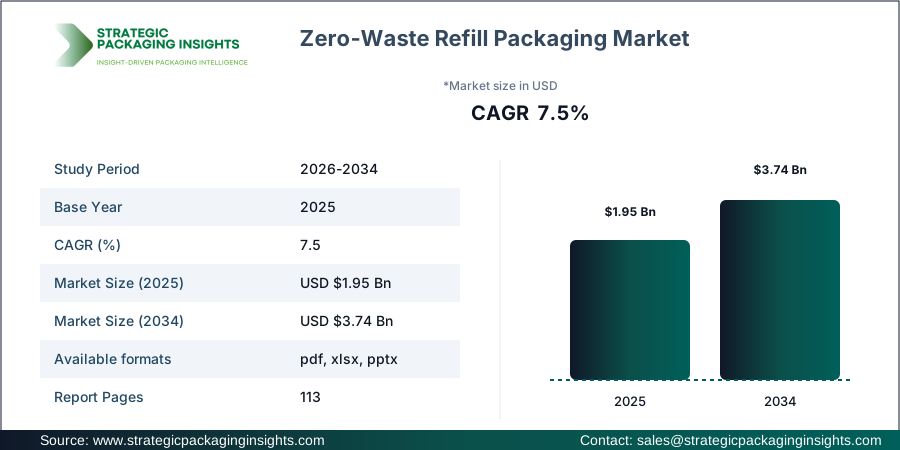
Despite the promising growth prospects, the Zero-Waste Refill Packaging market faces challenges such as high initial costs and the need for significant changes in consumer behavior. Regulatory hurdles and the lack of standardized practices across regions can also impede market growth. However, the potential for growth remains substantial, driven by technological advancements and increasing investments in sustainable packaging solutions. The market is expected to benefit from collaborations between packaging companies and consumer goods manufacturers, aiming to develop innovative and cost-effective refill packaging solutions. As consumer preferences continue to evolve towards sustainability, the Zero-Waste Refill Packaging market is poised for significant expansion.
Report Scope
| Attributes | Details |
| Report Title | Zero-Waste Refill Packaging Market Size, Future Growth and Forecast 2034 |
| By Type | Refillable Bottles, Pouches, Bags |
| By Application | Personal Care, Food & Beverage, Household |
| Region | North America, APAC, Europe |
| Base Year | 2025 |
| Historic Period | 2018-2024 |
| Forecast Period | 2026-2034 |
| Number of Pages | 113 |
| Customization Available | Yes* |
Opportunities & Threats
The Zero-Waste Refill Packaging market presents numerous opportunities, primarily driven by the increasing consumer demand for sustainable and eco-friendly packaging solutions. As awareness about environmental issues grows, consumers are actively seeking products that minimize waste and reduce their carbon footprint. This shift in consumer behavior is encouraging companies to innovate and develop refillable packaging solutions that cater to this demand. Additionally, the rise of e-commerce and online retailing offers a significant opportunity for the market, as companies can leverage digital platforms to reach a broader audience and promote their sustainable packaging solutions. The integration of smart technologies in refill packaging, such as QR codes and RFID tags, also presents opportunities for enhancing consumer engagement and improving supply chain efficiency.
Another opportunity lies in the increasing support from governments and regulatory bodies worldwide, which are implementing policies and initiatives to promote sustainable packaging practices. These regulations are encouraging companies to adopt zero-waste refill packaging solutions, thereby driving market growth. Furthermore, collaborations between packaging companies and consumer goods manufacturers are fostering innovation and enabling the development of cost-effective and efficient refill packaging solutions. The growing trend of personalized and customized packaging also offers opportunities for companies to differentiate their products and enhance brand loyalty.
However, the market also faces threats, such as the high initial costs associated with the development and implementation of refill packaging solutions. These costs can be a barrier for small and medium-sized enterprises, limiting their ability to compete with larger players. Additionally, the lack of standardized practices and regulations across different regions can create challenges for companies operating in the global market. The need for significant changes in consumer behavior and the potential resistance to adopting new packaging solutions also pose threats to market growth. Companies must address these challenges by investing in consumer education and awareness campaigns to drive the adoption of zero-waste refill packaging solutions.
Drivers & Challenges
The primary drivers of the Zero-Waste Refill Packaging market include the increasing consumer awareness about environmental sustainability and the growing demand for eco-friendly packaging solutions. As consumers become more conscious of their environmental impact, they are actively seeking products that minimize waste and reduce their carbon footprint. This shift in consumer behavior is encouraging companies to innovate and develop refillable packaging solutions that cater to this demand. Additionally, stringent government regulations on single-use plastics are driving companies to adopt sustainable packaging practices, further propelling market growth. The rise of the circular economy and the focus on reducing plastic waste are also significant drivers of the market.
Technological advancements and innovations in packaging materials and designs are further driving the growth of the Zero-Waste Refill Packaging market. Companies are investing in research and development to create innovative and cost-effective refill packaging solutions that enhance the appeal and functionality of their products. The integration of smart technologies, such as QR codes and RFID tags, in refill packaging is also driving market growth by improving supply chain efficiency and enhancing consumer engagement. The increasing investments in sustainable packaging solutions and the growing trend of personalized and customized packaging are additional drivers of the market.
Despite the promising growth prospects, the Zero-Waste Refill Packaging market faces several challenges. One of the primary challenges is the high initial costs associated with the development and implementation of refill packaging solutions. These costs can be a barrier for small and medium-sized enterprises, limiting their ability to compete with larger players. Additionally, the lack of standardized practices and regulations across different regions can create challenges for companies operating in the global market. The need for significant changes in consumer behavior and the potential resistance to adopting new packaging solutions also pose challenges to market growth. Companies must address these challenges by investing in consumer education and awareness campaigns to drive the adoption of zero-waste refill packaging solutions.
Market Share Analysis
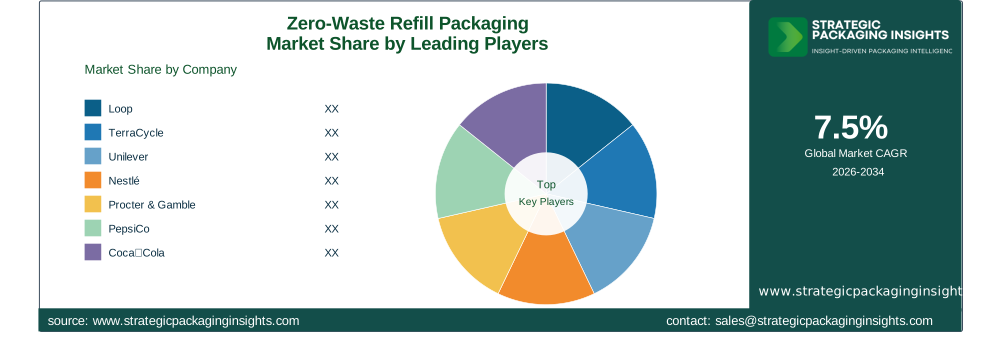
The Zero-Waste Refill Packaging market is characterized by a competitive landscape with several key players striving to gain a significant market share. Companies such as Loop, TerraCycle, Unilever, Nestlé, Procter & Gamble, PepsiCo, Coca‑Cola, Henkel, L’Oréal, and Refill Revolution are leading the market with their innovative and sustainable packaging solutions. These companies are focusing on research and development to create cost-effective and efficient refill packaging solutions that cater to the growing demand for eco-friendly products. The competitive landscape is further intensified by the presence of several regional and local players who are also investing in sustainable packaging solutions to capture a share of the market.
Loop, a leading player in the market, is known for its innovative approach to zero-waste packaging. The company collaborates with various consumer goods manufacturers to provide reusable packaging solutions that reduce waste and promote sustainability. TerraCycle, another key player, is renowned for its recycling programs and sustainable packaging solutions. The company partners with leading brands to develop refillable packaging solutions that cater to the growing demand for eco-friendly products. Unilever and Nestlé are also prominent players in the market, focusing on reducing their environmental impact by adopting sustainable packaging practices and investing in refillable packaging solutions.
Procter & Gamble and PepsiCo are also significant players in the Zero-Waste Refill Packaging market, with a strong focus on sustainability and innovation. These companies are investing in research and development to create innovative packaging solutions that meet consumer demand for eco-friendly products. Coca‑Cola and Henkel are also key players in the market, known for their commitment to sustainability and their efforts to reduce plastic waste through refillable packaging solutions. L’Oréal and Refill Revolution are also contributing to the market growth with their sustainable packaging initiatives and innovative refill packaging solutions.
Key Highlights
- The Zero-Waste Refill Packaging market is projected to grow at a CAGR of 7.5% from 2026 to 2034.
- Increasing consumer awareness about environmental sustainability is driving market growth.
- Stringent government regulations on single-use plastics are propelling the adoption of refill packaging solutions.
- Technological advancements and innovations in packaging materials are enhancing the appeal of zero-waste refill packaging.
- The rise of e-commerce and online retailing offers significant opportunities for market expansion.
- Collaborations between packaging companies and consumer goods manufacturers are fostering innovation.
- The market faces challenges such as high initial costs and the need for significant changes in consumer behavior.
- Key players in the market include Loop, TerraCycle, Unilever, Nestlé, Procter & Gamble, PepsiCo, Coca‑Cola, Henkel, L’Oréal, and Refill Revolution.
- The integration of smart technologies in refill packaging is improving supply chain efficiency and enhancing consumer engagement.
Top Countries Insights
In the Zero-Waste Refill Packaging market, the United States stands out as a leading country, with a market size of approximately $1.2 billion and a CAGR of 6%. The country's growth is driven by strong consumer demand for sustainable packaging solutions and supportive government policies promoting environmental sustainability. The presence of key market players and the increasing adoption of refillable packaging solutions by major consumer goods companies further contribute to the market's growth in the United States.
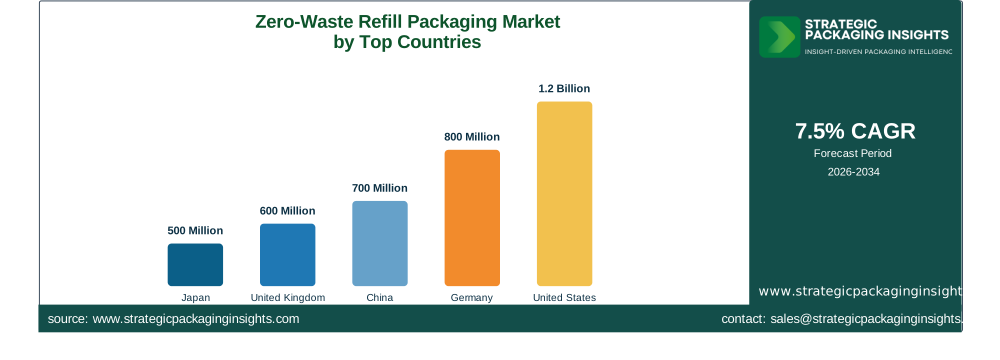
Germany is another significant player in the Zero-Waste Refill Packaging market, with a market size of around $800 million and a CAGR of 5%. The country's growth is fueled by stringent regulations on single-use plastics and a strong emphasis on sustainability and environmental protection. The presence of leading packaging companies and the increasing consumer demand for eco-friendly products are driving the market's expansion in Germany.
China is emerging as a key market for Zero-Waste Refill Packaging, with a market size of approximately $700 million and a CAGR of 8%. The country's growth is driven by rapid urbanization, increasing consumer awareness about environmental issues, and supportive government policies promoting sustainable packaging practices. The presence of a large consumer base and the growing trend of e-commerce are also contributing to the market's growth in China.
The United Kingdom is also a prominent player in the Zero-Waste Refill Packaging market, with a market size of around $600 million and a CAGR of 4%. The country's growth is driven by strong consumer demand for sustainable packaging solutions and government initiatives promoting environmental sustainability. The presence of key market players and the increasing adoption of refillable packaging solutions by major consumer goods companies further contribute to the market's growth in the United Kingdom.
Japan is another significant market for Zero-Waste Refill Packaging, with a market size of approximately $500 million and a CAGR of 3%. The country's growth is fueled by increasing consumer awareness about environmental issues and supportive government policies promoting sustainable packaging practices. The presence of leading packaging companies and the growing trend of personalized and customized packaging are driving the market's expansion in Japan.
Zero-Waste Refill Packaging Market Segments Insights

Type Analysis
The Zero-Waste Refill Packaging market is segmented by type into refillable bottles, pouches, and bags. Refillable bottles are gaining significant traction due to their durability and convenience. Consumers are increasingly opting for refillable bottles as they offer a sustainable alternative to single-use plastic bottles. The demand for refillable bottles is further driven by the growing trend of personalized and customized packaging, as companies are offering a wide range of designs and sizes to cater to diverse consumer preferences. Pouches are also witnessing substantial growth, as they are lightweight, flexible, and easy to transport. The increasing demand for convenient and portable packaging solutions is driving the growth of pouches in the market.
Bags are another important segment in the Zero-Waste Refill Packaging market, offering a versatile and eco-friendly packaging solution. The demand for bags is driven by their ability to accommodate a wide range of products, from personal care items to household goods. The growing trend of e-commerce and online retailing is also contributing to the demand for bags, as they offer a convenient and cost-effective packaging solution for shipping products. Companies are investing in research and development to create innovative and sustainable bag designs that cater to the growing demand for eco-friendly packaging solutions.
Application Analysis
The Zero-Waste Refill Packaging market is segmented by application into personal care, food & beverage, and household. The personal care segment is witnessing significant growth, driven by the increasing consumer demand for sustainable and eco-friendly packaging solutions. Consumers are actively seeking personal care products that minimize waste and reduce their environmental impact, leading to the adoption of refillable packaging solutions. The food & beverage segment is also experiencing substantial growth, as companies are increasingly adopting refillable packaging solutions to reduce their carbon footprint and meet consumer demand for sustainable products.
The household segment is another important application area for Zero-Waste Refill Packaging, driven by the growing trend of sustainable living and the increasing consumer awareness about environmental issues. Consumers are actively seeking household products that offer eco-friendly packaging solutions, leading to the adoption of refillable packaging solutions. Companies are investing in research and development to create innovative and cost-effective refill packaging solutions that cater to the growing demand for sustainable household products.
Zero-Waste Refill Packaging Market Segments
The Zero-Waste Refill Packaging market has been segmented on the basis ofBy Type
- Refillable Bottles
- Pouches
- Bags
By Application
- Personal Care
- Food & Beverage
- Household
Region
- North America
- APAC
- Europe




