


Wooden Cutlery Market Outlook
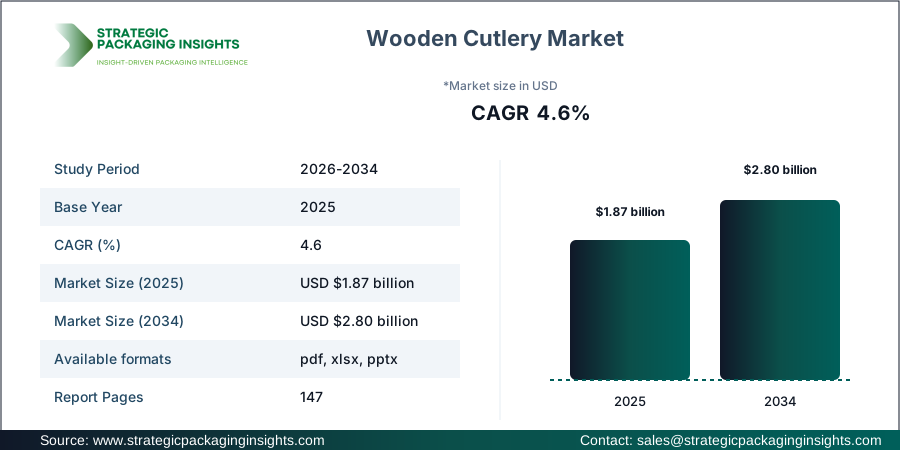
The wooden cutlery market was valued at $1.87 billion in 2025 and is projected to reach $2.80 billion by 2034, growing at a CAGR of 4.6% during the forecast period 2026-2034. This growth is driven by increasing consumer awareness about environmental sustainability and the rising demand for eco-friendly products. The shift from plastic to biodegradable alternatives in the foodservice industry is a significant factor propelling the market. Additionally, government regulations banning single-use plastics in various regions are further boosting the adoption of wooden cutlery. The market is also witnessing innovations in design and functionality, enhancing the appeal of wooden cutlery among consumers and businesses alike.
Despite the promising growth, the wooden cutlery market faces challenges such as higher production costs compared to plastic cutlery and limited availability of raw materials. However, the potential for growth remains substantial, particularly in emerging markets where environmental concerns are gaining traction. The market is also benefiting from advancements in manufacturing technologies that are reducing costs and improving product quality. As consumer preferences continue to evolve towards sustainable options, the wooden cutlery market is poised for significant expansion, offering lucrative opportunities for manufacturers and distributors.
Report Scope
| Attributes | Details |
| Report Title | Wooden Cutlery Market Size, Future Growth and Forecast 2034 |
| By Product Type | Spoons, Forks, Knives, Mixed Cutlery Sets |
| By Wood Type | Birch, Bamboo, Poplar |
| By Application | Foodservice, Takeaway, Events, Retail |
| By Sales Channel | Foodservice Distributors, Retail, Online |
| Region | Asia Pacific, North America, Latin America, Europe, Middle East & Africa |
| Base Year | 2025 |
| Historic Period | 2018-2024 |
| Forecast Period | 2026-2034 |
| Number of Pages | 147 |
| Customization Available | Yes* |
Opportunities & Threats
The wooden cutlery market presents numerous opportunities, particularly in the realm of sustainability and eco-friendly initiatives. As consumers become more environmentally conscious, there is a growing demand for products that minimize ecological impact. This trend is particularly strong in regions with stringent environmental regulations, such as Europe and North America, where governments are actively promoting the use of biodegradable materials. Companies that can innovate and offer high-quality, aesthetically pleasing wooden cutlery are likely to capture significant market share. Additionally, the rise of the green hospitality sector, which emphasizes sustainable practices, is creating new avenues for growth in the wooden cutlery market.
Another opportunity lies in the expansion of e-commerce platforms, which are making it easier for consumers to access a wide range of wooden cutlery products. Online sales channels are particularly appealing to younger, tech-savvy consumers who prioritize convenience and sustainability. This shift towards digital retailing is encouraging manufacturers to enhance their online presence and optimize their supply chains to meet the growing demand. Furthermore, collaborations with foodservice providers and event organizers can open up new distribution channels and increase market penetration.
However, the market is not without its threats. One of the primary challenges is the competition from other eco-friendly alternatives, such as biodegradable plastics and reusable cutlery. These products often offer similar environmental benefits and can be more cost-effective, posing a threat to the growth of the wooden cutlery market. Additionally, fluctuations in raw material prices and supply chain disruptions can impact production costs and profitability. Companies must navigate these challenges by investing in sustainable sourcing practices and developing innovative solutions to maintain their competitive edge.
Drivers & Challenges
The primary driver of the wooden cutlery market is the increasing consumer preference for sustainable and eco-friendly products. As awareness of environmental issues grows, consumers are actively seeking alternatives to single-use plastics, which are known to contribute to pollution and environmental degradation. This shift in consumer behavior is supported by government regulations that restrict the use of plastic cutlery, particularly in the foodservice industry. The adoption of wooden cutlery is further driven by its biodegradability and the perception of it being a more natural and aesthetically pleasing option compared to plastic.
Another significant driver is the innovation in product design and functionality. Manufacturers are investing in research and development to create wooden cutlery that is not only environmentally friendly but also durable and user-friendly. This includes improvements in the strength and finish of wooden cutlery, making it more appealing to both consumers and businesses. The growing trend of outdoor dining and takeaway services, accelerated by the COVID-19 pandemic, has also increased the demand for disposable cutlery, providing a boost to the wooden cutlery market.
Despite these drivers, the market faces several challenges. One of the main challenges is the higher cost of production associated with wooden cutlery compared to plastic alternatives. This can be a barrier for price-sensitive consumers and businesses, particularly in developing regions. Additionally, the availability of raw materials, such as birch and bamboo, can be limited, leading to supply chain constraints. Companies must address these challenges by optimizing their production processes and exploring alternative materials to ensure a steady supply of high-quality wooden cutlery.
Market Share Analysis
The competitive landscape of the wooden cutlery market is characterized by the presence of several key players who are actively engaged in product innovation and strategic partnerships to enhance their market position. Companies such as Huhtamaki, Eco-Products, and Vegware are leading the market with their extensive product portfolios and strong distribution networks. These companies are focusing on expanding their product offerings to cater to the diverse needs of consumers and businesses, thereby strengthening their market presence.

Huhtamaki, a prominent player in the market, holds a significant share due to its comprehensive range of sustainable packaging solutions, including wooden cutlery. The company's commitment to sustainability and innovation has enabled it to maintain a competitive edge in the market. Similarly, Eco-Products is known for its environmentally friendly products and has established a strong brand reputation in the eco-friendly packaging industry. The company's focus on research and development has resulted in the introduction of innovative wooden cutlery products that meet the evolving needs of consumers.
Vegware, another key player, is recognized for its high-quality compostable packaging solutions. The company's emphasis on sustainability and its extensive distribution network have contributed to its strong market position. BioPak and PacknWood are also notable players in the market, offering a wide range of biodegradable cutlery options. These companies are leveraging their expertise in sustainable packaging to expand their product lines and capture a larger share of the market.
Other significant players in the market include Genpak, Sabert, World Centric, Greenmunch, and Dinearth. These companies are actively investing in product development and strategic collaborations to enhance their market presence. The competitive landscape is further intensified by the entry of new players who are introducing innovative products to meet the growing demand for eco-friendly cutlery. As the market continues to evolve, companies that can effectively address consumer preferences and regulatory requirements are likely to succeed in capturing a larger share of the wooden cutlery market.
Key Highlights
- The wooden cutlery market is projected to grow from $1.87 billion in 2025 to $2.80 billion by 2034, at a CAGR of 4.6%.
- Increasing consumer awareness about environmental sustainability is driving the demand for wooden cutlery.
- Government regulations banning single-use plastics are boosting the adoption of biodegradable alternatives.
- Innovations in product design and functionality are enhancing the appeal of wooden cutlery.
- The rise of e-commerce platforms is facilitating easier access to wooden cutlery products.
- Competition from other eco-friendly alternatives poses a threat to market growth.
- Fluctuations in raw material prices and supply chain disruptions are key challenges for manufacturers.
- Key players in the market include Huhtamaki, Eco-Products, Vegware, and BioPak.
- The market is witnessing significant growth opportunities in emerging regions with increasing environmental concerns.
Top Countries Insights
In the wooden cutlery market, the United States stands out as a leading country, with a market size of approximately $500 million and a CAGR of 5%. The growth in the U.S. is driven by stringent environmental regulations and a strong consumer preference for sustainable products. The government's initiatives to reduce plastic waste and promote biodegradable alternatives are significant growth drivers. Additionally, the presence of major market players and a well-established distribution network contribute to the market's expansion.

Germany is another key market, with a market size of around $300 million and a CAGR of 4%. The country's commitment to environmental sustainability and its robust recycling infrastructure are key factors driving the demand for wooden cutlery. The German government's policies encouraging the use of eco-friendly products and the increasing consumer awareness about environmental issues are further propelling market growth.
China, with a market size of approximately $250 million and a CAGR of 6%, is experiencing rapid growth in the wooden cutlery market. The country's large population and growing middle class are driving the demand for sustainable products. Additionally, government initiatives to reduce plastic waste and promote green consumption are significant growth drivers. The increasing popularity of online retail platforms is also contributing to the market's expansion.
In the United Kingdom, the wooden cutlery market is valued at around $200 million, with a CAGR of 4%. The country's strong focus on reducing plastic waste and promoting sustainable practices is driving the demand for wooden cutlery. The government's initiatives to ban single-use plastics and the growing consumer preference for eco-friendly products are key growth drivers. The presence of major market players and a well-developed distribution network further support market growth.
India, with a market size of approximately $150 million and a CAGR of 7%, is emerging as a significant market for wooden cutlery. The country's increasing environmental awareness and government initiatives to promote sustainable practices are driving market growth. The growing middle class and the rising popularity of online retail platforms are also contributing to the market's expansion. However, challenges such as price sensitivity and limited availability of raw materials need to be addressed to fully capitalize on the market's potential.
Wooden Cutlery Market Segments Insights

Product Type Analysis
The wooden cutlery market is segmented by product type into spoons, forks, knives, and mixed cutlery sets. Spoons hold a significant share of the market due to their widespread use in various foodservice applications. The demand for wooden spoons is driven by their versatility and the increasing preference for eco-friendly dining solutions. Forks and knives are also gaining traction, particularly in the takeaway and events segments, where disposable cutlery is essential. Mixed cutlery sets are becoming popular among consumers seeking convenience and uniformity in their dining experiences. The growing trend of outdoor dining and the rise of takeaway services are further boosting the demand for all types of wooden cutlery.
Manufacturers are focusing on enhancing the design and functionality of wooden cutlery to cater to the diverse needs of consumers. Innovations in product design, such as ergonomic handles and improved durability, are making wooden cutlery more appealing to both consumers and businesses. The increasing availability of mixed cutlery sets in retail and online channels is also contributing to market growth. As consumer preferences continue to shift towards sustainable options, the demand for wooden cutlery across all product types is expected to rise significantly.
Wood Type Analysis
The wooden cutlery market is segmented by wood type into birch, bamboo, and poplar. Birch is the most commonly used wood type due to its strength, smooth finish, and availability. The demand for birch wooden cutlery is driven by its durability and aesthetic appeal, making it a popular choice among consumers and businesses. Bamboo is gaining popularity as an eco-friendly alternative due to its rapid growth and sustainability. The increasing awareness of bamboo's environmental benefits is driving its adoption in the wooden cutlery market. Poplar, known for its lightweight and cost-effectiveness, is also used in the production of wooden cutlery, particularly in price-sensitive markets.
Manufacturers are exploring the use of different wood types to enhance the quality and sustainability of their products. The choice of wood type is influenced by factors such as cost, availability, and consumer preferences. As the demand for eco-friendly products continues to rise, the market for wooden cutlery made from sustainable wood types is expected to grow. Companies that can effectively source and utilize sustainable wood materials are likely to gain a competitive advantage in the market.
Application Analysis
The wooden cutlery market is segmented by application into foodservice, takeaway, events, and retail. The foodservice segment holds a significant share of the market due to the widespread use of disposable cutlery in restaurants, cafes, and catering services. The demand for wooden cutlery in the foodservice industry is driven by the increasing preference for sustainable dining solutions and the need to comply with environmental regulations. The takeaway segment is also experiencing significant growth, fueled by the rise of online food delivery services and the growing trend of on-the-go dining.
Events, such as weddings, parties, and corporate gatherings, are another key application area for wooden cutlery. The demand for eco-friendly cutlery in events is driven by the growing awareness of environmental issues and the desire to reduce waste. The retail segment is also contributing to market growth, with an increasing number of consumers purchasing wooden cutlery for home use. As the demand for sustainable dining solutions continues to rise, the application of wooden cutlery across various segments is expected to expand significantly.
Sales Channel Analysis
The wooden cutlery market is segmented by sales channel into foodservice distributors, retail, and online. Foodservice distributors hold a significant share of the market due to their extensive networks and ability to supply large quantities of cutlery to restaurants, cafes, and catering services. The demand for wooden cutlery through foodservice distributors is driven by the increasing preference for sustainable dining solutions and the need to comply with environmental regulations.
The retail segment is also experiencing growth, with an increasing number of consumers purchasing wooden cutlery for home use. The availability of wooden cutlery in supermarkets, specialty stores, and online platforms is making it more accessible to consumers. The online sales channel is particularly appealing to younger, tech-savvy consumers who prioritize convenience and sustainability. The rise of e-commerce platforms is facilitating easier access to wooden cutlery products, contributing to market growth. As consumer preferences continue to shift towards sustainable options, the demand for wooden cutlery across all sales channels is expected to rise significantly.
Wooden Cutlery Market Segments
The Wooden Cutlery market has been segmented on the basis ofBy Product Type
- Spoons
- Forks
- Knives
- Mixed Cutlery Sets
By Wood Type
- Birch
- Bamboo
- Poplar
By Application
- Foodservice
- Takeaway
- Events
- Retail
By Sales Channel
- Foodservice Distributors
- Retail
- Online
Region
- Asia Pacific
- North America
- Latin America
- Europe
- Middle East & Africa




