


Plastic Cutlery Market Outlook
The plastic cutlery market was valued at $1.65 billion in 2025 and is projected to reach $2.17 billion by 2034, growing at a CAGR of 3.1% during the forecast period 2026-2034. This market is driven by the increasing demand for convenient and disposable cutlery solutions, particularly in the foodservice and takeaway sectors. The rise in fast-food consumption and the growing trend of outdoor dining have significantly contributed to the market's expansion. Additionally, the affordability and lightweight nature of plastic cutlery make it a preferred choice for many consumers and businesses alike. The market is also witnessing innovations in biodegradable and eco-friendly plastic cutlery, which are expected to further fuel growth as environmental concerns become more prominent.
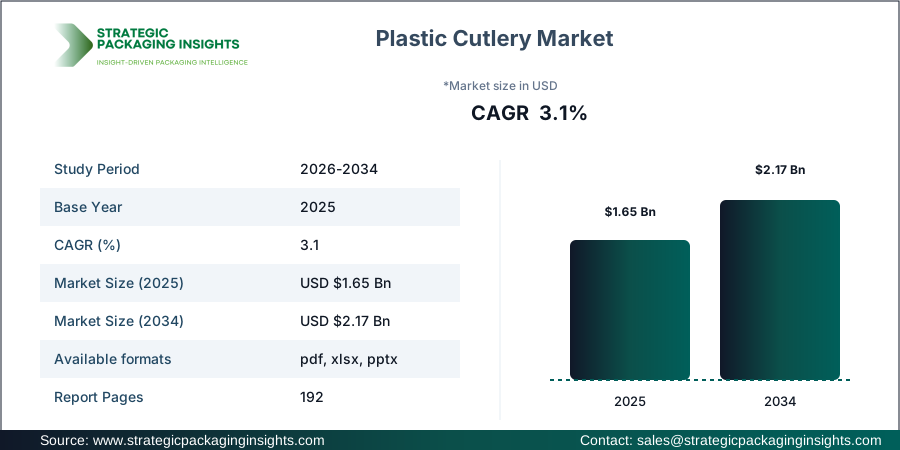
However, the market faces challenges due to increasing regulatory restrictions on single-use plastics, particularly in regions like Europe and North America. These regulations aim to reduce plastic waste and encourage the use of sustainable alternatives. Despite these challenges, the plastic cutlery market holds significant growth potential, especially with the development of new materials such as PLA and CPLA, which offer biodegradable options. The market is also seeing a shift towards online sales channels, driven by the convenience and wide reach of e-commerce platforms. As consumer preferences evolve and environmental awareness grows, the market is expected to adapt and innovate to meet these changing demands.
Report Scope
| Attributes | Details |
| Report Title | Plastic Cutlery Market Size, Future Growth and Forecast 2034 |
| Product Type | Spoons, Forks, Knives, Mixed Cutlery Sets |
| Material Type | PP, PS, PLA, CPLA |
| Application | Foodservice, Takeaway, Catering, Institutional |
| Sales Channel | Retail, Foodservice Distributors, Online |
| Region | Asia Pacific, North America, Latin America, Europe, Middle East & Africa |
| Base Year | 2025 |
| Historic Period | 2018-2024 |
| Forecast Period | 2026-2034 |
| Number of Pages | 192 |
| Customization Available | Yes* |
Opportunities & Threats
The plastic cutlery market presents numerous opportunities, particularly in the realm of eco-friendly and biodegradable products. As consumers become more environmentally conscious, there is a growing demand for sustainable alternatives to traditional plastic cutlery. Companies that invest in research and development to create innovative materials like PLA and CPLA are likely to gain a competitive edge. Additionally, the expansion of the foodservice industry, especially in emerging markets, offers significant growth potential. The increasing popularity of takeaway and delivery services further boosts the demand for disposable cutlery, providing ample opportunities for market players to expand their product offerings and reach new customer segments.
Another opportunity lies in the diversification of sales channels. With the rise of e-commerce, companies can leverage online platforms to reach a broader audience and increase their market presence. This shift towards digital sales channels not only enhances accessibility but also allows for targeted marketing strategies to attract environmentally conscious consumers. Furthermore, partnerships with foodservice distributors can help companies tap into institutional markets, such as schools and hospitals, where the demand for disposable cutlery is consistently high.
Despite these opportunities, the plastic cutlery market faces significant threats from regulatory restrictions and changing consumer preferences. Governments worldwide are implementing stringent regulations to curb the use of single-use plastics, which could hinder market growth. Additionally, the increasing awareness of environmental issues is driving consumers to seek alternatives to plastic cutlery, such as reusable or compostable options. Companies must navigate these challenges by investing in sustainable product development and aligning their strategies with evolving consumer demands to remain competitive in the market.
Drivers & Challenges
The primary drivers of the plastic cutlery market include the growing demand for convenience and the expansion of the foodservice industry. As lifestyles become busier, consumers are increasingly seeking quick and easy dining solutions, leading to a rise in the use of disposable cutlery. The fast-food industry, in particular, has seen significant growth, further propelling the demand for plastic cutlery. Additionally, the affordability and lightweight nature of plastic cutlery make it an attractive option for both consumers and businesses, contributing to its widespread adoption.
Another key driver is the innovation in biodegradable and eco-friendly materials. As environmental concerns gain prominence, companies are investing in the development of sustainable alternatives to traditional plastic cutlery. Materials such as PLA and CPLA offer biodegradable options that cater to environmentally conscious consumers, driving market growth. The increasing availability of these products in retail and online channels further supports their adoption, as consumers seek convenient and sustainable dining solutions.
However, the market faces challenges from regulatory restrictions and changing consumer preferences. Governments worldwide are implementing policies to reduce plastic waste, which could limit the use of single-use plastic cutlery. Additionally, the growing awareness of environmental issues is driving consumers to seek alternatives, such as reusable or compostable cutlery. Companies must navigate these challenges by investing in sustainable product development and aligning their strategies with evolving consumer demands to remain competitive in the market.
Market Share Analysis
The plastic cutlery market is characterized by a competitive landscape with several key players vying for market share. Companies such as Dart Container, Huhtamaki, Genpak, and Pactiv Evergreen are prominent players in the market, offering a wide range of plastic cutlery products. These companies have established strong distribution networks and brand recognition, enabling them to maintain a significant market presence. Additionally, they are investing in research and development to create innovative and sustainable products that cater to changing consumer preferences.
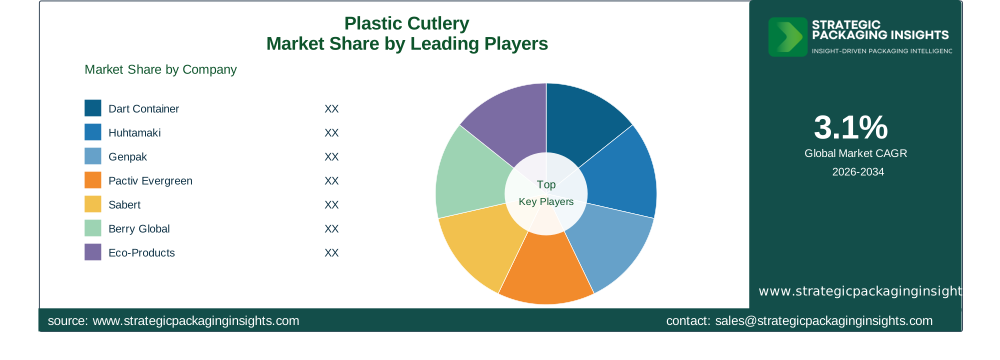
Berry Global and Sabert are also notable players in the market, known for their extensive product portfolios and commitment to sustainability. These companies are focusing on developing eco-friendly alternatives to traditional plastic cutlery, such as biodegradable and compostable options. Their efforts to align with environmental regulations and consumer demands have positioned them as leaders in the market. Furthermore, partnerships with foodservice distributors and retailers have allowed these companies to expand their reach and capture a larger share of the market.
Eco-Products, Vegware, and BioPak are key players in the eco-friendly segment of the plastic cutlery market. These companies specialize in sustainable products, offering biodegradable and compostable cutlery options that appeal to environmentally conscious consumers. Their focus on innovation and sustainability has enabled them to carve out a niche in the market and attract a loyal customer base. Additionally, their strong online presence and partnerships with foodservice distributors have contributed to their success in the market.
Lollicup USA is another significant player in the market, known for its diverse product offerings and commitment to sustainability. The company has invested in the development of eco-friendly materials and has established a strong distribution network to reach a wide range of customers. Lollicup USA's focus on innovation and customer satisfaction has helped it maintain a competitive edge in the market, making it a key player in the plastic cutlery industry.
Key Highlights
- The plastic cutlery market is projected to grow from $1.65 billion in 2025 to $2.17 billion by 2034, at a CAGR of 3.1%.
- Increasing demand for convenient and disposable cutlery solutions is driving market growth.
- Regulatory restrictions on single-use plastics pose a challenge to market expansion.
- Innovation in biodegradable and eco-friendly materials offers significant growth opportunities.
- The rise of e-commerce is transforming sales channels and expanding market reach.
- Key players include Dart Container, Huhtamaki, Genpak, and Pactiv Evergreen.
- Eco-friendly companies like Eco-Products, Vegware, and BioPak are gaining traction.
- Partnerships with foodservice distributors are crucial for market penetration.
- Consumer preferences are shifting towards sustainable and reusable cutlery options.
- Emerging markets present significant growth potential for the plastic cutlery industry.
Top Countries Insights
In the United States, the plastic cutlery market is driven by the robust foodservice industry and the increasing demand for convenient dining solutions. The market size is substantial, with a CAGR of 3%, supported by innovations in eco-friendly materials and the expansion of online sales channels. However, regulatory restrictions on single-use plastics pose a challenge, prompting companies to invest in sustainable alternatives.
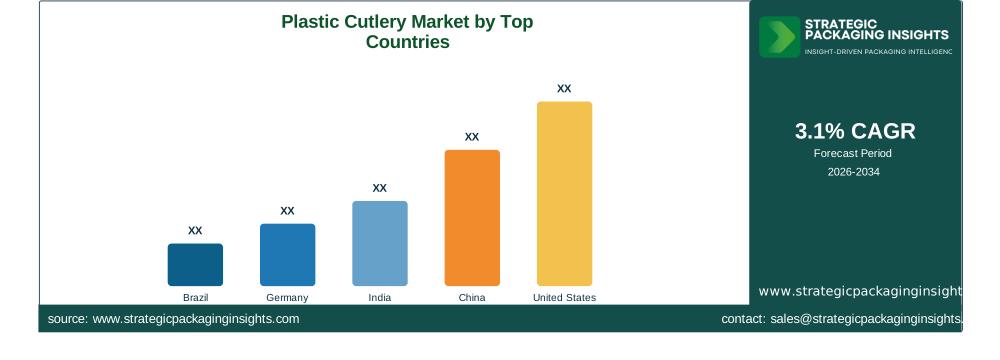
China's plastic cutlery market is experiencing rapid growth, with a CAGR of 5%. The country's expanding middle class and increasing disposable income are driving demand for convenient dining options. Additionally, the rise of the food delivery industry is boosting the demand for disposable cutlery. However, environmental concerns and government regulations are encouraging the adoption of biodegradable materials.
In India, the plastic cutlery market is growing at a CAGR of 4%, driven by the expanding foodservice industry and the increasing popularity of takeaway and delivery services. The market is also benefiting from the rise of e-commerce, which is enhancing accessibility and convenience for consumers. However, the market faces challenges from regulatory restrictions on single-use plastics, prompting companies to explore sustainable alternatives.
Germany's plastic cutlery market is characterized by a strong focus on sustainability, with a CAGR of 2%. The country's stringent regulations on single-use plastics are driving the demand for eco-friendly alternatives. Companies are investing in the development of biodegradable materials to align with consumer preferences and regulatory requirements. The market is also benefiting from the expansion of online sales channels.
In Brazil, the plastic cutlery market is growing at a CAGR of 3%, supported by the expanding foodservice industry and the increasing demand for convenient dining solutions. The market is also benefiting from the rise of e-commerce, which is enhancing accessibility and convenience for consumers. However, environmental concerns and regulatory restrictions are encouraging the adoption of sustainable alternatives.
Plastic Cutlery Market Segments Insights

Product Type Analysis
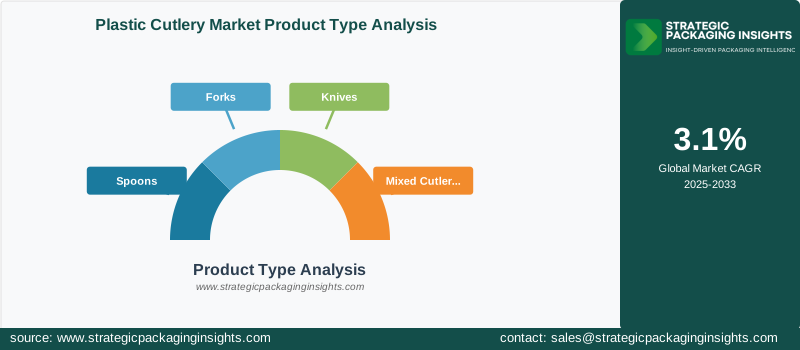
The plastic cutlery market is segmented by product type into spoons, forks, knives, and mixed cutlery sets. Spoons hold a significant share of the market due to their widespread use in various foodservice applications. The demand for spoons is driven by their versatility and convenience, making them a staple in both takeaway and dine-in settings. Forks and knives also contribute to the market, with their demand largely influenced by the type of cuisine and dining preferences. Mixed cutlery sets are gaining popularity, particularly in the catering and institutional sectors, where they offer a comprehensive solution for dining needs.
Innovation in product design and material composition is a key trend in this segment. Companies are focusing on developing ergonomic designs and using sustainable materials to enhance the appeal of their products. The shift towards eco-friendly options is particularly evident in the development of biodegradable and compostable cutlery, which caters to environmentally conscious consumers. Additionally, the rise of online sales channels is providing new opportunities for companies to reach a broader audience and expand their market presence.
Material Type Analysis
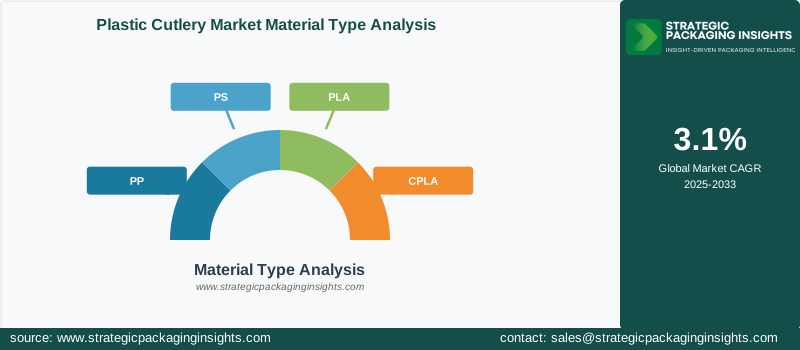
The material type segment of the plastic cutlery market includes PP, PS, PLA, and CPLA. PP and PS are traditional materials used in plastic cutlery, known for their durability and cost-effectiveness. However, the growing environmental concerns and regulatory restrictions on single-use plastics are driving the demand for biodegradable materials like PLA and CPLA. These materials offer a sustainable alternative to traditional plastics, appealing to environmentally conscious consumers and aligning with regulatory requirements.
Companies are investing in research and development to enhance the properties of biodegradable materials, such as heat resistance and strength, to make them more competitive with traditional plastics. The increasing availability of these materials in retail and online channels is further supporting their adoption. As consumer preferences shift towards sustainable options, the demand for PLA and CPLA is expected to grow, driving innovation and competition in the market.
Application Analysis
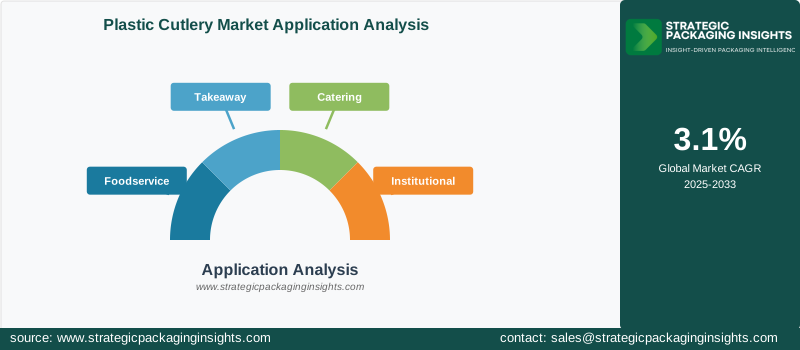
The application segment of the plastic cutlery market includes foodservice, takeaway, catering, and institutional. The foodservice sector is the largest application segment, driven by the increasing demand for convenient dining solutions and the expansion of the fast-food industry. Takeaway and delivery services are also significant contributors to the market, as consumers seek quick and easy dining options. The catering and institutional sectors, such as schools and hospitals, rely on disposable cutlery for their convenience and cost-effectiveness.
Innovation in product design and material composition is a key trend in this segment. Companies are focusing on developing ergonomic designs and using sustainable materials to enhance the appeal of their products. The shift towards eco-friendly options is particularly evident in the development of biodegradable and compostable cutlery, which caters to environmentally conscious consumers. Additionally, the rise of online sales channels is providing new opportunities for companies to reach a broader audience and expand their market presence.
Sales Channel Analysis
The sales channel segment of the plastic cutlery market includes retail, foodservice distributors, and online. Retail is a traditional sales channel, offering consumers the convenience of purchasing plastic cutlery in-store. However, the rise of e-commerce is transforming the market, providing companies with new opportunities to reach a broader audience and expand their market presence. Online sales channels offer the convenience of home delivery and a wide range of product options, appealing to tech-savvy and environmentally conscious consumers.

Foodservice distributors play a crucial role in the market, providing plastic cutlery to institutional and commercial customers, such as restaurants, schools, and hospitals. These distributors offer a wide range of products and services, helping companies reach a diverse customer base. As the market evolves, companies are focusing on developing strategic partnerships with distributors and leveraging online platforms to enhance their market presence and reach new customer segments.
Plastic Cutlery Market Segments
The Plastic Cutlery market has been segmented on the basis ofProduct Type
- Spoons
- Forks
- Knives
- Mixed Cutlery Sets
Material Type
- PP
- PS
- PLA
- CPLA
Application
- Foodservice
- Takeaway
- Catering
- Institutional
Sales Channel
- Retail
- Foodservice Distributors
- Online
Region
- Asia Pacific
- North America
- Latin America
- Europe
- Middle East & Africa




