


Wood Foam Market Outlook
The Wood Foam market size was valued at USD 410.16 million in 2025 and is anticipated to reach USD 1.02 billion by 2034, growing at a CAGR of 10.6% during the forecast period according to Strategic Packaging Insights. This growth trajectory is driven by the increasing demand for sustainable and eco-friendly materials in various industries, including packaging, construction, and automotive. Companies like Fraunhofer WKI and Stora Enso are at the forefront of this market, leveraging their expertise in wood-based materials to innovate and expand their product offerings. The market's expansion is further supported by the rising consumer awareness regarding environmental conservation and the benefits of using biodegradable materials.
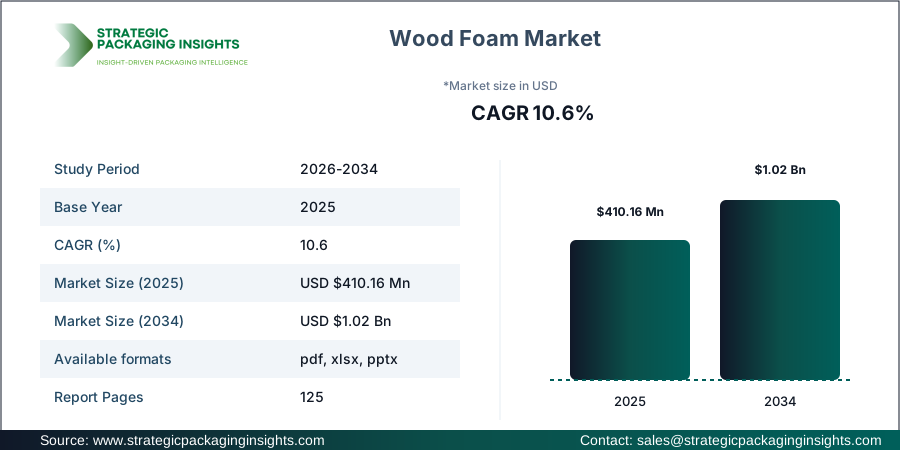
One of the most impactful drivers of the Wood Foam market is the growing emphasis on reducing carbon footprints and promoting sustainability. Governments worldwide are implementing stringent regulations to curb environmental pollution, which is propelling the demand for wood foam as a viable alternative to traditional synthetic foams. For instance, the European Union's directives on reducing plastic waste have significantly boosted the adoption of wood foam in packaging applications. Companies like UPM and Metsä Group are capitalizing on these regulatory trends by developing innovative wood foam solutions that meet environmental standards while offering superior performance. This regulatory push, combined with technological advancements, is expected to drive the market's growth over the forecast period.
Report Scope
| Attributes | Details |
| Report Title | Wood Foam Market Size, Future Growth and Forecast 2034 |
| Product Type | Rigid Wood Foam, Flexible Wood Foam, Composite Wood Foam |
| Application | Protective Packaging, Thermal Insulation, Acoustic Panels, Furniture |
| End Use | Packaging, Construction, Automotive, Consumer Goods |
| Density | Low Density, Medium Density, High Density |
| Region | Asia Pacific, North America, Latin America, Europe, Middle East & Africa |
| Base Year | 2025 |
| Historic Period | 2018-2024 |
| Forecast Period | 2026-2034 |
| Number of Pages | 125 |
| Customization Available | Yes* |
Sustainability & Circular Economy Analysis
Sustainability initiatives and circular economy practices are profoundly influencing the Wood Foam market. The shift towards recyclable materials and reusable packaging is driving innovation in wood foam production, as manufacturers seek to develop products that align with eco-friendly material innovation. Companies are investing in research and development to create lightweight packaging solutions that reduce waste and minimize environmental impact. This focus on sustainability is not only enhancing the market's appeal to environmentally conscious consumers but also aligning with global packaging regulations that emphasize waste reduction and extended producer responsibility (EPR).
The integration of ESG initiatives and carbon footprint reduction strategies is reshaping packaging design and manufacturing processes. Wood foam manufacturers are adopting waste reduction strategies and investing in eco-friendly material innovation to meet the growing demand for sustainable packaging solutions. This trend is influencing investment decisions, as companies prioritize sustainable practices to enhance their long-term market competitiveness. The emphasis on sustainability is also driving changes in supply chain strategies, with manufacturers seeking to source raw materials responsibly and optimize production processes to reduce environmental impact.
Consumer preferences for sustainable products are further driving the adoption of wood foam in various applications. As consumers become more aware of the environmental impact of their purchasing decisions, they are increasingly opting for products that align with their sustainability values. This shift in consumer behavior is prompting packaging manufacturers and brand owners to invest in eco-friendly packaging solutions, such as wood foam, to meet consumer demand and comply with regulatory requirements. The focus on sustainability is expected to continue shaping the Wood Foam market, influencing product development, manufacturing processes, and supply chain strategies.
Packaging Value Chain & Supply Chain Analysis
The packaging value chain and supply chain ecosystem play a crucial role in the Wood Foam market. Raw material sourcing is a critical component, as the availability and quality of wood fibers directly impact the production of wood foam. Packaging converters and manufacturers are key players in this ecosystem, transforming raw materials into finished products that meet the specific needs of various industries. The efficiency of the supply chain, including logistics and distribution channels, is essential for ensuring timely delivery and maintaining competitive pricing.
Supply chain efficiency is influenced by several factors, including raw material availability, transportation capabilities, and production capacities. Strategic partnerships between manufacturers, suppliers, and logistics providers are essential for optimizing the supply chain and enhancing market performance. Companies like Stora Enso and Metsä Group are leveraging their extensive networks and expertise in wood-based materials to strengthen their supply chain resilience and ensure a steady supply of high-quality wood foam products.
Localization and global sourcing strategies are also shaping the Wood Foam market. As companies seek to reduce transportation costs and minimize environmental impact, they are increasingly focusing on local sourcing and production. This trend is driving investment in regional manufacturing facilities and fostering collaboration between local suppliers and manufacturers. The emphasis on supply chain resilience and localization is expected to enhance the competitiveness of the Wood Foam market, enabling companies to respond effectively to changing market dynamics and consumer demands.
Opportunities & Threats
The Wood Foam market presents several opportunities for growth and innovation. One of the key opportunities lies in the development of advanced wood foam products that offer superior performance and sustainability benefits. Companies are investing in research and development to create wood foam solutions that meet the specific needs of various industries, such as packaging, construction, and automotive. The growing demand for eco-friendly materials is driving innovation in wood foam production, with manufacturers exploring new technologies and processes to enhance product quality and performance.
Another significant opportunity in the Wood Foam market is the expansion into emerging markets. As developing countries continue to industrialize and urbanize, there is a growing demand for sustainable materials that can support infrastructure development and consumer goods production. Companies that can effectively tap into these emerging markets stand to gain a competitive advantage and expand their market share. The focus on sustainability and environmental conservation is also creating opportunities for companies to collaborate with governments and non-governmental organizations to promote the adoption of wood foam in various applications.
Despite the promising opportunities, the Wood Foam market faces several threats that could hinder its growth. One of the primary challenges is the competition from alternative materials, such as synthetic foams and other biodegradable materials. These alternatives often offer similar performance characteristics at a lower cost, making it challenging for wood foam manufacturers to compete on price. Additionally, fluctuations in raw material prices and supply chain disruptions can impact production costs and profitability. Companies must navigate these challenges by investing in cost-effective production processes and developing innovative solutions that differentiate their products from competitors.
Drivers & Challenges
The Wood Foam market is driven by several key factors that are shaping its growth trajectory. One of the primary drivers is the increasing demand for sustainable and eco-friendly materials across various industries. As consumers and businesses become more environmentally conscious, there is a growing preference for products that minimize environmental impact. Wood foam, with its biodegradable and renewable properties, is well-positioned to meet this demand, driving its adoption in applications such as packaging, construction, and automotive.
Technological advancements in wood foam production are also driving market growth. Companies are investing in research and development to enhance the performance and versatility of wood foam products. Innovations in manufacturing processes and material formulations are enabling the production of wood foam with improved thermal insulation, acoustic properties, and structural integrity. These advancements are expanding the range of applications for wood foam, further fueling market demand and growth.
However, the Wood Foam market also faces several challenges that could impact its growth potential. One of the primary challenges is the high production costs associated with wood foam manufacturing. The need for specialized equipment and processes can drive up production costs, making it difficult for manufacturers to compete with alternative materials on price. Additionally, the availability and quality of raw materials can impact production efficiency and product quality. Companies must address these challenges by optimizing production processes, investing in cost-effective technologies, and ensuring a reliable supply of high-quality raw materials.
Market Share Analysis
The competitive landscape of the Wood Foam market is characterized by the presence of several key players, each striving to enhance their market share through innovation and strategic partnerships. Companies like Fraunhofer WKI, Stora Enso, and UPM are leading the market with their extensive expertise in wood-based materials and commitment to sustainability. These companies are investing in research and development to create advanced wood foam products that meet the evolving needs of various industries.
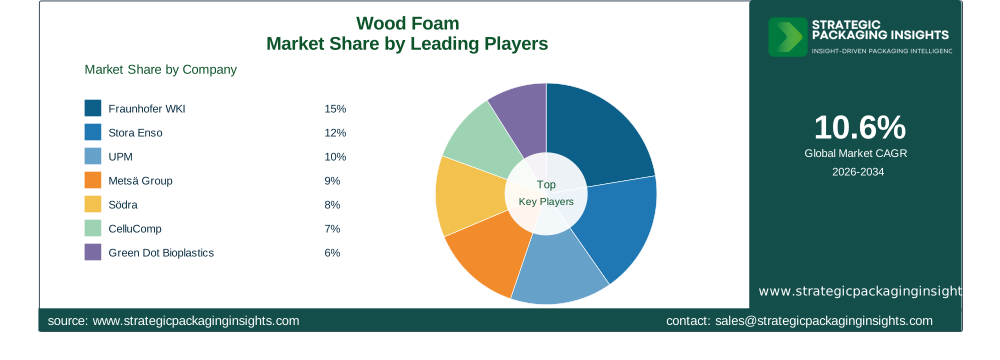
Fraunhofer WKI is renowned for its pioneering research in wood-based materials, including wood foam. The company's focus on innovation and sustainability has positioned it as a leader in the market, with a strong portfolio of products that cater to diverse applications. Stora Enso, a global leader in renewable materials, is leveraging its extensive network and expertise to expand its presence in the Wood Foam market. The company's commitment to sustainability and innovation is driving the development of new wood foam solutions that meet the demands of environmentally conscious consumers.
UPM, another key player in the Wood Foam market, is known for its focus on sustainable forestry and renewable materials. The company's investments in research and development are driving the creation of high-performance wood foam products that offer superior environmental benefits. Metsä Group, with its strong emphasis on sustainability and innovation, is also making significant strides in the market. The company's advanced wood foam solutions are gaining traction in various applications, further enhancing its market position.
Other notable players in the Wood Foam market include Södra, CelluComp, Green Dot Bioplastics, Ecohelix, Woodly, and Suzano. These companies are actively investing in research and development to create innovative wood foam products that meet the specific needs of different industries. The competitive landscape is characterized by a focus on sustainability, innovation, and strategic partnerships, as companies strive to enhance their market share and capitalize on the growing demand for eco-friendly materials.
Key Highlights
- Market Size: The Wood Foam market was valued at USD 410.16 million in 2025 and is projected to reach USD 1.02 billion by 2034.
- Growth Rate: The market is expected to grow at a CAGR of 10.6% during the forecast period.
- Leading Companies: Key players include Fraunhofer WKI, Stora Enso, UPM, and Metsä Group.
- Product Innovation: Companies are focusing on developing advanced wood foam products with superior performance and sustainability benefits.
- Emerging Markets: Expansion into emerging markets presents significant growth opportunities for wood foam manufacturers.
- Sustainability Focus: The emphasis on sustainability and eco-friendly materials is driving market demand.
- Regulatory Support: Government regulations promoting environmental conservation are boosting the adoption of wood foam.
Wood Foam Market Segments Insights

Product Type Analysis
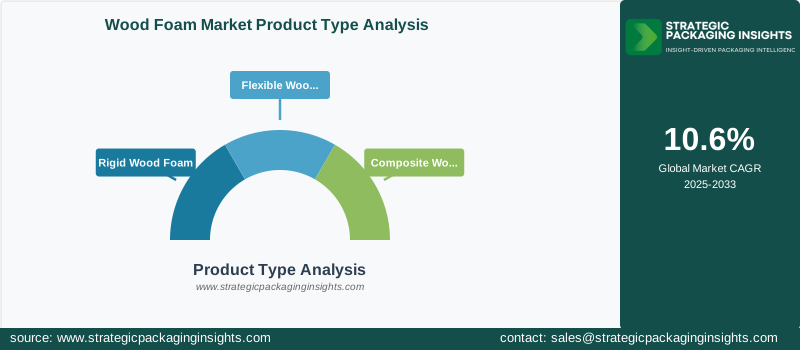
The Wood Foam market is segmented by product type into Rigid Wood Foam, Flexible Wood Foam, and Composite Wood Foam. Rigid Wood Foam is gaining traction due to its superior structural integrity and thermal insulation properties, making it ideal for construction and packaging applications. Companies are investing in research and development to enhance the performance of rigid wood foam, focusing on improving its durability and environmental benefits. Flexible Wood Foam, on the other hand, is favored for its versatility and ease of use in various applications, including furniture and acoustic panels. The demand for composite wood foam is also rising, driven by its ability to combine the benefits of both rigid and flexible foams, offering enhanced performance and sustainability.
Innovation in product development is a key driver of growth in this segment. Manufacturers are exploring new material formulations and production processes to create wood foam products that meet the specific needs of different industries. The focus on sustainability and eco-friendly materials is also influencing product development, with companies striving to create wood foam solutions that minimize environmental impact while offering superior performance. The growing demand for sustainable materials in construction, packaging, and automotive industries is expected to drive the growth of the Wood Foam market by product type.
Application Analysis
The Wood Foam market is segmented by application into Protective Packaging, Thermal Insulation, Acoustic Panels, and Furniture. Protective Packaging is one of the largest application segments, driven by the increasing demand for sustainable packaging solutions that offer superior protection and environmental benefits. Companies are investing in research and development to create wood foam packaging solutions that meet the specific needs of various industries, including electronics, consumer goods, and food and beverage. Thermal Insulation is another significant application segment, with wood foam offering excellent thermal properties that make it ideal for use in construction and automotive industries.
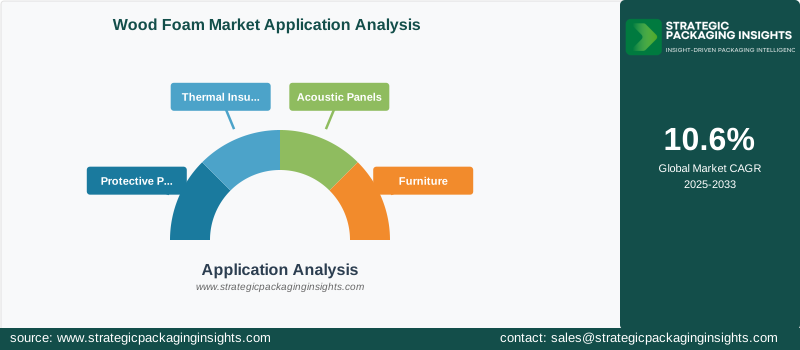
The demand for Acoustic Panels is also rising, driven by the growing need for soundproofing solutions in residential and commercial buildings. Wood foam's ability to absorb sound and reduce noise pollution makes it an attractive option for acoustic panel applications. The Furniture segment is also experiencing growth, with wood foam being used to create lightweight and durable furniture products that offer superior comfort and sustainability. The focus on sustainability and eco-friendly materials is driving the adoption of wood foam in various applications, with companies striving to create innovative solutions that meet the evolving needs of consumers and industries.
End Use Analysis
The Wood Foam market is segmented by end use into Packaging, Construction, Automotive, and Consumer Goods. The Packaging segment is one of the largest end-use segments, driven by the increasing demand for sustainable packaging solutions that offer superior protection and environmental benefits. Companies are investing in research and development to create wood foam packaging solutions that meet the specific needs of various industries, including electronics, consumer goods, and food and beverage. The Construction segment is also experiencing growth, with wood foam offering excellent thermal insulation and structural integrity properties that make it ideal for use in building applications.
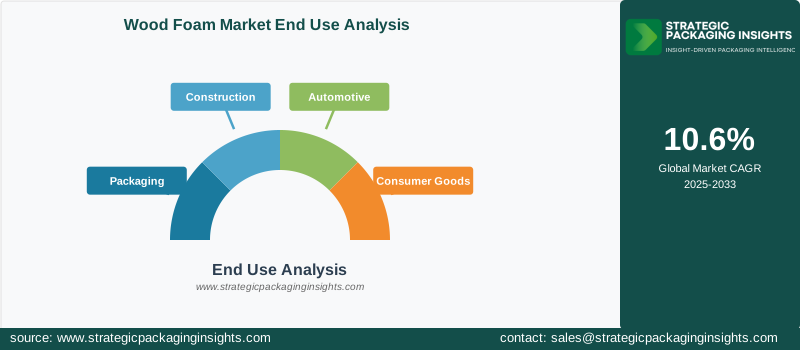
The Automotive segment is another significant end-use segment, with wood foam being used to create lightweight and durable automotive components that offer superior performance and sustainability. The Consumer Goods segment is also experiencing growth, with wood foam being used to create a wide range of products, including furniture, toys, and household items. The focus on sustainability and eco-friendly materials is driving the adoption of wood foam in various end-use applications, with companies striving to create innovative solutions that meet the evolving needs of consumers and industries.
Density Analysis
The Wood Foam market is segmented by density into Low Density, Medium Density, and High Density. Low Density Wood Foam is favored for its lightweight properties and ease of use in various applications, including packaging and furniture. Companies are investing in research and development to enhance the performance of low density wood foam, focusing on improving its durability and environmental benefits. Medium Density Wood Foam is gaining traction due to its superior structural integrity and thermal insulation properties, making it ideal for construction and automotive applications.
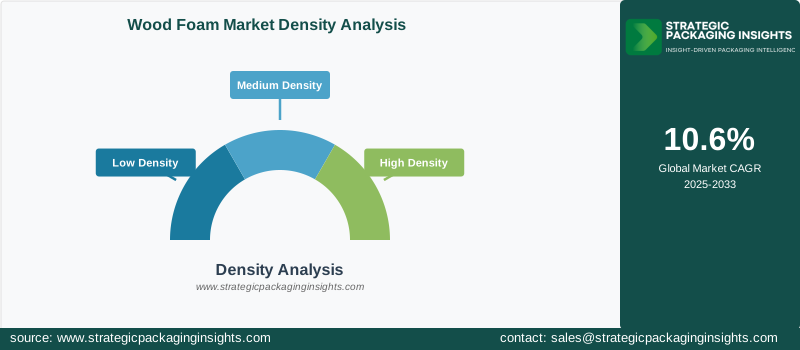
The demand for High Density Wood Foam is also rising, driven by its ability to offer enhanced performance and sustainability benefits. High density wood foam is used in applications that require superior strength and durability, such as construction and automotive components. The focus on sustainability and eco-friendly materials is influencing product development in this segment, with companies striving to create wood foam solutions that minimize environmental impact while offering superior performance. The growing demand for sustainable materials in various industries is expected to drive the growth of the Wood Foam market by density.
Wood Foam Market Segments
The Wood Foam market has been segmented on the basis ofProduct Type
- Rigid Wood Foam
- Flexible Wood Foam
- Composite Wood Foam
Application
- Protective Packaging
- Thermal Insulation
- Acoustic Panels
- Furniture
End Use
- Packaging
- Construction
- Automotive
- Consumer Goods
Density
- Low Density
- Medium Density
- High Density
Region
- Asia Pacific
- North America
- Latin America
- Europe
- Middle East & Africa




