


Trash Bags Market Outlook
The Trash Bags market was valued at $12.83 billion in 2025 and is projected to reach $23.08 billion by 2034, growing at a CAGR of 6.7% during the forecast period 2026-2034. This growth is driven by increasing urbanization and the rising awareness of waste management practices across the globe. The demand for trash bags is further fueled by the growing population and the subsequent increase in waste generation. Additionally, the shift towards eco-friendly and biodegradable trash bags is gaining momentum, as consumers become more environmentally conscious. The market is also witnessing innovations in material technology, which are enhancing the durability and functionality of trash bags, making them more appealing to both residential and commercial users.
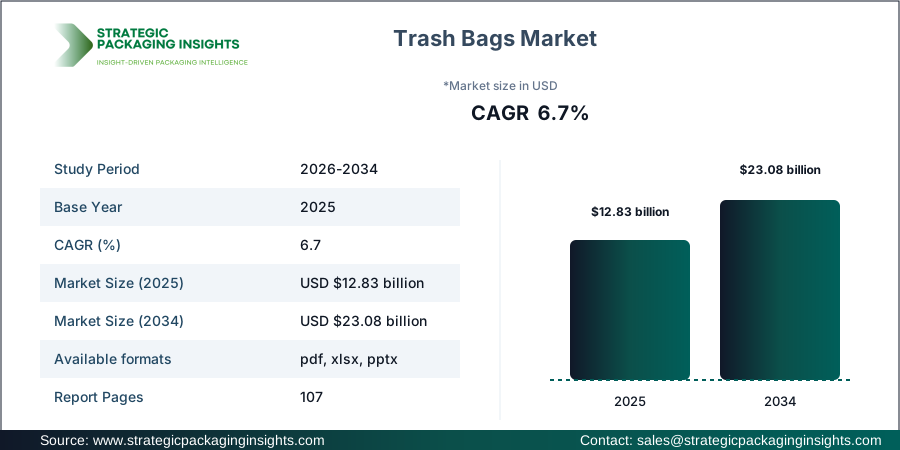
Despite the promising growth prospects, the Trash Bags market faces certain challenges. Regulatory restrictions on plastic usage and the increasing emphasis on sustainability are compelling manufacturers to innovate and adapt. The cost of raw materials, particularly for biodegradable and recycled plastics, can be a limiting factor for market expansion. However, the potential for growth remains significant, especially with the increasing adoption of online sales channels and the expansion of retail networks in emerging economies. The market is poised for substantial growth, driven by technological advancements and the rising demand for sustainable waste management solutions.
Report Scope
| Attributes | Details |
| Report Title | Trash Bags Market Size, Future Growth and Forecast 2034 |
| Product Type | Kitchen Trash Bags, Contractor Bags, Compostable Trash Bags |
| Material Type | HDPE, LDPE, Recycled Plastic, Biodegradable Plastic |
| Application | Household, Commercial, Industrial |
| Sales Channel | Retail, Institutional, Online |
| Region | Asia Pacific, North America, Latin America, Europe, Middle East & Africa |
| Base Year | 2025 |
| Historic Period | 2018-2024 |
| Forecast Period | 2026-2034 |
| Number of Pages | 107 |
| Customization Available | Yes* |
Opportunities & Threats
The Trash Bags market presents numerous opportunities, particularly in the realm of sustainable and eco-friendly products. As environmental concerns continue to rise, there is a growing demand for biodegradable and compostable trash bags. This shift is driven by both consumer preferences and regulatory pressures, creating a lucrative market for companies that can innovate in this space. Additionally, the expansion of urban areas and the increase in waste generation provide a steady demand for trash bags, particularly in developing regions where waste management infrastructure is still evolving. Companies that can offer cost-effective and environmentally friendly solutions are likely to capture significant market share.
Another opportunity lies in the diversification of sales channels. The rise of e-commerce and online retail platforms has opened new avenues for trash bag manufacturers to reach a broader audience. By leveraging digital marketing strategies and enhancing their online presence, companies can tap into the growing trend of online shopping. Furthermore, partnerships with institutional buyers, such as hospitals and educational institutions, can provide stable and recurring revenue streams. These opportunities highlight the potential for growth and expansion in the Trash Bags market, particularly for companies that can adapt to changing consumer preferences and market dynamics.
However, the market is not without its threats. One of the primary challenges is the increasing regulatory scrutiny on plastic products. Governments around the world are implementing stricter regulations to curb plastic pollution, which could impact the production and sale of traditional plastic trash bags. Companies must navigate these regulatory landscapes and invest in research and development to create compliant and sustainable products. Additionally, the volatility in raw material prices, particularly for biodegradable plastics, can pose a threat to profitability. Companies need to manage their supply chains effectively and explore alternative materials to mitigate these risks.
Drivers & Challenges
The Trash Bags market is driven by several key factors, including the increasing awareness of waste management and environmental sustainability. As consumers become more conscious of their environmental impact, there is a growing demand for products that support sustainable practices. This trend is particularly evident in the rising popularity of biodegradable and compostable trash bags, which offer an eco-friendly alternative to traditional plastic bags. Additionally, the rapid urbanization and population growth in emerging economies are contributing to increased waste generation, thereby driving the demand for trash bags. The expansion of retail and commercial sectors also plays a significant role in boosting market growth, as these sectors require efficient waste management solutions.
Technological advancements in material science are another significant driver of the Trash Bags market. Innovations in biodegradable and recycled materials are enhancing the performance and appeal of trash bags, making them more durable and environmentally friendly. These advancements are not only meeting consumer demand for sustainable products but also helping manufacturers comply with regulatory requirements. Furthermore, the increasing adoption of digital sales channels is providing new growth opportunities for market players. By leveraging e-commerce platforms, companies can reach a wider audience and capitalize on the growing trend of online shopping.
Despite these drivers, the Trash Bags market faces several challenges. One of the primary challenges is the regulatory environment surrounding plastic products. Governments worldwide are implementing stricter regulations to reduce plastic waste, which could impact the production and sale of traditional plastic trash bags. Companies must navigate these regulatory landscapes and invest in research and development to create compliant and sustainable products. Additionally, the volatility in raw material prices, particularly for biodegradable plastics, can pose a threat to profitability. Companies need to manage their supply chains effectively and explore alternative materials to mitigate these risks.
Market Share Analysis
The competitive landscape of the Trash Bags market is characterized by the presence of several key players, each striving to capture a significant share of the market. Berry Global, a leading manufacturer of plastic packaging products, holds a substantial market share due to its extensive product portfolio and strong distribution network. Novolex, another major player, is known for its innovative solutions in sustainable packaging, which has helped it gain a competitive edge in the market. Reynolds Consumer Products, with its well-established brand presence and diverse product offerings, also commands a significant share of the market.
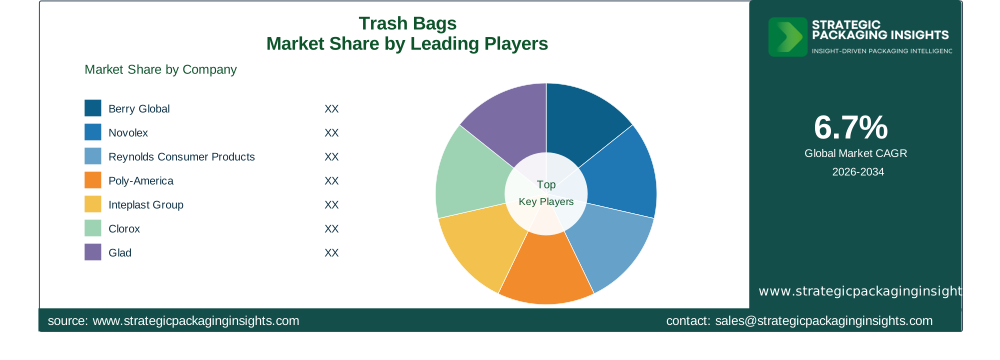
Poly-America and Inteplast Group are prominent players in the Trash Bags market, known for their high-quality products and strong customer base. These companies have invested heavily in research and development to create innovative and sustainable solutions, which has helped them maintain their competitive position. Clorox and Glad, both well-known consumer brands, have leveraged their brand recognition and extensive distribution networks to capture a significant share of the market. Their focus on product innovation and sustainability has resonated well with environmentally conscious consumers.
Cosmoplast, International Plastics, and Four Star Plastics are other notable players in the market, each with its unique strengths and market strategies. Cosmoplast, for instance, has a strong presence in the Middle East and Africa, where it has capitalized on the growing demand for waste management solutions. International Plastics and Four Star Plastics have focused on expanding their product offerings and enhancing their customer service to differentiate themselves in the competitive market. These companies, along with others, contribute to a dynamic and competitive landscape in the Trash Bags market.
Key Highlights
- The Trash Bags market is projected to grow from $12.83 billion in 2025 to $23.08 billion by 2034, at a CAGR of 6.7%.
- Increasing urbanization and waste generation are key drivers of market growth.
- There is a growing demand for biodegradable and compostable trash bags due to environmental concerns.
- Technological advancements in material science are enhancing the performance of trash bags.
- The rise of e-commerce and online retail platforms is opening new sales channels for manufacturers.
- Regulatory restrictions on plastic usage are compelling manufacturers to innovate and adapt.
- Key players in the market include Berry Global, Novolex, and Reynolds Consumer Products.
- Emerging economies present significant growth opportunities due to expanding urban areas.
- Volatility in raw material prices poses a challenge to market profitability.
- Partnerships with institutional buyers can provide stable revenue streams for manufacturers.
Top Countries Insights
In the Trash Bags market, the United States stands out as a leading country, with a market size of approximately $4.5 billion and a CAGR of 5%. The country's growth is driven by high consumer awareness regarding waste management and a strong emphasis on sustainability. The presence of major market players and advanced waste management infrastructure further supports market expansion. However, regulatory pressures on plastic usage pose challenges that companies must navigate to maintain their market position.
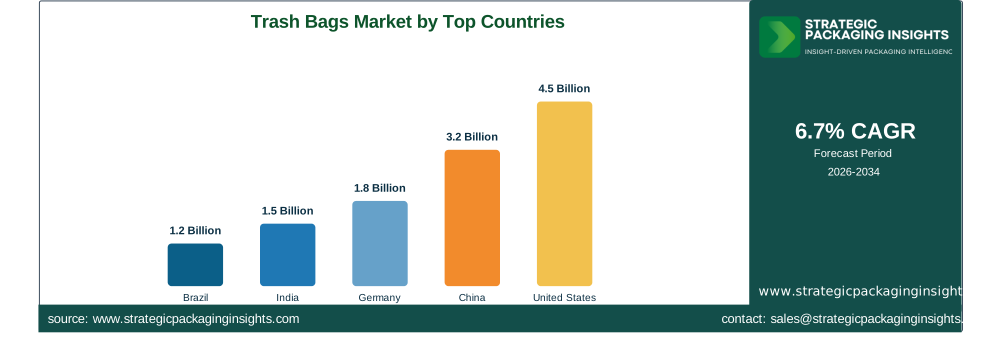
China is another significant player in the Trash Bags market, with a market size of around $3.2 billion and a CAGR of 8%. The rapid urbanization and industrialization in the country have led to increased waste generation, driving the demand for trash bags. Government initiatives promoting environmental sustainability and waste management are also contributing to market growth. However, the market faces challenges related to regulatory compliance and the need for sustainable product innovations.
Germany, with a market size of approximately $1.8 billion and a CAGR of 4%, is a key market in Europe. The country's strong focus on environmental sustainability and waste management practices drives the demand for eco-friendly trash bags. The presence of stringent regulations on plastic usage encourages manufacturers to innovate and develop sustainable solutions. However, the high cost of raw materials for biodegradable plastics poses a challenge to market growth.
India, with a market size of about $1.5 billion and a CAGR of 9%, presents significant growth opportunities in the Trash Bags market. The country's expanding urban population and increasing waste generation drive the demand for trash bags. Government initiatives promoting waste management and environmental sustainability further support market growth. However, the market faces challenges related to infrastructure development and regulatory compliance.
Brazil, with a market size of approximately $1.2 billion and a CAGR of 6%, is a key market in Latin America. The country's growing urban population and increasing awareness of waste management practices drive the demand for trash bags. However, economic challenges and regulatory pressures on plastic usage pose challenges to market growth. Companies must focus on developing cost-effective and sustainable solutions to capture market share in this region.
Trash Bags Market Segments Insights

Product Type Analysis
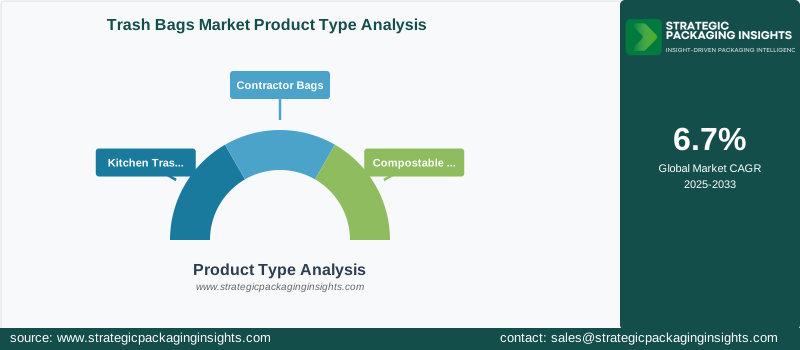
The Trash Bags market is segmented by product type into kitchen trash bags, contractor bags, and compostable trash bags. Kitchen trash bags dominate the market due to their widespread use in households for daily waste disposal. The demand for these bags is driven by the increasing urban population and the need for efficient waste management solutions. Contractor bags, known for their durability and capacity, are popular in commercial and industrial applications. The growing construction and renovation activities in urban areas contribute to the demand for contractor bags. Compostable trash bags are gaining traction as consumers become more environmentally conscious and seek sustainable alternatives to traditional plastic bags.
The market for compostable trash bags is expected to grow significantly during the forecast period, driven by increasing environmental awareness and regulatory pressures to reduce plastic waste. These bags offer an eco-friendly solution for waste disposal, appealing to environmentally conscious consumers and businesses. Manufacturers are investing in research and development to enhance the performance and cost-effectiveness of compostable bags, making them a viable alternative to conventional plastic bags. The growing demand for sustainable products presents a lucrative opportunity for companies in the Trash Bags market to expand their product offerings and capture market share.
Material Type Analysis
The Trash Bags market is segmented by material type into HDPE, LDPE, recycled plastic, and biodegradable plastic. HDPE and LDPE are the most commonly used materials due to their strength, flexibility, and cost-effectiveness. These materials are widely used in the production of kitchen and contractor bags, catering to the needs of both residential and commercial users. However, the increasing environmental concerns and regulatory pressures are driving the demand for recycled and biodegradable plastics. These materials offer a sustainable alternative to traditional plastics, aligning with the growing consumer preference for eco-friendly products.
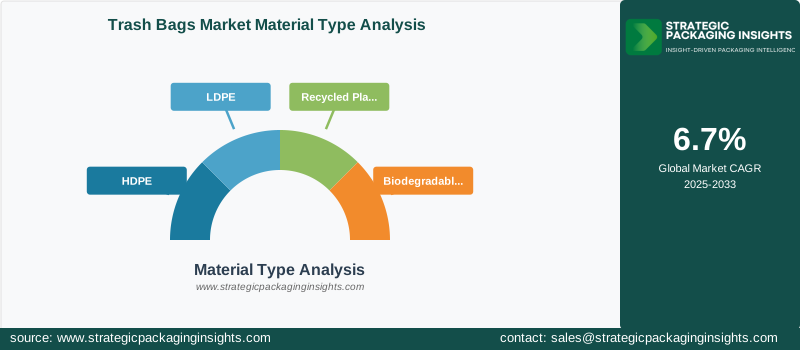
Biodegradable plastics are expected to witness significant growth during the forecast period, driven by the increasing demand for sustainable waste management solutions. These materials decompose naturally, reducing the environmental impact of plastic waste. Manufacturers are focusing on developing innovative biodegradable materials that offer the same performance and durability as conventional plastics. The growing adoption of recycled plastics is also contributing to market growth, as companies seek to reduce their carbon footprint and comply with environmental regulations. The shift towards sustainable materials presents a significant opportunity for growth and innovation in the Trash Bags market.
Application Analysis
The Trash Bags market is segmented by application into household, commercial, and industrial. The household segment dominates the market, driven by the increasing urban population and the need for efficient waste management solutions in residential areas. The demand for trash bags in households is further fueled by the growing awareness of environmental sustainability and the preference for eco-friendly products. The commercial segment, which includes offices, retail stores, and hospitality establishments, is also a significant contributor to market growth. The need for effective waste management solutions in these settings drives the demand for durable and high-capacity trash bags.
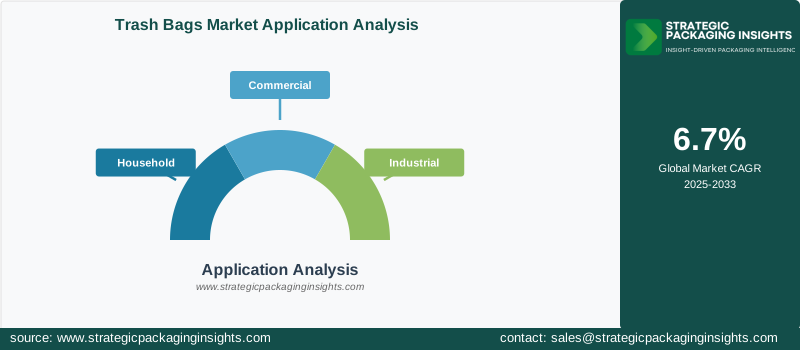
The industrial segment, which includes manufacturing facilities and construction sites, is expected to witness significant growth during the forecast period. The increasing industrial activities and the need for efficient waste disposal solutions drive the demand for contractor and heavy-duty trash bags. The growing emphasis on sustainability and regulatory compliance in industrial settings further supports market growth. Companies in the Trash Bags market are focusing on developing innovative products that cater to the specific needs of different applications, enhancing their market presence and competitiveness.
Sales Channel Analysis
The Trash Bags market is segmented by sales channel into retail, institutional, and online. The retail segment dominates the market, driven by the widespread availability of trash bags in supermarkets, hypermarkets, and convenience stores. The convenience of purchasing trash bags during regular shopping trips contributes to the dominance of the retail segment. However, the increasing adoption of online sales channels is reshaping the market dynamics. The rise of e-commerce platforms and the growing trend of online shopping provide new growth opportunities for trash bag manufacturers.
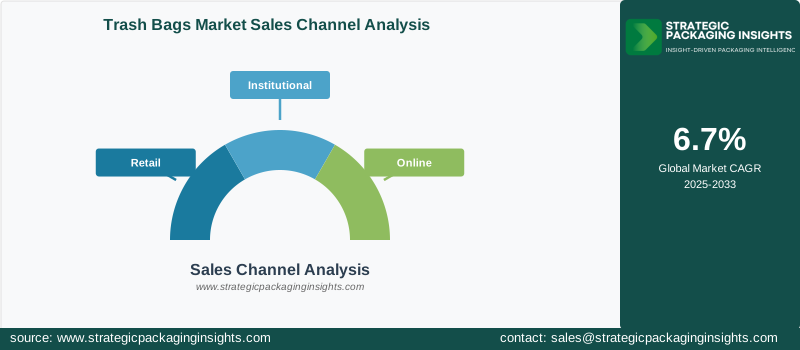
The institutional segment, which includes sales to hospitals, educational institutions, and government agencies, is also a significant contributor to market growth. These buyers require large quantities of trash bags for waste management, providing stable and recurring revenue streams for manufacturers. The growing emphasis on sustainability and waste management in institutional settings further supports market growth. Companies in the Trash Bags market are focusing on expanding their sales channels and enhancing their online presence to capture a larger share of the market and meet the evolving needs of consumers.
Trash Bags Market Segments
The Trash Bags market has been segmented on the basis ofProduct Type
- Kitchen Trash Bags
- Contractor Bags
- Compostable Trash Bags
Material Type
- HDPE
- LDPE
- Recycled Plastic
- Biodegradable Plastic
Application
- Household
- Commercial
- Industrial
Sales Channel
- Retail
- Institutional
- Online
Region
- Asia Pacific
- North America
- Latin America
- Europe
- Middle East & Africa




