


Trash Bag Market Outlook
The Trash Bag market size was valued at USD 12.0 billion in 2025 and is anticipated to reach USD 17.8 billion by 2034, growing at a CAGR of 4.50% during the forecast period according to Strategic Packaging Insights. The market is driven by increasing urbanization and the growing demand for waste management solutions across residential, commercial, and industrial sectors. Brands like Glad (Clorox) and Reynolds (Hefty) are leading the charge with innovative product offerings that cater to diverse consumer needs. The rising awareness about hygiene and cleanliness, coupled with stringent regulations on waste disposal, is further propelling the demand for trash bags globally.
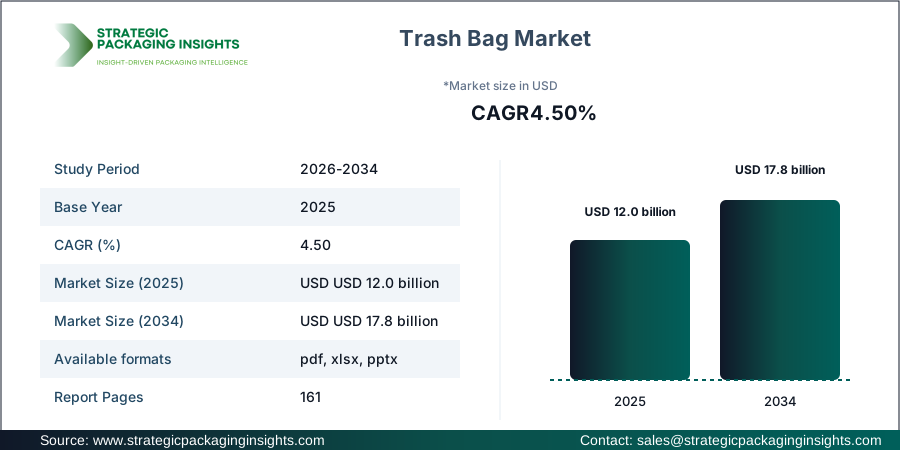
One of the most impactful drivers of the Trash Bag market is the increasing emphasis on sustainable and eco-friendly products. Governments worldwide are implementing regulations to reduce plastic waste, which is encouraging manufacturers to develop biodegradable and compostable trash bags. This shift is supported by consumer preferences for environmentally responsible products, as highlighted by various environmental agencies. Brands like Berry Global and Novolex are investing in research and development to create sustainable alternatives that meet regulatory standards and consumer expectations. This trend is expected to significantly influence the market dynamics, offering growth opportunities for companies that prioritize sustainability in their product lines.
Report Scope
| Attributes | Details |
| Report Title | Trash Bag Market Size, Future Growth and Forecast 2034 |
| By Material | HDPE, LLDPE/LDPE, Recycled PE (PCR), Biodegradable & Compostable |
| By Type | Drawstring, Flap Tie, Star Seal, Wave Top |
| By Capacity | Small (Below 30 L), Medium (30-60 L), Large (60-120 L), Extra Large (Above 120 L) |
| By End Use | Residential, Commercial & Institutional, Industrial, Healthcare (Clinical Waste), Municipal |
| By Region | North America (U.S., Canada, Mexico), Europe (Germany, UK, France, Italy, Spain, Rest of Europe), Asia Pacific (China, India, Japan, South Korea, Australia, Rest of Asia Pacific), Latin America (Brazil, Argentina, Rest of Latin America), Middle East & Africa (GCC Countries, South Africa, Rest of MEA) |
| Base Year | 2025 |
| Historic Period | 2018-2024 |
| Forecast Period | 2026-2034 |
| Number of Pages | 161 |
| Customization Available | Yes* |
Sustainability & Circular Economy Analysis
Sustainability initiatives and circular economy practices are reshaping the packaging market, with a strong focus on reducing environmental impact. The Trash Bag market is no exception, as manufacturers are increasingly adopting recyclable materials and eco-friendly innovations. The use of biodegradable and compostable materials is gaining traction, driven by consumer demand for sustainable products and regulatory pressures to minimize plastic waste. Companies like Berry Global are leading the way by integrating recycled content into their products, thereby reducing the carbon footprint and promoting a circular economy.
These sustainability trends are influencing packaging design and manufacturing processes, encouraging companies to invest in lightweight packaging solutions that reduce material usage and transportation costs. The emphasis on eco-friendly material innovation is also driving investment decisions, as companies seek to align with consumer sustainability preferences and regulatory compliance. Extended Producer Responsibility (EPR) initiatives are further pushing manufacturers to take responsibility for the entire lifecycle of their products, from production to disposal, enhancing long-term market competitiveness.
As a result, supply chain strategies are evolving to incorporate waste reduction and recycling networks, ensuring that packaging materials are reused and repurposed. This shift towards a circular economy is not only beneficial for the environment but also offers economic advantages by reducing raw material costs and enhancing brand reputation. Companies that embrace these sustainability trends are likely to gain a competitive edge in the market, as consumers increasingly prioritize environmentally responsible products.
Packaging Value Chain & Supply Chain Analysis
The packaging value chain is a complex ecosystem that involves multiple stakeholders, from raw material suppliers to end consumers. In the Trash Bag market, raw material sourcing is a critical component, as the availability and cost of materials like HDPE and LLDPE/LDPE directly impact production capabilities and pricing strategies. Packaging converters and manufacturers play a pivotal role in transforming these raw materials into finished products, utilizing advanced machinery and technology to enhance efficiency and quality.
Logistics and distribution channels are essential for ensuring that trash bags reach consumers in a timely and cost-effective manner. Efficient transportation and inventory management are crucial for maintaining supply chain resilience, especially in a market where demand can fluctuate based on seasonal and regional factors. Strategic partnerships with logistics providers and retailers are vital for optimizing distribution networks and ensuring product availability across diverse markets.
Recycling networks are becoming increasingly important in the packaging value chain, as companies strive to meet sustainability goals and regulatory requirements. By integrating recycling processes into their operations, manufacturers can reduce waste and promote a circular economy. This approach not only enhances environmental sustainability but also offers economic benefits by lowering raw material costs and improving brand reputation. Companies that prioritize supply chain efficiency and sustainability are better positioned to succeed in the competitive Trash Bag market.
Opportunities & Threats
The Trash Bag market presents numerous opportunities for growth, driven by increasing urbanization and the need for effective waste management solutions. The rising awareness about hygiene and cleanliness is boosting demand for trash bags in residential, commercial, and industrial sectors. Additionally, the growing emphasis on sustainability is creating opportunities for manufacturers to develop eco-friendly products that cater to environmentally conscious consumers. Companies that invest in research and development to create innovative, biodegradable, and compostable trash bags are likely to gain a competitive edge in the market.
Another significant opportunity lies in the expansion of the healthcare sector, where the demand for specialized trash bags for clinical waste management is on the rise. The increasing focus on infection control and waste segregation in healthcare facilities is driving the need for high-quality trash bags that meet stringent regulatory standards. Manufacturers that can offer reliable and compliant solutions for healthcare waste management are well-positioned to capitalize on this growing market segment.
However, the Trash Bag market also faces several threats, including regulatory challenges and fluctuating raw material prices. Stringent regulations on plastic waste and the push for sustainability are compelling manufacturers to invest in new technologies and materials, which can increase production costs. Additionally, the volatility in raw material prices, particularly for petroleum-based products like HDPE and LLDPE/LDPE, can impact profit margins and pricing strategies. Companies must navigate these challenges by adopting efficient procurement strategies and exploring alternative materials to maintain competitiveness.
Drivers & Challenges
One of the primary drivers of the Trash Bag market is the increasing demand for waste management solutions across various sectors. Urbanization and population growth are leading to higher waste generation, necessitating efficient and effective waste disposal methods. Trash bags offer a convenient and hygienic solution for waste collection and disposal, making them an essential product for households, businesses, and institutions. The growing awareness about environmental sustainability is also driving demand for eco-friendly trash bags, as consumers seek products that minimize their environmental impact.
Technological advancements in material science and manufacturing processes are further driving the market, enabling the production of high-quality, durable, and sustainable trash bags. Innovations in biodegradable and compostable materials are gaining traction, as manufacturers strive to meet regulatory requirements and consumer preferences for environmentally responsible products. Companies that invest in research and development to create innovative solutions are likely to benefit from these trends and gain a competitive advantage in the market.
Despite these drivers, the Trash Bag market faces several challenges, including regulatory pressures and competition from alternative waste management solutions. Stringent regulations on plastic waste and the push for sustainability are compelling manufacturers to invest in new technologies and materials, which can increase production costs. Additionally, the availability of alternative waste management solutions, such as composting and recycling, may impact demand for traditional trash bags. Companies must navigate these challenges by adopting efficient procurement strategies and exploring alternative materials to maintain competitiveness.
Market Share Analysis
The Trash Bag market is characterized by intense competition, with several key players dominating the landscape. Companies like Glad (Clorox), Reynolds (Hefty), and Berry Global hold significant market shares, driven by their strong brand presence and extensive product portfolios. These companies have established themselves as leaders in the market by offering a wide range of trash bags that cater to diverse consumer needs, from residential to industrial applications. Their focus on innovation and sustainability has further strengthened their market position, as they continue to develop eco-friendly products that align with consumer preferences and regulatory requirements.
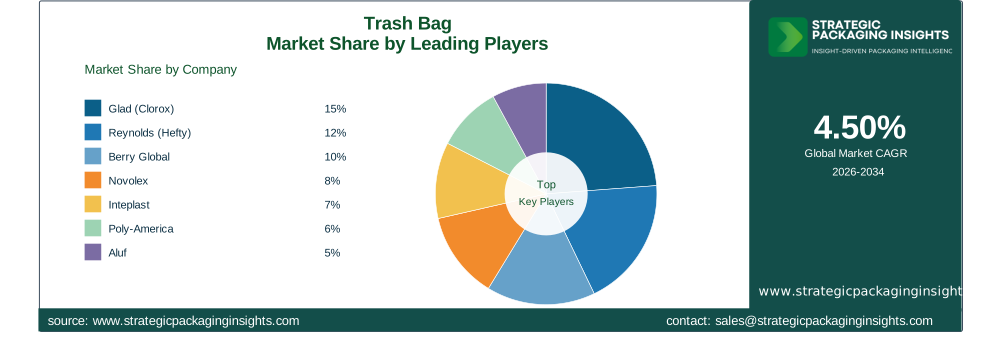
Novolex and Inteplast are also prominent players in the Trash Bag market, known for their commitment to quality and sustainability. These companies have invested in advanced manufacturing technologies and sustainable materials to produce high-performance trash bags that meet the evolving needs of consumers and businesses. Their strategic partnerships with retailers and distributors have enabled them to expand their market reach and enhance their competitive advantage.
Poly-America and Aluf are key competitors in the market, offering a diverse range of trash bags that cater to various end-use applications. These companies have focused on product differentiation and innovation to capture market share, leveraging their expertise in material science and manufacturing processes to develop unique and high-quality products. Their emphasis on customer satisfaction and environmental responsibility has further bolstered their market position.
International Plastics and Terdex are notable players in the Trash Bag market, recognized for their innovative product offerings and commitment to sustainability. These companies have adopted a customer-centric approach, focusing on delivering value-added solutions that meet the specific needs of their clients. Their investment in research and development has enabled them to stay ahead of market trends and maintain a competitive edge in the industry.
Key Highlights
- Market Size: The Trash Bag market was valued at USD 12.0 billion in 2025 and is projected to reach USD 17.8 billion by 2034.
- Growth Rate: The market is expected to grow at a CAGR of 4.50% during the forecast period.
- Leading Companies: Key players include Glad (Clorox), Reynolds (Hefty), Berry Global, and Novolex.
- Sustainability Trends: Increasing demand for biodegradable and compostable trash bags.
- Regional Insights: Asia Pacific is expected to witness significant growth due to urbanization and industrialization.
- Material Innovation: Companies are focusing on eco-friendly materials like recycled PE and biodegradable options.
- End-Use Applications: Growing demand in residential, commercial, and healthcare sectors.
Trash Bag Market Segments Insights

By Material Analysis
The Trash Bag market is segmented by material, with HDPE, LLDPE/LDPE, Recycled PE (PCR), and Biodegradable & Compostable materials being the primary categories. HDPE and LLDPE/LDPE are widely used due to their durability and cost-effectiveness, making them popular choices for both residential and commercial applications. However, the growing emphasis on sustainability is driving demand for recycled and biodegradable materials. Companies like Berry Global are investing in research and development to create innovative solutions that meet consumer preferences for eco-friendly products. The shift towards sustainable materials is expected to influence market dynamics, offering growth opportunities for manufacturers that prioritize environmental responsibility.
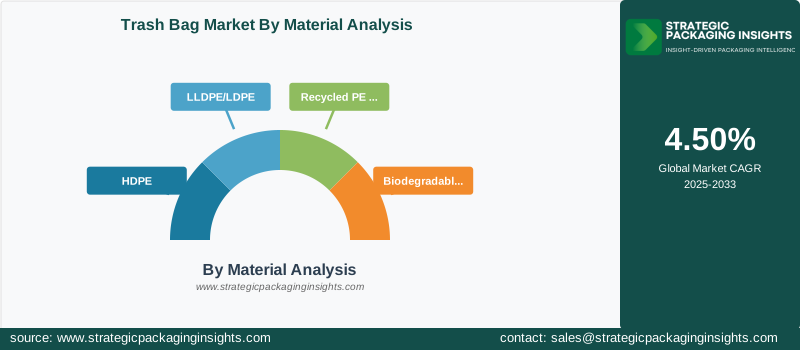
Recycled PE (PCR) is gaining traction as consumers and businesses seek to reduce their carbon footprint and support a circular economy. The use of post-consumer recycled materials not only minimizes waste but also aligns with regulatory requirements for sustainable packaging. Biodegradable and compostable materials are also becoming increasingly popular, driven by consumer demand for products that minimize environmental impact. Manufacturers that can offer high-quality, sustainable trash bags are likely to gain a competitive edge in the market, as consumers prioritize environmentally responsible products.
By Type Analysis
The Trash Bag market is also segmented by type, with Drawstring, Flap Tie, Star Seal, and Wave Top being the primary categories. Drawstring bags are popular for their convenience and ease of use, making them a preferred choice for residential applications. Flap Tie bags offer a secure closure, making them suitable for commercial and industrial use. Star Seal bags are known for their strength and durability, making them ideal for heavy-duty applications. Wave Top bags are designed for easy handling and disposal, making them a popular choice for healthcare and municipal waste management.
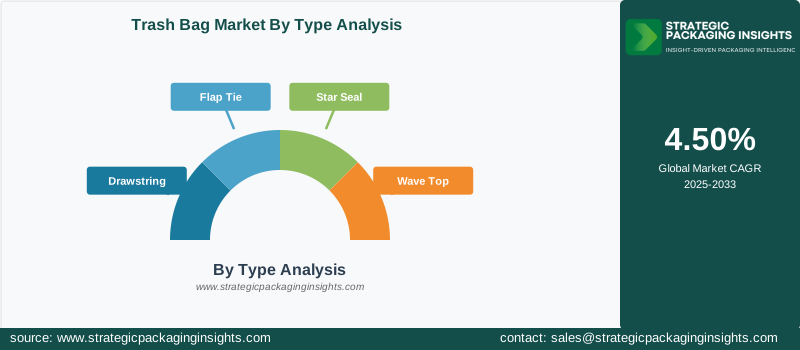
Manufacturers are focusing on product innovation to meet the diverse needs of consumers and businesses. The emphasis on convenience and functionality is driving demand for innovative designs that enhance user experience and improve waste management efficiency. Companies that can offer a wide range of high-quality, versatile trash bags are likely to capture significant market share, as consumers seek products that meet their specific needs and preferences.
By Capacity Analysis
The Trash Bag market is segmented by capacity, with Small (Below 30 L), Medium (30-60 L), Large (60-120 L), and Extra Large (Above 120 L) being the primary categories. Small and medium-sized bags are popular for residential use, offering convenience and ease of handling for everyday waste disposal. Large and extra-large bags are preferred for commercial, industrial, and healthcare applications, where the volume of waste generated is higher.
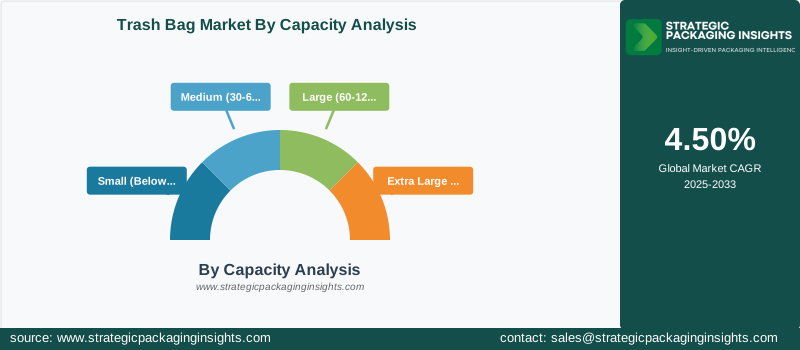
Manufacturers are focusing on developing high-capacity bags that offer strength and durability, ensuring they can handle heavy loads without tearing or leaking. The emphasis on quality and performance is driving demand for trash bags that meet the specific needs of different end-use applications. Companies that can offer a diverse range of high-capacity, durable trash bags are likely to gain a competitive advantage in the market, as consumers seek reliable solutions for waste management.
By End Use Analysis
The Trash Bag market is segmented by end use, with Residential, Commercial & Institutional, Industrial, Healthcare (Clinical Waste), and Municipal being the primary categories. Residential applications account for a significant share of the market, driven by the need for convenient and hygienic waste disposal solutions. Commercial and institutional applications are also a major segment, with businesses and organizations seeking reliable trash bags for waste management.
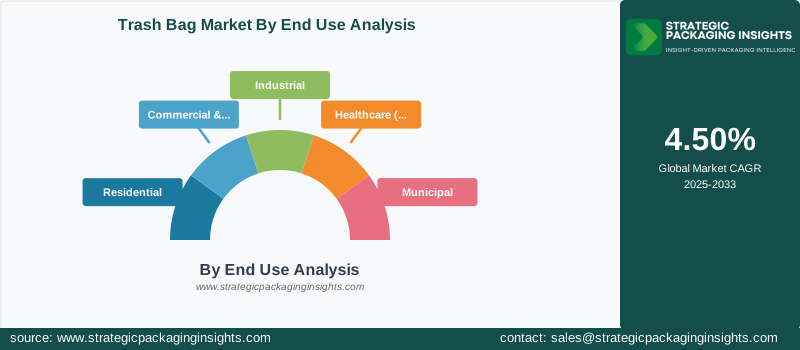
Industrial and healthcare applications are growing segments, driven by the need for specialized trash bags that meet stringent regulatory standards for waste management. Municipal applications are also a key segment, with local governments and waste management companies seeking high-quality trash bags for public waste disposal. Manufacturers that can offer a wide range of high-performance trash bags for different end-use applications are likely to capture significant market share, as consumers and businesses seek reliable solutions for waste management.
Trash Bag Market Segments
The Trash Bag market has been segmented on the basis ofBy Material
- HDPE
- LLDPE/LDPE
- Recycled PE (PCR)
- Biodegradable & Compostable
By Type
- Drawstring
- Flap Tie
- Star Seal
- Wave Top
By Capacity
- Small (Below 30 L)
- Medium (30-60 L)
- Large (60-120 L)
- Extra Large (Above 120 L)
By End Use
- Residential
- Commercial & Institutional
- Industrial
- Healthcare (Clinical Waste)
- Municipal
By Region
- North America (U.S., Canada, Mexico)
- Europe (Germany, UK, France, Italy, Spain, Rest of Europe)
- Asia Pacific (China, India, Japan, South Korea, Australia, Rest of Asia Pacific)
- Latin America (Brazil, Argentina, Rest of Latin America)
- Middle East & Africa (GCC Countries, South Africa, Rest of MEA)




