


Topical Applicators Market Outlook
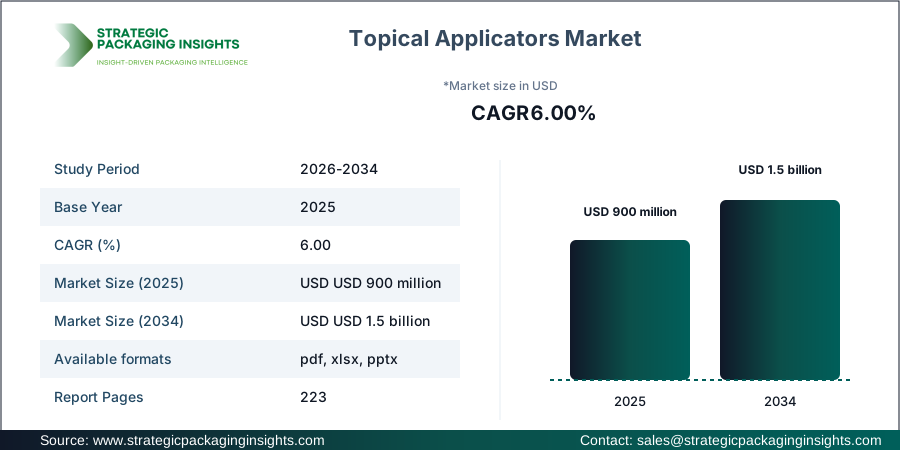
The Topical Applicators market size was valued at USD 900 million in 2025 and is anticipated to reach USD 1.5 billion by 2034, growing at a CAGR of 6.00% during the forecast period according to Strategic Packaging Insights. The market is witnessing significant growth due to the increasing demand for convenient and hygienic application methods in pharmaceuticals and cosmetics. Companies like AptarGroup and Berry Global are leading the charge by innovating in applicator designs that cater to both consumer and industrial needs. The rise in dermatological issues and the growing trend of self-medication are further propelling the demand for topical applicators, making them an essential component in personal care and medical product packaging.
One of the most impactful drivers of the Topical Applicators market is the increasing consumer preference for products that offer ease of use and precision in application. This trend is supported by the growing awareness of hygiene and the need for effective medication delivery systems. According to a report by the World Health Organization, the rise in skin-related ailments and the subsequent demand for dermatological treatments are significant factors contributing to the market's expansion. Companies like APG and Raepak are focusing on developing applicators that not only enhance user experience but also ensure the optimal use of the product, thereby reducing waste and improving cost efficiency for manufacturers.
Report Scope
| Attributes | Details |
| Report Title | Topical Applicators Market Size, Future Growth and Forecast 2034 |
| By Type | Roll-On Applicators, Sponge / Foam Applicators, Brush Applicators, Swab & Dab Applicators, Metered Dose Topical Applicators, Spatulas & Wands |
| By Material | Plastic, Foam, Silicone, Natural Fiber |
| By End Use | Pharmaceuticals (Dermatology, Pain Relief), Cosmetics & Skincare, Veterinary, Medical / Wound Care |
| By Region | North America (U.S., Canada, Mexico), Europe (Germany, UK, France, Italy, Spain, Rest of Europe), Asia Pacific (China, India, Japan, South Korea, Australia, Rest of Asia Pacific), Latin America (Brazil, Argentina, Rest of Latin America), Middle East & Africa (GCC Countries, South Africa, Rest of MEA) |
| Base Year | 2025 |
| Historic Period | 2018-2024 |
| Forecast Period | 2026-2034 |
| Number of Pages | 223 |
| Customization Available | Yes* |
Sustainability & Circular Economy Analysis
Sustainability initiatives are increasingly shaping the Topical Applicators market, with a strong emphasis on eco-friendly materials and waste reduction strategies. Companies are investing in recyclable and biodegradable materials to align with consumer preferences for sustainable products. The use of natural fibers and silicone in applicator manufacturing is gaining traction, as these materials offer both durability and environmental benefits. This shift towards sustainable materials is not only reducing the carbon footprint of packaging solutions but also enhancing brand reputation and consumer loyalty.
The circular economy is influencing packaging design and manufacturing processes, encouraging companies to adopt reusable and refillable applicator systems. This approach not only minimizes waste but also offers cost savings in the long run. Extended Producer Responsibility (EPR) regulations are pushing manufacturers to take accountability for the entire lifecycle of their products, prompting innovations in design and material selection. As a result, companies like Quadpack and HCP Packaging are exploring new ways to integrate sustainability into their product lines, ensuring compliance with regulatory standards and meeting consumer expectations.
Investment decisions in the Topical Applicators market are increasingly driven by sustainability trends, with companies prioritizing eco-friendly innovations to maintain competitiveness. Supply chain strategies are being re-evaluated to incorporate sustainable practices, from raw material sourcing to end-of-life disposal. This holistic approach not only enhances operational efficiency but also positions companies as leaders in the sustainable packaging movement. As consumer demand for green products continues to rise, the market is expected to see increased investment in research and development of sustainable applicator solutions.
Packaging Value Chain & Supply Chain Analysis
The packaging value chain for topical applicators involves a complex network of raw material suppliers, converters, manufacturers, and logistics providers. Efficient raw material sourcing is crucial, as it directly impacts production costs and timelines. Companies like Berry Global are leveraging strategic partnerships with material suppliers to ensure a steady supply of high-quality inputs, such as plastics and silicones, which are essential for manufacturing durable and effective applicators. This collaboration not only enhances supply chain resilience but also allows for innovation in material use, contributing to the development of advanced applicator designs.
Packaging converters and manufacturers play a pivotal role in transforming raw materials into finished applicators. The integration of advanced machinery and technology in production processes is enhancing efficiency and reducing lead times. Companies are investing in state-of-the-art equipment to improve precision and consistency in applicator production. Logistics and distribution channels are equally important, as they ensure timely delivery of products to brand owners and retailers. Efficient inventory management and transportation strategies are critical for maintaining competitiveness in the market, as they directly affect the availability and cost of topical applicators.
Recycling networks and procurement strategies are becoming increasingly important in the packaging value chain, as companies strive to meet sustainability goals. The adoption of localized sourcing and production is gaining momentum, as it reduces transportation costs and carbon emissions. Global sourcing, however, remains a key strategy for accessing diverse materials and technologies. Companies like Raepak and qosmedix are balancing these approaches to optimize their supply chains, ensuring they can meet the growing demand for topical applicators while adhering to environmental and regulatory standards.
Opportunities & Threats
The Topical Applicators market presents numerous opportunities for growth, particularly in the development of innovative applicator designs that cater to specific consumer needs. The increasing demand for personalized and targeted skincare and pharmaceutical products is driving the need for applicators that offer precision and ease of use. Companies that can develop applicators with unique features, such as adjustable dosing or multi-functional use, are likely to capture significant market share. Additionally, the expansion of e-commerce platforms is providing new avenues for product distribution, allowing companies to reach a broader consumer base and increase sales.
Another opportunity lies in the growing trend of sustainability and eco-conscious consumerism. Companies that invest in the development of biodegradable and recyclable applicators are well-positioned to capitalize on this trend. The implementation of circular economy practices, such as reusable applicator systems, can also provide a competitive edge. By aligning with consumer preferences for sustainable products, companies can enhance their brand image and foster customer loyalty. Furthermore, the increasing prevalence of skin-related health issues presents an opportunity for companies to expand their product offerings in the medical and pharmaceutical sectors.
Despite the opportunities, the market faces several threats, including stringent regulatory requirements and the high cost of raw materials. Compliance with safety and environmental regulations can be challenging, particularly for companies operating in multiple regions with varying standards. The volatility of raw material prices, such as plastics and silicones, can also impact production costs and profit margins. Additionally, the market is highly competitive, with numerous players vying for market share. Companies must continuously innovate and differentiate their products to maintain a competitive edge and avoid commoditization.
Drivers & Challenges
The primary drivers of the Topical Applicators market include the increasing demand for convenient and hygienic application methods in the pharmaceutical and cosmetics industries. The rise in dermatological issues and the growing trend of self-medication are fueling the demand for topical applicators, as they offer precise and controlled application of products. Companies like AptarGroup and Berry Global are leading the charge by innovating in applicator designs that cater to both consumer and industrial needs. The expansion of the cosmetics and skincare industry, driven by rising consumer awareness and disposable income, is also contributing to market growth.
Technological advancements in applicator design and manufacturing processes are further driving market growth. The integration of smart technologies, such as sensors and IoT, into applicators is enhancing their functionality and user experience. Companies are investing in research and development to create applicators that offer unique features, such as adjustable dosing and multi-functional use. The increasing focus on sustainability and eco-friendly packaging solutions is also driving innovation in the market, as companies strive to meet consumer preferences for green products.
However, the market faces several challenges, including stringent regulatory requirements and the high cost of raw materials. Compliance with safety and environmental regulations can be challenging, particularly for companies operating in multiple regions with varying standards. The volatility of raw material prices, such as plastics and silicones, can also impact production costs and profit margins. Additionally, the market is highly competitive, with numerous players vying for market share. Companies must continuously innovate and differentiate their products to maintain a competitive edge and avoid commoditization.
Market Share Analysis
The competitive landscape of the Topical Applicators market is characterized by the presence of several key players, each striving to capture a significant share of the market. Companies like AptarGroup, Berry Global, and APG (applicators) are leading the market with their innovative product offerings and strong distribution networks. These companies are focusing on expanding their product portfolios and enhancing their manufacturing capabilities to meet the growing demand for topical applicators. The market is also witnessing the entry of new players, which is intensifying competition and driving innovation.
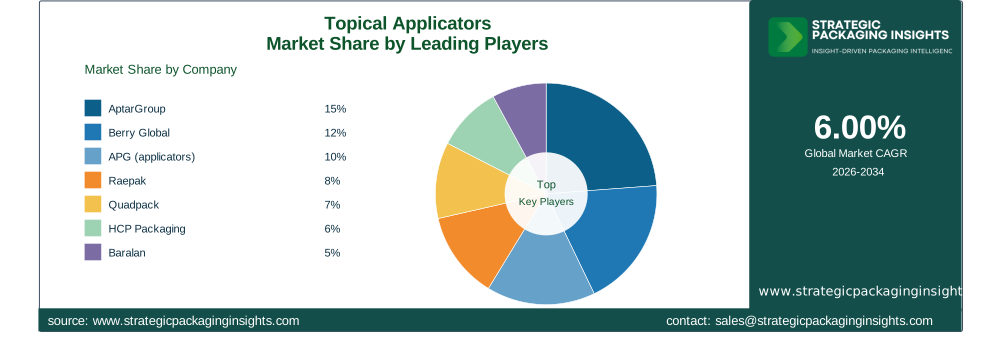
AptarGroup is a prominent player in the market, known for its advanced applicator designs and commitment to sustainability. The company is investing in research and development to create eco-friendly applicators that meet consumer preferences for green products. Berry Global is another key player, offering a wide range of applicators for various end-use applications. The company's strong focus on customer satisfaction and product quality has helped it maintain a competitive edge in the market. APG (applicators) is also making significant strides in the market, with its innovative applicator designs and strong distribution network.
Quadpack is a notable player in the market, known for its focus on sustainability and eco-friendly packaging solutions. The company is investing in the development of biodegradable and recyclable applicators to meet the growing demand for sustainable products. HCP Packaging is another key player, offering a wide range of applicators for the cosmetics and skincare industry. The company's strong focus on innovation and product quality has helped it maintain a competitive edge in the market. Baralan and qosmedix are also making significant contributions to the market, with their innovative product offerings and strong distribution networks.
Raepak is a leading player in the market, known for its focus on sustainability and eco-friendly packaging solutions. The company is investing in the development of biodegradable and recyclable applicators to meet the growing demand for sustainable products. The company's strong focus on innovation and product quality has helped it maintain a competitive edge in the market. The competitive landscape of the Topical Applicators market is expected to remain dynamic, with companies continuously innovating and expanding their product offerings to meet the evolving needs of consumers.
Key Highlights
- Market Size: USD 900 million in 2025, projected to reach USD 1.5 billion by 2034.
- Growth Rate: Forecasted CAGR of 6.00% from 2026 to 2034.
- Leading Companies: AptarGroup, Berry Global, APG (applicators), Raepak, Quadpack.
- Growing Segments: Pharmaceuticals and Cosmetics & Skincare.
- Material Innovation: Increasing use of natural fibers and silicone.
- Regional Growth: Asia Pacific expected to lead with the highest CAGR.
- Sustainability Focus: Emphasis on biodegradable and recyclable materials.
Topical Applicators Market Segments Insights

By Type Analysis
The Topical Applicators market is segmented by type into Roll-On Applicators, Sponge / Foam Applicators, Brush Applicators, Swab & Dab Applicators, Metered Dose Topical Applicators, and Spatulas & Wands. Roll-On Applicators are gaining popularity due to their ease of use and ability to provide even application of products. They are widely used in the cosmetics and skincare industry for products like deodorants and lotions. Sponge / Foam Applicators are preferred for their soft texture and ability to blend products seamlessly, making them ideal for makeup and skincare applications. Brush Applicators are commonly used for precise application of liquid and cream products, offering control and accuracy.
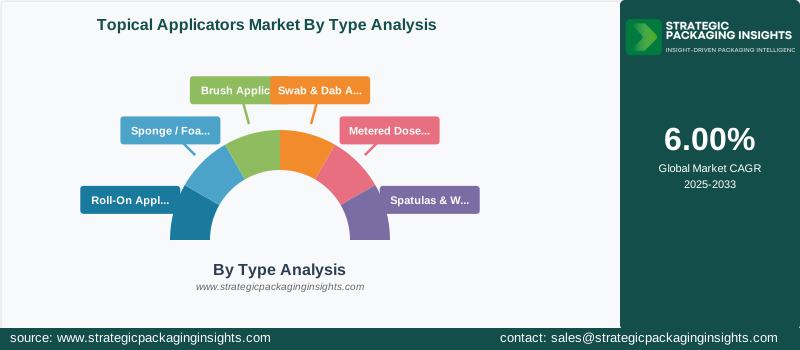
Swab & Dab Applicators are designed for targeted application of products, making them suitable for medical and wound care applications. Metered Dose Topical Applicators are gaining traction in the pharmaceutical industry, as they allow for precise dosing of medications, ensuring effective treatment and minimizing waste. Spatulas & Wands are versatile applicators used in both cosmetics and medical applications, offering flexibility and ease of use. The demand for innovative applicator designs that cater to specific consumer needs is driving growth in this segment, with companies focusing on developing applicators that offer unique features and enhanced user experience.
By Material Analysis
The Topical Applicators market is segmented by material into Plastic, Foam, Silicone, and Natural Fiber. Plastic remains the most widely used material due to its durability, versatility, and cost-effectiveness. However, the increasing focus on sustainability is driving the demand for eco-friendly materials like Natural Fiber and Silicone. Natural Fiber applicators are gaining popularity due to their biodegradability and environmental benefits, aligning with consumer preferences for sustainable products. Silicone applicators are favored for their flexibility, durability, and ability to provide a smooth application, making them ideal for both cosmetics and medical applications.
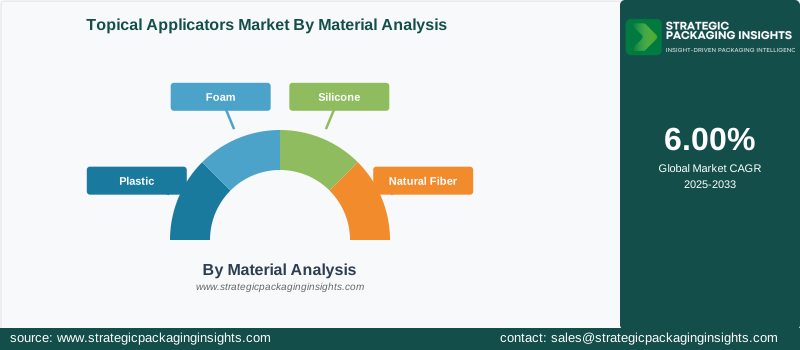
Foam applicators are preferred for their soft texture and ability to blend products seamlessly, making them suitable for makeup and skincare applications. The demand for innovative materials that offer both functionality and sustainability is driving growth in this segment, with companies investing in research and development to create eco-friendly applicator solutions. The increasing adoption of sustainable materials is not only reducing the carbon footprint of packaging solutions but also enhancing brand reputation and consumer loyalty, positioning companies as leaders in the sustainable packaging movement.
By End Use Analysis
The Topical Applicators market is segmented by end use into Pharmaceuticals (Dermatology, Pain Relief), Cosmetics & Skincare, Veterinary, and Medical / Wound Care. The Pharmaceuticals segment is witnessing significant growth due to the increasing demand for convenient and hygienic application methods for dermatological and pain relief products. The rise in skin-related health issues and the growing trend of self-medication are driving the demand for topical applicators in this segment. The Cosmetics & Skincare segment is also experiencing robust growth, driven by the increasing consumer awareness of skincare and beauty products.
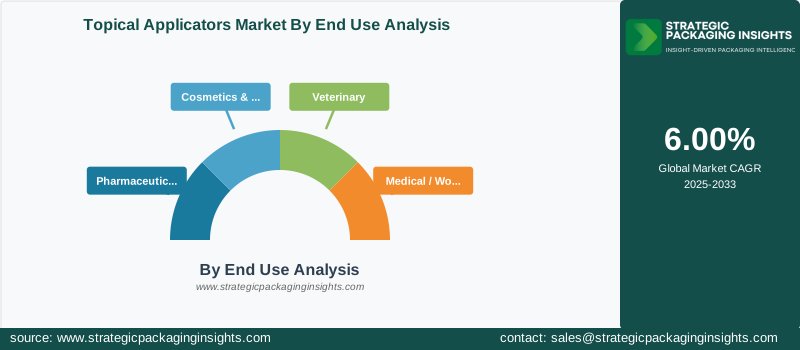
The Veterinary segment is gaining traction as pet owners seek convenient and effective application methods for animal care products. The Medical / Wound Care segment is benefiting from the increasing demand for precise and controlled application of medical products, ensuring effective treatment and minimizing waste. The demand for innovative applicator designs that cater to specific consumer needs is driving growth in this segment, with companies focusing on developing applicators that offer unique features and enhanced user experience. The increasing focus on sustainability and eco-friendly packaging solutions is also driving innovation in the market, as companies strive to meet consumer preferences for green products.
Topical Applicators Market Segments
The Topical Applicators market has been segmented on the basis ofBy Type
- Roll-On Applicators
- Sponge / Foam Applicators
- Brush Applicators
- Swab & Dab Applicators
- Metered Dose Topical Applicators
- Spatulas & Wands
By Material
- Plastic
- Foam
- Silicone
- Natural Fiber
By End Use
- Pharmaceuticals (Dermatology, Pain Relief)
- Cosmetics & Skincare
- Veterinary
- Medical / Wound Care
By Region
- North America (U.S., Canada, Mexico)
- Europe (Germany, UK, France, Italy, Spain, Rest of Europe)
- Asia Pacific (China, India, Japan, South Korea, Australia, Rest of Asia Pacific)
- Latin America (Brazil, Argentina, Rest of Latin America)
- Middle East & Africa (GCC Countries, South Africa, Rest of MEA)




