


Top Coated Direct Thermal Printing Film Market Outlook
The Top Coated Direct Thermal Printing Film market was valued at $2.65 billion in 2025 and is projected to reach $3.97 billion by 2034, growing at a CAGR of 4.6% during the forecast period 2026-2034. This market is driven by the increasing demand for efficient and cost-effective printing solutions across various industries. The growth is further fueled by advancements in printing technology and the rising need for high-quality, durable labels and tags in sectors such as retail, logistics, and healthcare. The market's expansion is also supported by the growing trend of e-commerce, which necessitates efficient labeling and tracking solutions.
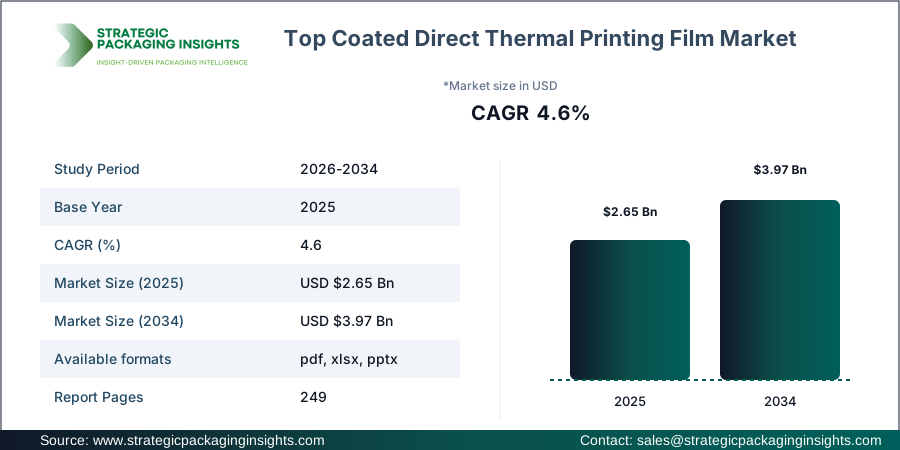
Despite the promising growth prospects, the market faces certain challenges, including stringent environmental regulations and the high cost of raw materials. However, the potential for growth remains significant, particularly with the increasing adoption of sustainable and eco-friendly printing solutions. The market is also witnessing a shift towards digitalization, which is expected to create new opportunities for innovation and development in the coming years. As companies continue to invest in research and development, the market is poised for substantial growth, driven by the demand for advanced printing technologies and materials.
Report Scope
| Attributes | Details |
| Report Title | Top Coated Direct Thermal Printing Film Market Size, Future Growth and Forecast 2034 |
| Material Type | BOPP, PET, Synthetic Paper |
| Application | Labels, Tickets, Tags, Receipts |
| End Use | Retail, Logistics, Healthcare, Food Labeling |
| Coating Type | Top-Coated Films, Barrier-Coated Films, Premium Printable Films |
| Region | Asia Pacific, North America, Latin America, Europe, Middle East & Africa |
| Base Year | 2025 |
| Historic Period | 2018-2024 |
| Forecast Period | 2026-2034 |
| Number of Pages | 249 |
| Customization Available | Yes* |
Opportunities & Threats
The Top Coated Direct Thermal Printing Film market presents numerous opportunities, particularly in the realm of sustainable and eco-friendly solutions. As environmental concerns continue to rise, there is a growing demand for biodegradable and recyclable printing films. This trend is encouraging manufacturers to innovate and develop new products that meet these sustainability criteria. Additionally, the increasing adoption of digital printing technologies is opening up new avenues for growth, as these technologies offer enhanced efficiency and cost-effectiveness. The expansion of e-commerce and the need for efficient supply chain management are also driving demand for high-quality labeling solutions, providing further opportunities for market growth.
Another significant opportunity lies in the development of advanced coating technologies that enhance the durability and performance of thermal printing films. These innovations are particularly relevant in industries such as healthcare and logistics, where the need for reliable and long-lasting labels is critical. Furthermore, the growing trend of personalization and customization in printing is creating new market segments, as businesses seek to differentiate their products and services through unique and tailored labeling solutions.
However, the market also faces certain threats, primarily related to regulatory challenges and the volatility of raw material prices. Stringent environmental regulations can pose significant hurdles for manufacturers, particularly in regions with strict compliance requirements. Additionally, fluctuations in the prices of raw materials such as BOPP and PET can impact production costs and profit margins. Companies must navigate these challenges carefully to maintain competitiveness and capitalize on the growth opportunities in the market.
Drivers & Challenges
The primary drivers of the Top Coated Direct Thermal Printing Film market include the increasing demand for efficient and cost-effective printing solutions across various industries. The rise of e-commerce and the need for effective supply chain management have significantly boosted the demand for high-quality labels and tags. Additionally, advancements in printing technology have led to the development of more durable and reliable thermal printing films, further driving market growth. The growing emphasis on sustainability and eco-friendliness is also a key driver, as consumers and businesses alike seek environmentally responsible solutions.
Another major driver is the increasing adoption of digital printing technologies, which offer enhanced efficiency and cost-effectiveness. These technologies are particularly appealing to industries such as retail and logistics, where the need for quick and accurate labeling is paramount. The trend towards personalization and customization in printing is also driving demand, as businesses look to differentiate their products and services through unique and tailored labeling solutions. As a result, the market is witnessing significant investment in research and development, leading to the introduction of innovative products and technologies.
Despite these drivers, the market faces several challenges, including regulatory hurdles and the volatility of raw material prices. Stringent environmental regulations can pose significant obstacles for manufacturers, particularly in regions with strict compliance requirements. Additionally, fluctuations in the prices of raw materials such as BOPP and PET can impact production costs and profit margins. Companies must navigate these challenges carefully to maintain competitiveness and capitalize on the growth opportunities in the market. Furthermore, the high cost of advanced printing technologies can be a barrier to entry for smaller players, limiting market growth potential.
Market Share Analysis
The competitive landscape of the Top Coated Direct Thermal Printing Film market is characterized by the presence of several key players who dominate the market with their extensive product portfolios and strong distribution networks. Companies such as Avery Dennison, UPM Raflatac, and Cosmo Films hold significant market shares due to their innovative product offerings and strategic partnerships. These companies have established themselves as leaders in the market by continuously investing in research and development to introduce advanced and sustainable printing solutions.
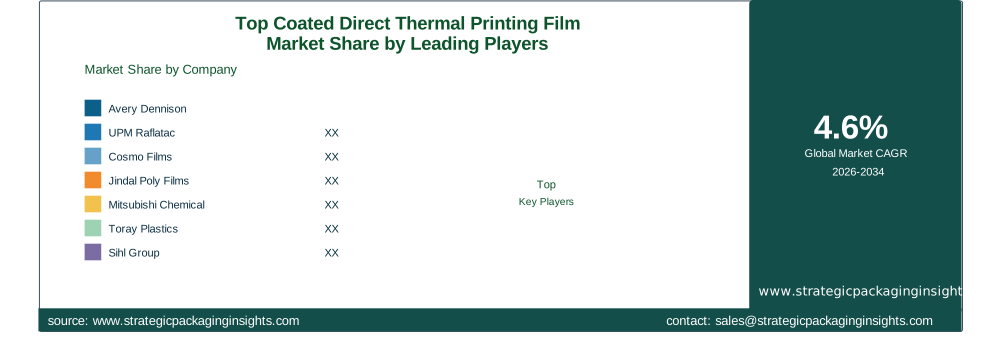
Avery Dennison, for instance, is renowned for its comprehensive range of labeling and packaging materials, which cater to various industries including retail, logistics, and healthcare. The company's focus on sustainability and innovation has enabled it to maintain a strong market position. Similarly, UPM Raflatac is a key player known for its high-quality labeling solutions and commitment to environmental responsibility. The company's extensive global presence and strong customer relationships have contributed to its significant market share.
Cosmo Films is another major player in the market, recognized for its advanced coating technologies and diverse product offerings. The company's focus on innovation and customer-centric solutions has helped it capture a substantial share of the market. Jindal Poly Films and Mitsubishi Chemical are also prominent players, known for their wide range of thermal printing films and strong distribution networks. These companies have leveraged their technological expertise and market knowledge to expand their presence in the global market.
Other notable companies in the market include Toray Plastics, Sihl Group, Ricoh, Innovia Films, and Nekoosa. These companies have established themselves as key players through their focus on quality, innovation, and customer satisfaction. Their strategic initiatives, such as mergers and acquisitions, partnerships, and product launches, have enabled them to strengthen their market positions and expand their customer base. Overall, the competitive landscape of the Top Coated Direct Thermal Printing Film market is dynamic, with companies continuously striving to enhance their product offerings and gain a competitive edge.
Key Highlights
- The market is projected to grow from $2.65 billion in 2025 to $3.97 billion by 2034, at a CAGR of 4.6%.
- Increasing demand for sustainable and eco-friendly printing solutions is driving market growth.
- Advancements in digital printing technologies are opening new avenues for innovation.
- The rise of e-commerce is boosting demand for high-quality labeling solutions.
- Stringent environmental regulations pose challenges for manufacturers.
- Fluctuations in raw material prices can impact production costs and profit margins.
- Key players include Avery Dennison, UPM Raflatac, and Cosmo Films, among others.
Top Countries Insights
In the Top Coated Direct Thermal Printing Film market, the United States stands out as a leading country, with a market size of approximately $1.2 billion and a CAGR of 5%. The country's growth is driven by the robust demand for efficient labeling solutions in the retail and logistics sectors. The presence of major players and the adoption of advanced printing technologies further bolster the market's expansion. Additionally, favorable government policies supporting sustainable practices contribute to the market's growth in the United States.
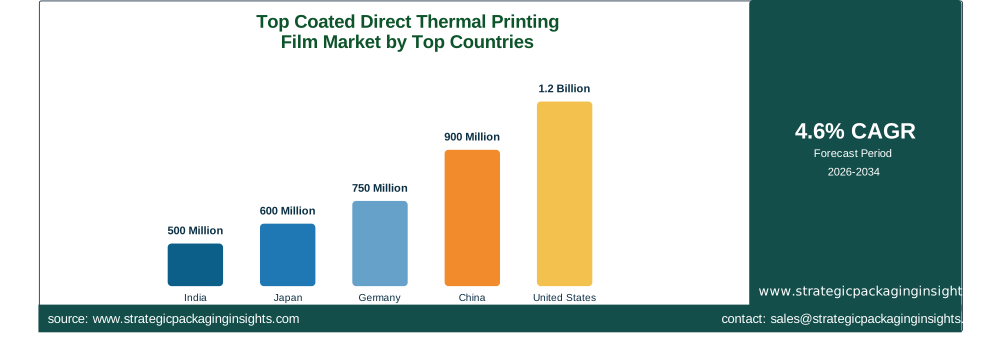
China is another significant player in the market, with a market size of around $900 million and a CAGR of 6%. The country's rapid industrialization and the booming e-commerce sector are key drivers of market growth. The increasing focus on sustainability and the adoption of digital printing technologies are also contributing to the market's expansion. However, regulatory challenges and the volatility of raw material prices pose potential obstacles to growth.
Germany, with a market size of approximately $750 million and a CAGR of 4%, is a prominent market in Europe. The country's strong manufacturing base and the emphasis on quality and innovation drive demand for advanced printing solutions. The growing trend of personalization and customization in printing further supports market growth. However, stringent environmental regulations and high production costs can pose challenges for manufacturers.
Japan, with a market size of about $600 million and a CAGR of 3%, is a key market in the Asia Pacific region. The country's technological advancements and the focus on high-quality printing solutions drive market growth. The increasing adoption of digital printing technologies and the emphasis on sustainability are also contributing to the market's expansion. However, the high cost of advanced printing technologies can be a barrier to entry for smaller players.
India, with a market size of approximately $500 million and a CAGR of 7%, is an emerging market with significant growth potential. The country's expanding retail and logistics sectors, coupled with the rising demand for efficient labeling solutions, drive market growth. The increasing focus on sustainability and the adoption of digital printing technologies further support the market's expansion. However, regulatory challenges and the volatility of raw material prices can pose potential obstacles to growth.
Top Coated Direct Thermal Printing Film Market Segments Insights

Material Type Analysis
The material type segment of the Top Coated Direct Thermal Printing Film market is categorized into BOPP, PET, and synthetic paper. BOPP films are widely used due to their excellent clarity, strength, and resistance to moisture and chemicals. These properties make BOPP films ideal for applications in the food and beverage industry, where durability and product safety are paramount. The demand for BOPP films is further driven by their cost-effectiveness and versatility, making them a popular choice among manufacturers.
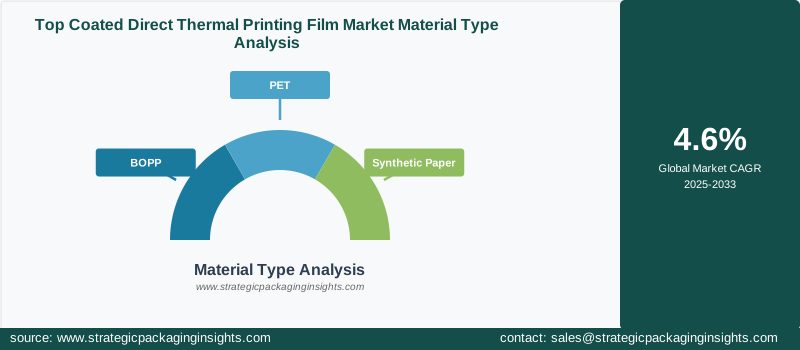
PET films, on the other hand, are known for their superior thermal stability and mechanical strength. These films are extensively used in applications requiring high-temperature resistance and durability, such as in the automotive and electronics industries. The growing demand for high-performance materials in these sectors is driving the adoption of PET films. Additionally, the increasing focus on sustainability is encouraging manufacturers to develop eco-friendly PET films, further boosting their demand.
Synthetic paper is gaining traction in the market due to its unique properties, such as water resistance, tear resistance, and printability. These characteristics make synthetic paper an ideal choice for applications in harsh environments, such as outdoor labeling and industrial tags. The growing demand for durable and long-lasting labeling solutions is driving the adoption of synthetic paper in various industries. As manufacturers continue to innovate and develop new products, the material type segment is expected to witness significant growth in the coming years.
Application Analysis
The application segment of the Top Coated Direct Thermal Printing Film market includes labels, tickets, tags, and receipts. Labels are the largest application segment, driven by the increasing demand for efficient and high-quality labeling solutions across various industries. The rise of e-commerce and the need for effective supply chain management have significantly boosted the demand for labels, particularly in the retail and logistics sectors. The growing trend of personalization and customization in labeling is also driving demand, as businesses seek to differentiate their products and services through unique and tailored labeling solutions.
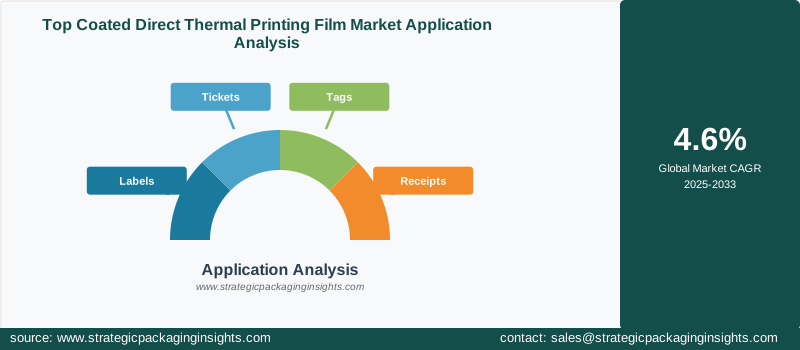
Tickets and tags are also significant application segments, with growing demand in sectors such as transportation, events, and logistics. The need for durable and reliable tickets and tags is driving the adoption of advanced printing technologies and materials. The increasing focus on sustainability and eco-friendliness is encouraging manufacturers to develop biodegradable and recyclable tickets and tags, further boosting their demand.
Receipts, although a smaller segment, are witnessing steady growth due to the increasing adoption of digital printing technologies. These technologies offer enhanced efficiency and cost-effectiveness, making them an attractive option for businesses looking to streamline their operations. The growing emphasis on sustainability and the need for environmentally responsible solutions are also driving demand for eco-friendly receipt printing solutions. As the market continues to evolve, the application segment is expected to witness significant growth, driven by the demand for advanced and sustainable printing solutions.
End Use Analysis
The end-use segment of the Top Coated Direct Thermal Printing Film market is categorized into retail, logistics, healthcare, and food labeling. The retail sector is the largest end-use segment, driven by the increasing demand for efficient and high-quality labeling solutions. The rise of e-commerce and the need for effective supply chain management have significantly boosted the demand for labeling solutions in the retail sector. The growing trend of personalization and customization in labeling is also driving demand, as businesses seek to differentiate their products and services through unique and tailored labeling solutions.
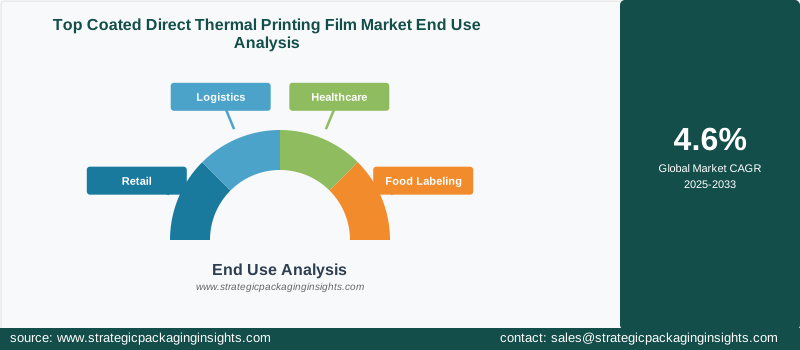
The logistics sector is another significant end-use segment, with growing demand for durable and reliable labeling solutions. The need for efficient supply chain management and the increasing focus on sustainability are driving the adoption of advanced printing technologies and materials in the logistics sector. The healthcare sector is also witnessing significant growth, driven by the need for accurate and reliable labeling solutions for medical products and equipment.
Food labeling is a growing end-use segment, driven by the increasing demand for safe and durable labeling solutions in the food and beverage industry. The need for compliance with food safety regulations and the growing emphasis on sustainability are encouraging manufacturers to develop eco-friendly and biodegradable labeling solutions. As the market continues to evolve, the end-use segment is expected to witness significant growth, driven by the demand for advanced and sustainable printing solutions.
Coating Type Analysis
The coating type segment of the Top Coated Direct Thermal Printing Film market includes top-coated films, barrier-coated films, and premium printable films. Top-coated films are the largest segment, driven by their superior printability and durability. These films are widely used in applications requiring high-quality and long-lasting labels, such as in the retail and logistics sectors. The growing demand for efficient and cost-effective labeling solutions is driving the adoption of top-coated films.
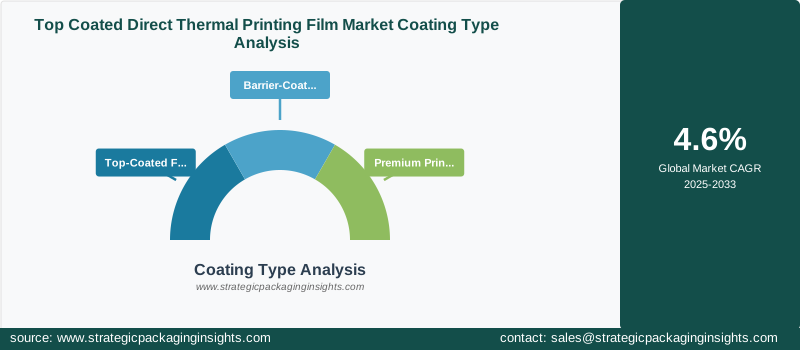
Barrier-coated films are gaining traction in the market due to their excellent resistance to moisture, chemicals, and abrasion. These films are ideal for applications in harsh environments, such as outdoor labeling and industrial tags. The increasing focus on sustainability and the need for environmentally responsible solutions are encouraging manufacturers to develop eco-friendly barrier-coated films, further boosting their demand.
Premium printable films are a growing segment, driven by the demand for high-quality and customizable printing solutions. These films offer enhanced printability and durability, making them an attractive option for businesses looking to differentiate their products and services through unique and tailored labeling solutions. As the market continues to evolve, the coating type segment is expected to witness significant growth, driven by the demand for advanced and sustainable printing solutions.
Top Coated Direct Thermal Printing Film Market Segments
The Top Coated Direct Thermal Printing Film market has been segmented on the basis ofMaterial Type
- BOPP
- PET
- Synthetic Paper
Application
- Labels
- Tickets
- Tags
- Receipts
End Use
- Retail
- Logistics
- Healthcare
- Food Labeling
Coating Type
- Top-Coated Films
- Barrier-Coated Films
- Premium Printable Films
Region
- Asia Pacific
- North America
- Latin America
- Europe
- Middle East & Africa




