


Tear Tape Market Outlook
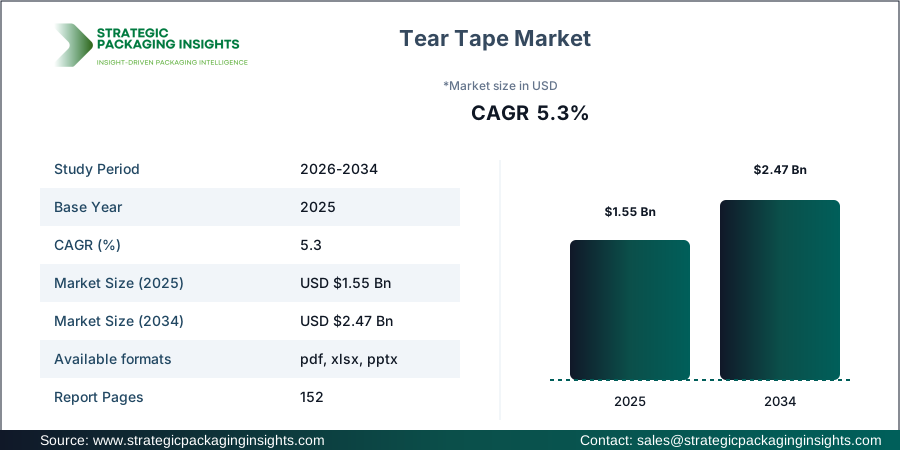
The Tear Tape market size was valued at USD 1.55 billion in 2025 and is anticipated to reach USD 2.47 billion by 2034, growing at a CAGR of 5.3% during the forecast period according to Strategic Packaging Insights. The market is witnessing significant growth due to the increasing demand for convenient and secure packaging solutions across various industries. Companies like Essentra and TANN Group are leading the charge by innovating in tear tape technology, which is becoming increasingly popular in sectors such as tobacco, food, and pharmaceuticals. The rise in e-commerce and the need for tamper-evident packaging are also driving the demand for tear tapes, making them an essential component in modern packaging solutions.
One of the most impactful drivers of the Tear Tape market is the growing emphasis on product security and authenticity. As counterfeit products become a significant concern globally, industries are turning to security tear tapes to ensure product integrity. According to a report by the World Customs Organization, the global trade in counterfeit goods is estimated to be worth over $500 billion annually, highlighting the urgent need for effective anti-counterfeiting measures. Companies like 3M and Avery Dennison are investing heavily in R&D to develop advanced security features in tear tapes, which not only protect products but also enhance brand trust and consumer confidence.
Report Scope
| Attributes | Details |
| Report Title | Tear Tape Market Size, Future Growth and Forecast 2034 |
| By Material Type | BOPP, PET, PVC, Paper |
| By Product Type | Self-Adhesive Tear Tape, Hot-Melt Tear Tape, Security Tear Tape |
| By Application | Tobacco, Food, Pharma, Consumer Goods |
| By End Use | FMCG, Healthcare, Packaging Converters, Retail |
| Region | Asia Pacific, North America, Latin America, Europe, Middle East & Africa |
| Base Year | 2025 |
| Historic Period | 2018-2024 |
| Forecast Period | 2026-2034 |
| Number of Pages | 152 |
| Customization Available | Yes* |
Sustainability & Circular Economy Analysis
Sustainability initiatives are increasingly shaping the Tear Tape market, with a strong focus on eco-friendly materials and waste reduction strategies. Companies are investing in recyclable and biodegradable materials to align with consumer preferences for sustainable packaging. For instance, the use of BOPP and PET materials in tear tapes is gaining traction due to their recyclability and lower environmental impact. This shift towards sustainable materials is not only driven by consumer demand but also by stringent packaging regulations that mandate the reduction of carbon footprints and the adoption of extended producer responsibility (EPR) practices.
The circular economy is influencing packaging design and manufacturing processes, encouraging companies to innovate in lightweight and reusable packaging solutions. Tear tape manufacturers are exploring ways to reduce material usage without compromising on functionality, thereby enhancing the overall sustainability of their products. This trend is also impacting investment decisions, as companies prioritize eco-friendly innovations to stay competitive in the market. ESG initiatives are becoming a critical factor in supply chain strategies, with companies like Uflex and tesa leading the way in integrating sustainability into their operations.
Regulatory compliance is a significant driver of sustainability trends in the Tear Tape market. Governments worldwide are implementing stricter packaging regulations to minimize environmental impact, prompting companies to adopt sustainable practices. This regulatory landscape is pushing manufacturers to innovate in eco-friendly material innovation and waste reduction strategies. As a result, companies are focusing on reducing their carbon footprint and enhancing their long-term market competitiveness by aligning with global sustainability goals. The emphasis on sustainability is not only beneficial for the environment but also enhances brand reputation and consumer loyalty.
Packaging Value Chain & Supply Chain Analysis
The Tear Tape market's value chain is a complex ecosystem involving raw material sourcing, packaging converters, manufacturers, and logistics providers. Efficient raw material sourcing is crucial for maintaining competitive pricing and ensuring the availability of high-quality materials like BOPP and PET. Packaging converters play a vital role in transforming these materials into functional tear tapes, while manufacturers focus on enhancing production capabilities to meet growing demand. Strategic partnerships with suppliers and logistics providers are essential for optimizing the supply chain and ensuring timely delivery of products to brand owners and retailers.
Supply chain efficiency is a critical factor influencing the overall performance of the Tear Tape market. Companies are investing in advanced packaging machinery and automation technologies to enhance production capabilities and reduce lead times. Inventory management and procurement strategies are also evolving to ensure a steady supply of raw materials and minimize disruptions. Localization and global sourcing are becoming increasingly important as companies seek to balance cost-effectiveness with supply chain resilience. This strategic approach helps companies like Intertape Polymer Group and CCL Industries maintain a competitive edge in the market.
Recycling networks and waste management are integral components of the Tear Tape market's supply chain. As sustainability becomes a priority, companies are focusing on developing efficient recycling processes to minimize waste and enhance resource utilization. This focus on sustainability is driving innovation in packaging design and manufacturing, with companies exploring new ways to incorporate recycled materials into their products. The integration of recycling networks into the supply chain not only supports environmental goals but also enhances brand reputation and consumer trust. By prioritizing sustainability, companies can improve their long-term competitiveness and meet evolving consumer expectations.
Opportunities & Threats
The Tear Tape market presents numerous opportunities for growth, driven by the increasing demand for secure and convenient packaging solutions. The rise of e-commerce and online retailing has created a significant need for tamper-evident packaging, providing a lucrative opportunity for tear tape manufacturers. Companies can capitalize on this trend by developing innovative tear tape solutions that enhance product security and consumer trust. Additionally, the growing emphasis on sustainability presents an opportunity for companies to differentiate themselves by offering eco-friendly tear tape options that align with consumer preferences and regulatory requirements.
Another opportunity lies in the expanding applications of tear tapes across various industries. The pharmaceutical and healthcare sectors, in particular, are increasingly adopting tear tapes for secure packaging, driven by the need for product integrity and compliance with stringent regulations. This trend is expected to continue as companies invest in R&D to develop advanced tear tape solutions that meet the specific needs of these industries. By focusing on innovation and customization, companies can tap into new markets and expand their customer base, driving long-term growth and profitability.
Despite the opportunities, the Tear Tape market faces several threats that could impact its growth. One of the primary challenges is the volatility in raw material prices, which can affect production costs and profit margins. Companies need to develop effective procurement strategies and establish strong relationships with suppliers to mitigate this risk. Additionally, the market is highly competitive, with numerous players vying for market share. This intense competition can lead to price wars and margin pressures, making it essential for companies to differentiate themselves through innovation and value-added services.
Drivers & Challenges
The Tear Tape market is driven by several key factors, including the increasing demand for secure and convenient packaging solutions. The rise of e-commerce and online retailing has created a significant need for tamper-evident packaging, driving the demand for tear tapes. Companies are investing in R&D to develop innovative tear tape solutions that enhance product security and consumer trust. Additionally, the growing emphasis on sustainability is driving the adoption of eco-friendly tear tape options, as companies seek to align with consumer preferences and regulatory requirements.
Another driver of the Tear Tape market is the expanding applications of tear tapes across various industries. The pharmaceutical and healthcare sectors, in particular, are increasingly adopting tear tapes for secure packaging, driven by the need for product integrity and compliance with stringent regulations. This trend is expected to continue as companies invest in R&D to develop advanced tear tape solutions that meet the specific needs of these industries. By focusing on innovation and customization, companies can tap into new markets and expand their customer base, driving long-term growth and profitability.
Despite the drivers, the Tear Tape market faces several challenges that could impact its growth. One of the primary challenges is the volatility in raw material prices, which can affect production costs and profit margins. Companies need to develop effective procurement strategies and establish strong relationships with suppliers to mitigate this risk. Additionally, the market is highly competitive, with numerous players vying for market share. This intense competition can lead to price wars and margin pressures, making it essential for companies to differentiate themselves through innovation and value-added services.
Market Share Analysis
The Tear Tape market is characterized by a competitive landscape with several key players vying for market share. Companies like Essentra, TANN Group, and 3M are leading the market with their innovative tear tape solutions and strong global presence. These companies have established themselves as leaders in the market by focusing on product innovation, quality, and customer satisfaction. Their extensive product portfolios and strong distribution networks enable them to cater to a wide range of industries, including tobacco, food, and pharmaceuticals.
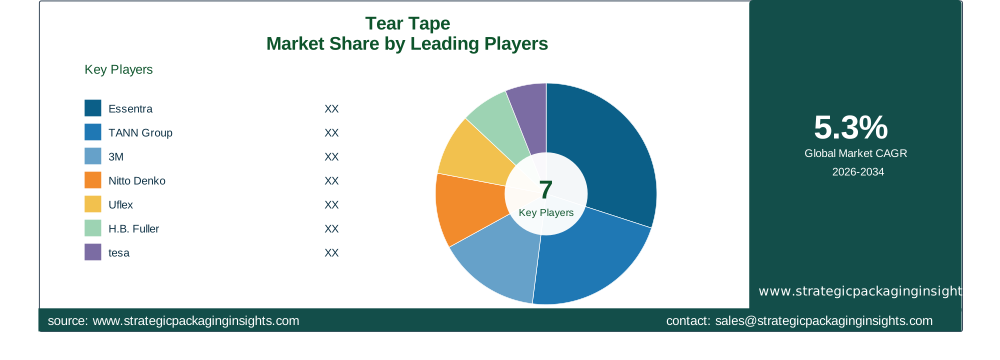
Essentra is a prominent player in the Tear Tape market, known for its comprehensive range of tear tape solutions that cater to various industries. The company focuses on innovation and sustainability, offering eco-friendly tear tape options that align with consumer preferences and regulatory requirements. TANN Group is another key player, renowned for its high-quality tear tape products and strong customer relationships. The company's commitment to R&D and product development has enabled it to maintain a competitive edge in the market.
3M is a global leader in the Tear Tape market, offering a wide range of innovative tear tape solutions that enhance product security and consumer trust. The company's strong focus on R&D and technological advancements has enabled it to develop advanced tear tape solutions that meet the specific needs of various industries. Nitto Denko and Uflex are also significant players in the market, known for their high-quality tear tape products and strong global presence. These companies have established themselves as leaders in the market by focusing on product innovation, quality, and customer satisfaction.
Other notable players in the Tear Tape market include H.B. Fuller, tesa, Avery Dennison, Intertape Polymer Group, and CCL Industries. These companies have a strong presence in the market, offering a wide range of tear tape solutions that cater to various industries. Their focus on innovation, sustainability, and customer satisfaction has enabled them to maintain a competitive edge in the market. By investing in R&D and expanding their product portfolios, these companies are well-positioned to capitalize on the growing demand for tear tapes and drive long-term growth and profitability.
Key Highlights
- The Tear Tape market size was valued at USD 1.55 billion in 2025 and is projected to reach USD 2.47 billion by 2034.
- Forecast CAGR of 5.3% during the forecast period.
- Growing demand for secure and convenient packaging solutions across various industries.
- Increasing adoption of eco-friendly tear tape options driven by sustainability initiatives.
- Expanding applications of tear tapes in the pharmaceutical and healthcare sectors.
- Key players include Essentra, TANN Group, 3M, Nitto Denko, and Uflex.
- Asia Pacific is expected to be the fastest-growing region in the Tear Tape market.
Tear Tape Market Segments Insights

By Material Type Analysis
The Tear Tape market is segmented by material type into BOPP, PET, PVC, and Paper. BOPP and PET are the most widely used materials due to their excellent durability, clarity, and recyclability. These materials are preferred by manufacturers for their ability to provide strong adhesion and resistance to environmental factors. The demand for eco-friendly materials is driving the adoption of BOPP and PET, as they align with sustainability goals and regulatory requirements. Companies are investing in R&D to enhance the performance of these materials and develop innovative tear tape solutions that meet the evolving needs of consumers and industries.
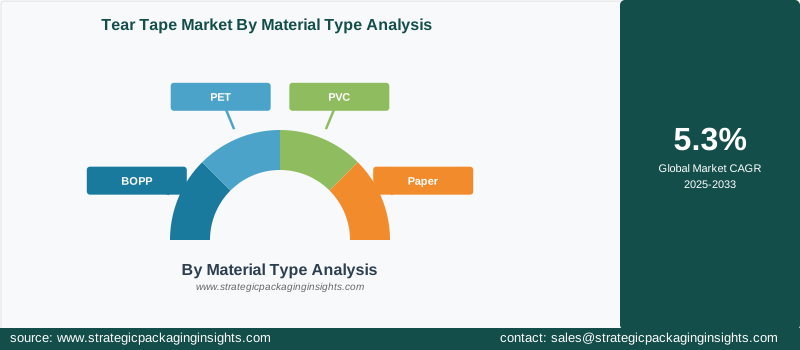
PVC and Paper are also significant segments in the Tear Tape market, offering unique advantages for specific applications. PVC is known for its excellent strength and flexibility, making it suitable for high-security applications. However, environmental concerns associated with PVC are driving manufacturers to explore alternative materials. Paper-based tear tapes are gaining popularity due to their biodegradability and eco-friendly properties. These tapes are ideal for applications where sustainability is a priority, such as in the food and consumer goods industries. The growing emphasis on sustainability is expected to drive the demand for paper-based tear tapes in the coming years.
By Product Type Analysis
The Tear Tape market is segmented by product type into Self-Adhesive Tear Tape, Hot-Melt Tear Tape, and Security Tear Tape. Self-Adhesive Tear Tape is the most widely used product type, offering convenience and ease of use for consumers. These tapes are designed to provide a secure seal and easy opening, making them ideal for a wide range of applications, including tobacco, food, and consumer goods. The demand for self-adhesive tear tapes is driven by the increasing need for tamper-evident packaging and consumer convenience.
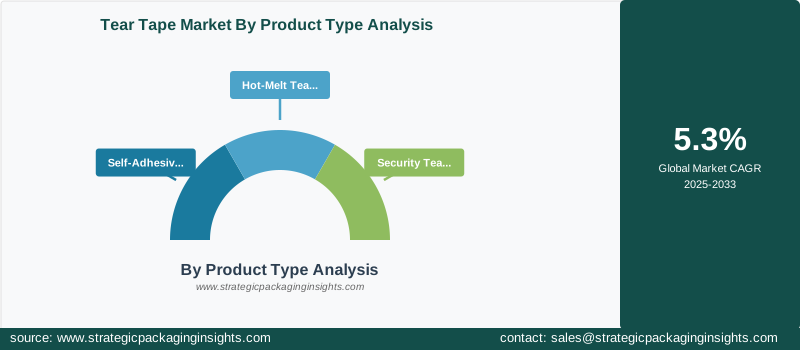
Hot-Melt Tear Tape is another significant segment, known for its strong adhesion and durability. These tapes are preferred for applications where a high level of security is required, such as in the pharmaceutical and healthcare sectors. The demand for hot-melt tear tapes is expected to grow as companies seek to enhance product security and comply with stringent regulations. Security Tear Tape is a specialized segment, offering advanced security features to prevent counterfeiting and ensure product integrity. The growing concern over counterfeit products is driving the demand for security tear tapes, as companies seek to protect their brands and enhance consumer trust.
By Application Analysis
The Tear Tape market is segmented by application into Tobacco, Food, Pharma, and Consumer Goods. The tobacco industry is the largest application segment, accounting for a significant share of the market. Tear tapes are widely used in cigarette packaging to provide a secure seal and easy opening for consumers. The demand for tear tapes in the tobacco industry is driven by the need for tamper-evident packaging and compliance with regulatory requirements. The food industry is another major application segment, with tear tapes used in packaging for snacks, confectionery, and other food products.
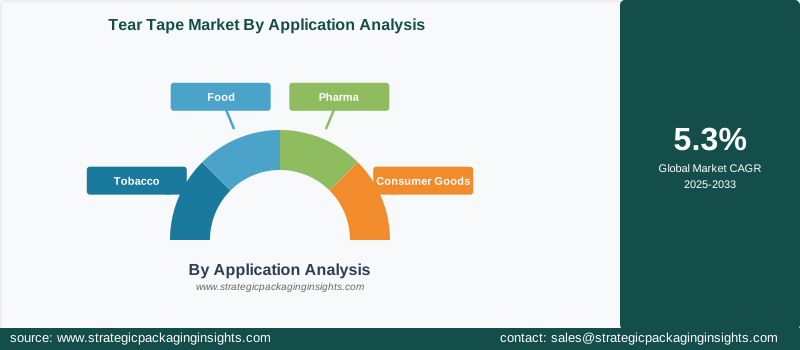
The pharmaceutical and healthcare sectors are increasingly adopting tear tapes for secure packaging, driven by the need for product integrity and compliance with stringent regulations. Tear tapes are used in blister packs, cartons, and other packaging formats to provide a secure seal and easy opening for consumers. The demand for tear tapes in the pharmaceutical industry is expected to grow as companies seek to enhance product security and comply with regulatory requirements. The consumer goods industry is also a significant application segment, with tear tapes used in packaging for personal care products, electronics, and other consumer goods.
By End Use Analysis
The Tear Tape market is segmented by end use into FMCG, Healthcare, Packaging Converters, and Retail. The FMCG sector is the largest end-use segment, accounting for a significant share of the market. Tear tapes are widely used in packaging for fast-moving consumer goods, providing a secure seal and easy opening for consumers. The demand for tear tapes in the FMCG sector is driven by the need for tamper-evident packaging and consumer convenience. The healthcare sector is another major end-use segment, with tear tapes used in packaging for pharmaceuticals, medical devices, and other healthcare products.
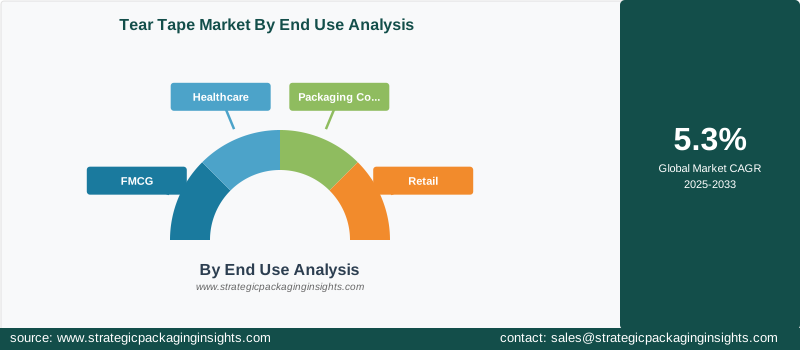
Packaging converters play a vital role in the Tear Tape market, transforming raw materials into functional tear tapes for various applications. These companies are focused on innovation and customization, developing tear tape solutions that meet the specific needs of their customers. The retail sector is also a significant end-use segment, with tear tapes used in packaging for a wide range of products, including electronics, personal care products, and other consumer goods. The demand for tear tapes in the retail sector is driven by the need for secure and convenient packaging solutions that enhance consumer trust and brand loyalty.
Tear Tape Market Segments
The Tear Tape market has been segmented on the basis ofBy Material Type
- BOPP
- PET
- PVC
- Paper
By Product Type
- Self-Adhesive Tear Tape
- Hot-Melt Tear Tape
- Security Tear Tape
By Application
- Tobacco
- Food
- Pharma
- Consumer Goods
By End Use
- FMCG
- Healthcare
- Packaging Converters
- Retail
Region
- Asia Pacific
- North America
- Latin America
- Europe
- Middle East & Africa




