


Starch-based Packaging Market Outlook
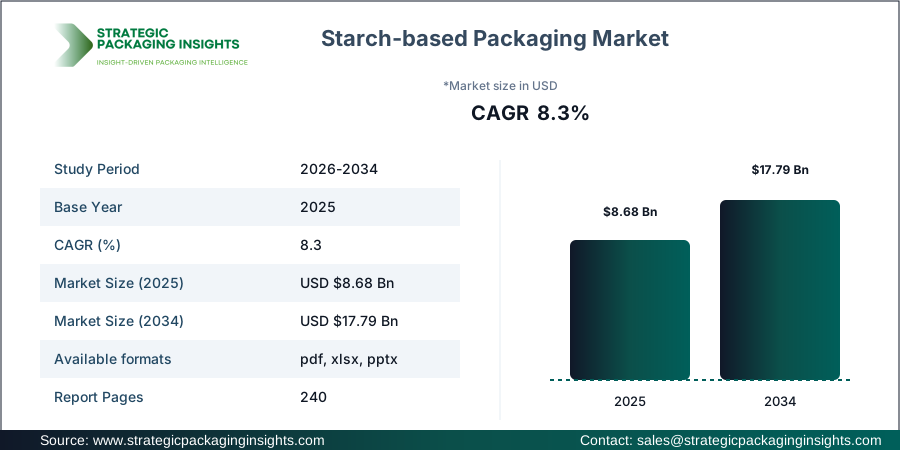
The starch-based packaging market was valued at $8.68 billion in 2025 and is projected to reach $17.79 billion by 2034, growing at a CAGR of 8.3% during the forecast period 2026-2034. This market is witnessing significant growth due to the increasing demand for sustainable and eco-friendly packaging solutions. The shift towards biodegradable materials in packaging is driven by stringent environmental regulations and growing consumer awareness about the environmental impact of plastic waste. Starch-based packaging, derived from renewable resources such as corn and potato, offers a viable alternative to traditional petroleum-based packaging materials. The market is further propelled by advancements in biopolymer technology, which enhance the performance and cost-effectiveness of starch-based packaging solutions.
Despite the promising growth prospects, the starch-based packaging market faces certain challenges. The high cost of production compared to conventional packaging materials remains a significant restraint. Additionally, the limited availability of raw materials and the need for specialized processing equipment can hinder market expansion. However, ongoing research and development efforts aimed at improving the mechanical properties and reducing the production costs of starch-based packaging are expected to mitigate these challenges. The market also presents substantial growth potential, driven by the increasing adoption of sustainable packaging solutions across various industries, including foodservice and retail. As consumer preferences continue to shift towards environmentally friendly products, the demand for starch-based packaging is anticipated to rise, offering lucrative opportunities for market players.
Report Scope
| Attributes | Details |
| Report Title | Starch-based Packaging Market Size, Future Growth and Forecast 2034 |
| Type | Foam, Film |
| Source | Potato, Corn |
| Application | Foodservice, Retail |
| Form | Trays, Bags |
| Region | Asia Pacific, North America, Latin America, Europe, Middle East & Africa |
| Base Year | 2025 |
| Historic Period | 2018-2024 |
| Forecast Period | 2026-2034 |
| Number of Pages | 240 |
| Customization Available | Yes* |
Opportunities & Threats
The starch-based packaging market presents numerous opportunities for growth, primarily driven by the increasing demand for sustainable packaging solutions. As consumers become more environmentally conscious, there is a growing preference for biodegradable and compostable packaging materials. Starch-based packaging, being derived from renewable resources, aligns perfectly with this trend. The foodservice industry, in particular, offers significant growth potential, as restaurants and food chains seek eco-friendly alternatives to traditional packaging. Additionally, the retail sector is witnessing a shift towards sustainable packaging, driven by consumer demand and regulatory pressures. This presents a lucrative opportunity for starch-based packaging manufacturers to expand their market presence and cater to the evolving needs of these industries.
Another opportunity lies in the development of innovative starch-based packaging solutions. Advancements in biopolymer technology have enabled the creation of high-performance starch-based materials with enhanced mechanical properties and barrier functionalities. This opens up new avenues for applications in various industries, including food and beverage, healthcare, and personal care. Furthermore, the increasing focus on reducing carbon footprints and achieving sustainability goals is driving companies to invest in research and development activities to improve the performance and cost-effectiveness of starch-based packaging. By leveraging these opportunities, market players can gain a competitive edge and capitalize on the growing demand for eco-friendly packaging solutions.
However, the starch-based packaging market also faces certain threats that could hinder its growth. One of the primary challenges is the high cost of production compared to conventional packaging materials. The production of starch-based packaging involves complex processes and specialized equipment, which can drive up costs. Additionally, the limited availability of raw materials, such as corn and potato starch, can pose a threat to market expansion. Fluctuations in raw material prices and supply chain disruptions can further impact the profitability of starch-based packaging manufacturers. To overcome these threats, companies need to focus on optimizing production processes, exploring alternative raw materials, and establishing strategic partnerships to ensure a stable supply chain.
Drivers & Challenges
The starch-based packaging market is driven by several key factors that contribute to its growth and expansion. One of the primary drivers is the increasing consumer awareness and demand for sustainable packaging solutions. As environmental concerns continue to rise, consumers are actively seeking alternatives to traditional plastic packaging. Starch-based packaging, being biodegradable and compostable, offers a viable solution to address these concerns. Additionally, stringent government regulations and policies aimed at reducing plastic waste and promoting sustainable practices are further driving the adoption of starch-based packaging. These regulations create a favorable environment for market growth and encourage companies to invest in eco-friendly packaging solutions.
Another significant driver is the growing focus on reducing carbon footprints and achieving sustainability goals. Companies across various industries are increasingly prioritizing sustainability in their operations and supply chains. Starch-based packaging, being derived from renewable resources, aligns with these sustainability objectives. The food and beverage industry, in particular, is witnessing a shift towards sustainable packaging, driven by consumer demand and regulatory pressures. This presents a significant opportunity for starch-based packaging manufacturers to cater to the evolving needs of the industry and gain a competitive edge. Furthermore, advancements in biopolymer technology have enabled the development of high-performance starch-based materials, further driving market growth.
Despite the promising growth prospects, the starch-based packaging market faces certain challenges that need to be addressed. One of the primary challenges is the high cost of production compared to conventional packaging materials. The production of starch-based packaging involves complex processes and specialized equipment, which can drive up costs. Additionally, the limited availability of raw materials, such as corn and potato starch, can pose a challenge to market expansion. Fluctuations in raw material prices and supply chain disruptions can further impact the profitability of starch-based packaging manufacturers. To overcome these challenges, companies need to focus on optimizing production processes, exploring alternative raw materials, and establishing strategic partnerships to ensure a stable supply chain.
Market Share Analysis
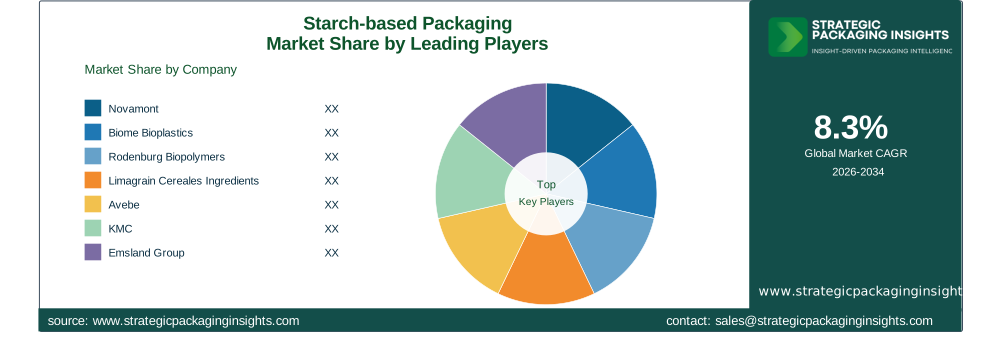
The starch-based packaging market is characterized by a competitive landscape with several key players vying for market share. Companies such as Novamont, Biome Bioplastics, Rodenburg Biopolymers, Limagrain Cereales Ingredients, Avebe, KMC, Emsland Group, AGRANA, Amylon, and Finnamyl are prominent players in this market. These companies are actively engaged in research and development activities to enhance the performance and cost-effectiveness of starch-based packaging solutions. They are also focusing on expanding their product portfolios and strengthening their distribution networks to cater to the growing demand for sustainable packaging solutions.
Novamont is a leading player in the starch-based packaging market, known for its innovative biopolymer solutions. The company has a strong presence in the European market and is actively expanding its operations in other regions. Biome Bioplastics is another key player, offering a wide range of starch-based packaging products for various applications. The company is focused on developing high-performance materials with enhanced mechanical properties and barrier functionalities. Rodenburg Biopolymers is known for its expertise in producing biodegradable and compostable packaging materials, catering to the foodservice and retail industries.
Limagrain Cereales Ingredients is a prominent player in the starch-based packaging market, offering a diverse range of products derived from renewable resources. The company is committed to sustainability and is actively investing in research and development to improve the performance of its packaging solutions. Avebe, KMC, and Emsland Group are key players in the starch-based packaging market, known for their extensive product portfolios and strong distribution networks. These companies are focused on expanding their market presence and catering to the growing demand for eco-friendly packaging solutions.
AGRANA, Amylon, and Finnamyl are also significant players in the starch-based packaging market, offering a wide range of products for various applications. These companies are actively engaged in research and development activities to enhance the performance and cost-effectiveness of their packaging solutions. They are also focusing on expanding their product portfolios and strengthening their distribution networks to cater to the growing demand for sustainable packaging solutions. Overall, the starch-based packaging market is characterized by intense competition, with key players striving to gain a competitive edge through innovation and strategic partnerships.
Key Highlights
- The starch-based packaging market is projected to reach $17.79 billion by 2034, growing at a CAGR of 8.3% during the forecast period.
- Increasing consumer awareness and demand for sustainable packaging solutions are driving market growth.
- Stringent government regulations and policies aimed at reducing plastic waste are further boosting the adoption of starch-based packaging.
- Advancements in biopolymer technology are enabling the development of high-performance starch-based materials.
- The foodservice and retail industries offer significant growth potential for starch-based packaging manufacturers.
- High production costs and limited availability of raw materials pose challenges to market expansion.
- Key players in the market include Novamont, Biome Bioplastics, Rodenburg Biopolymers, and Limagrain Cereales Ingredients.
- Companies are focusing on research and development activities to enhance the performance and cost-effectiveness of starch-based packaging solutions.
- Strategic partnerships and collaborations are crucial for gaining a competitive edge in the market.
- The market is characterized by intense competition, with key players striving to expand their market presence.
Top Countries Insights
In the starch-based packaging market, the United States stands out as a key player, with a market size of approximately $2.5 billion and a CAGR of 7%. The country's growth is driven by increasing consumer awareness and demand for sustainable packaging solutions. The presence of stringent environmental regulations and policies aimed at reducing plastic waste further boosts the adoption of starch-based packaging. Additionally, the foodservice and retail industries in the United States are witnessing a shift towards eco-friendly packaging, creating significant growth opportunities for market players.
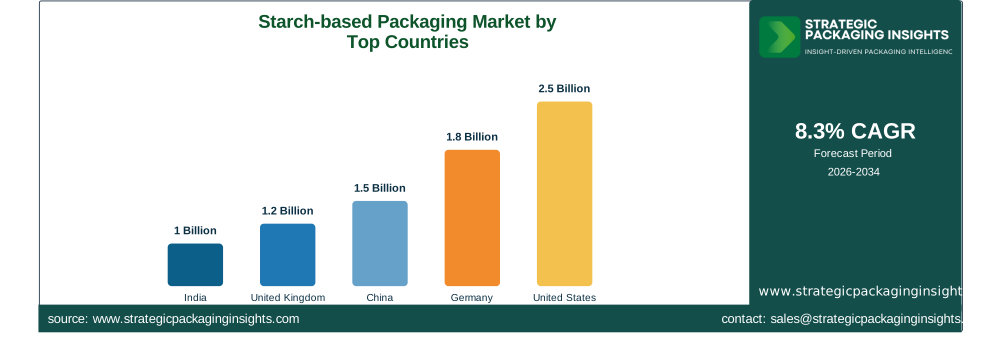
Germany is another prominent market for starch-based packaging, with a market size of around $1.8 billion and a CAGR of 6%. The country's strong focus on sustainability and environmental protection drives the demand for biodegradable and compostable packaging materials. The German government has implemented strict regulations to reduce plastic waste, encouraging companies to adopt sustainable packaging solutions. The food and beverage industry in Germany is a major consumer of starch-based packaging, driven by consumer demand for eco-friendly products.
China is emerging as a significant market for starch-based packaging, with a market size of approximately $1.5 billion and a CAGR of 9%. The country's rapid economic growth and increasing consumer awareness about environmental issues are driving the demand for sustainable packaging solutions. The Chinese government has implemented policies to promote the use of biodegradable materials, further boosting the adoption of starch-based packaging. The retail sector in China is witnessing a shift towards sustainable packaging, driven by consumer preferences and regulatory pressures.
In the United Kingdom, the starch-based packaging market is valued at around $1.2 billion, with a CAGR of 5%. The country's strong focus on sustainability and reducing plastic waste drives the demand for eco-friendly packaging solutions. The UK government has implemented regulations to promote the use of biodegradable materials, encouraging companies to adopt starch-based packaging. The foodservice industry in the UK is a major consumer of starch-based packaging, driven by consumer demand for sustainable products.
India is also a growing market for starch-based packaging, with a market size of approximately $1 billion and a CAGR of 10%. The country's increasing population and rising consumer awareness about environmental issues are driving the demand for sustainable packaging solutions. The Indian government has implemented policies to promote the use of biodegradable materials, further boosting the adoption of starch-based packaging. The retail sector in India is witnessing a shift towards eco-friendly packaging, driven by consumer preferences and regulatory pressures.
Starch-based Packaging Market Segments Insights

Type Analysis
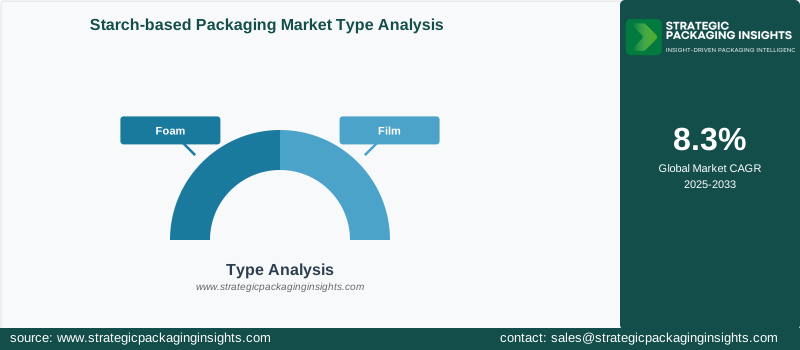
The starch-based packaging market is segmented by type into foam and film. Foam-based packaging is gaining traction due to its lightweight and cushioning properties, making it ideal for protecting fragile items during transportation. The demand for foam-based starch packaging is driven by the growing e-commerce industry, where safe and secure packaging is crucial. Additionally, foam packaging is biodegradable and compostable, aligning with the increasing consumer preference for sustainable packaging solutions. On the other hand, film-based starch packaging is widely used in the foodservice and retail industries due to its excellent barrier properties and flexibility. The demand for film-based packaging is driven by the need for extended shelf life and protection against moisture and contaminants.
In terms of competition, the foam segment is witnessing significant innovation, with companies focusing on developing high-performance materials with enhanced cushioning properties. The film segment, on the other hand, is characterized by intense competition, with key players striving to enhance the barrier properties and cost-effectiveness of their products. The growing demand for sustainable packaging solutions is driving companies to invest in research and development activities to improve the performance of both foam and film-based starch packaging. As consumer preferences continue to shift towards eco-friendly products, the demand for both foam and film-based starch packaging is expected to rise, offering lucrative opportunities for market players.
Source Analysis
The starch-based packaging market is segmented by source into potato and corn. Corn-based starch packaging is the most widely used due to its abundant availability and cost-effectiveness. Corn starch is a versatile material that can be easily processed into various forms, making it suitable for a wide range of applications. The demand for corn-based starch packaging is driven by the growing foodservice and retail industries, where sustainable packaging solutions are in high demand. Additionally, corn starch is biodegradable and compostable, aligning with the increasing consumer preference for eco-friendly packaging materials.
Potato-based starch packaging, on the other hand, is gaining popularity due to its superior mechanical properties and biodegradability. Potato starch is known for its excellent film-forming capabilities, making it ideal for applications that require high barrier properties. The demand for potato-based starch packaging is driven by the need for sustainable packaging solutions in the food and beverage industry. However, the limited availability of potato starch and its higher cost compared to corn starch can pose challenges to market expansion. To overcome these challenges, companies are focusing on optimizing production processes and exploring alternative raw materials to ensure a stable supply chain.
Application Analysis
The starch-based packaging market is segmented by application into foodservice and retail. The foodservice industry is a major consumer of starch-based packaging, driven by the increasing demand for sustainable and eco-friendly packaging solutions. Restaurants and food chains are actively seeking alternatives to traditional plastic packaging to reduce their environmental impact. Starch-based packaging, being biodegradable and compostable, offers a viable solution to address these concerns. The demand for starch-based packaging in the foodservice industry is further boosted by stringent government regulations and policies aimed at reducing plastic waste.
The retail industry is also witnessing a shift towards sustainable packaging, driven by consumer demand and regulatory pressures. Retailers are increasingly adopting starch-based packaging to align with consumer preferences for eco-friendly products. The demand for starch-based packaging in the retail industry is driven by the need for sustainable packaging solutions that offer excellent barrier properties and extended shelf life. As consumer preferences continue to shift towards environmentally friendly products, the demand for starch-based packaging in both the foodservice and retail industries is expected to rise, offering significant growth opportunities for market players.
Form Analysis
The starch-based packaging market is segmented by form into trays and bags. Trays are widely used in the foodservice and retail industries due to their excellent barrier properties and ability to protect products during transportation. The demand for starch-based trays is driven by the need for sustainable packaging solutions that offer excellent protection and extended shelf life. Additionally, trays are biodegradable and compostable, aligning with the increasing consumer preference for eco-friendly packaging materials.
Bags, on the other hand, are gaining popularity due to their versatility and convenience. Starch-based bags are widely used in the retail industry for packaging various products, including food, clothing, and personal care items. The demand for starch-based bags is driven by the need for sustainable packaging solutions that offer excellent barrier properties and flexibility. As consumer preferences continue to shift towards eco-friendly products, the demand for both trays and bags is expected to rise, offering lucrative opportunities for market players. Companies are focusing on developing high-performance materials with enhanced mechanical properties and barrier functionalities to cater to the growing demand for starch-based packaging solutions.
Starch-based Packaging Market Segments
The Starch-based Packaging market has been segmented on the basis ofType
- Foam
- Film
Source
- Potato
- Corn
Application
- Foodservice
- Retail
Form
- Trays
- Bags
Region
- Asia Pacific
- North America
- Latin America
- Europe
- Middle East & Africa




