


Splicing Tape Market Outlook
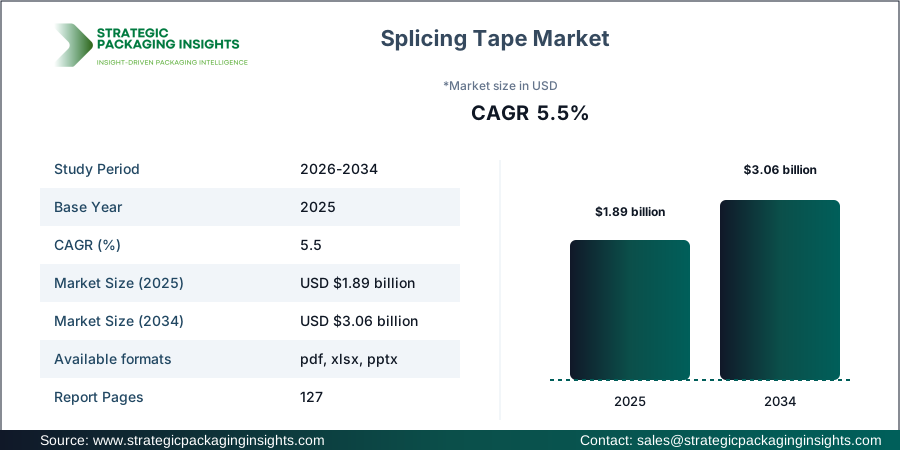
The splicing tape market was valued at $1.89 billion in 2025 and is projected to reach $3.06 billion by 2034, growing at a CAGR of 5.5% during the forecast period 2026-2034. This growth is driven by the increasing demand for efficient and reliable splicing solutions across various industries such as paper, film, and packaging. The market is witnessing a surge in demand due to the rising need for high-performance tapes that can withstand extreme conditions and provide strong adhesion. The growing trend of automation in manufacturing processes is also contributing to the increased adoption of splicing tapes, as they offer quick and efficient solutions for joining materials without the need for additional equipment or processes.
Despite the promising growth prospects, the splicing tape market faces certain challenges that could hinder its expansion. Regulatory restrictions on the use of certain adhesive materials, coupled with the environmental concerns associated with the disposal of adhesive tapes, are some of the key restraints. However, the market holds significant growth potential, driven by the development of eco-friendly and biodegradable splicing tapes. Manufacturers are increasingly focusing on innovation and the development of sustainable products to meet the evolving demands of consumers and comply with stringent environmental regulations. This shift towards sustainable solutions is expected to open new avenues for growth in the splicing tape market.
Report Scope
| Attributes | Details |
| Report Title | Splicing Tape Market Size, Future Growth and Forecast 2034 |
| Product Type | Single-Sided Splicing Tape, Double-Sided Splicing Tape, Heat-Resistant Splicing Tape |
| Application | Paper Converting, Film Converting, Printing, Packaging Lines |
| Adhesive Type | Acrylic, Rubber, Silicone |
| End Use | Printers, Converters, Mills, Packaging Plants |
| Region | Asia Pacific, North America, Latin America, Europe, Middle East & Africa |
| Base Year | 2025 |
| Historic Period | 2018-2024 |
| Forecast Period | 2026-2034 |
| Number of Pages | 127 |
| Customization Available | Yes* |
Opportunities & Threats
The splicing tape market presents numerous opportunities for growth, primarily driven by the increasing demand for high-performance tapes in the packaging and printing industries. As these industries continue to expand, the need for reliable and efficient splicing solutions is expected to rise, creating a lucrative market for splicing tape manufacturers. Additionally, the growing trend of digital printing and the increasing use of flexible packaging materials are expected to further boost the demand for splicing tapes. Manufacturers can capitalize on these opportunities by developing innovative products that cater to the specific needs of these industries, such as tapes with enhanced adhesion properties and resistance to extreme temperatures.
Another significant opportunity lies in the development of eco-friendly splicing tapes. With increasing environmental awareness and stringent regulations on the use of non-biodegradable materials, there is a growing demand for sustainable splicing solutions. Companies that invest in the research and development of biodegradable and recyclable tapes are likely to gain a competitive edge in the market. Furthermore, the expansion of the e-commerce sector and the subsequent increase in demand for packaging materials present additional growth opportunities for the splicing tape market.
However, the market also faces certain threats that could impact its growth trajectory. One of the primary challenges is the volatility in raw material prices, which can significantly affect the production costs and profit margins of manufacturers. Additionally, the presence of alternative splicing solutions, such as mechanical splicing and welding, poses a threat to the market. These alternatives are often perceived as more cost-effective and durable, which could limit the adoption of splicing tapes in certain applications. To mitigate these threats, manufacturers need to focus on product differentiation and cost optimization strategies.
Drivers & Challenges
The splicing tape market is primarily driven by the increasing demand for efficient and reliable splicing solutions across various industries. The growing trend of automation in manufacturing processes has led to a surge in demand for high-performance tapes that can provide quick and efficient solutions for joining materials. Additionally, the rising need for tapes that can withstand extreme conditions and provide strong adhesion is further propelling the market growth. The expansion of the packaging and printing industries, coupled with the increasing use of flexible packaging materials, is also contributing to the growing demand for splicing tapes.
Another key driver of the splicing tape market is the development of innovative products that cater to the specific needs of different industries. Manufacturers are increasingly focusing on the research and development of tapes with enhanced adhesion properties and resistance to extreme temperatures. The growing trend of digital printing and the increasing use of flexible packaging materials are expected to further boost the demand for splicing tapes. Additionally, the expansion of the e-commerce sector and the subsequent increase in demand for packaging materials present significant growth opportunities for the market.
Despite the promising growth prospects, the splicing tape market faces certain challenges that could hinder its expansion. One of the primary challenges is the volatility in raw material prices, which can significantly affect the production costs and profit margins of manufacturers. Additionally, the presence of alternative splicing solutions, such as mechanical splicing and welding, poses a threat to the market. These alternatives are often perceived as more cost-effective and durable, which could limit the adoption of splicing tapes in certain applications. To overcome these challenges, manufacturers need to focus on product differentiation and cost optimization strategies.
Market Share Analysis
The competitive landscape of the splicing tape market is characterized by the presence of several key players, each striving to gain a significant share of the market. Companies such as 3M, Tesa SE, Nitto Denko, Avery Dennison, Lohmann, Saint-Gobain, Intertape Polymer Group, Shurtape Technologies, Scapa Group, and Berry Global are some of the major players in the market. These companies are focusing on product innovation, strategic partnerships, and mergers and acquisitions to strengthen their market position and expand their product portfolio.
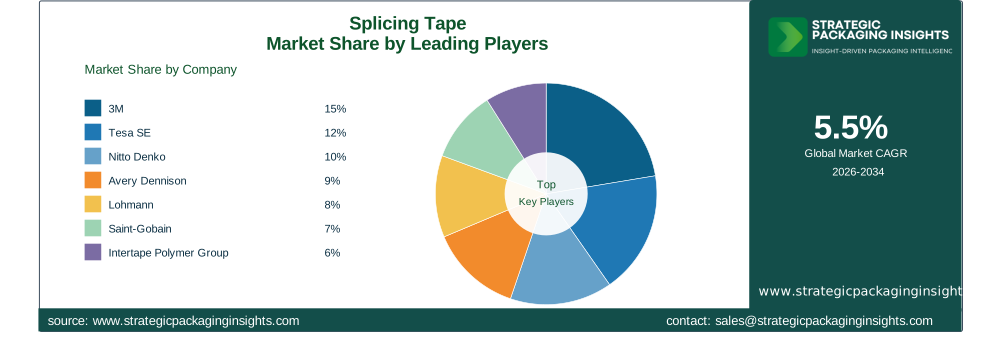
3M, a leading player in the splicing tape market, holds a significant market share due to its extensive product portfolio and strong brand presence. The company is known for its innovative solutions and commitment to sustainability, which has helped it maintain a competitive edge in the market. Tesa SE, another major player, is renowned for its high-quality adhesive tapes and strong focus on research and development. The company's emphasis on innovation and customer-centric approach has enabled it to capture a substantial share of the market.
Nitto Denko, a prominent player in the splicing tape market, is known for its advanced adhesive technologies and wide range of products. The company's strong focus on research and development, coupled with its strategic partnerships, has helped it maintain a competitive position in the market. Avery Dennison, a global leader in adhesive technologies, is also a key player in the splicing tape market. The company's extensive product portfolio and strong distribution network have enabled it to capture a significant share of the market.
Other notable players in the market include Lohmann, Saint-Gobain, Intertape Polymer Group, Shurtape Technologies, Scapa Group, and Berry Global. These companies are focusing on expanding their product offerings and strengthening their market presence through strategic partnerships and acquisitions. The competitive landscape of the splicing tape market is expected to remain dynamic, with companies continuously striving to innovate and differentiate their products to gain a competitive edge.
Key Highlights
- The splicing tape market is projected to grow at a CAGR of 5.5% from 2026 to 2034.
- Increasing demand for high-performance tapes in the packaging and printing industries is driving market growth.
- Development of eco-friendly and biodegradable splicing tapes presents significant growth opportunities.
- Volatility in raw material prices poses a challenge to market growth.
- 3M, Tesa SE, and Nitto Denko are some of the key players in the market.
- The expansion of the e-commerce sector is boosting demand for packaging materials.
- Alternative splicing solutions, such as mechanical splicing and welding, pose a threat to the market.
Top Countries Insights
In the splicing tape market, the United States holds a significant share, driven by the robust growth of the packaging and printing industries. The market in the U.S. is expected to grow at a CAGR of 5%, supported by the increasing demand for high-performance tapes and the expansion of the e-commerce sector. The presence of major players such as 3M and Avery Dennison further strengthens the market position in the country.
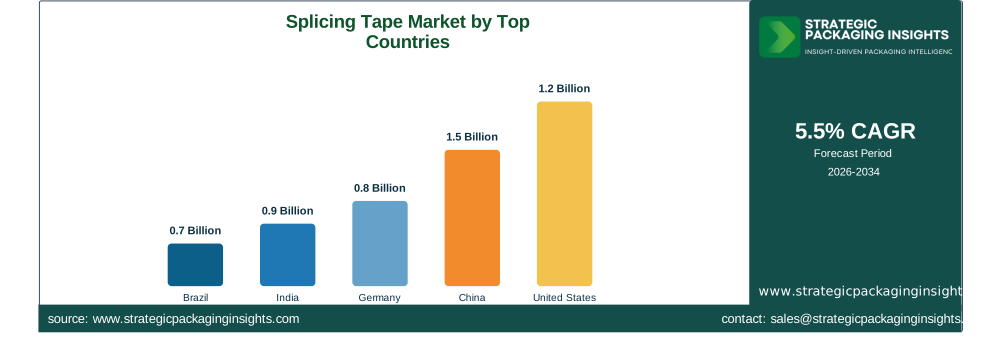
China is another key market for splicing tapes, with a projected CAGR of 7%. The rapid industrialization and expansion of the manufacturing sector in China are driving the demand for efficient splicing solutions. Additionally, the government's focus on sustainable development and the increasing adoption of eco-friendly products are expected to boost the market growth in the country.
Germany, a leading market in Europe, is expected to grow at a CAGR of 4%. The strong presence of the automotive and packaging industries in Germany is driving the demand for high-performance splicing tapes. The country's emphasis on innovation and sustainability is also contributing to the market growth.
India is witnessing significant growth in the splicing tape market, with a projected CAGR of 6%. The rapid expansion of the packaging and printing industries, coupled with the increasing demand for flexible packaging materials, is driving the market growth in India. The government's initiatives to promote manufacturing and the adoption of sustainable practices are further supporting the market expansion.
Brazil, a key market in Latin America, is expected to grow at a CAGR of 5%. The increasing demand for packaging materials and the expansion of the e-commerce sector are driving the market growth in Brazil. The presence of major players such as Berry Global and Intertape Polymer Group is also contributing to the market development in the region.
Splicing Tape Market Segments Insights

Product Type Analysis
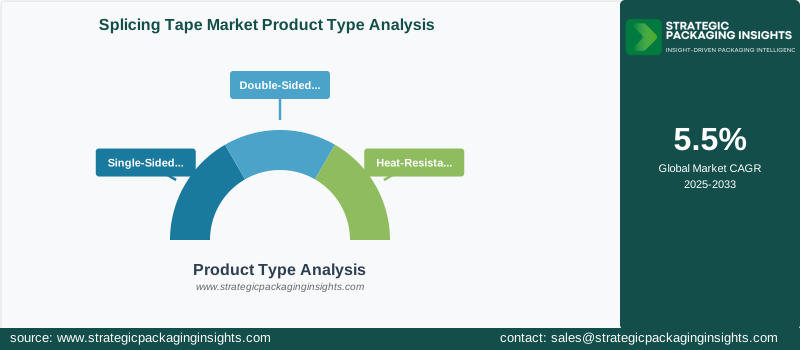
The splicing tape market is segmented by product type into single-sided splicing tape, double-sided splicing tape, and heat-resistant splicing tape. Single-sided splicing tapes are widely used in applications where one side adhesion is sufficient, offering cost-effective solutions for various industries. Double-sided splicing tapes, on the other hand, provide strong adhesion on both sides, making them ideal for applications requiring secure bonding. Heat-resistant splicing tapes are gaining popularity due to their ability to withstand extreme temperatures, making them suitable for high-temperature applications in industries such as automotive and electronics.
The demand for heat-resistant splicing tapes is expected to grow significantly during the forecast period, driven by the increasing need for high-performance tapes that can withstand harsh conditions. Manufacturers are focusing on developing innovative products with enhanced heat resistance and adhesion properties to cater to the evolving needs of consumers. The growing trend of automation in manufacturing processes is also contributing to the increased adoption of heat-resistant splicing tapes, as they offer reliable solutions for joining materials in high-temperature environments.
Application Analysis
The splicing tape market is segmented by application into paper converting, film converting, printing, and packaging lines. The paper converting segment holds a significant share of the market, driven by the increasing demand for efficient splicing solutions in the paper industry. Splicing tapes are widely used in paper mills for joining paper rolls, ensuring seamless production processes and minimizing downtime. The film converting segment is also witnessing significant growth, supported by the rising demand for flexible packaging materials and the expansion of the packaging industry.
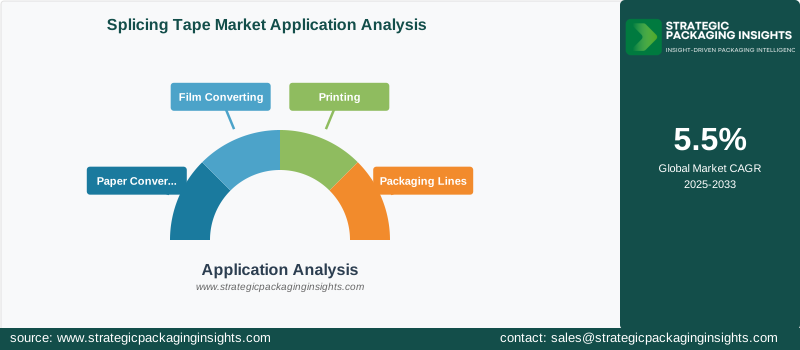
The printing segment is expected to grow at a steady pace during the forecast period, driven by the increasing adoption of digital printing technologies and the growing demand for high-quality printed materials. Splicing tapes play a crucial role in ensuring smooth and efficient printing processes, providing reliable solutions for joining materials without compromising print quality. The packaging lines segment is also expected to witness significant growth, supported by the expansion of the e-commerce sector and the increasing demand for packaging materials.
Adhesive Type Analysis
The splicing tape market is segmented by adhesive type into acrylic, rubber, and silicone. Acrylic adhesives are widely used in splicing tapes due to their excellent adhesion properties and resistance to environmental factors such as UV light and moisture. Rubber adhesives, on the other hand, offer strong initial tack and are ideal for applications requiring quick bonding. Silicone adhesives are gaining popularity due to their ability to withstand extreme temperatures and provide reliable adhesion in harsh environments.
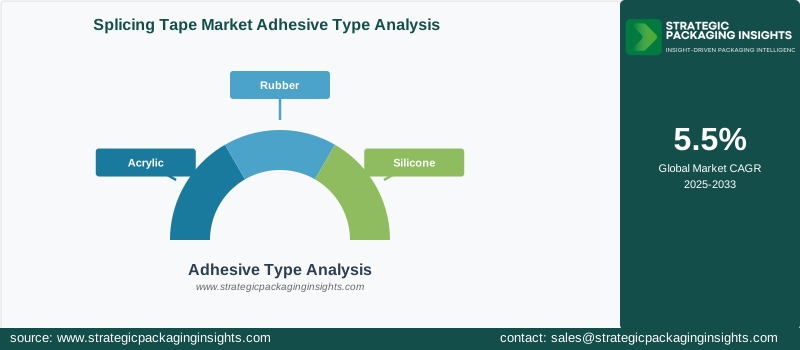
The demand for silicone adhesives is expected to grow significantly during the forecast period, driven by the increasing need for high-performance tapes that can withstand harsh conditions. Manufacturers are focusing on developing innovative products with enhanced adhesion properties and resistance to extreme temperatures to cater to the evolving needs of consumers. The growing trend of automation in manufacturing processes is also contributing to the increased adoption of silicone adhesives, as they offer reliable solutions for joining materials in high-temperature environments.
End Use Analysis
The splicing tape market is segmented by end use into printers, converters, mills, and packaging plants. The printers segment holds a significant share of the market, driven by the increasing demand for high-quality printed materials and the adoption of digital printing technologies. Splicing tapes play a crucial role in ensuring smooth and efficient printing processes, providing reliable solutions for joining materials without compromising print quality.
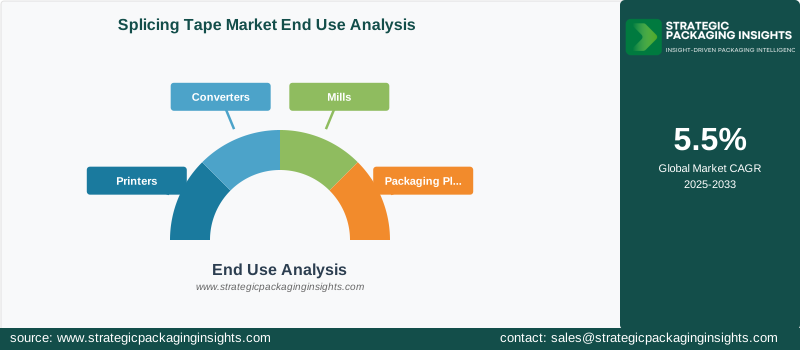
The converters segment is also witnessing significant growth, supported by the rising demand for flexible packaging materials and the expansion of the packaging industry. Splicing tapes are widely used in converting processes for joining materials, ensuring seamless production processes and minimizing downtime. The mills segment is expected to grow at a steady pace during the forecast period, driven by the increasing demand for efficient splicing solutions in the paper industry. The packaging plants segment is also expected to witness significant growth, supported by the expansion of the e-commerce sector and the increasing demand for packaging materials.
Splicing Tape Market Segments
The Splicing Tape market has been segmented on the basis ofProduct Type
- Single-Sided Splicing Tape
- Double-Sided Splicing Tape
- Heat-Resistant Splicing Tape
Application
- Paper Converting
- Film Converting
- Printing
- Packaging Lines
Adhesive Type
- Acrylic
- Rubber
- Silicone
End Use
- Printers
- Converters
- Mills
- Packaging Plants
Region
- Asia Pacific
- North America
- Latin America
- Europe
- Middle East & Africa




