


Sleek Can Market Outlook
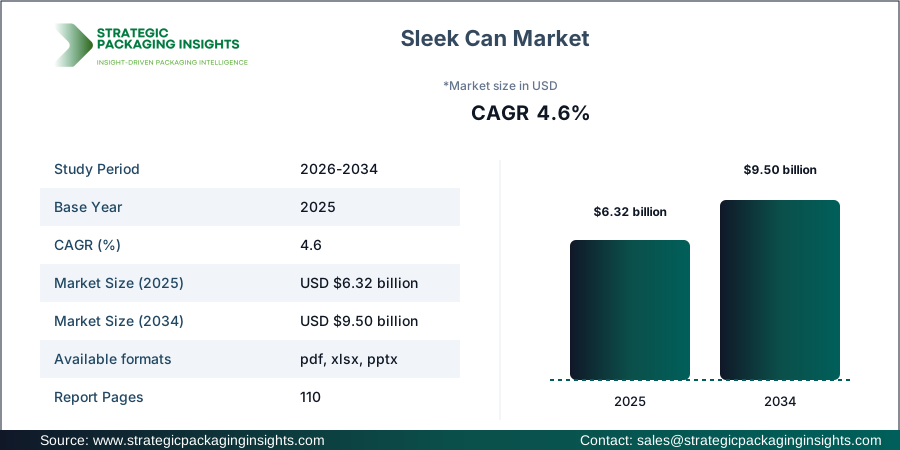
The Sleek Can market was valued at $6.32 billion in 2025 and is projected to reach $9.50 billion by 2034, growing at a CAGR of 4.6% during the forecast period 2026-2034. This market is witnessing significant growth due to the increasing demand for lightweight and recyclable packaging solutions. The sleek can design is particularly popular in the beverage industry, where it is used for packaging energy drinks, beer, and sparkling water. The demand for sleek cans is driven by their aesthetic appeal and convenience, which cater to the modern consumer's lifestyle. Additionally, the shift towards sustainable packaging solutions is further propelling the market growth, as sleek cans are predominantly made from recyclable materials like aluminum and steel.
Despite the promising growth trajectory, the sleek can market faces certain challenges. Regulatory restrictions on packaging materials and environmental concerns regarding metal extraction and processing could pose potential restraints. However, the market holds substantial growth potential, especially with advancements in can manufacturing technologies that enhance production efficiency and reduce environmental impact. The increasing trend of premiumization in the beverage industry also presents lucrative opportunities for sleek can manufacturers to innovate and offer differentiated products. As consumer preferences continue to evolve, the sleek can market is poised to adapt and expand, driven by both demand and innovation.
Report Scope
| Attributes | Details |
| Report Title | Sleek Can Market Size, Future Growth and Forecast 2034 |
| Can Type | Slim, Sleek, Tall |
| Material | Aluminum, Steel |
| Application | Energy Drinks, Beer, Sparkling Water |
| End Use | Beverage, Foodservice |
| Region | Asia Pacific, North America, Latin America, Europe, Middle East & Africa |
| Base Year | 2025 |
| Historic Period | 2018-2024 |
| Forecast Period | 2026-2034 |
| Number of Pages | 110 |
| Customization Available | Yes* |
Opportunities & Threats
The sleek can market presents numerous opportunities, particularly in the realm of sustainability and innovation. As consumers become more environmentally conscious, there is a growing demand for packaging solutions that are not only functional but also eco-friendly. Sleek cans, primarily made from recyclable materials like aluminum, align perfectly with this trend. Manufacturers have the opportunity to capitalize on this by developing cans with improved recyclability and reduced carbon footprints. Additionally, the rise of the craft beverage industry offers a unique opportunity for sleek can producers to cater to small and medium-sized enterprises looking for distinctive packaging solutions that enhance brand identity and appeal to niche markets.
Another significant opportunity lies in the expanding beverage market, particularly in emerging economies. As disposable incomes rise and consumer preferences shift towards premium and convenient beverage options, the demand for sleek cans is expected to surge. This is particularly evident in the energy drinks and sparkling water segments, where sleek cans are favored for their modern and stylish appearance. Furthermore, advancements in digital printing technology offer opportunities for customization and personalization, allowing brands to create unique and engaging packaging designs that resonate with consumers.
However, the sleek can market is not without its threats. One of the primary challenges is the volatility in raw material prices, particularly aluminum and steel, which can impact production costs and profit margins. Additionally, the market faces competition from alternative packaging solutions such as plastic and glass, which may offer cost advantages or different functional benefits. Regulatory pressures related to environmental sustainability and waste management also pose a threat, as manufacturers must continuously adapt to comply with evolving standards and consumer expectations. These factors necessitate strategic planning and innovation to mitigate risks and sustain growth in the competitive packaging landscape.
Drivers & Challenges
The sleek can market is driven by several key factors, including the increasing demand for sustainable packaging solutions and the growing popularity of ready-to-drink beverages. As consumers become more environmentally conscious, there is a heightened preference for packaging that is recyclable and has a lower environmental impact. Sleek cans, made predominantly from aluminum, are highly recyclable and align with this consumer trend. Additionally, the rise of the health and wellness movement has led to an increased consumption of beverages like energy drinks and sparkling water, which are commonly packaged in sleek cans due to their modern and appealing design.
Technological advancements in can manufacturing also play a crucial role in driving the market. Innovations in production processes have led to the development of lightweight cans that reduce material usage and transportation costs, thereby enhancing overall efficiency. Furthermore, digital printing technology enables high-quality graphics and customization, allowing brands to differentiate their products and engage consumers effectively. The ability to produce sleek cans with unique designs and branding elements is a significant driver for market growth, as it caters to the evolving preferences of consumers seeking personalized and premium packaging options.
Despite these drivers, the sleek can market faces several challenges. One of the primary challenges is the competition from alternative packaging materials such as plastic and glass, which may offer cost advantages or different functional benefits. Additionally, fluctuations in raw material prices, particularly aluminum and steel, can impact production costs and profit margins. Regulatory pressures related to environmental sustainability and waste management also pose a challenge, as manufacturers must continuously adapt to comply with evolving standards and consumer expectations. These challenges necessitate strategic planning and innovation to mitigate risks and sustain growth in the competitive packaging landscape.
Market Share Analysis
The sleek can market is characterized by a competitive landscape with several key players vying for market share. Ball Corporation, a leading player in the packaging industry, holds a significant share of the sleek can market due to its extensive product portfolio and strong distribution network. The company is known for its innovative packaging solutions and commitment to sustainability, which resonate well with environmentally conscious consumers. Crown Holdings is another major player, renowned for its advanced manufacturing capabilities and focus on product differentiation. The company's sleek can offerings are widely used in the beverage industry, particularly for energy drinks and sparkling water.
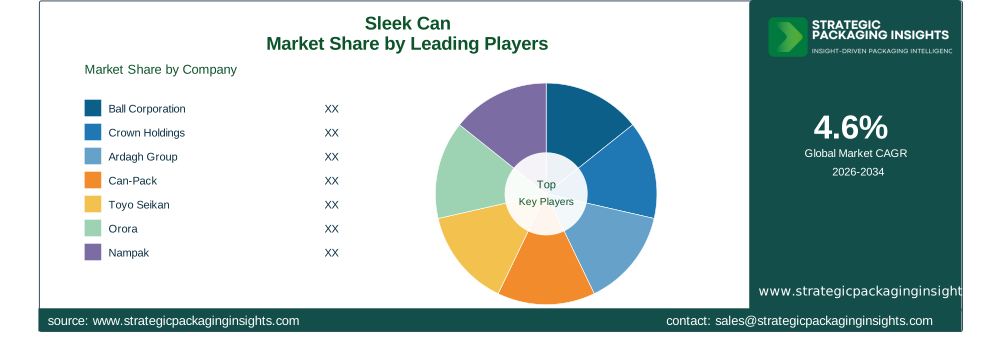
Ardagh Group is a prominent player in the sleek can market, leveraging its global presence and expertise in metal packaging to capture a substantial market share. The company's focus on innovation and sustainability has enabled it to develop sleek cans that meet the evolving needs of consumers and brands alike. Can-Pack, a leading manufacturer of metal packaging, is also a key player in the market, known for its high-quality products and customer-centric approach. The company's sleek cans are favored by beverage brands for their durability and aesthetic appeal.
Toyo Seikan, Orora, and Nampak are other notable players in the sleek can market, each with a strong presence in their respective regions. Toyo Seikan, based in Japan, is recognized for its advanced technology and commitment to quality, while Orora, an Australian packaging company, is known for its innovative solutions and focus on sustainability. Nampak, a leading packaging manufacturer in Africa, has a diverse product portfolio that includes sleek cans for various beverage applications.
CPMC and Bharat Aluminium are also significant contributors to the sleek can market. CPMC, a Chinese packaging company, has a strong foothold in the Asian market, offering a wide range of metal packaging solutions. Bharat Aluminium, an Indian company, is known for its expertise in aluminum production and packaging, catering to the growing demand for sleek cans in the region. These companies, along with others, contribute to a dynamic and competitive market landscape, where innovation and sustainability are key drivers of success.
Key Highlights
- The sleek can market is projected to grow from $6.32 billion in 2025 to $9.50 billion by 2034, at a CAGR of 4.6%.
- Increasing demand for sustainable and recyclable packaging solutions is a major driver of market growth.
- Technological advancements in can manufacturing enhance production efficiency and reduce environmental impact.
- The rise of the craft beverage industry presents opportunities for sleek can manufacturers to offer differentiated products.
- Volatility in raw material prices, particularly aluminum and steel, poses a challenge to market growth.
- Digital printing technology enables customization and personalization of sleek cans, enhancing brand engagement.
- Regulatory pressures related to environmental sustainability and waste management are key challenges for manufacturers.
- Emerging economies offer significant growth potential due to rising disposable incomes and changing consumer preferences.
- Competition from alternative packaging materials such as plastic and glass is a notable threat to the sleek can market.
- Key players in the market include Ball Corporation, Crown Holdings, Ardagh Group, and Can-Pack.
Top Countries Insights
In the sleek can market, the United States stands out as a leading country with a market size of approximately $1.5 billion and a CAGR of 5%. The growth in the U.S. is driven by the increasing demand for energy drinks and sparkling water, coupled with a strong focus on sustainability and recycling initiatives. The presence of major beverage companies and a well-established distribution network further bolster the market's expansion in the region.
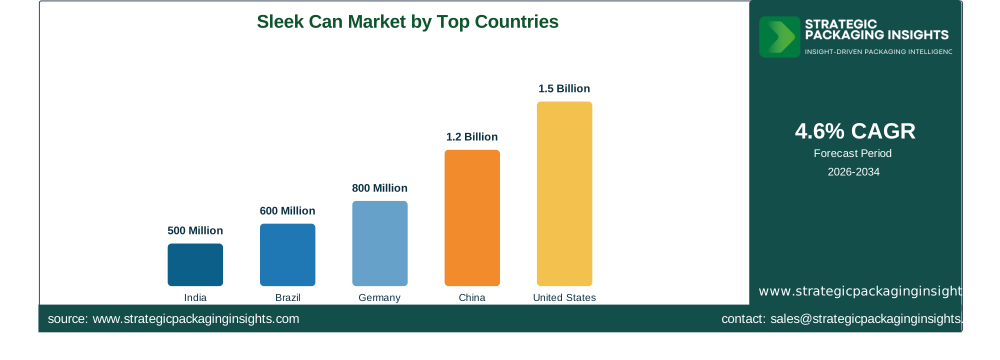
China is another significant player in the sleek can market, with a market size of around $1.2 billion and a CAGR of 6%. The rapid urbanization and rising disposable incomes in China have led to a surge in demand for premium and convenient beverage options, driving the growth of sleek cans. Additionally, government policies promoting sustainable packaging solutions and the presence of key manufacturers like CPMC contribute to the market's growth in the country.
Germany, with a market size of approximately $800 million and a CAGR of 4%, is a key market for sleek cans in Europe. The country's strong emphasis on environmental sustainability and recycling, along with a robust beverage industry, drives the demand for sleek cans. The presence of leading packaging companies like Ardagh Group and Crown Holdings further supports the market's growth in Germany.
Brazil, with a market size of around $600 million and a CAGR of 5%, is a prominent market for sleek cans in Latin America. The growing popularity of energy drinks and the increasing focus on sustainable packaging solutions are key drivers of market growth in Brazil. The presence of local manufacturers and a rising consumer base seeking modern and convenient beverage options further contribute to the market's expansion.
India, with a market size of approximately $500 million and a CAGR of 7%, is an emerging market for sleek cans in Asia. The increasing urbanization, rising disposable incomes, and changing consumer preferences towards premium beverages drive the demand for sleek cans in India. The presence of key manufacturers like Bharat Aluminium and government initiatives promoting sustainable packaging solutions further support the market's growth in the country.
Sleek Can Market Segments Insights

Can Type Analysis
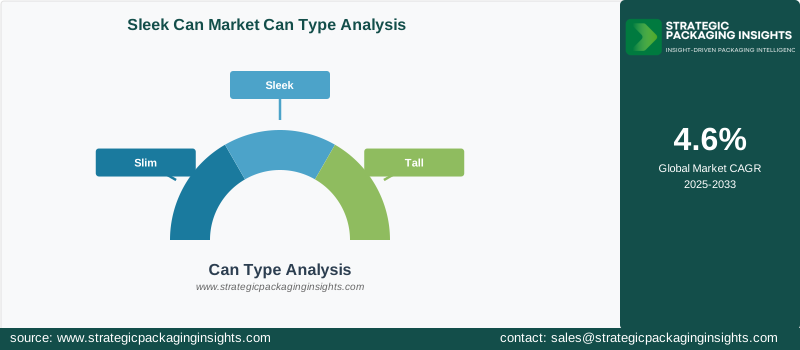
The sleek can market is segmented by can type into slim, sleek, and tall cans. Slim cans are particularly popular in the energy drinks segment, where their compact size and modern design appeal to consumers seeking convenient and portable beverage options. The sleek can segment, characterized by its stylish and contemporary appearance, is favored in the sparkling water and premium beverage markets. Tall cans, on the other hand, are commonly used for beer packaging, offering a larger volume and a distinctive look that appeals to consumers seeking a premium drinking experience. The demand for these can types is driven by their aesthetic appeal and functionality, catering to the diverse preferences of consumers across different beverage categories.
Manufacturers are focusing on innovation and customization to differentiate their products in the competitive market. The ability to produce cans with unique designs and branding elements is a significant driver for market growth, as it caters to the evolving preferences of consumers seeking personalized and premium packaging options. Additionally, advancements in digital printing technology enable high-quality graphics and customization, allowing brands to create unique and engaging packaging designs that resonate with consumers. The increasing trend of premiumization in the beverage industry also presents lucrative opportunities for sleek can manufacturers to innovate and offer differentiated products.
Material Analysis
The sleek can market is segmented by material into aluminum and steel. Aluminum is the predominant material used in sleek can manufacturing due to its lightweight, recyclability, and corrosion-resistant properties. The demand for aluminum cans is driven by the increasing focus on sustainability and the need for eco-friendly packaging solutions. Aluminum cans are highly recyclable, making them an attractive option for environmentally conscious consumers and brands. Additionally, the lightweight nature of aluminum reduces transportation costs and enhances overall efficiency, further driving its demand in the sleek can market.
Steel cans, while less common than aluminum, are used in specific applications where durability and strength are prioritized. The demand for steel cans is driven by their robustness and ability to withstand high-pressure environments, making them suitable for certain beverage applications. However, the market for steel cans is limited compared to aluminum, as the latter offers more advantages in terms of weight, recyclability, and cost-effectiveness. Manufacturers are focusing on developing innovative solutions to enhance the performance and sustainability of both aluminum and steel cans, catering to the evolving needs of consumers and brands in the sleek can market.
Application Analysis
The sleek can market is segmented by application into energy drinks, beer, and sparkling water. The energy drinks segment is a major driver of market growth, with sleek cans being the preferred packaging choice due to their modern and appealing design. The demand for energy drinks is driven by the increasing focus on health and wellness, as consumers seek convenient and functional beverage options that provide an energy boost. Sleek cans, with their compact size and portability, cater to this demand, making them a popular choice among energy drink manufacturers.
The beer segment is another significant application for sleek cans, particularly in the craft beer industry. The demand for sleek cans in the beer segment is driven by their ability to preserve the quality and freshness of the beverage, as well as their aesthetic appeal. The sparkling water segment is also experiencing growth, with sleek cans being favored for their stylish appearance and convenience. The increasing trend of premiumization in the beverage industry presents opportunities for sleek can manufacturers to innovate and offer differentiated products that cater to the evolving preferences of consumers seeking premium and convenient beverage options.
End Use Analysis
The sleek can market is segmented by end use into beverage and foodservice. The beverage segment is the largest end-use category, driven by the increasing demand for ready-to-drink beverages and the growing popularity of energy drinks, beer, and sparkling water. Sleek cans are favored in the beverage industry for their modern and appealing design, as well as their ability to preserve the quality and freshness of the beverage. The demand for sleek cans in the beverage segment is driven by the increasing focus on health and wellness, as consumers seek convenient and functional beverage options that provide an energy boost.
The foodservice segment is also experiencing growth, with sleek cans being used for packaging a variety of beverages in restaurants, cafes, and other foodservice establishments. The demand for sleek cans in the foodservice segment is driven by their convenience and portability, as well as their ability to enhance the overall dining experience. Manufacturers are focusing on developing innovative solutions to enhance the performance and sustainability of sleek cans, catering to the evolving needs of consumers and brands in the sleek can market. The increasing trend of premiumization in the beverage industry presents opportunities for sleek can manufacturers to innovate and offer differentiated products that cater to the evolving preferences of consumers seeking premium and convenient beverage options.
Sleek Can Market Segments
The Sleek Can market has been segmented on the basis ofCan Type
- Slim
- Sleek
- Tall
Material
- Aluminum
- Steel
Application
- Energy Drinks
- Beer
- Sparkling Water
End Use
- Beverage
- Foodservice
Region
- Asia Pacific
- North America
- Latin America
- Europe
- Middle East & Africa




