


Self-chilling Cans Market Outlook
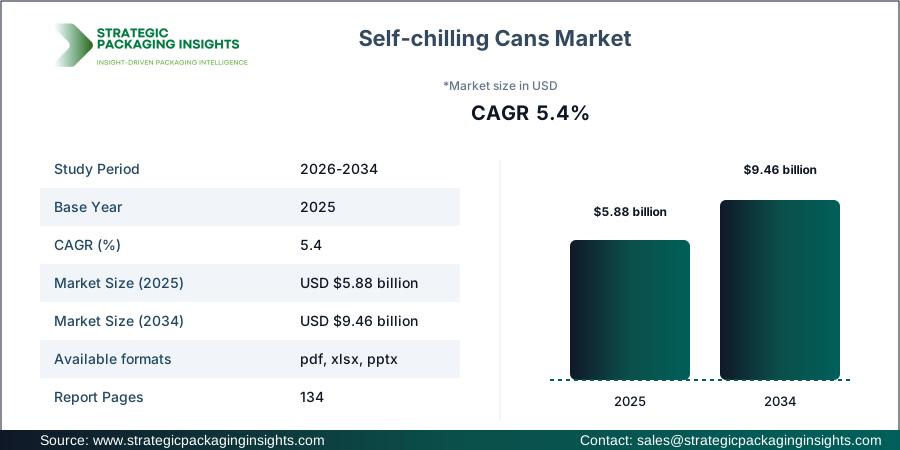
The self-chilling cans market was valued at $5.88 billion in 2025 and is projected to reach $9.46 billion by 2034, growing at a CAGR of 5.4% during the forecast period 2026-2034. This market is gaining traction due to the increasing demand for convenience and on-the-go beverage solutions. The innovation in packaging technology, particularly in the beverage industry, is driving the adoption of self-chilling cans. These cans offer a unique solution by allowing consumers to enjoy chilled beverages without the need for refrigeration, making them highly appealing for outdoor activities and travel. The market is also benefiting from the growing trend of eco-friendly packaging solutions, as self-chilling cans reduce the need for energy-intensive refrigeration.
However, the market faces challenges such as high production costs and the need for specialized materials and technology, which can limit widespread adoption. Regulatory constraints related to the use of certain chemicals in self-chilling mechanisms also pose a challenge. Despite these hurdles, the market holds significant growth potential, driven by technological advancements and increasing consumer awareness about sustainable packaging solutions. The market is expected to witness substantial growth in regions like North America and Europe, where there is a high demand for innovative and sustainable packaging solutions.
Report Scope
| Attributes | Details |
| Report Title | Self-chilling Cans Market Size, Future Growth and Forecast 2034 |
| By Can Type | Self-cooling Beverage Can, Aerosol |
| By Application | Soft Drinks, Beer, Energy Drinks |
| By End Use | Retail, Convenience, Outdoor |
| By Activation | Chemical, Mechanical |
| Region | Asia Pacific, North America, Latin America, Europe, Middle East & Africa |
| Base Year | 2025 |
| Historic Period | 2018-2024 |
| Forecast Period | 2026-2034 |
| Number of Pages | 134 |
| Customization Available | Yes* |
Opportunities & Threats
The self-chilling cans market presents numerous opportunities, particularly in the realm of technological innovation. Companies are investing heavily in research and development to create more efficient and cost-effective self-chilling mechanisms. This innovation is crucial as it can significantly reduce production costs and make these cans more accessible to a broader consumer base. Additionally, the growing trend of outdoor recreational activities and the increasing demand for on-the-go beverage solutions are creating a fertile ground for market expansion. As consumers become more environmentally conscious, the demand for sustainable packaging solutions like self-chilling cans is expected to rise, providing further growth opportunities.
Another significant opportunity lies in the expansion of the market into emerging economies. As disposable incomes rise and lifestyles change, there is a growing demand for convenient and innovative packaging solutions in countries across Asia Pacific and Latin America. These regions offer untapped potential for market players looking to expand their footprint. Furthermore, partnerships and collaborations with beverage companies can open new avenues for growth, as these partnerships can lead to the development of customized solutions tailored to specific consumer needs and preferences.
On the flip side, the market faces threats from regulatory challenges and environmental concerns. The use of certain chemicals in self-chilling mechanisms can be subject to stringent regulations, which can hinder market growth. Additionally, the environmental impact of these chemicals, if not managed properly, can lead to negative perceptions among consumers. Companies need to navigate these challenges carefully by investing in sustainable and compliant technologies. The high cost of production and the need for specialized materials also pose significant threats, as they can limit the market's ability to scale and reach a wider audience.
Drivers & Challenges
The primary drivers of the self-chilling cans market include the increasing demand for convenience and the growing trend of outdoor activities. Consumers today are looking for packaging solutions that offer ease of use and portability, and self-chilling cans fit this requirement perfectly. The ability to enjoy a chilled beverage without the need for refrigeration is a significant selling point, especially for consumers who are constantly on the move. Additionally, the rise in outdoor recreational activities, such as camping and hiking, is driving the demand for self-chilling cans, as they provide a practical solution for keeping beverages cool in outdoor settings.
Technological advancements are also playing a crucial role in driving market growth. Companies are continuously innovating to develop more efficient and cost-effective self-chilling mechanisms. These advancements not only enhance the functionality of the cans but also reduce production costs, making them more accessible to a broader consumer base. Furthermore, the increasing focus on sustainability and eco-friendly packaging solutions is driving the adoption of self-chilling cans, as they offer a more sustainable alternative to traditional refrigeration methods.
Despite these drivers, the market faces several challenges. One of the primary challenges is the high cost of production, which can limit the market's ability to scale and reach a wider audience. The need for specialized materials and technology adds to the production costs, making these cans more expensive than traditional packaging solutions. Additionally, regulatory challenges related to the use of certain chemicals in self-chilling mechanisms can hinder market growth. Companies need to navigate these challenges carefully by investing in sustainable and compliant technologies. The environmental impact of these chemicals, if not managed properly, can also lead to negative perceptions among consumers, posing a significant challenge for market players.
Market Share Analysis
The competitive landscape of the self-chilling cans market is characterized by the presence of several key players who are driving innovation and growth in the industry. Companies like DeltaH Innovations, Joseph Company, and Crown Holdings are at the forefront of this market, leveraging their expertise in packaging technology to develop advanced self-chilling solutions. These companies are investing heavily in research and development to create more efficient and cost-effective self-chilling mechanisms, which is crucial for reducing production costs and making these cans more accessible to a broader consumer base.
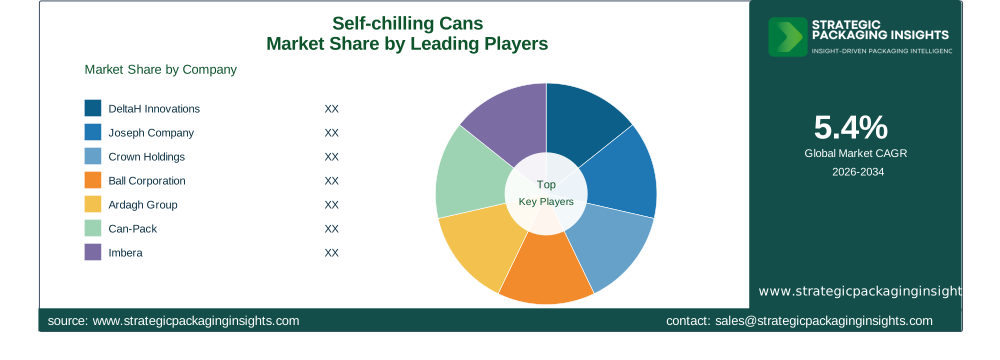
Ball Corporation and Ardagh Group are also significant players in the market, known for their extensive experience in the packaging industry. These companies are focusing on expanding their product portfolios to include self-chilling cans, capitalizing on the growing demand for innovative and sustainable packaging solutions. Can-Pack and Imbera are other notable players, contributing to the market's growth through their commitment to technological innovation and sustainability. These companies are exploring new materials and technologies to enhance the functionality and environmental impact of self-chilling cans.
Tempra Technology and BevPak are emerging players in the market, gaining traction through their innovative approaches to self-chilling technology. These companies are focusing on developing customized solutions tailored to specific consumer needs and preferences, which is helping them carve out a niche in the competitive landscape. KHS, known for its expertise in beverage packaging solutions, is also making significant strides in the self-chilling cans market, leveraging its extensive industry knowledge to develop advanced self-chilling solutions.
Overall, the market is highly competitive, with companies vying for market share through innovation and strategic partnerships. The focus on sustainability and eco-friendly packaging solutions is a key differentiator for many players, as consumers become more environmentally conscious. Companies are also exploring new markets and expanding their distribution networks to reach a wider audience, which is expected to drive further growth in the coming years.
Key Highlights
- The self-chilling cans market is projected to grow at a CAGR of 5.4% from 2026 to 2034.
- Technological advancements in self-chilling mechanisms are driving market growth.
- High production costs and regulatory challenges are significant market restraints.
- North America and Europe are key regions for market growth due to high demand for innovative packaging solutions.
- Emerging economies in Asia Pacific and Latin America offer untapped market potential.
- Partnerships with beverage companies are opening new avenues for market expansion.
- Environmental concerns related to chemical use in self-chilling mechanisms pose challenges.
- Companies are focusing on sustainability and eco-friendly packaging solutions.
- DeltaH Innovations, Joseph Company, and Crown Holdings are leading players in the market.
- Customization and consumer-specific solutions are key trends in the market.
Top Countries Insights
In the self-chilling cans market, the United States stands out as a leading country, with a market size of approximately $1.5 billion and a CAGR of 6%. The demand for innovative and convenient packaging solutions is a significant growth driver, supported by a strong focus on sustainability and eco-friendly products. The presence of key market players and a well-established beverage industry further bolster the market's growth prospects in the U.S.
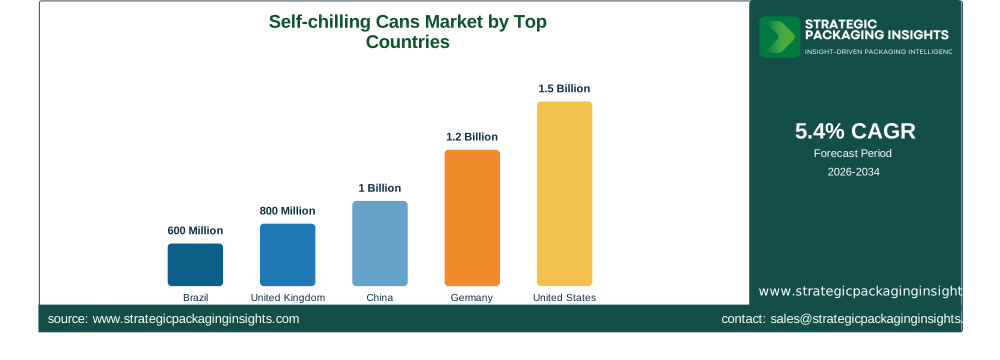
Germany is another key market, with a market size of around $1.2 billion and a CAGR of 5%. The country's strong emphasis on technological innovation and sustainability is driving the adoption of self-chilling cans. The German market benefits from a robust manufacturing sector and a high demand for advanced packaging solutions, making it a lucrative market for self-chilling cans.
China, with a market size of $1 billion and a CAGR of 7%, represents a significant growth opportunity for the self-chilling cans market. The country's rapidly growing economy and increasing disposable incomes are driving demand for convenient and innovative packaging solutions. Additionally, the government's focus on sustainability and environmental protection is encouraging the adoption of eco-friendly packaging solutions like self-chilling cans.
In the United Kingdom, the market size is estimated at $800 million, with a CAGR of 4%. The demand for self-chilling cans is driven by the country's strong focus on sustainability and the growing trend of outdoor recreational activities. The presence of key market players and a well-established beverage industry further support the market's growth in the UK.
Brazil, with a market size of $600 million and a CAGR of 5%, is an emerging market for self-chilling cans. The country's growing middle class and increasing demand for convenient packaging solutions are driving market growth. Additionally, the government's focus on sustainability and environmental protection is encouraging the adoption of eco-friendly packaging solutions, providing further growth opportunities for the market.
Self-chilling Cans Market Segments Insights

By Can Type Analysis
The self-chilling cans market is segmented by can type into self-cooling beverage cans and aerosols. Self-cooling beverage cans are the dominant segment, driven by the increasing demand for convenient and innovative packaging solutions in the beverage industry. These cans offer a unique solution for consumers looking to enjoy chilled beverages without the need for refrigeration, making them highly appealing for outdoor activities and travel. The segment is expected to witness significant growth, supported by technological advancements and the growing trend of eco-friendly packaging solutions.
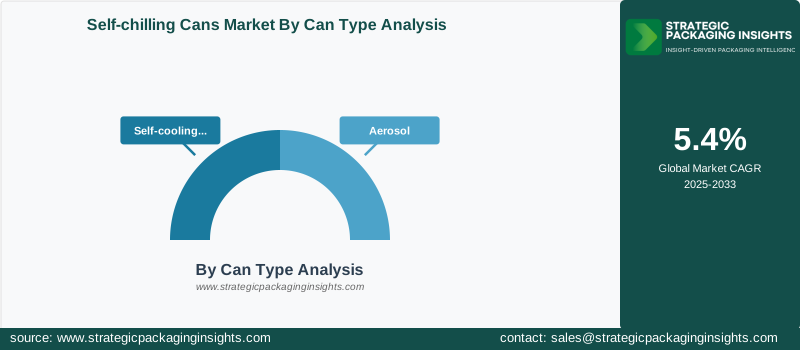
Aerosols, while a smaller segment, are gaining traction due to their versatility and convenience. The demand for aerosols is driven by their ability to provide a quick and efficient cooling solution, making them ideal for a variety of applications. The segment is expected to grow at a steady pace, supported by the increasing demand for innovative packaging solutions and the growing trend of outdoor recreational activities.
By Application Analysis
The self-chilling cans market is segmented by application into soft drinks, beer, and energy drinks. Soft drinks are the largest application segment, driven by the high demand for convenient and innovative packaging solutions in the beverage industry. The segment is expected to witness significant growth, supported by the increasing demand for on-the-go beverage solutions and the growing trend of outdoor recreational activities.
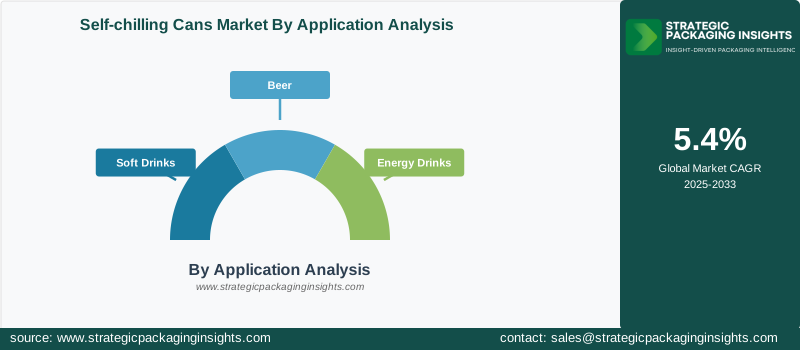
Beer is another key application segment, driven by the increasing demand for chilled beverages in outdoor settings. The segment is expected to grow at a steady pace, supported by the growing trend of outdoor recreational activities and the increasing demand for convenient packaging solutions. Energy drinks, while a smaller segment, are gaining traction due to their popularity among consumers looking for a quick and efficient energy boost. The segment is expected to grow at a steady pace, supported by the increasing demand for on-the-go beverage solutions and the growing trend of outdoor recreational activities.
By End Use Analysis
The self-chilling cans market is segmented by end use into retail, convenience, and outdoor. Retail is the largest end-use segment, driven by the high demand for convenient and innovative packaging solutions in the beverage industry. The segment is expected to witness significant growth, supported by the increasing demand for on-the-go beverage solutions and the growing trend of outdoor recreational activities.
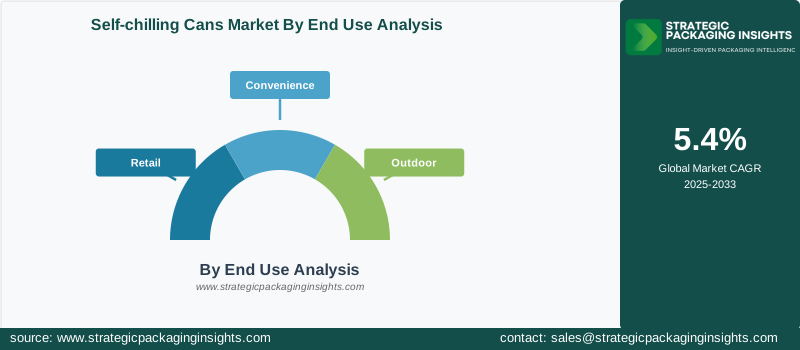
Convenience is another key end-use segment, driven by the increasing demand for quick and efficient packaging solutions. The segment is expected to grow at a steady pace, supported by the growing trend of outdoor recreational activities and the increasing demand for convenient packaging solutions. Outdoor, while a smaller segment, is gaining traction due to the growing trend of outdoor recreational activities and the increasing demand for convenient packaging solutions. The segment is expected to grow at a steady pace, supported by the increasing demand for on-the-go beverage solutions and the growing trend of outdoor recreational activities.
By Activation Analysis
The self-chilling cans market is segmented by activation into chemical and mechanical. Chemical activation is the dominant segment, driven by the increasing demand for efficient and cost-effective self-chilling mechanisms. The segment is expected to witness significant growth, supported by technological advancements and the growing trend of eco-friendly packaging solutions.
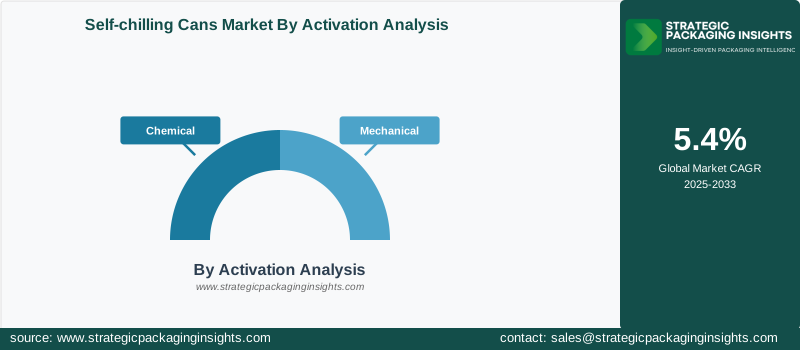
Mechanical activation, while a smaller segment, is gaining traction due to its versatility and convenience. The demand for mechanical activation is driven by its ability to provide a quick and efficient cooling solution, making it ideal for a variety of applications. The segment is expected to grow at a steady pace, supported by the increasing demand for innovative packaging solutions and the growing trend of outdoor recreational activities.
Self-chilling Cans Market Segments
The Self-chilling Cans market has been segmented on the basis ofBy Can Type
- Self-cooling Beverage Can
- Aerosol
By Application
- Soft Drinks
- Beer
- Energy Drinks
By End Use
- Retail
- Convenience
- Outdoor
By Activation
- Chemical
- Mechanical
Region
- Asia Pacific
- North America
- Latin America
- Europe
- Middle East & Africa




