


Reflective Tape Market Outlook
The Reflective Tape market size was valued at USD 3.19 billion in 2025 and is anticipated to reach USD 5.17 billion by 2034, growing at a CAGR of 5.5% during the forecast period according to Strategic Packaging Insights. The market is witnessing robust growth driven by increasing demand for safety and visibility solutions across various sectors. Companies like 3M and Avery Dennison are leading the charge with innovative products that cater to the growing need for reflective materials in road safety, construction, and industrial applications. The rise in urbanization and infrastructure development is further propelling the demand for reflective tapes, as they play a crucial role in enhancing visibility and safety in low-light conditions.
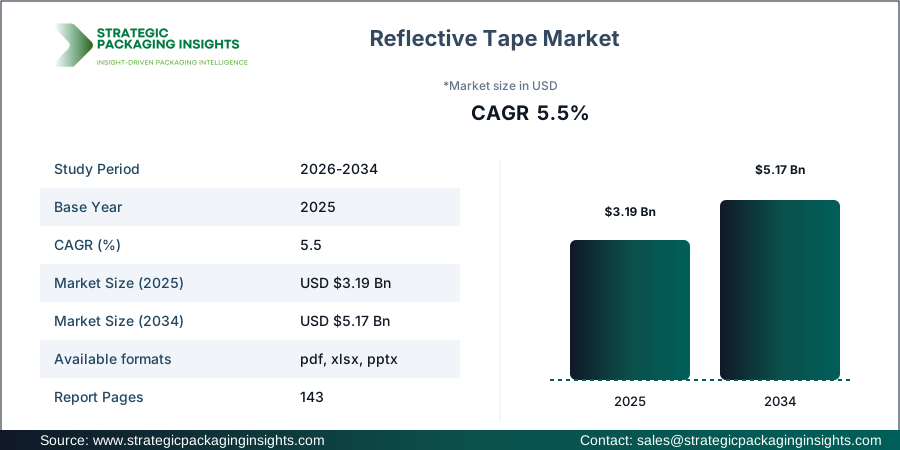
One of the most impactful drivers of the Reflective Tape market is the stringent government regulations mandating the use of reflective materials for safety purposes. For instance, transportation authorities worldwide are enforcing regulations that require vehicles and roadways to be equipped with reflective tapes to reduce accidents and enhance nighttime visibility. This regulatory push is significantly boosting the market, as companies like Orafol and Reflexite are expanding their product lines to meet these compliance standards. Additionally, the growing awareness among consumers about safety and the increasing adoption of reflective tapes in workwear and industrial marking are further contributing to market growth.
Report Scope
| Attributes | Details |
| Report Title | Reflective Tape Market Size, Future Growth and Forecast 2034 |
| Material Type | PVC, PET, Fabric, Microprismatic Film |
| Product Type | Conspicuity Tape, Safety Tape, Vehicle Tape, Industrial Tape |
| Application | Road Safety, Vehicles, Workwear, Industrial Marking |
| End Use | Transportation, Construction, Industrial, Public Safety |
| Region | Asia Pacific, North America, Latin America, Europe, Middle East & Africa |
| Base Year | 2025 |
| Historic Period | 2018-2024 |
| Forecast Period | 2026-2034 |
| Number of Pages | 143 |
| Customization Available | Yes* |
Sustainability & Circular Economy Analysis
Sustainability initiatives are increasingly shaping the Reflective Tape market, as manufacturers and consumers alike prioritize eco-friendly solutions. The shift towards recyclable materials and reusable packaging is evident, with companies like Nitto Denko and Tesa leading the way in developing tapes that minimize environmental impact. These companies are investing in lightweight packaging and eco-friendly material innovations to reduce waste and carbon footprints. As a result, reflective tape products are becoming more sustainable, aligning with consumer preferences for environmentally responsible products.
The circular economy is also influencing the market, as extended producer responsibility (EPR) regulations encourage manufacturers to design products with end-of-life considerations in mind. This has led to the development of reflective tapes that are easier to recycle and repurpose, thus reducing landfill waste. Companies are adopting waste reduction strategies and ESG initiatives to enhance their market competitiveness and comply with packaging regulations. This focus on sustainability is driving investment decisions and influencing packaging design and manufacturing processes.
Moreover, the emphasis on reducing carbon footprints is prompting companies to optimize their supply chain strategies. By localizing production and sourcing materials sustainably, manufacturers are not only reducing transportation emissions but also ensuring regulatory compliance. This trend is expected to continue, as sustainability becomes a key differentiator in the market. As a result, reflective tape manufacturers are likely to see increased demand from brand owners, converters, and retailers who are committed to sustainable practices.
Packaging Value Chain & Supply Chain Analysis
The Reflective Tape market's value chain is complex, involving multiple stakeholders from raw material suppliers to end-users. Raw material sourcing is a critical component, as the availability and cost of materials like PVC, PET, and microprismatic films directly impact production capabilities and pricing strategies. Packaging converters and manufacturers play a pivotal role in transforming these materials into finished products, with companies like Brady Corporation and Heskins leading the charge in innovation and quality assurance.
Supply chain efficiency is paramount in maintaining market competitiveness. Logistics and distribution channels are crucial for ensuring timely delivery of reflective tapes to various sectors, including transportation, construction, and public safety. Strategic partnerships with logistics providers and distributors help companies like Shurtape and Intertape Polymer Group optimize their supply chains, reduce lead times, and enhance customer satisfaction. Inventory management and procurement strategies are also vital in mitigating risks associated with raw material shortages and fluctuating demand.
Global sourcing and localization are key trends shaping the supply chain landscape. While global sourcing offers cost advantages, localization helps companies reduce transportation costs and carbon emissions. This balance is essential for maintaining supply chain resilience and ensuring regulatory compliance. As the market continues to grow, reflective tape manufacturers are likely to invest in advanced packaging machinery and technologies to enhance production efficiency and meet the increasing demand for high-quality, sustainable products.
Opportunities & Threats
The Reflective Tape market presents numerous opportunities for growth, driven by technological advancements and increasing safety awareness. The development of smart reflective tapes with integrated sensors and connectivity features is a promising area, offering enhanced functionality and real-time data collection. This innovation is particularly relevant for applications in road safety and vehicle marking, where visibility and safety are paramount. Companies that invest in R&D to develop such advanced products are likely to gain a competitive edge and capture a larger market share.
Another significant opportunity lies in the expansion of the market in emerging economies. As infrastructure development accelerates in regions like Asia Pacific and Latin America, the demand for reflective tapes in construction and transportation sectors is expected to rise. Companies that establish a strong presence in these regions and adapt their products to local needs and regulations will benefit from the growing market potential. Additionally, the increasing adoption of reflective tapes in workwear and industrial marking offers opportunities for diversification and market expansion.
However, the market also faces threats, particularly from fluctuating raw material prices and stringent regulatory requirements. The cost of materials like PVC and PET can impact profit margins, especially for small and medium-sized enterprises. Moreover, compliance with environmental regulations and safety standards requires continuous investment in product development and quality assurance. Companies that fail to adapt to these challenges may face competitive disadvantages and potential market share loss.
Drivers & Challenges
The Reflective Tape market is driven by several key factors, including the increasing emphasis on safety and visibility across various sectors. Government regulations mandating the use of reflective materials in transportation and construction are a major driver, as they ensure compliance and enhance safety standards. Additionally, the growing awareness among consumers about the importance of safety and the benefits of reflective tapes in reducing accidents is boosting market demand. Companies like 3M and Avery Dennison are capitalizing on these trends by offering innovative products that meet regulatory requirements and consumer preferences.
Technological advancements are also driving market growth, as manufacturers develop new materials and designs that enhance the performance and durability of reflective tapes. The integration of smart technologies and connectivity features is a notable trend, offering added value and functionality to end-users. This innovation is particularly relevant for applications in road safety and vehicle marking, where real-time data collection and monitoring can significantly improve safety outcomes. As a result, companies that invest in R&D and embrace technological advancements are likely to gain a competitive advantage.
Despite these drivers, the market faces challenges, particularly in terms of raw material availability and cost fluctuations. The reliance on materials like PVC and PET makes the market vulnerable to price volatility, which can impact production costs and profit margins. Additionally, the need to comply with stringent environmental regulations and safety standards requires continuous investment in product development and quality assurance. Companies that fail to address these challenges may face competitive disadvantages and potential market share loss.
Market Share Analysis
The Reflective Tape market is characterized by a competitive landscape with several key players dominating the industry. Companies like 3M, Avery Dennison, and Orafol hold significant market shares, driven by their extensive product portfolios and strong brand recognition. These companies have established themselves as leaders in the market by offering high-quality, innovative products that meet the diverse needs of customers across various sectors. Their focus on R&D and strategic partnerships has enabled them to maintain a competitive edge and capture a substantial share of the market.
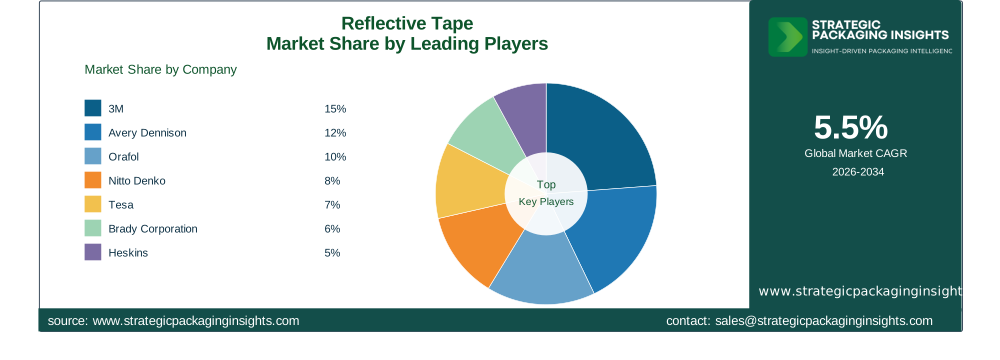
3M, for instance, is renowned for its cutting-edge reflective tape solutions that cater to a wide range of applications, from road safety to industrial marking. The company's commitment to innovation and sustainability has positioned it as a leader in the market, with a strong presence in both developed and emerging economies. Similarly, Avery Dennison's focus on product development and customer-centric solutions has helped it secure a significant market share, particularly in the transportation and construction sectors.
Orafol, another major player, is known for its high-performance reflective films and tapes that offer superior visibility and durability. The company's emphasis on quality and customer satisfaction has enabled it to build a loyal customer base and expand its market presence globally. Reflexite, Nitto Denko, and Tesa are also key players in the market, each with unique strengths and capabilities that contribute to their competitive positioning.
Other notable companies in the market include Brady Corporation, Heskins, Shurtape, and Intertape Polymer Group. These companies have carved out niches in the market by offering specialized products and solutions that cater to specific customer needs. Their focus on innovation, quality, and customer service has helped them maintain a strong market presence and compete effectively with larger players. As the market continues to grow, these companies are likely to invest in new technologies and expand their product offerings to capture additional market share.
Key Highlights
- Market Size: The Reflective Tape market was valued at USD 3.19 billion in 2025 and is projected to reach USD 5.17 billion by 2034.
- Growth Rate: The market is expected to grow at a CAGR of 5.5% during the forecast period.
- Leading Companies: Key players include 3M, Avery Dennison, Orafol, and Reflexite.
- Material Type: PVC and PET are the most commonly used materials in reflective tapes.
- Product Type: Conspicuity Tape and Safety Tape are the most popular product types.
- Application: Road Safety and Vehicles are the primary applications driving market demand.
- Regional Growth: Asia Pacific is expected to witness the highest growth rate during the forecast period.
Reflective Tape Market Segments Insights

Material Type Analysis
The Reflective Tape market is segmented by material type, with PVC, PET, Fabric, and Microprismatic Film being the primary materials used in production. PVC and PET are the most commonly used materials due to their durability, flexibility, and cost-effectiveness. These materials are favored for their ability to withstand harsh environmental conditions, making them ideal for outdoor applications such as road safety and vehicle marking. Companies like 3M and Avery Dennison are leveraging these materials to develop high-performance reflective tapes that meet stringent safety standards and regulatory requirements.
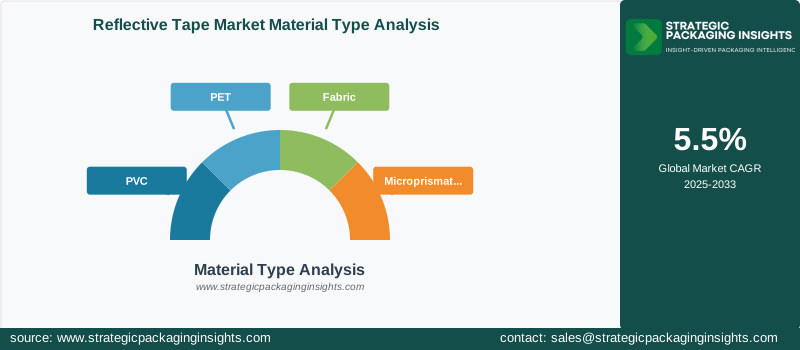
Fabric and Microprismatic Film are also gaining traction in the market, driven by their superior reflective properties and versatility. Fabric-based reflective tapes are particularly popular in workwear and industrial marking applications, where flexibility and comfort are essential. Microprismatic Film, on the other hand, offers enhanced visibility and brightness, making it suitable for high-visibility applications such as traffic signs and safety vests. As the demand for reflective tapes continues to grow, manufacturers are investing in R&D to develop new materials and technologies that enhance performance and sustainability.
Product Type Analysis
The Reflective Tape market is categorized by product type, with Conspicuity Tape, Safety Tape, Vehicle Tape, and Industrial Tape being the key segments. Conspicuity Tape is widely used in transportation and logistics sectors to enhance vehicle visibility and safety, particularly in low-light conditions. Safety Tape, on the other hand, is designed for use in hazardous environments, providing clear visual warnings and demarcations to prevent accidents and injuries. Companies like Orafol and Reflexite are leading the market with innovative products that cater to these specific needs.

Vehicle Tape and Industrial Tape are also significant segments, driven by the increasing demand for safety and visibility solutions in automotive and industrial applications. Vehicle Tape is commonly used in commercial vehicles, trailers, and emergency vehicles to improve visibility and compliance with safety regulations. Industrial Tape, meanwhile, is used in factories, warehouses, and construction sites to mark hazardous areas and guide workers safely. As the market evolves, manufacturers are focusing on developing products that offer enhanced durability, performance, and ease of application.
Application Analysis
The Reflective Tape market is segmented by application, with Road Safety, Vehicles, Workwear, and Industrial Marking being the primary areas of use. Road Safety is a major application, as reflective tapes are essential for enhancing visibility and safety on roads and highways. These tapes are used in traffic signs, road markings, and barriers to improve nighttime visibility and reduce accidents. Companies like 3M and Avery Dennison are at the forefront of this segment, offering high-quality products that meet regulatory standards and customer expectations.
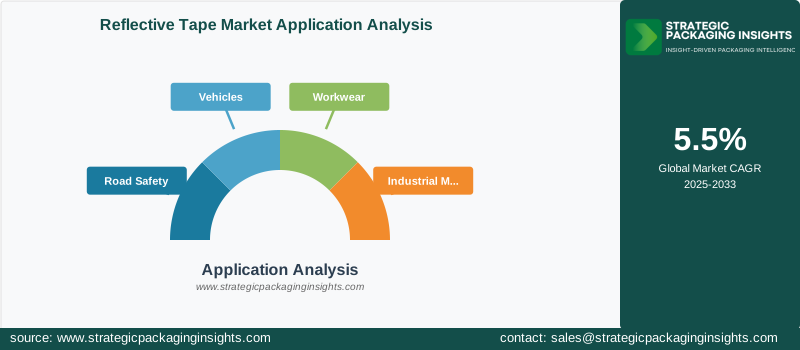
Vehicles and Workwear are also significant applications, driven by the increasing emphasis on safety and compliance. Reflective tapes are used in vehicles to enhance visibility and comply with safety regulations, while in workwear, they provide added visibility and protection for workers in hazardous environments. Industrial Marking is another key application, as reflective tapes are used to mark hazardous areas, guide workers, and improve safety in industrial settings. As the demand for safety solutions continues to grow, manufacturers are expanding their product offerings to cater to these diverse applications.
End Use Analysis
The Reflective Tape market is segmented by end use, with Transportation, Construction, Industrial, and Public Safety being the key sectors. Transportation is a major end-use sector, as reflective tapes are essential for enhancing vehicle visibility and safety on roads and highways. These tapes are used in commercial vehicles, trailers, and emergency vehicles to improve visibility and compliance with safety regulations. Companies like 3M and Avery Dennison are leading the market with innovative products that cater to the specific needs of the transportation sector.
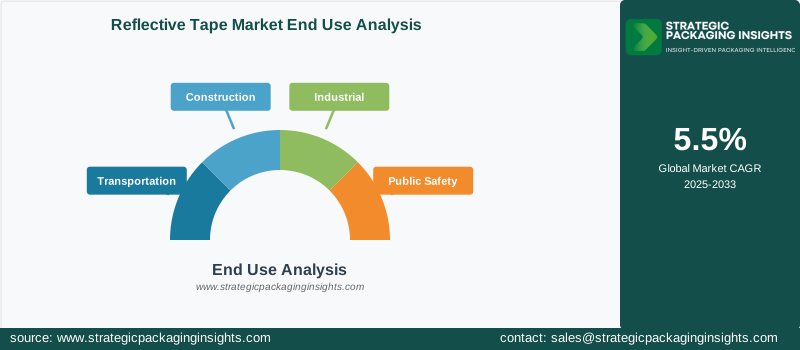
Construction and Industrial are also significant end-use sectors, driven by the increasing demand for safety and visibility solutions in these industries. Reflective tapes are used in construction sites to mark hazardous areas, guide workers, and improve safety, while in industrial settings, they are used to mark equipment, machinery, and storage areas. Public Safety is another key end-use sector, as reflective tapes are used in emergency services, law enforcement, and public safety campaigns to enhance visibility and safety. As the market continues to grow, manufacturers are focusing on developing products that offer enhanced performance, durability, and ease of application.
Reflective Tape Market Segments
The Reflective Tape market has been segmented on the basis ofMaterial Type
- PVC
- PET
- Fabric
- Microprismatic Film
Product Type
- Conspicuity Tape
- Safety Tape
- Vehicle Tape
- Industrial Tape
Application
- Road Safety
- Vehicles
- Workwear
- Industrial Marking
End Use
- Transportation
- Construction
- Industrial
- Public Safety
Region
- Asia Pacific
- North America
- Latin America
- Europe
- Middle East & Africa




